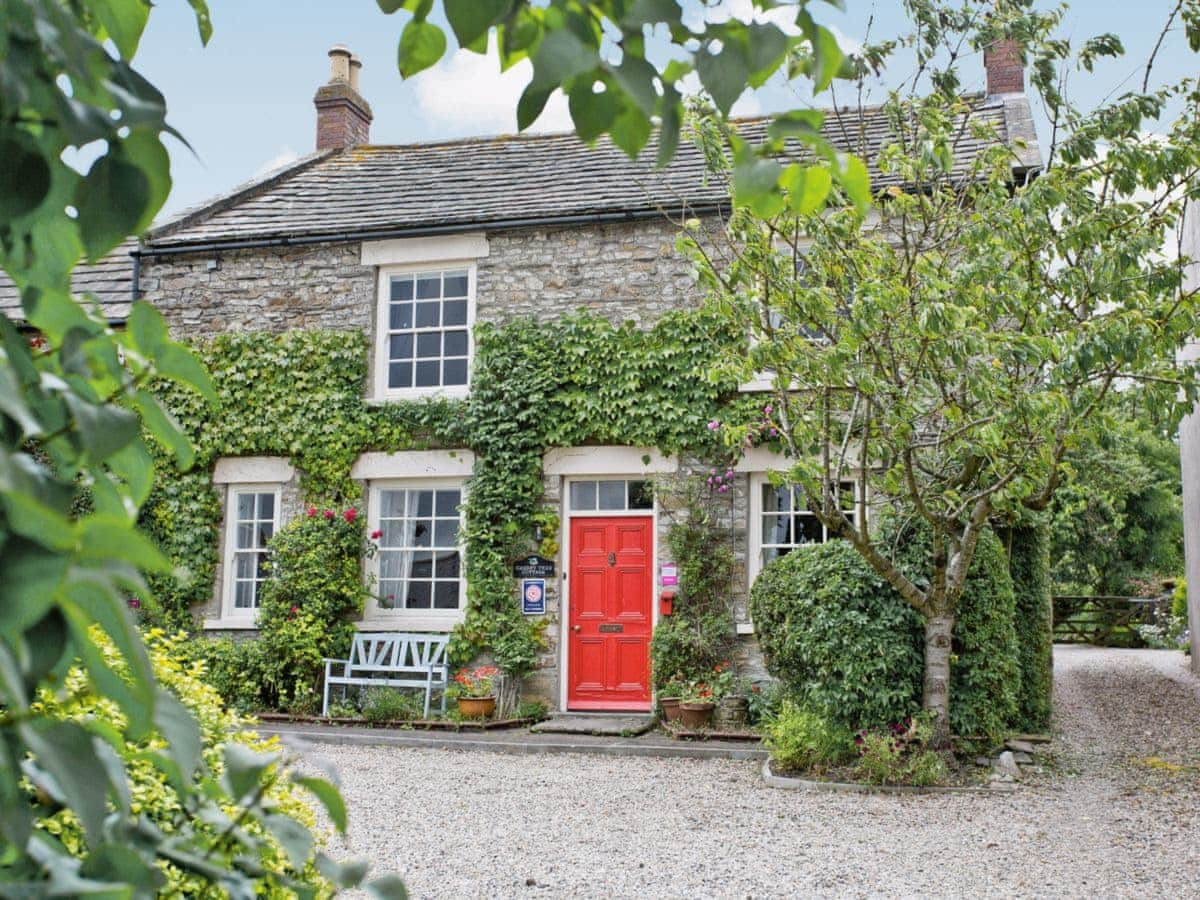
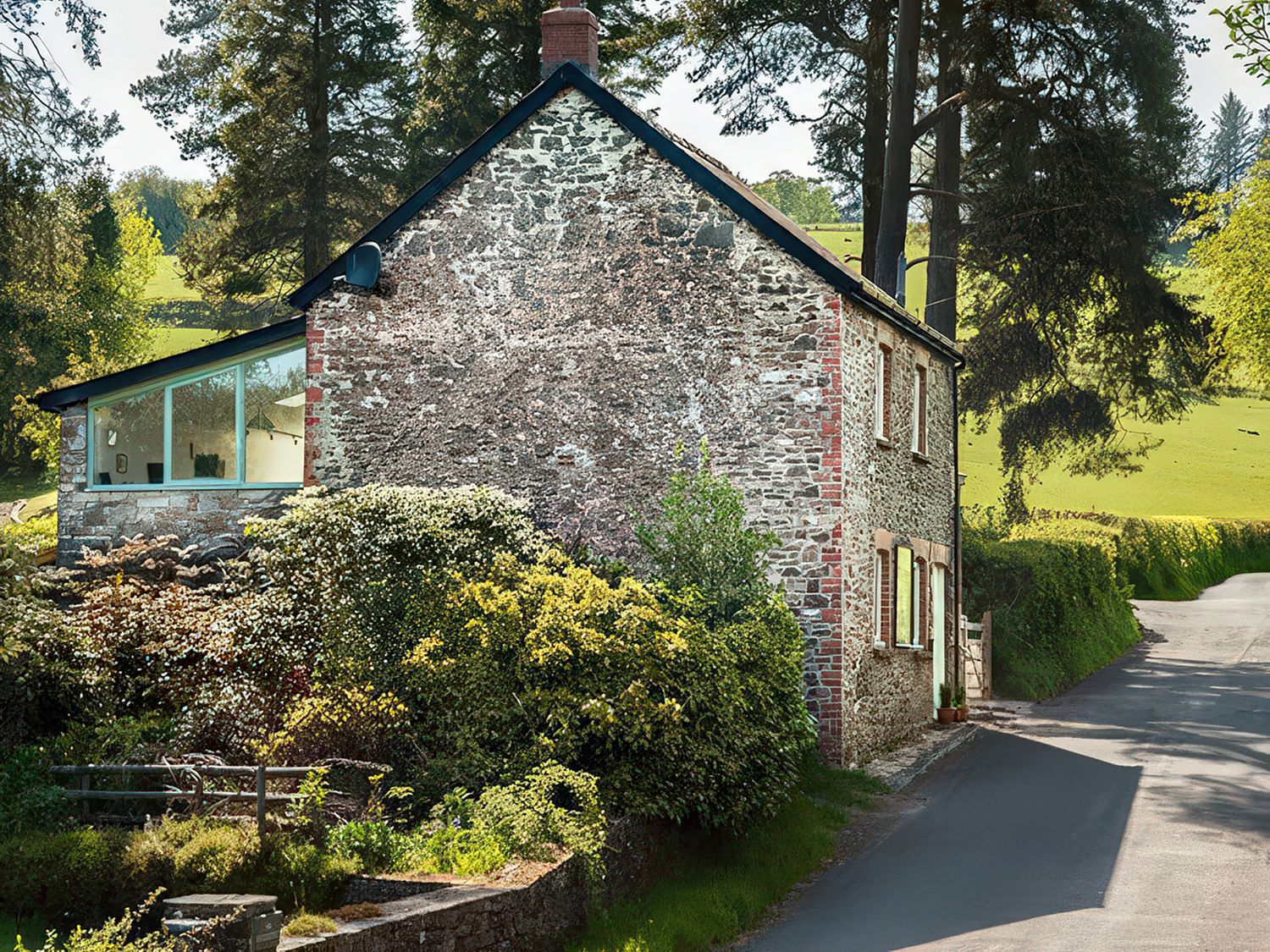
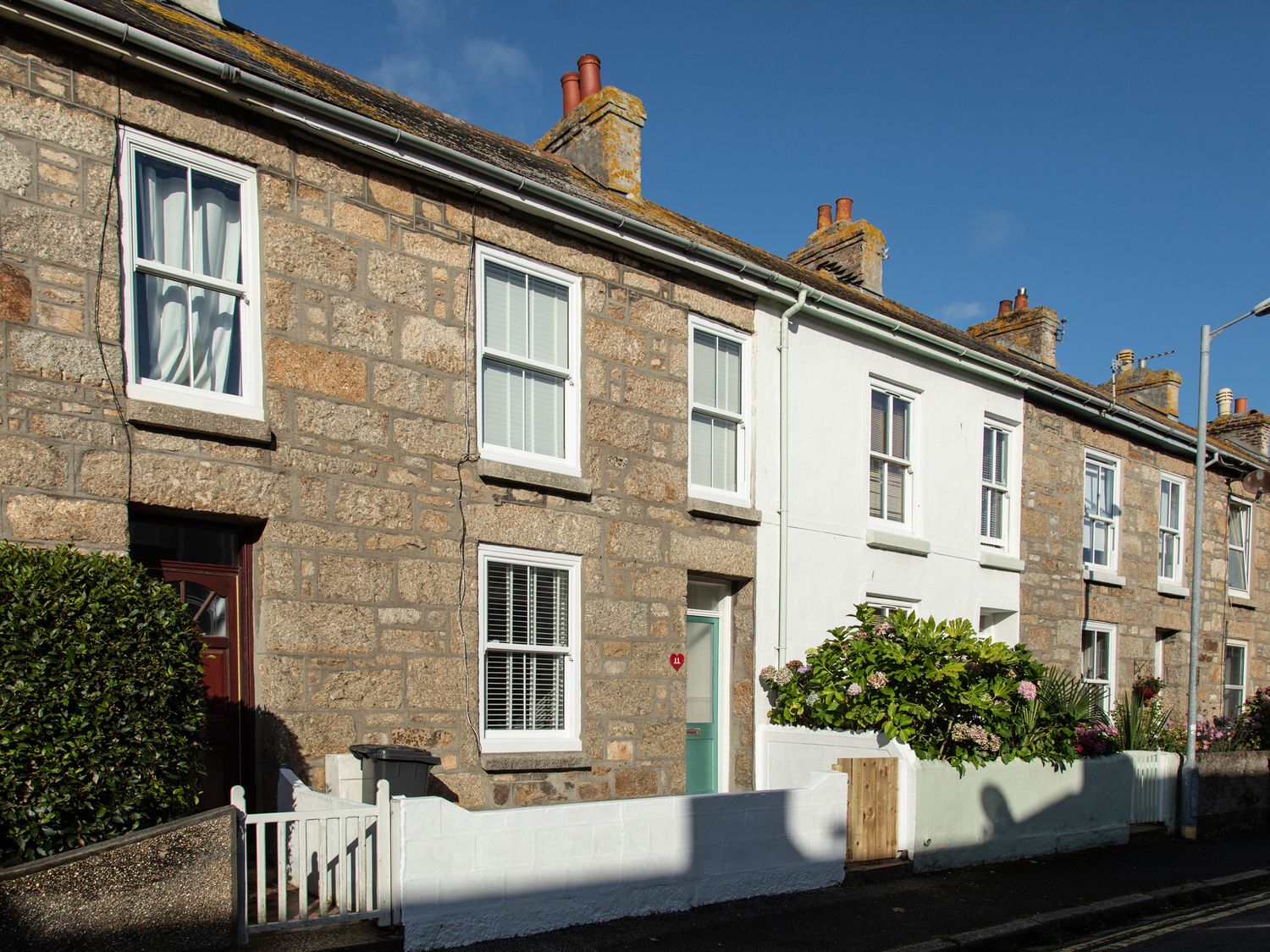
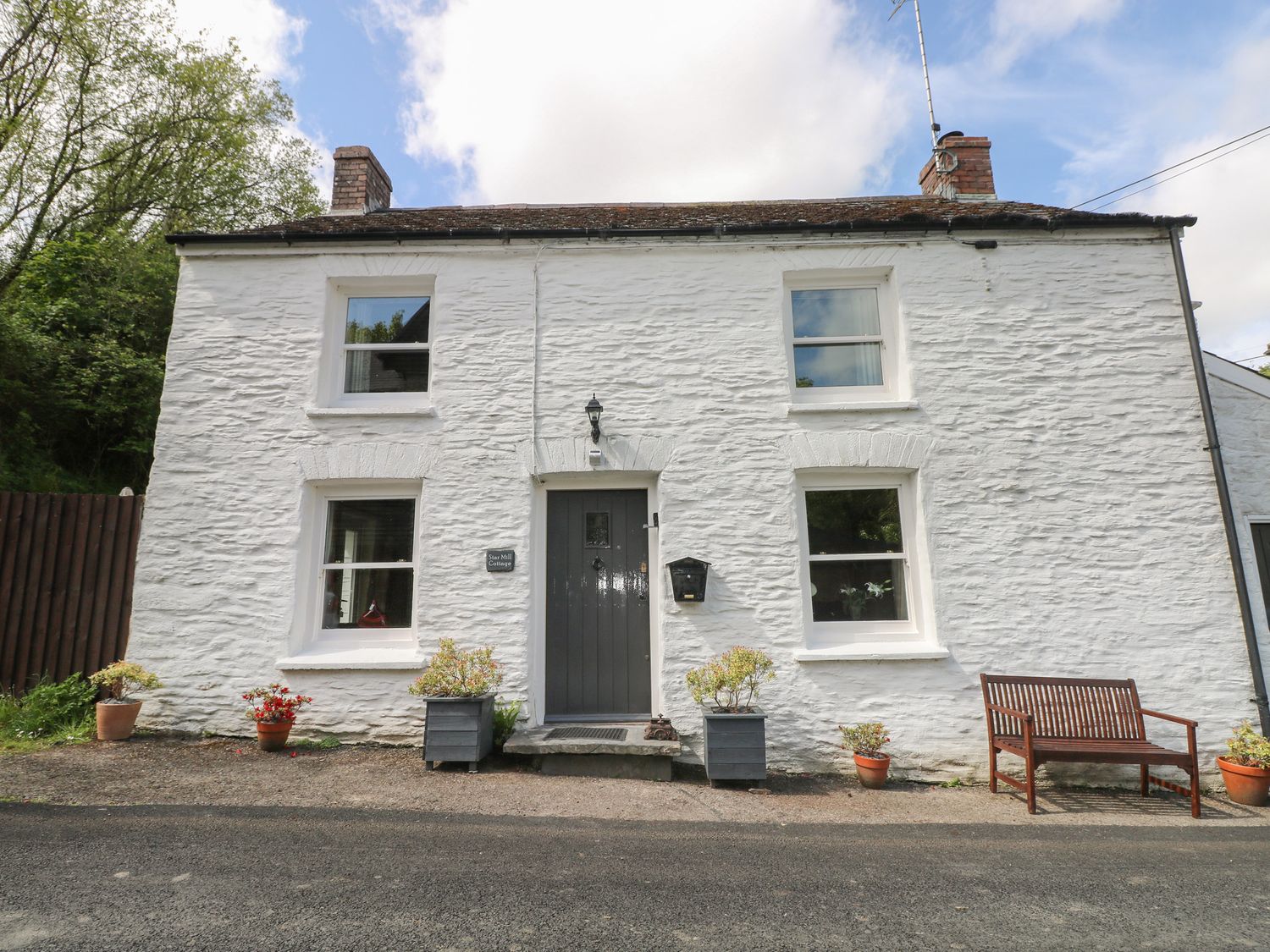
A contemporary apartment with private balconies just a short walk from Lusty Glaze beach.
Lift access.
All on the Fourth Floor:
Open plan living space.
Living area: Freeview TV, DVD Player, Step To Bi-Fold Doors Leading To Balcony
Dining area.
Kitchen area: Breakfast Bar, Electric Oven, Ceramic Hob, Microwave, Fridge/Freezer, Dishwasher, Washer Dryer
Bedroom 1: Super Kingsize (6ft) Bed, Bi-Fold Doors Leading To Balcony Ensuite: Cubicle Shower, Toilet
Bedroom 2: Double (4ft 6in) Bed, Step To Patio Doors Leding To Balcony
Bedroom 3: Single (3ft) Bed, Pull Out Single (3ft) Bed, Patio Doors Leading To Balcony
Bathroom: Bath With Shower Over, Toilet
Heating, electricity, bed linen, towels and Wi-Fi included. Balconies with outdoor furniture. Allocated parking for 2 cars. No smoking. Please note: This property has a security deposit of £200.
Open views of the magnificent coastline from the balcony makes this the perfect spot for an unbelievable holiday in Newquay. With 3 bedrooms and all of the home comforts you crave, you will find your peaceful Cornish haven right here at Lusty Glaze. The open plan living/dining area has 3 comfortable corner sofas, a flat screen TV and access to the balcony with captivating views of the gorgeous Newquay coastline. When you move across to the kitchen you’ll find a great breakfast bar with stools and everything you need to whip up some terrific meals. The main bedroom has en-suite facilities and a super kingsize bed, as well as its own balcony. The other two bedrooms, a double and a single with pull out trundle bed, each have easy balcony access.
While staying indoors is extremely tempting, the warm sunshine and the long list of interesting things to do in and around Newquay are likely to entice you outdoors more often than not. A few delightful hours on the nearby Lusty Glaze beach is an ideal way to start any day. Slightly further afield are more beaches, Blue Reef Aquarium, Newquay Zoo and plenty of other attractions waiting to make this a trip you won’t want to end
With its sweeping beaches, rugged moorlands, hidden woodlands, and rolling countryside estates, Cornwall is a superb destination if you want to spend some time bird watching on holiday.
One of the best spots is Hayle Estuary Nature Reserve, managed by the RSPB. This rich wetland habitat attracts a variety of birdlife, including teals, wigeons, and goosanders. While winter offers the highest numbers, spring and early summer also bring migrant waders such as oystercatchers, dunlins, and whimbrels to the tidal pools and marshes.
Marazion Marsh, also managed by the RSPB and overlooking the iconic St Michael’s Mount near Penzance, boasts Cornwall’s largest reedbed. It’s a haven for species like chiffchaffs, Cetti’s warblers, little egrets, and grey herons. Bitterns are regularly recorded here, and birds of prey, including sparrowhawks and buzzards, are often spotted too.
For a variety of songbirds and raptors, head to the Rame Peninsula near Cawsand. This beautiful area of tidal creeks, sandy beaches, and peaceful farmland attracts goldcrests, firecrests, warblers, and buntings. You may also glimpse birds of prey such as hobbies, merlins, peregrine falcons, and, if you’re lucky, the rare hen harrier.
At Stithians Lake, a large reservoir, breeding birds like little grebes, coots, and moorhens are common. Waders such as greenshanks, ruffs, and curlew sandpipers can also be seen foraging along the muddy banks.
Not far from St Ives, St Ives Island, actually a headland between Porthmeor and Porthgwidden beaches, is a top spot for seabird watching, especially in autumn. Huge flocks of skuas, terns, gannets, fulmars, and auks pass by, alongside waders like purple sandpipers, whimbrels, and turnstones.
Finally, no trip to Cornwall would be complete without exploring Bodmin Moor. This dramatic granite moorland, scattered with ancient ruins and rich in wildlife, is especially rewarding in spring and summer, when skylarks, stonechats, wheatears, and sedge warblers arrive to breed. In autumn and winter, the moor plays host to thousands of golden plovers, along with snipes and the more elusive jack snipe.