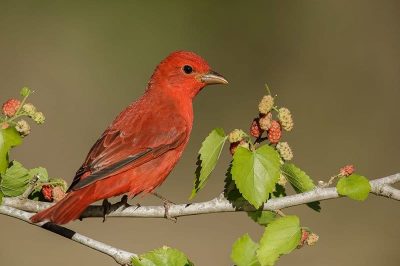
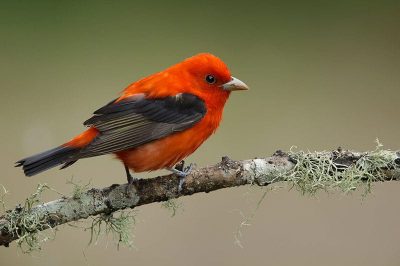
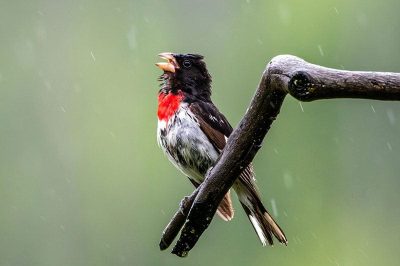
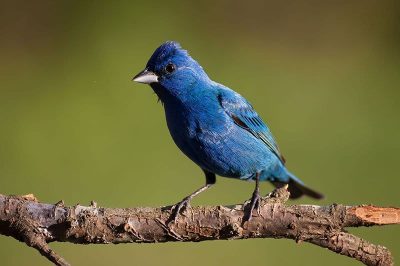
Cardinals and allies, also known as cardinal-grosbeaks and cardinal-buntings, are robust, medium-sized seed-eating birds with powerful, conical bills and relatively short tails. They are typically red, yellow, or blue often with a black head or mask, and some males have crests on their heads, resembling a Catholic cardinal’s biretta, which gives the family its name.
The colouration is acquired from carotenoid pigments in their diet which consists of seeds and fruit, although they will supplement their diet with insects in the winter and during breeding season. Cardinals exhibit a high degree of sexual dimorphism with females tending to be much duller than males. Juveniles are similar to females and males will develop brighter coloured plumage as they mature.
Cardinals are found in North and South America usually in open woodland, coniferous forests, bushy areas, and hedgerows. They are typically monogamous and build cup-shaped nests in dense vegetation. Females usually incubate the eggs alone, but in some species males may share rearing duties.
There are 49 species of cardinals and allies worldwide, 4 of which are found in the UK.
Species marked with a are occasional visitors.