

Forming part of the River Ant, Barton Broad is a large lake that supports a rich variety of aquatic wildlife and birds.
Monday | Dawn till dusk |
|---|---|
Tuesday | Dawn till dusk |
Wednesday | Dawn till dusk |
Thursday | Dawn till dusk |
Friday | Dawn till dusk |
Saturday | Dawn till dusk |
Sunday | Dawn till dusk |
Adults – free, but donations are welcome
Children – free, but donations are welcome
Barton Broad and Marshes is the second-largest of the Norfolk Broads. It was originally dug out in the Middle Ages by the monks of St Benet’s Abbey to extract peat, which was used as fuel. In the 1700s, the River Ant was diverted to flow through Barton, creating an important navigation route.
Believed to be the place where Lord Nelson learned to sail before joining the navy at the age of 12, Barton Broad was once renowned for its crystal-clear waters and rich diversity of aquatic plants.
However, during the 20th century, water quality deteriorated significantly due to pollution from sewage treatment works and agricultural fertilisers. Rising nitrate and phosphate levels led to an increase in microscopic algae, turning the water a deep green and reducing biodiversity.
In 1945, the Norfolk Wildlife Trust purchased Barton Broad, and since then, restoration efforts have helped the area recover. A major project, Clear Water 2000, began in 1995, removing 305,000 cubic metres of sediment and temporarily relocating fish such as pike and perch. With fewer fish to prey on them, water fleas thrived, naturally clearing the algae and improving water clarity.
As a result, fish, invertebrates, and aquatic plants have made a remarkable comeback, and Barton Broad is also home to a diverse range of birds throughout the year.
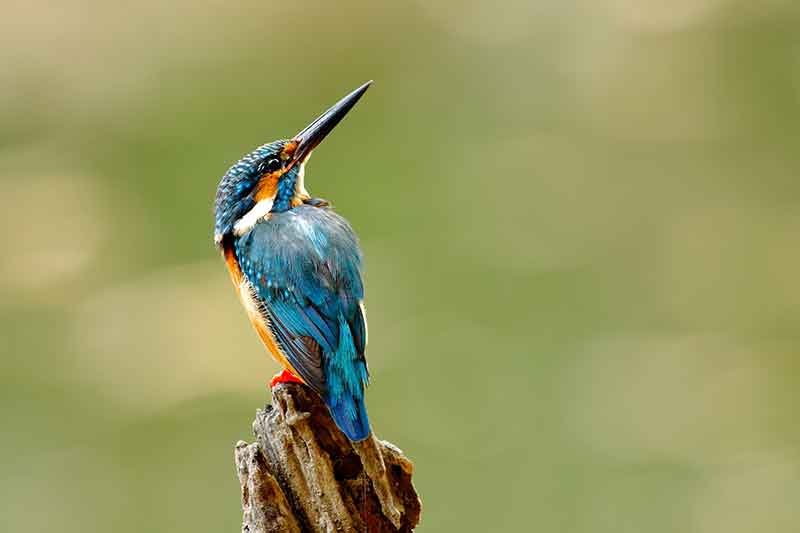
In spring look out for the dazzling blue flash of kingfishers skimming the water, while marsh harriers can be seen displaying above. The surrounding farmland attracts yellowhammers and reed buntings, and the wet woodlands are home to blue tits, marsh tits, treecreepers, nuthatches, bullfinches, and greenfinches.
Over summer common terns nest on artificial rafts, while Arctic terns, black terns, and little gulls pass through. Great crested grebes perform their elegant courtship displays, and reed and sedge warblers can be seen among the reeds. Birds of prey such as hobbies, peregrine falcons, buzzards, and sparrowhawks hunt over the reserve, while wallows and sand martins swoop low over the water, catching insects. In autumn, ospreys occasionally stop over during their migration to Africa.
Large flocks of waterfowl arrive in winter, including goldeneyes, pochards, tufted ducks, teals, common mergansers, smews, scaups, long-tailed ducks, black-necked grebes, and great northern divers. Noisy swans and pink-footed geese fly overhead, while water rails, bitterns, and woodcocks remain hidden among the vegetation.
A raised wooden boardwalk, accessible for wheelchairs, allows visitors to explore the marsh and woodland and enjoy views from a dedicated platform. However, the boardwalk may be closed during severe storms due to the risk of falling branches, and sections may become flooded after heavy rainfall.
The main car park is located between the villages of Neatishead and Irstead, next to the Old Rectory, about half a mile from the boardwalk entrance. A few disabled parking spaces are available near the start of the trail. The northern part of the Broad can also be accessed by boat from Barton Turf Staithe. Accessible toilets with baby-changing facilities are available near the main car park.
Please note, dogs are not allowed on the reserve. Well-behaved dogs are welcome on the overnight moorings and the path from there to Barton Turf Staithe, but must be kept under effective control.


Jan
Feb
Mar
Apr
May
Jun
Jul
Aug
Sep
Oct
Nov
Dec
J
F
M
A
M
J
J
A
S
O
N
D
For seasonal opening times, further information about facilities, and any restrictions, please visit the site’s website for full details.


