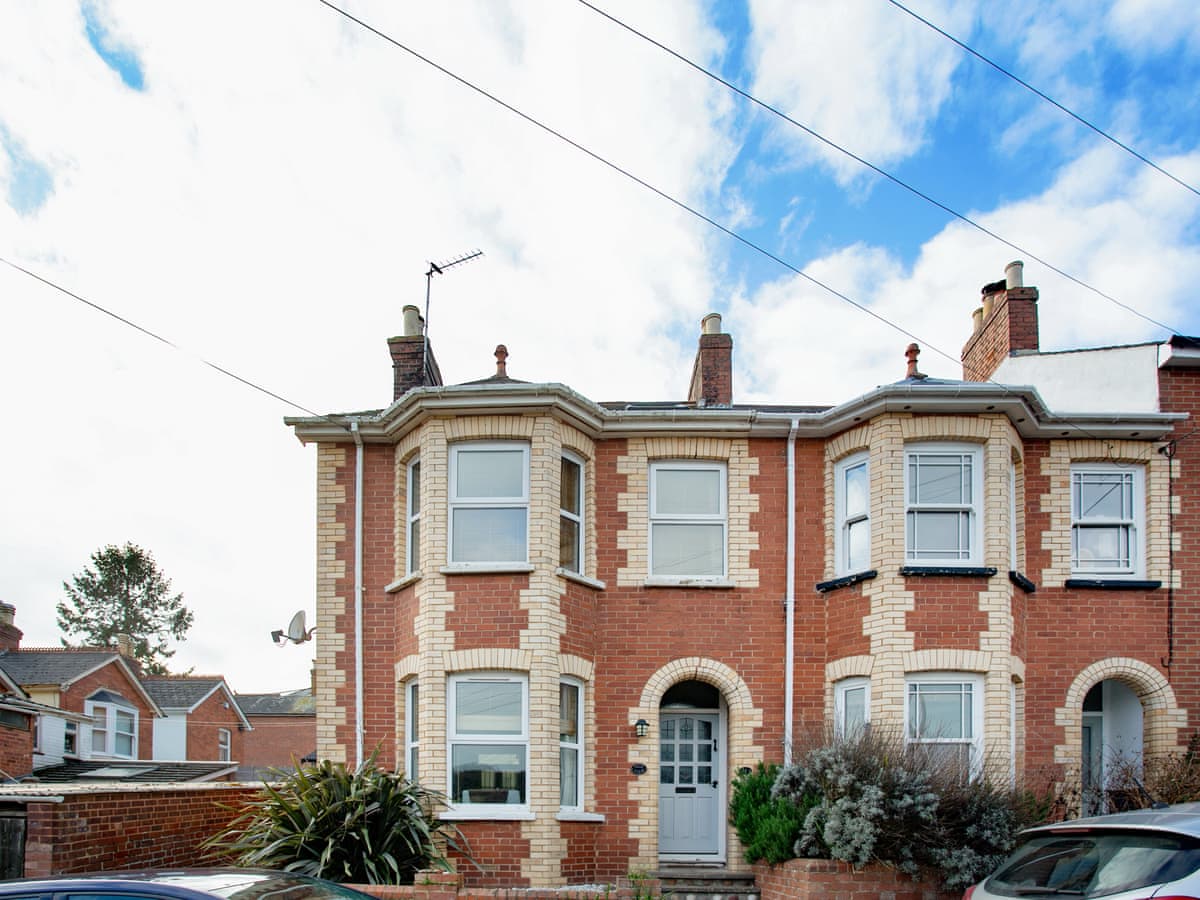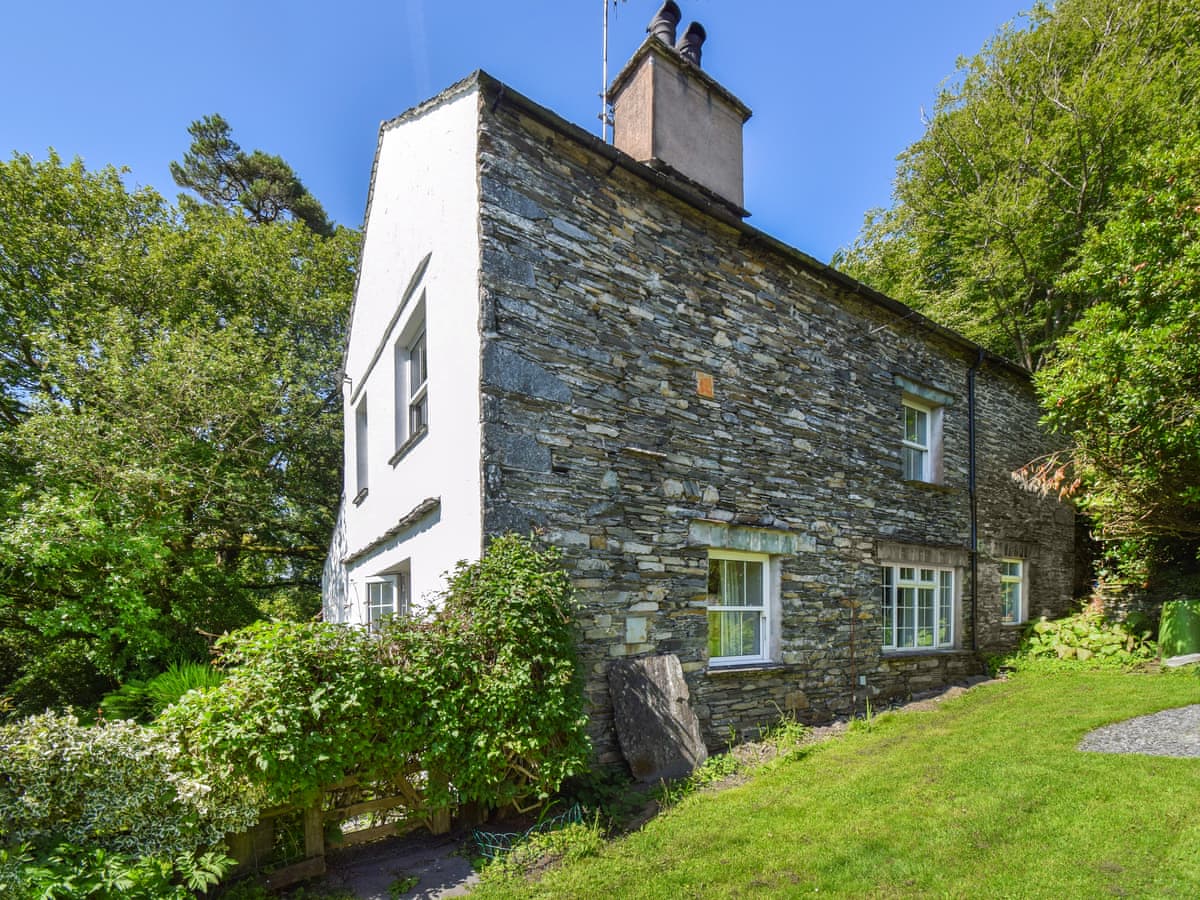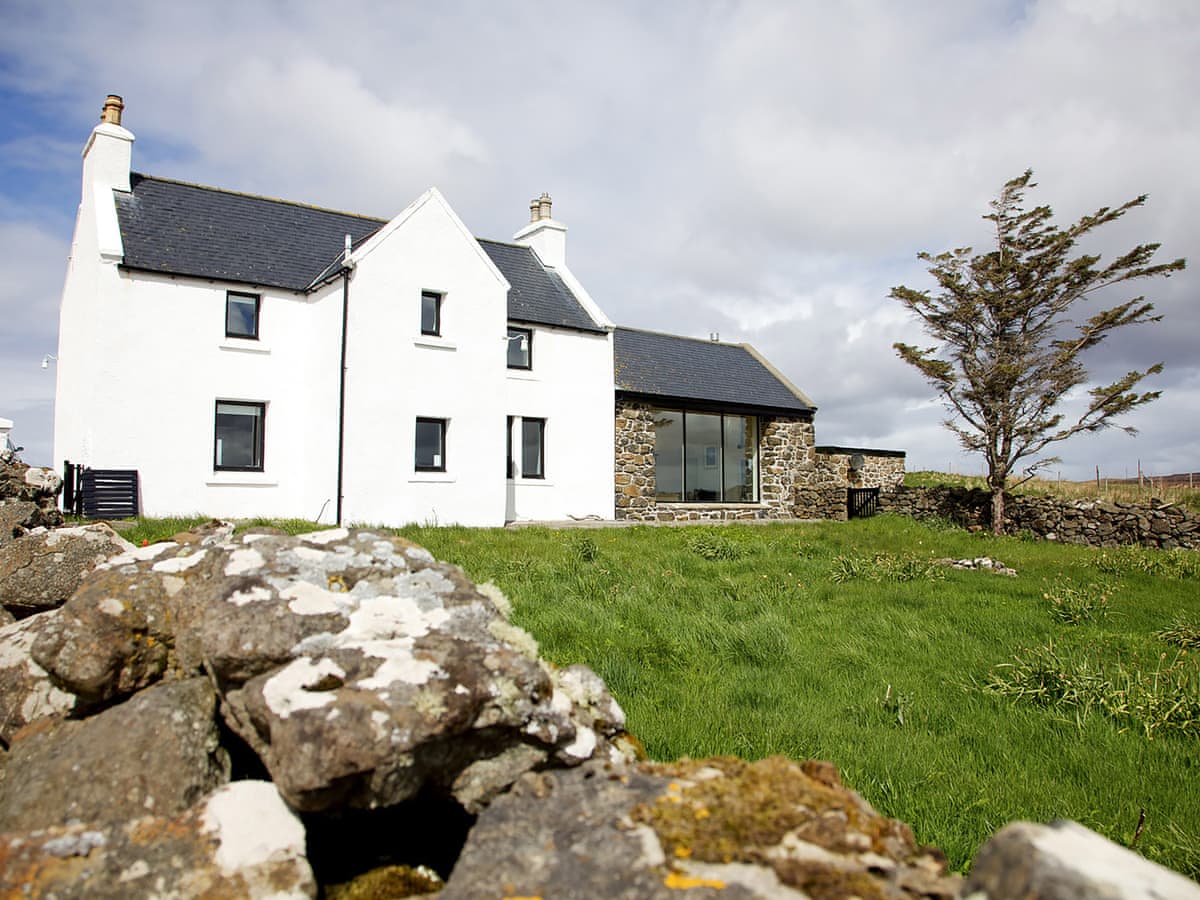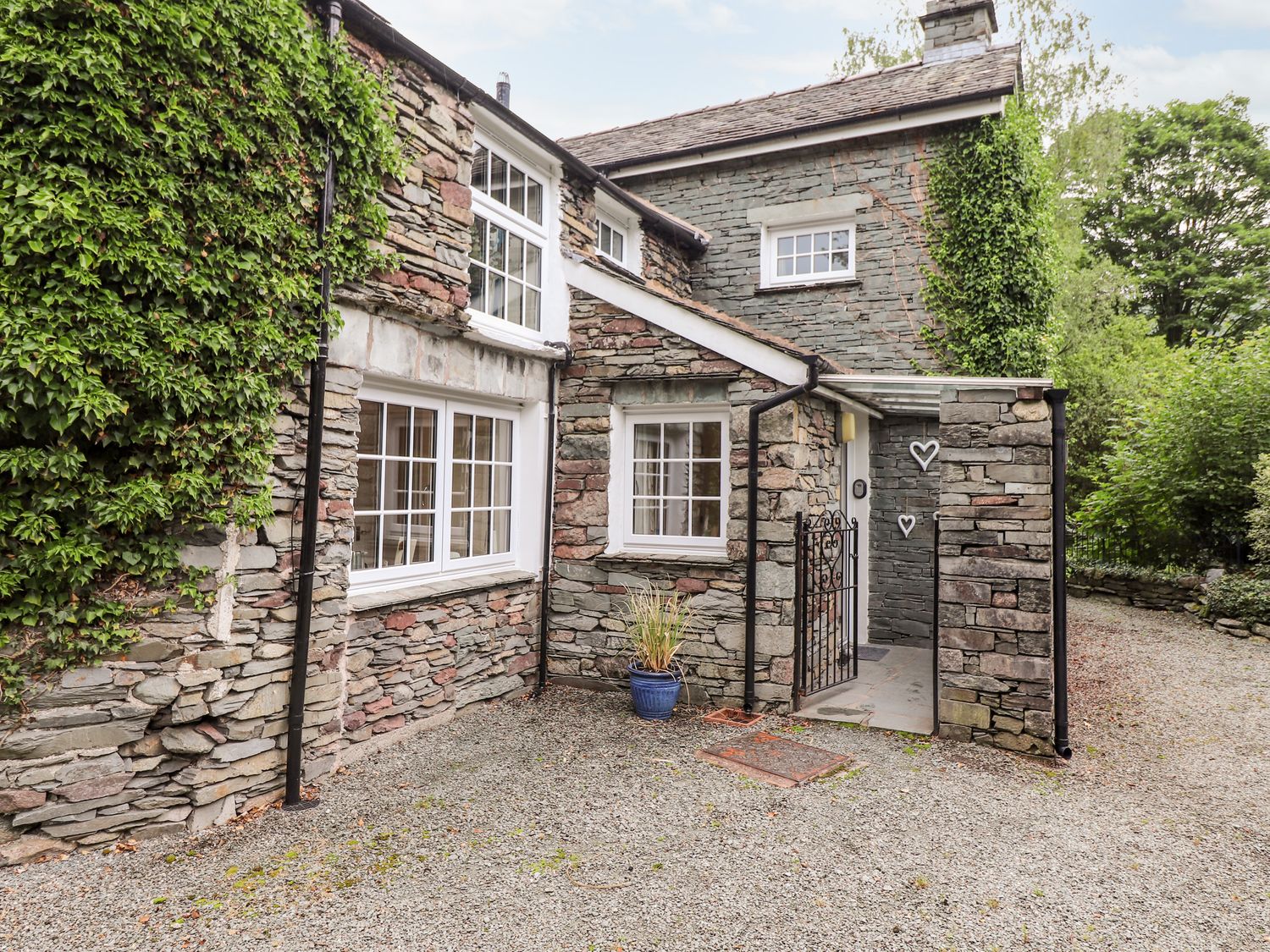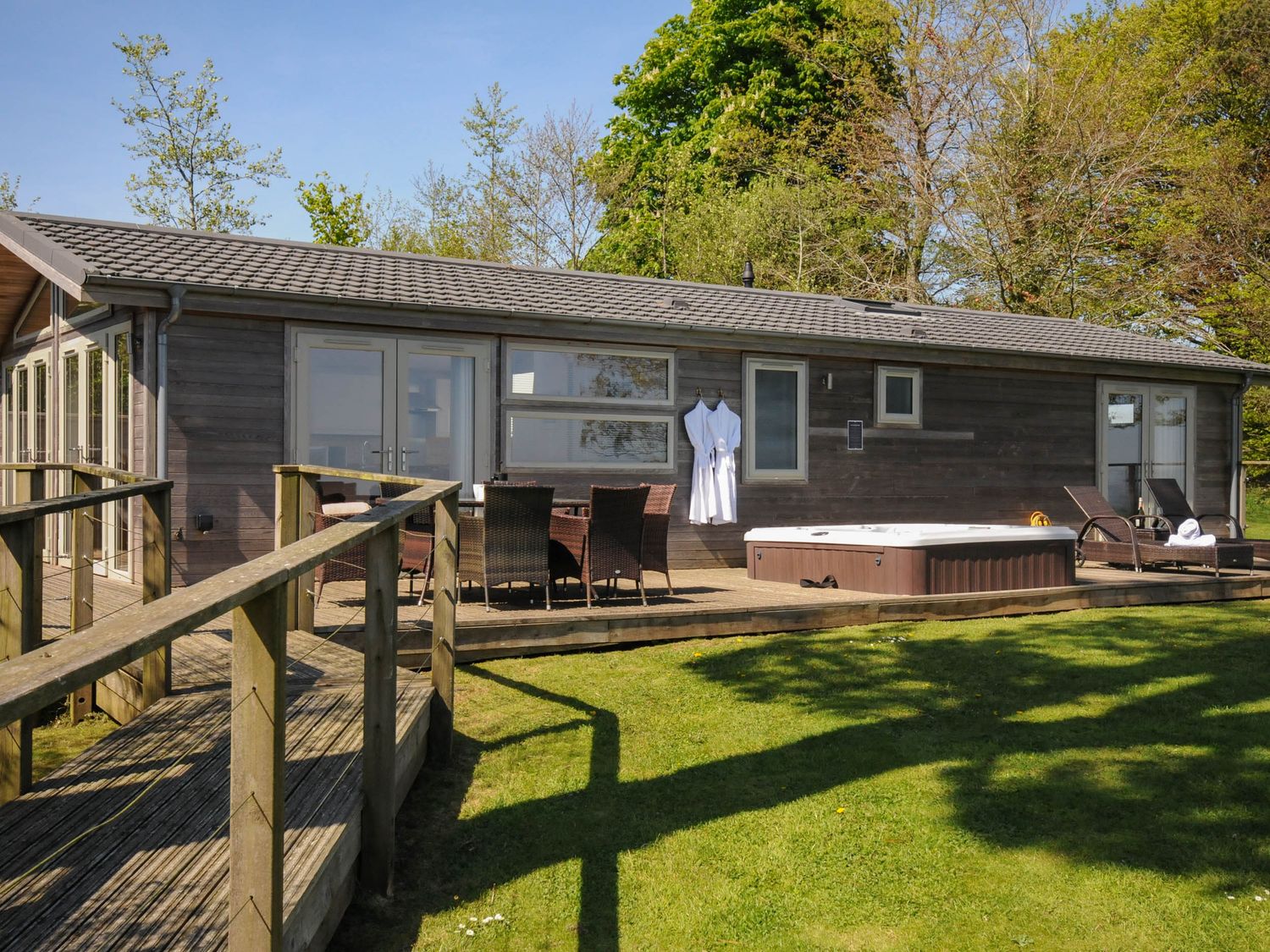
Single-storey. Three bedrooms: 1 x king-size with TV and en-suite walk-in shower, basin, heated towel rail, and WC, 2 x twin (zip/link, can be double on request). Bathroom with bath, shower over, basin, heated towel rail, and WC. Open-plan living space with kitchen, dining area and sitting area
The living areas in this single-storey lodge consist of an open-plan kitchen, dining area and sitting area with an oven, hob, microwave, fridge/freezer, washer/dryer, dishwasher, and TV. The bedrooms consist of a king-size with TV and en-suite, and two twins (zip/link) with a bathroom. Outside there is a garden with lawn, decking, furniture, hot tub, and ample off-road parking. This is a pet-free and smoke-free property. You’ll find a shop in 0.3 miles and a pub in 0.4 miles. 10 Faraway Fields is a wonderful base for an escape to Cornwall. Note: Check-in from 4pm, check-out by 10am. Note: Barbecues are not to be brought to the site. Note: Pets to be kept on a lead at all times on site. Note: The charging of electric vehicles is not permitted. Note: Sunday arrivals are not permitted. Please note that the ponds and surrounding reed beds form an important natural habitat for local wildlife. During the bird nesting season, typically between March and September, the reeds may appear more established than shown in some website photographs. In line with the Wildlife and Countryside Act 1981, vegetation management may be restricted during this period to help protect nesting birds and other wildlife. We appreciate your understanding as we work to preserve the natural environment and biodiversity of the site for both wildlife and guests to enjoy.
Note: Sunday arrivals are not permitted.
Please note that the ponds and surrounding reed beds form an important natural habitat for local wildlife. During the bird nesting season, typically between March and September, the reeds may appear more established than shown in some website photographs. In line with the Wildlife and Countryside Act 1981, vegetation management may be restricted during this period to help protect nesting birds and other wildlife. We appreciate your understanding as we work to preserve the natural environment and biodiversity of the site for both wildlife and guests to enjoy.
With its sweeping beaches, rugged moorlands, hidden woodlands, and rolling countryside estates, Cornwall is a superb destination if you want to spend some time bird watching on holiday.
One of the best spots is Hayle Estuary Nature Reserve, managed by the RSPB. This rich wetland habitat attracts a variety of birdlife, including teals, wigeons, and goosanders. While winter offers the highest numbers, spring and early summer also bring migrant waders such as oystercatchers, dunlins, and whimbrels to the tidal pools and marshes.
Marazion Marsh, also managed by the RSPB and overlooking the iconic St Michael’s Mount near Penzance, boasts Cornwall’s largest reedbed. It’s a haven for species like chiffchaffs, Cetti’s warblers, little egrets, and grey herons. Bitterns are regularly recorded here, and birds of prey, including sparrowhawks and buzzards, are often spotted too.
For a variety of songbirds and raptors, head to the Rame Peninsula near Cawsand. This beautiful area of tidal creeks, sandy beaches, and peaceful farmland attracts goldcrests, firecrests, warblers, and buntings. You may also glimpse birds of prey such as hobbies, merlins, peregrine falcons, and, if you’re lucky, the rare hen harrier.
At Stithians Lake, a large reservoir, breeding birds like little grebes, coots, and moorhens are common. Waders such as greenshanks, ruffs, and curlew sandpipers can also be seen foraging along the muddy banks.
Not far from St Ives, St Ives Island, actually a headland between Porthmeor and Porthgwidden beaches, is a top spot for seabird watching, especially in autumn. Huge flocks of skuas, terns, gannets, fulmars, and auks pass by, alongside waders like purple sandpipers, whimbrels, and turnstones.
Finally, no trip to Cornwall would be complete without exploring Bodmin Moor. This dramatic granite moorland, scattered with ancient ruins and rich in wildlife, is especially rewarding in spring and summer, when skylarks, stonechats, wheatears, and sedge warblers arrive to breed. In autumn and winter, the moor plays host to thousands of golden plovers, along with snipes and the more elusive jack snipe.