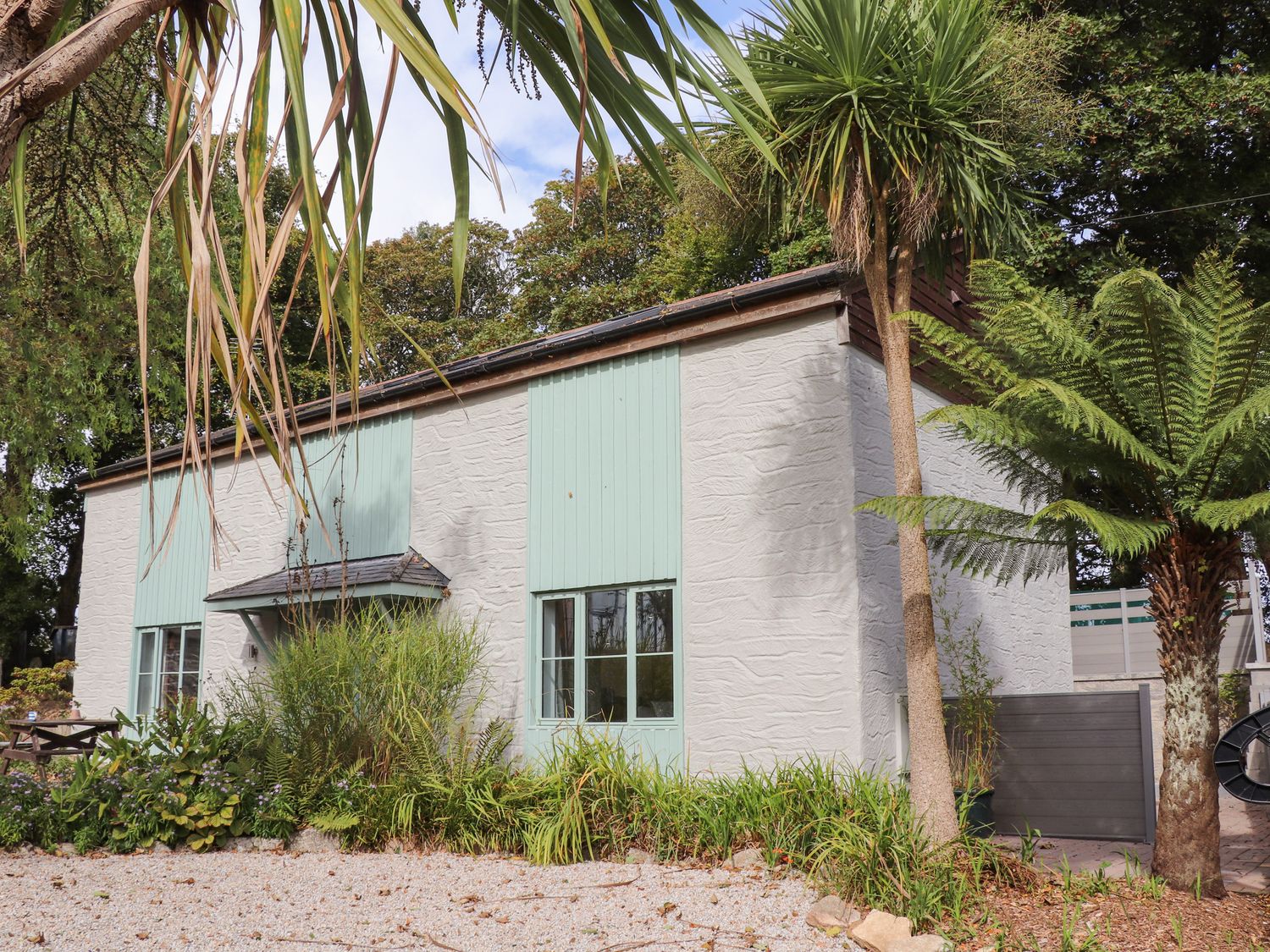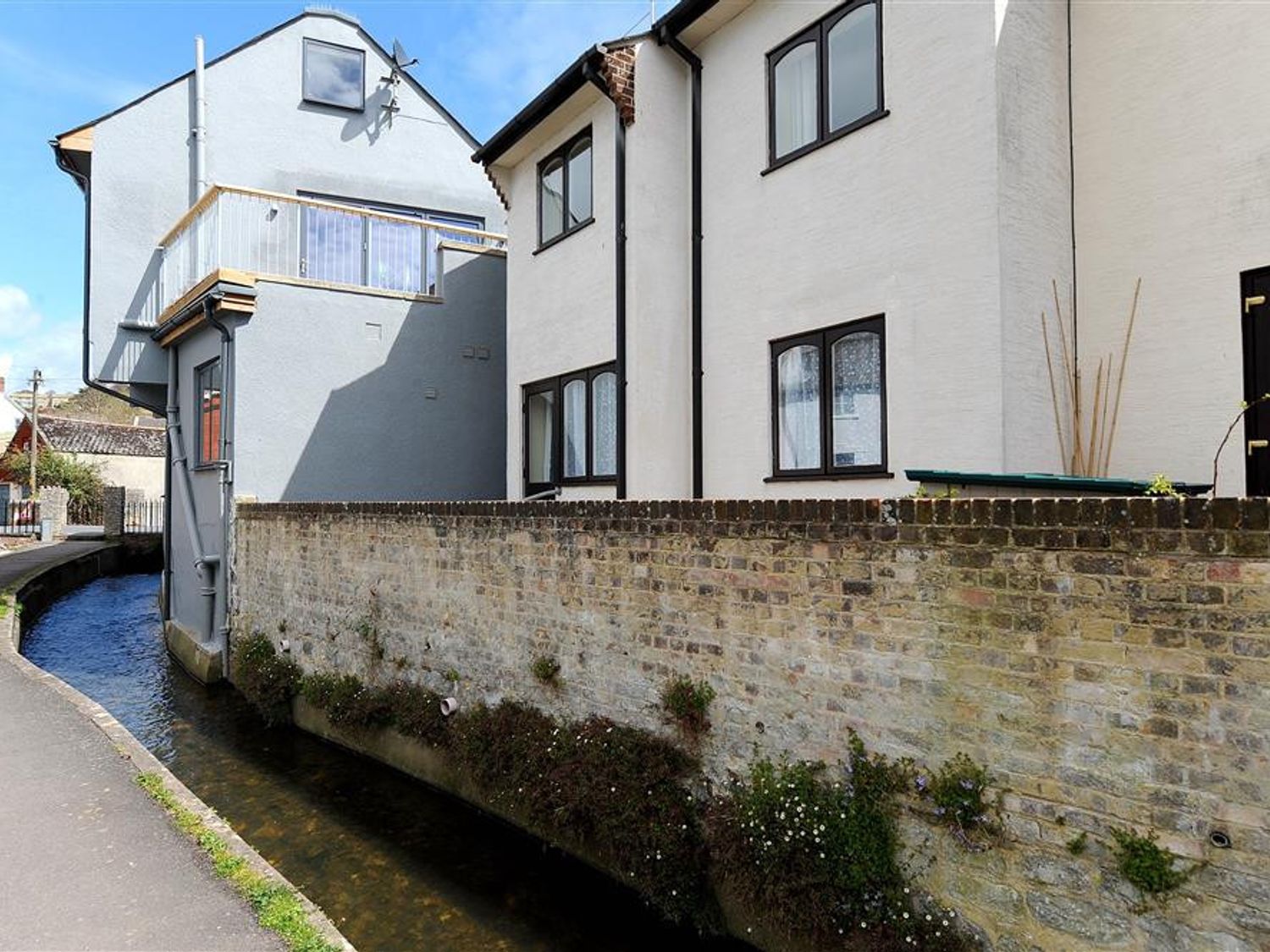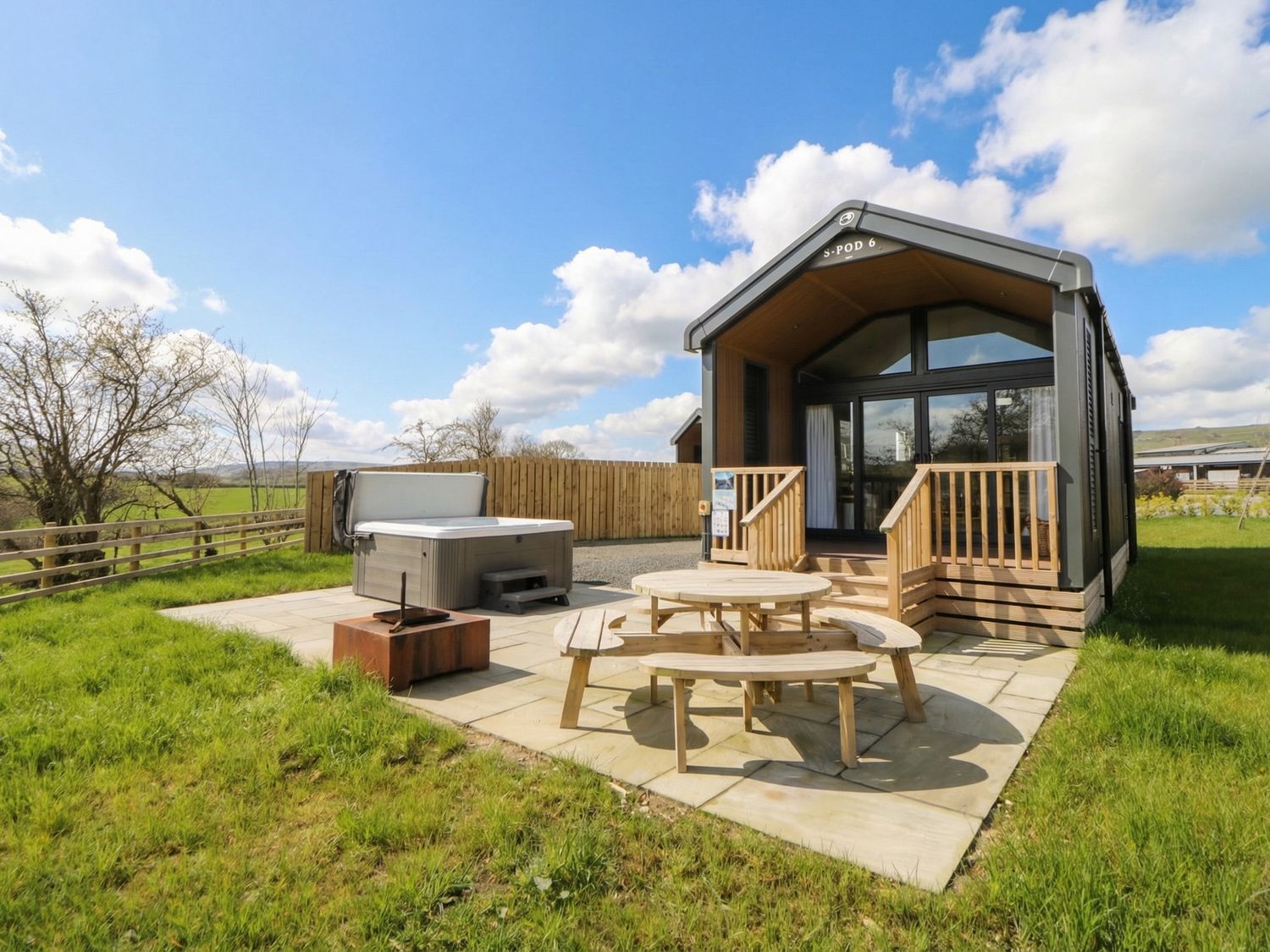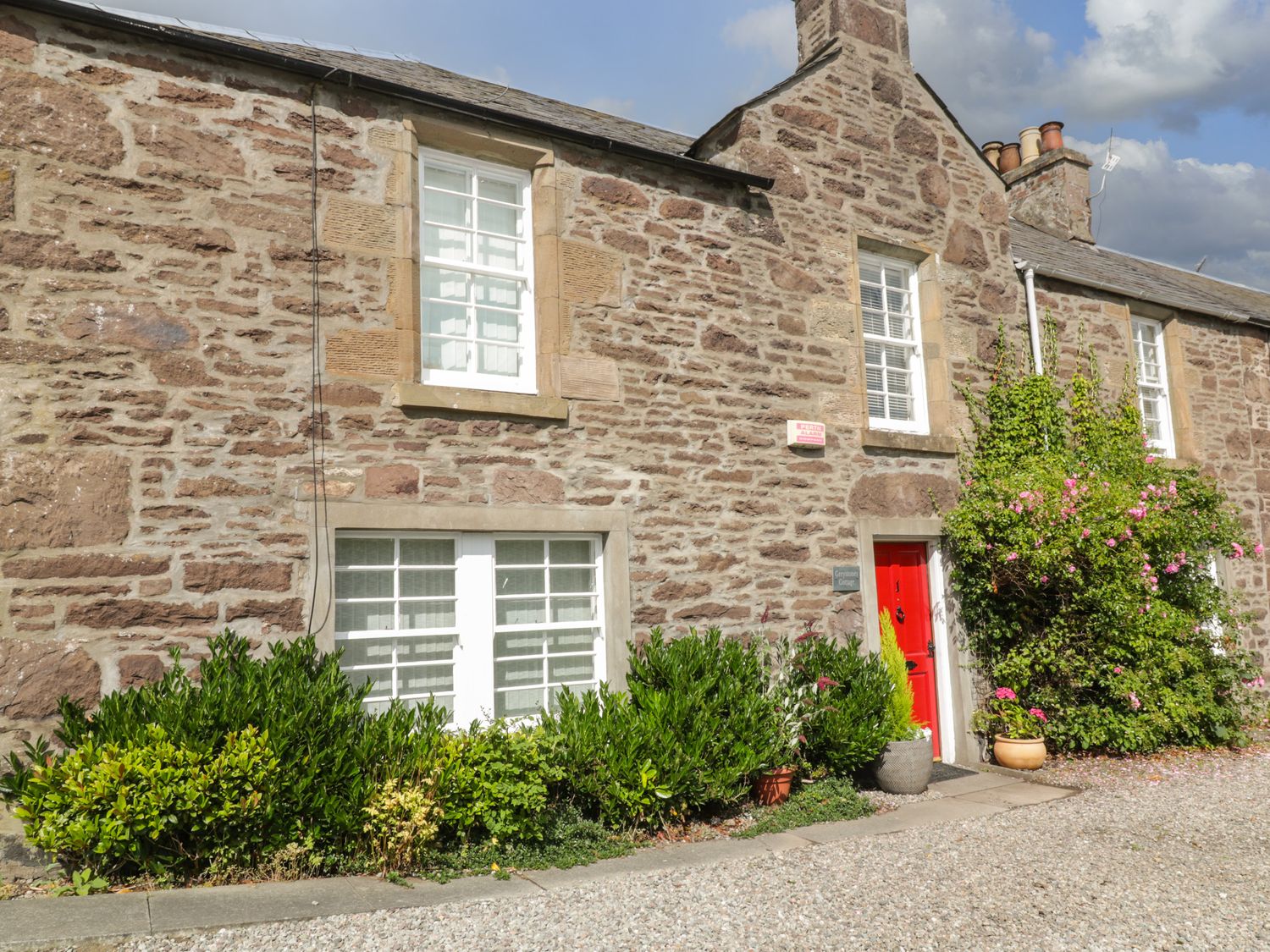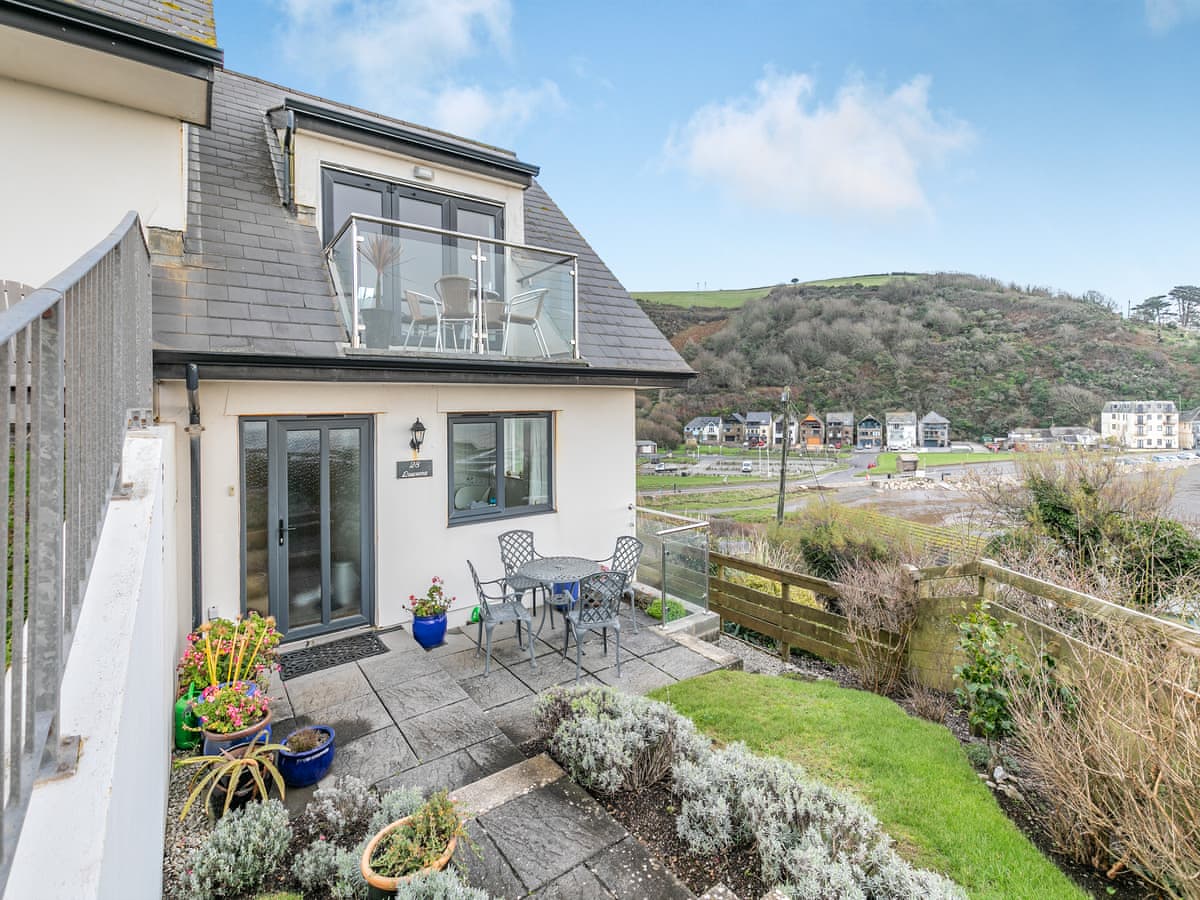
A beautiful Mediterranean-style house in a peaceful setting, with superb views over the sea.
Ground Floor:
Bedroom 1: Double (4ft 6in) Bed
Bedroom 2: 2 x Single (3ft) Beds
Bathroom: Bath With Shower Over, Cubicle Shower, Heated Towel Rail, Toilet
First Floor:
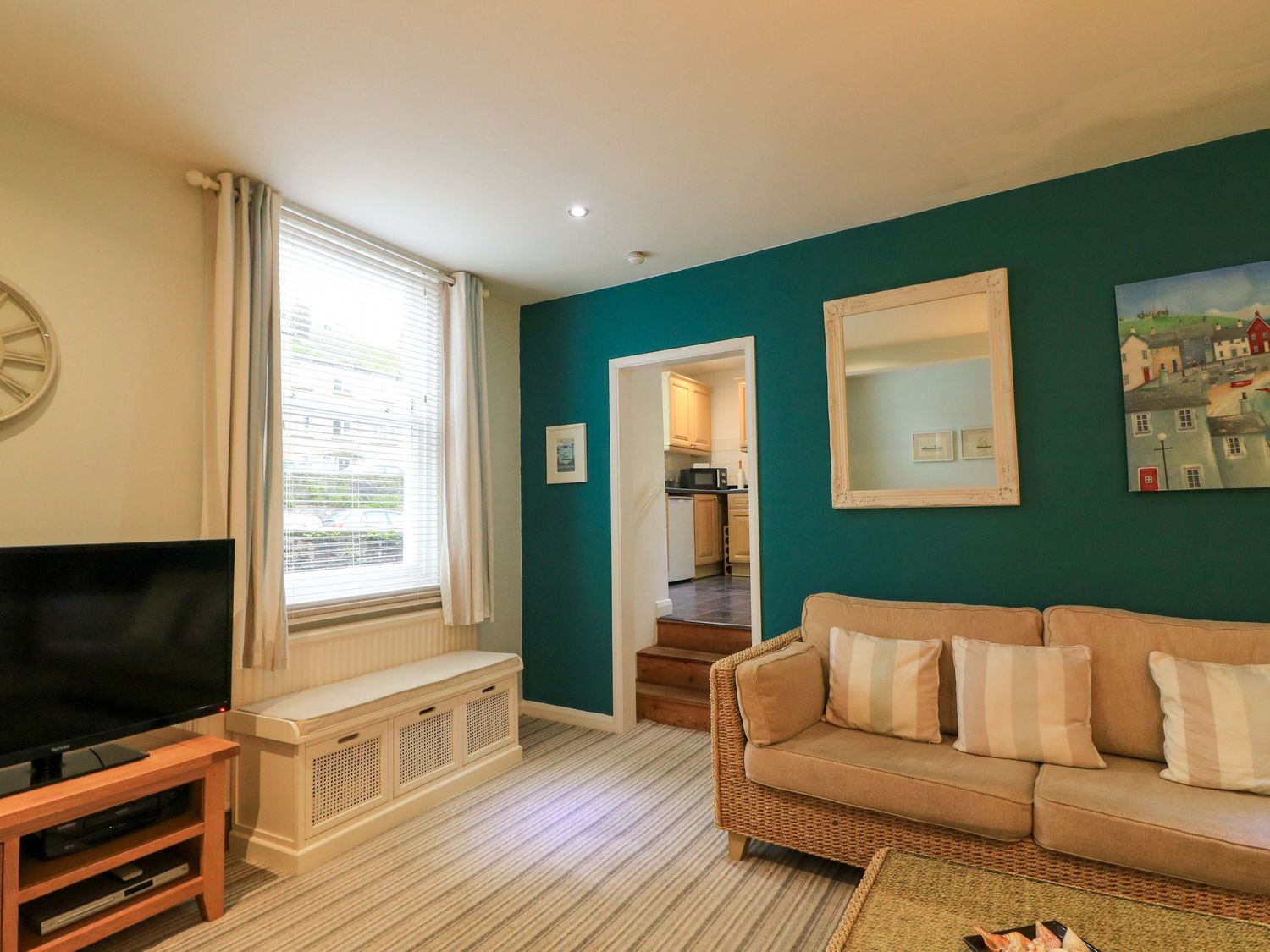
Open plan living space.
Living area: 43″ TV, Freesat, Smart TV, Bluray Player, DVD Player, DVDs, Bi-Fold Doors Leading To Balcony
Dining area.
Kitchen area: 2 x Electric Oven, Electric Hob, Microwave, Fridge, Freezer, Dishwasher
Underfloor heating, electricity, bed linen, towels and Wi-Fi included. Laundry facilities (coin-operated, shared with other apartments on-site). Balcony with outdoor furniture. Front terrace. Rear patio. Garden (shared with other apartments on-site). Private parking for 1 car. No smoking.
Mount Brioni is a collection of Mediterranean-style self-catering apartments and houses, situated in the village of Seaton on the coast of South Cornwall. 28 Mount Brioni is an end of terrace house which benefits from a dual aspect and stunning sea views.
Thoughtfully designed to an exceptional standard, all of the properties benefit from lavish internal fixtures and fittings to ensure your stay is truly special. Features, such as the underfloor central heating system, which is fuelled by a green ‘air exchange unit’, help to ensure that whilst you enjoy your stay, you don’t leave a large carbon footprint in the sand. The apartments are set in beautiful south-facing gardens providing a relaxing retreat from the stress of everyday life.
For those wishing to explore the area, the coastal path is within yards of the grounds, and guests can stroll 100 yards down to the beach, which has a small river running across it, and rock pools ideal for crabbing. The beach is a popular spot to fish from throughout the year.
Seaton itself has a pub, bistro, shop and beach café. With the recent sinking of the Scylla frigate in Whitsand Bay, Seaton is popular with divers. Nearby there is a country park in the river valley, offering excellent walks through the nature reserve, children’s adventure playground and places to picnic. For the keen golfer, there are challenging courses at Looe and Whitsand Bay.
With its sweeping beaches, rugged moorlands, hidden woodlands, and rolling countryside estates, Cornwall is a superb destination if you want to spend some time bird watching on holiday.
One of the best spots is Hayle Estuary Nature Reserve, managed by the RSPB. This rich wetland habitat attracts a variety of birdlife, including teals, wigeons, and goosanders. While winter offers the highest numbers, spring and early summer also bring migrant waders such as oystercatchers, dunlins, and whimbrels to the tidal pools and marshes.
Marazion Marsh, also managed by the RSPB and overlooking the iconic St Michael’s Mount near Penzance, boasts Cornwall’s largest reedbed. It’s a haven for species like chiffchaffs, Cetti’s warblers, little egrets, and grey herons. Bitterns are regularly recorded here, and birds of prey, including sparrowhawks and buzzards, are often spotted too.
For a variety of songbirds and raptors, head to the Rame Peninsula near Cawsand. This beautiful area of tidal creeks, sandy beaches, and peaceful farmland attracts goldcrests, firecrests, warblers, and buntings. You may also glimpse birds of prey such as hobbies, merlins, peregrine falcons, and, if you’re lucky, the rare hen harrier.
At Stithians Lake, a large reservoir, breeding birds like little grebes, coots, and moorhens are common. Waders such as greenshanks, ruffs, and curlew sandpipers can also be seen foraging along the muddy banks.
Not far from St Ives, St Ives Island, actually a headland between Porthmeor and Porthgwidden beaches, is a top spot for seabird watching, especially in autumn. Huge flocks of skuas, terns, gannets, fulmars, and auks pass by, alongside waders like purple sandpipers, whimbrels, and turnstones.
Finally, no trip to Cornwall would be complete without exploring Bodmin Moor. This dramatic granite moorland, scattered with ancient ruins and rich in wildlife, is especially rewarding in spring and summer, when skylarks, stonechats, wheatears, and sedge warblers arrive to breed. In autumn and winter, the moor plays host to thousands of golden plovers, along with snipes and the more elusive jack snipe.