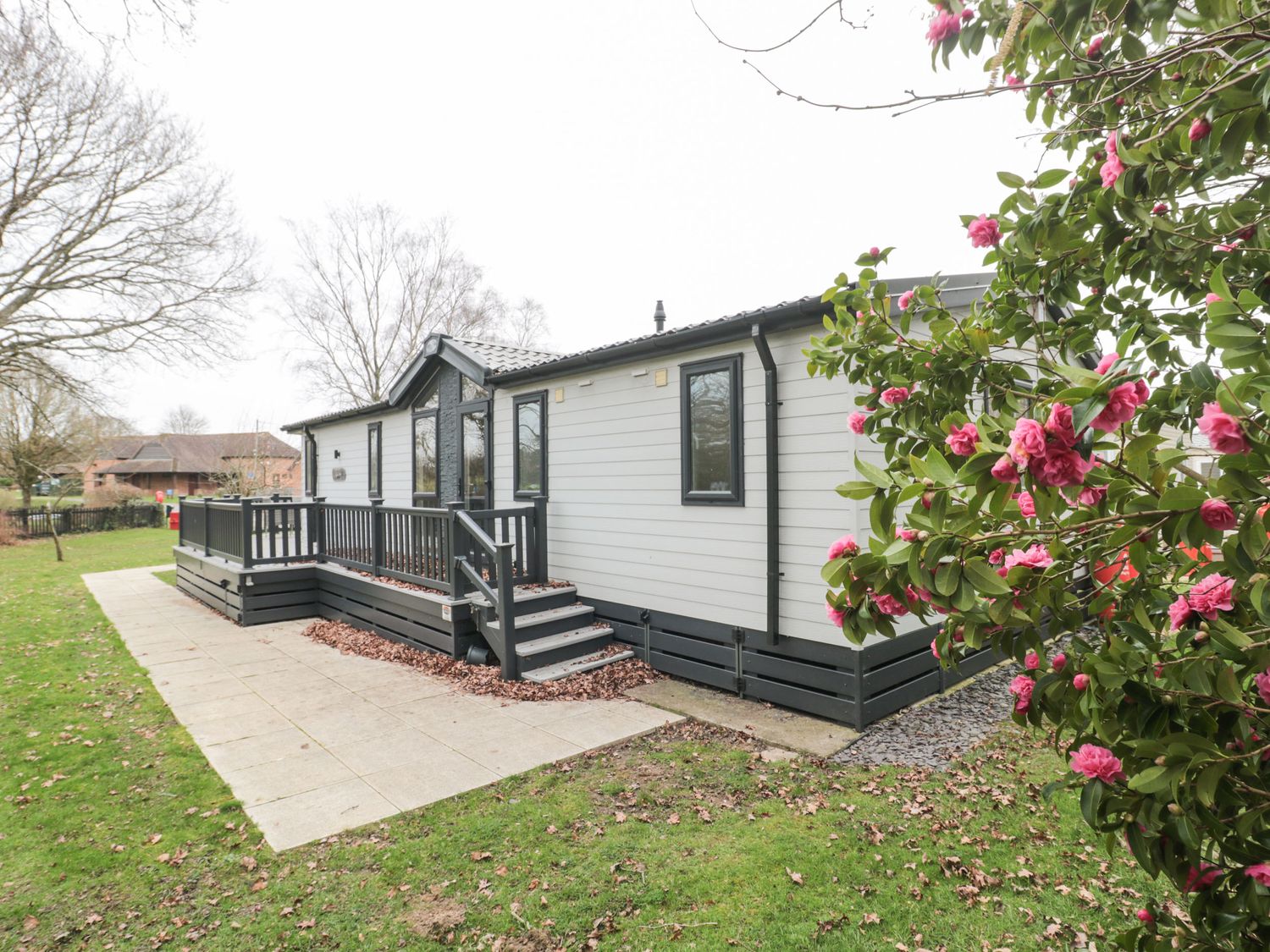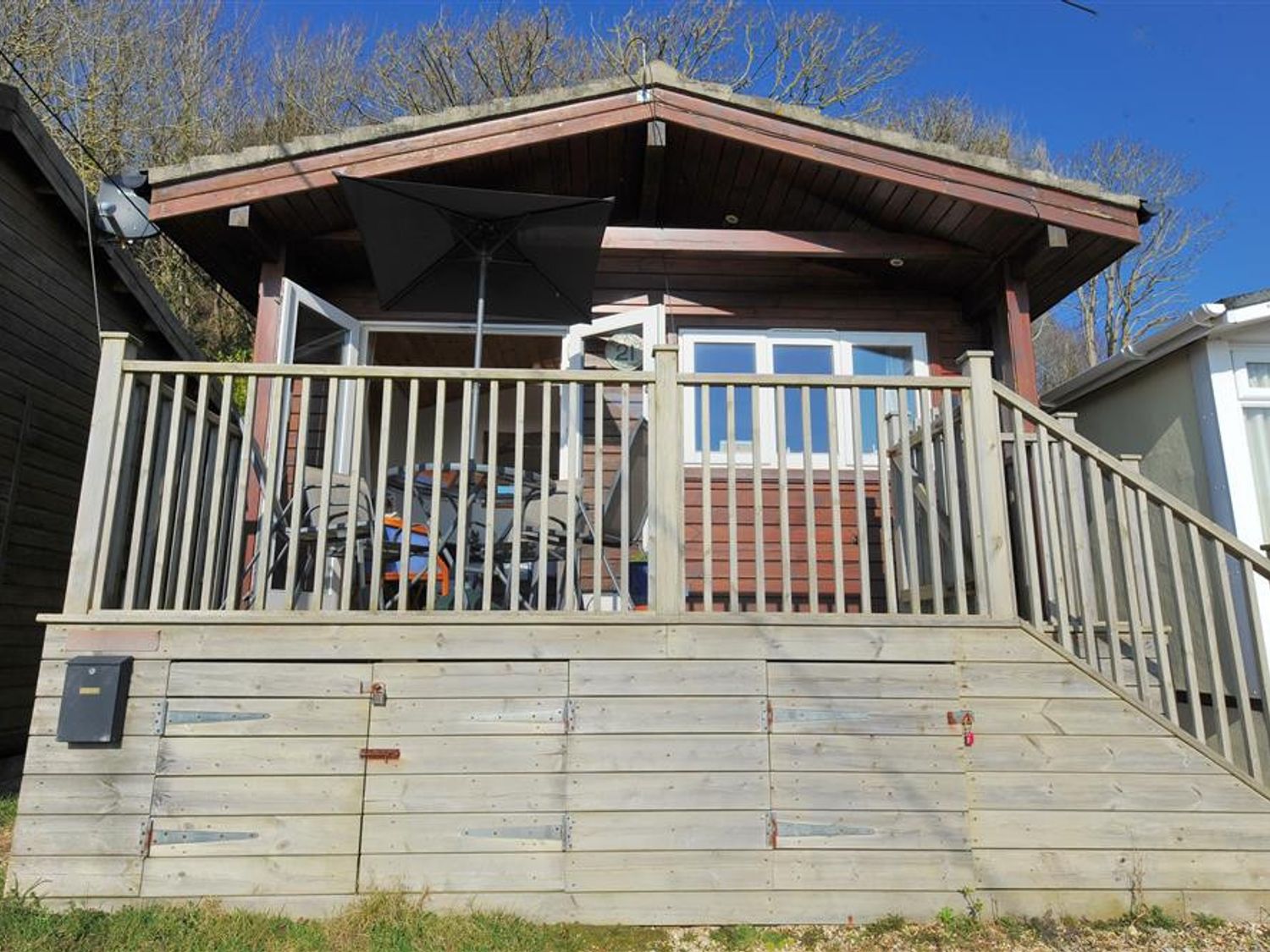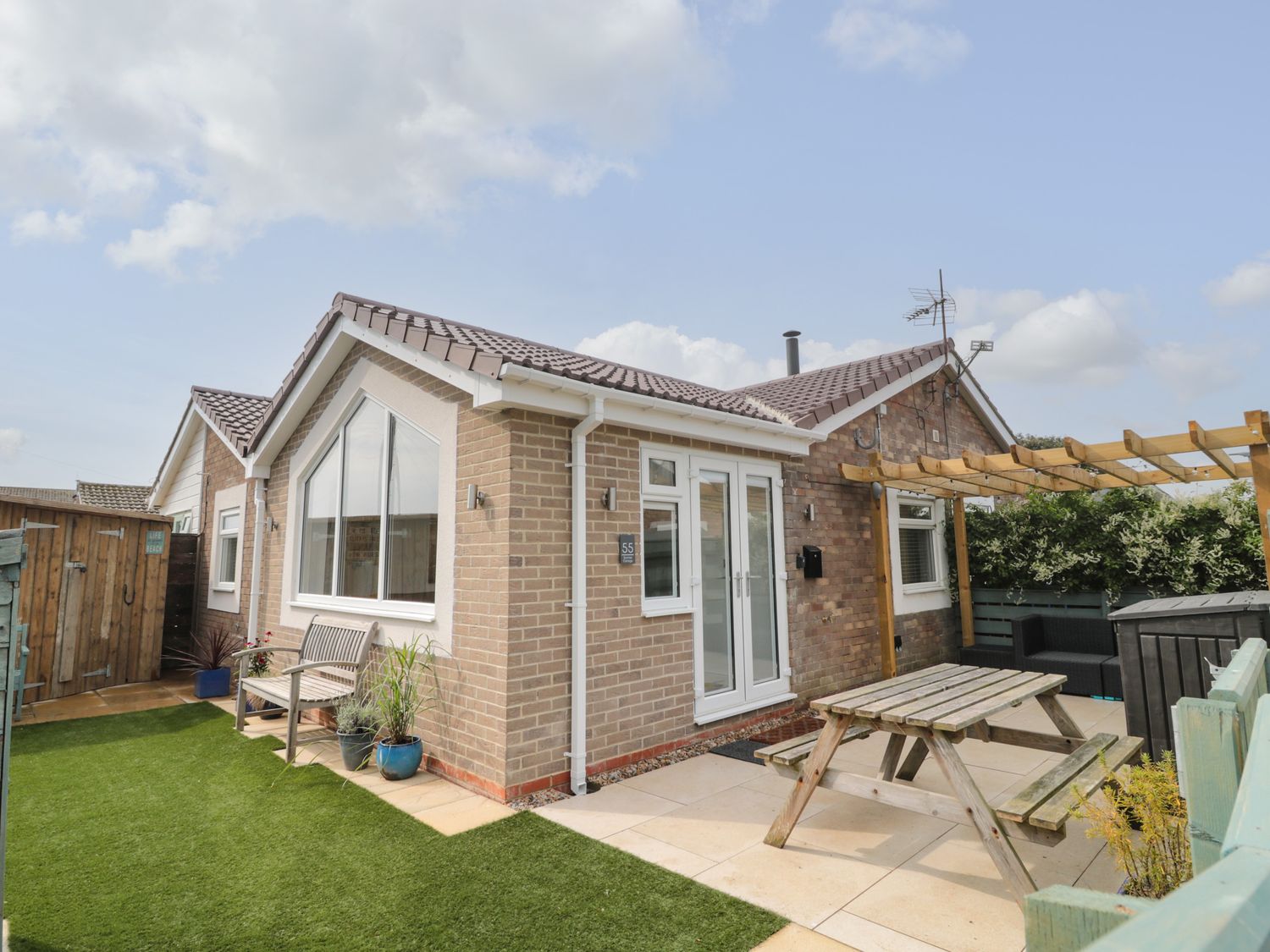
This two bedroom cottage is located at the end of a mews and just minutes from the town’s high street and Fore Street, the most popular street for restaurants, so once you have enjoyed a day out, if you don’t fancy cooking then there are plenty of quality eateries on offer. The local main beach is just half a mile away and the town’s lovely harbour is just a bit further on.
Accessed via stairs, which are steep in parts, are two bedrooms; a double and a twin and on the ground floor there is a comfortable living/dining room with Smart TV and a wood burner for warm nights in. The kitchen is compact but has everything you need and off the kitchen is a shower room. Outside there is a front garden with ample seating to enjoy warmer days or evenings out with a drink in hand.
Gas central heating, electricity, bed linen, towels and Wi-Fi included. Fuel for wood burner available locally. Welcome pack. Front garden with sitting-out area and garden furniture. On road parking, 20 yards; additional public car parks, at cost. No smoking. Please note: There is a step in the garden and the property can only be reached on foot.
With wide sandy beaches, remote moors, and chocolate-box villages, Devon is a stunning holiday destination at any time of year. It’s also a haven for bird watchers, offering a rich variety of landscapes and habitats, with dozens of nature reserves and over 200 Sites of Special Scientific Interest (SSSIs).
One of the county’s highlights is the Exe Estuary, a vital breeding and feeding ground for thousands of wildfowl and waders, including avocets, redshanks, snipes, little stints, and sandpipers. Surrounding the estuary are several nature reserves, such as Dawlish Warren National Nature Reserve, where reedbeds, meadows, ponds, and saltmarshes support large populations of black-tailed godwits, dunlins, grey plovers, red-breasted mergansers, and wigeons. With its family-friendly sandy beach backed by dunes, it’s a fantastic spot for a day out.
Just 15 minutes from Exeter, Haldon Forest is a vast conifer plantation that supports five species of breeding birds of prey: goshawks, hobbies, sparrowhawks, buzzards, and kestrels. A bird hide and viewing point, managed by Forestry England, offer the chance to see these impressive raptors up close. The forest is also home to nightjars, crossbills, and a variety of butterflies. Walking and cycling trails, play areas, treetop rope courses, and picnic spots make it an excellent destination for families and nature lovers alike.
Owned by the National Trust, Lundy, an island in the Bristol Channel, is easily reached by boat from Ilfracombe or Bideford. From April to July, thousands of seabirds arrive to breed, including puffins, razorbills, guillemots, fulmars, kittiwakes, and Manx shearwaters. The island is also a magnet for migrating birds, with rare visitors from as far afield as North America and Siberia recorded annually.
Slapton Ley, the largest freshwater lagoon in southwest England, is separated from the sea by a narrow shingle ridge known as Slapton Sands. Surrounded by reedbeds, marshes, and woodland, it provides a rich habitat for birds such as Cetti’s warblers, reed warblers, sedge warblers, and grasshopper warblers. On the water, look out for great crested grebes, gadwalls, and water rails. Other wildlife in the area includes otters, badgers, dormice, and several bat species.
Exmoor National Park offers a remarkable diversity of habitats, from moorland and farmland to ancient woodland, rivers, and dramatic coastline. The open moors are home to Dartford warblers, linnets, and whinchats, while the woodlands host pied flycatchers, tree pipits, redstarts, and all three British woodpecker species. Along the rivers, look for grey wagtails, dippers, and kingfishers. The coastal edges are frequented by curlews, ringed plovers, turnstones, and occasionally knots, ruffs, and curlew sandpipers. Visitors can also enjoy walking and cycling routes, canoeing and kayaking, charming historic villages, Dunster Castle, and of course, Exmoor’s iconic wild ponies.
Located in the heart of the county, Dartmoor National Park is more rugged and wild, with dramatic granite tors and deep river valleys, perfect for a day of exploration. Bird watchers should look out for ground-nesting species like meadow pipits, skylarks, and stonechats. The moor also supports ring ouzels and red grouse, and is one of the best places in the UK to hear the distinctive call of the cuckoo in spring. For those wanting to cool off after a hike, Dartmoor has some of the finest wild swimming spots in the country.