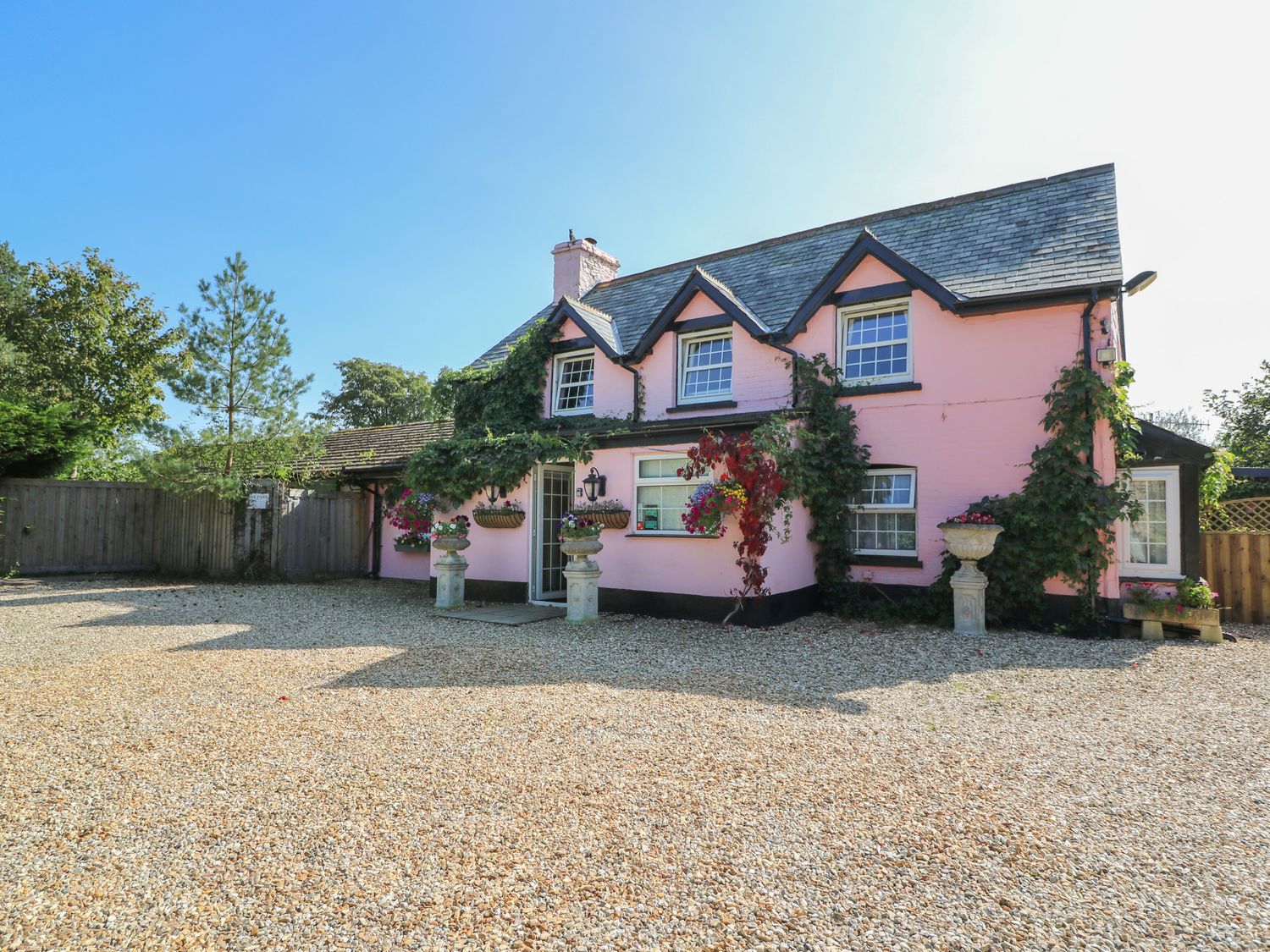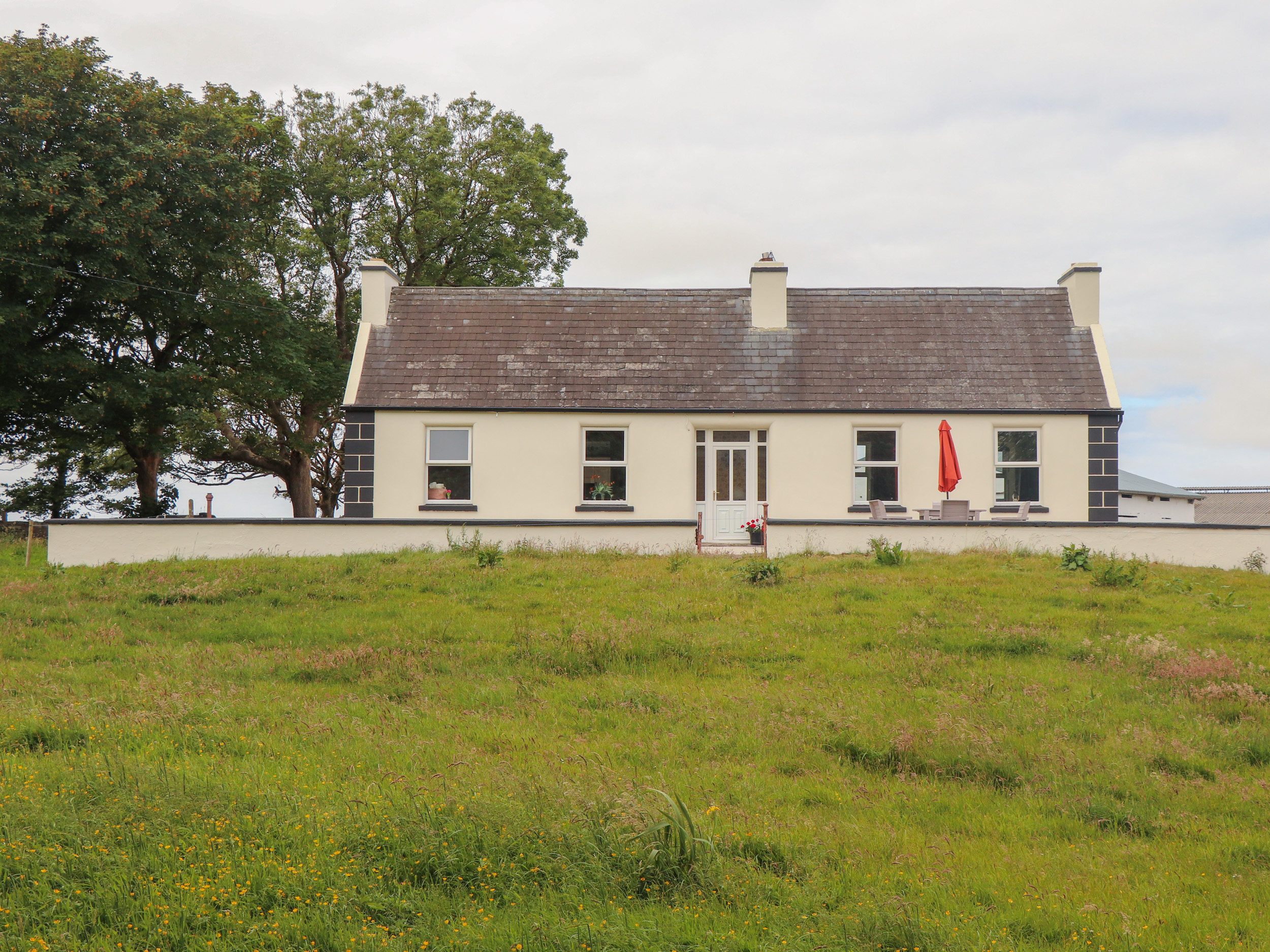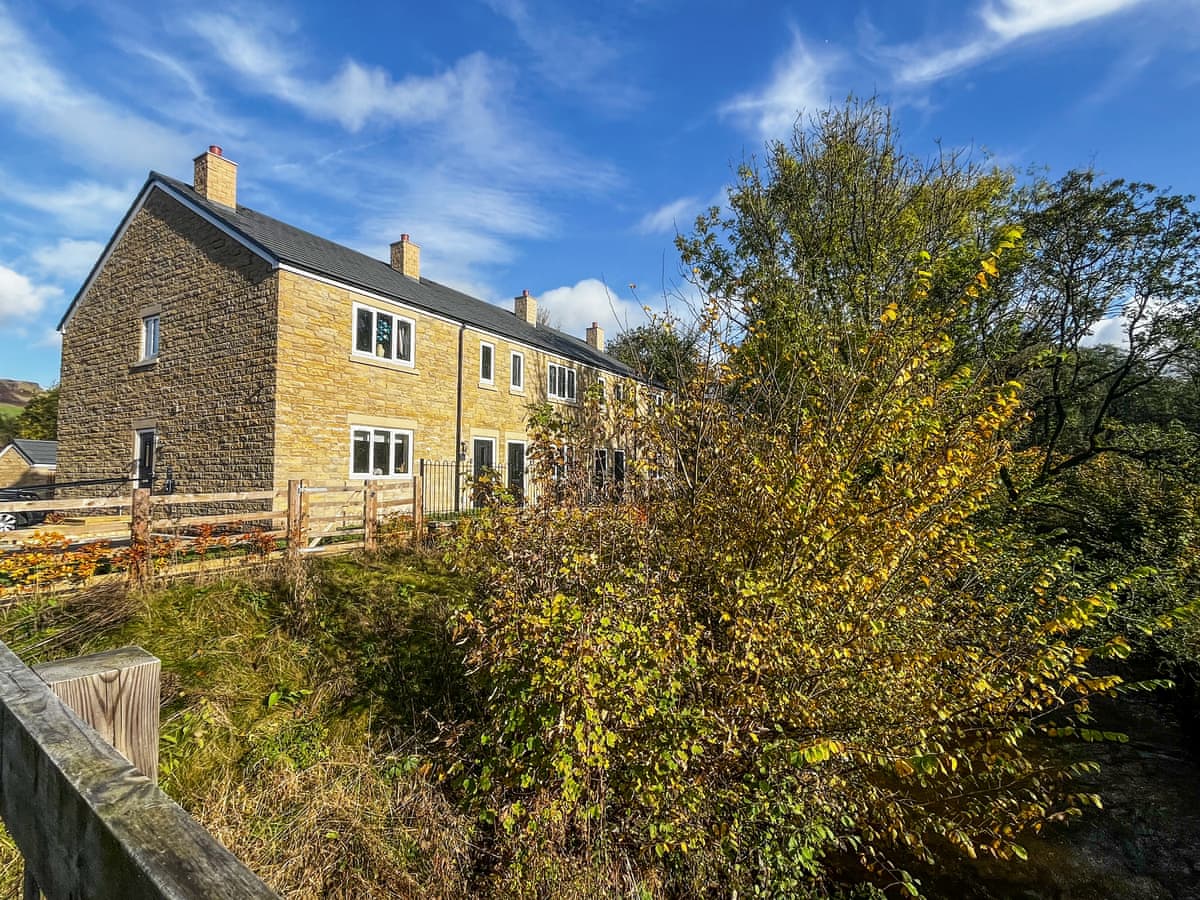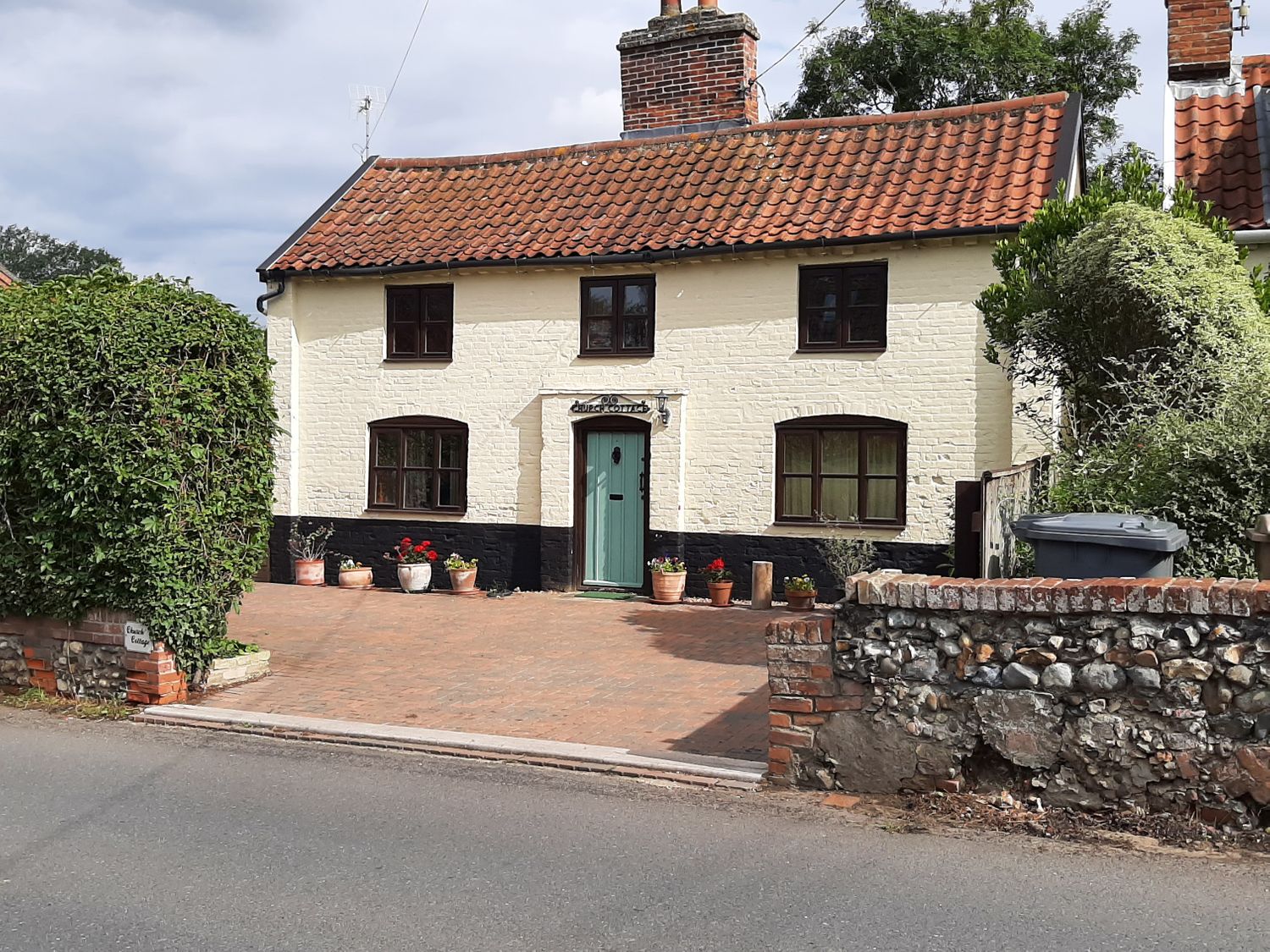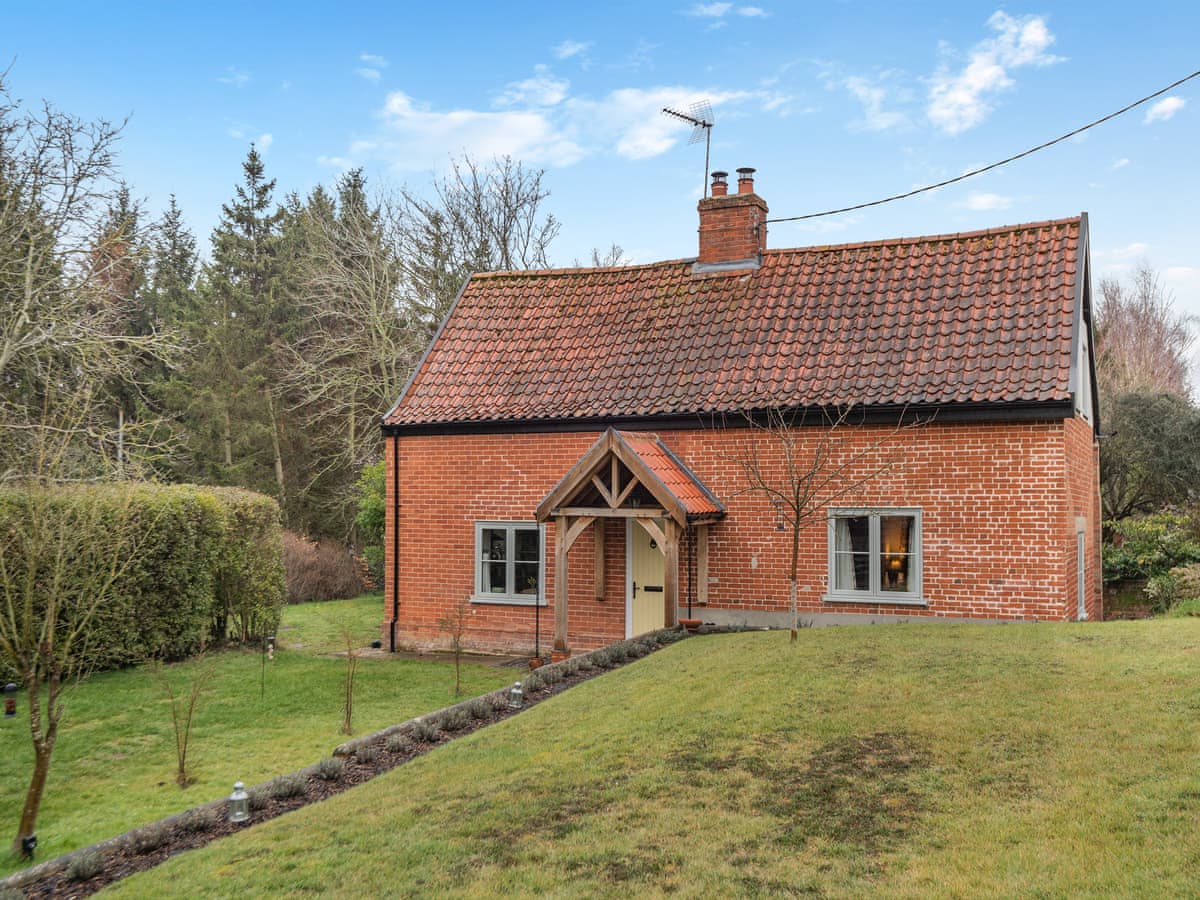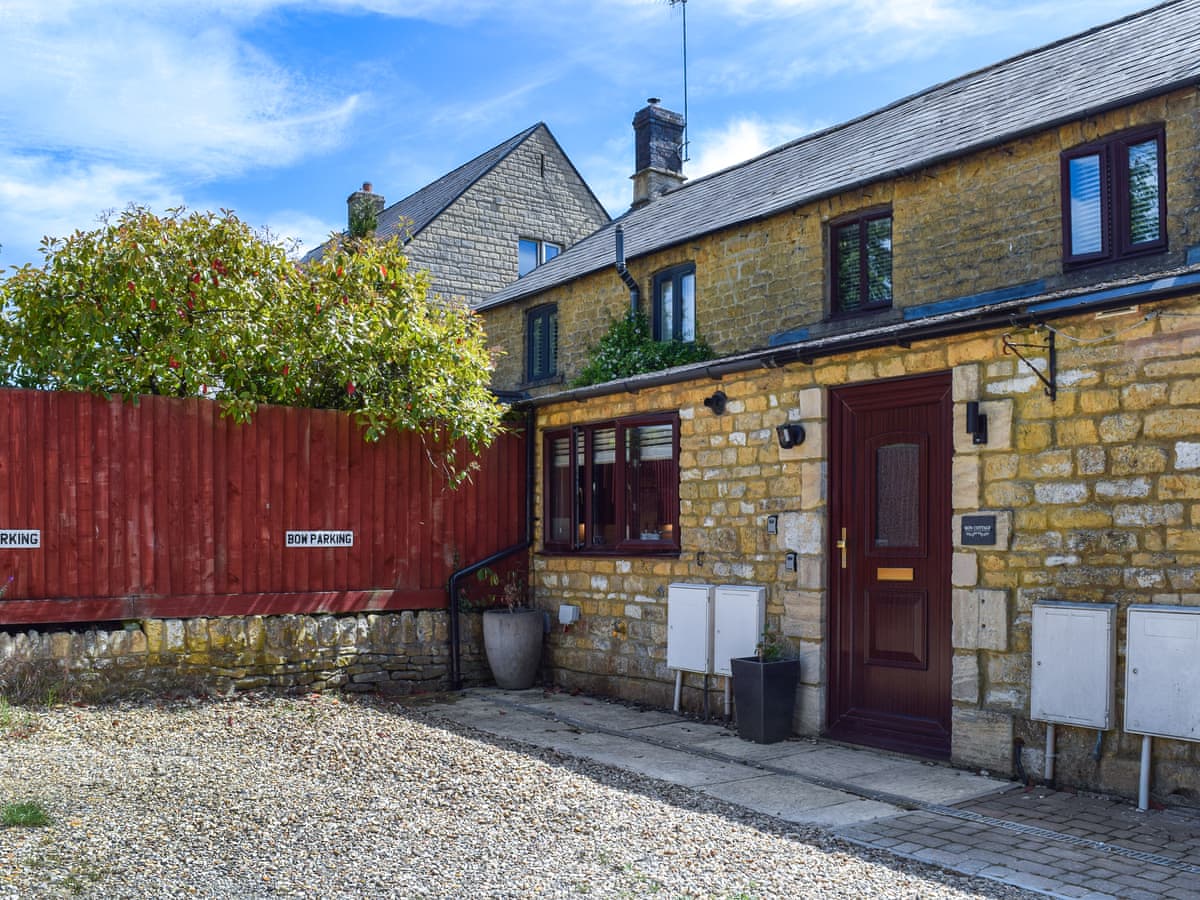
Three bedrooms: 2 x double, 1 x ground-floor single and en-suite walk-in shower and basin. Bathroom with roll-top bath, walk-in shower, basin and WC. Ground-floor cloakroom with WC. Kitchen/diner. Sitting room with open fire


The historic village of Bourton-on-the-Water, which is a part of the Cotswold Area of Outstanding Natural Beauty, has over 100 structures that are Grade II listed or higher and dates back to the Neolithic era. Bourton-on-the-Water is renowned as the Venice in the Cotswolds because of its lovely high street that is nestled next to the River Windrush, which is crossed by several diminutive stone bridges. According to custom, a football game is played every year in the River Windrush throughout the summer with the purpose of scoring as many goals and being as soaked as possible. The village is home to a diverse selection of tourist attractions, including The Model Village, Cotswold Motor Museum, Birdland Park and Gardens, a Dragonfly Maze, monthly farmers’ markets, numerous tearooms, an artisan bakery, antiques and craft markets, a traditional sweet shop, cycle rentals, and its very own perfumery. Stow-on-the-Wold, a nearby town that was once an Iron Age fort, is a fine example of traditional England. Since the 12th century, this historic market town has hosted numerous fairs. Nowadays, it hosts a biennial Gypsy Horse Fair, craft fairs, and a monthly farmers’ market. The large market square is bordered by an attractive collection of Cotswold stone townhouses, antique stores, tea rooms, traditional pubs, award-winning restaurants, and its very own cricket museum. It has an ancient cross at one end and the village stocks at the other. Visit Burford, a mediaeval village, where you may spend a wonderful day exploring the Cotswold Wildlife Park and Gardens. Moreton-in-Marsh, a Saxon market town, and Broadway, a classic English village, are both easily accessible and make for wonderful day trips. The spa town of Cheltenham is known for its horse racing event in March, which concludes with the Gold Cup steeplechase, and is considered to be the most complete Regency town in England from an architectural standpoint. The Bodleian Library, Ashmolean and Pitt Rivers Museums, the Botanic Gardens, and the 38 colleges of the university—half of which date back to before 1600—are just a few of Oxford’s many illustrious attractions. Oxford is also known as The City of Dreaming Spires and is the oldest university city in England. Furthermore easily accessible are Stratford-upon-Avon, Bath, Worcester, and the port city of Gloucester.
The Cotswolds is a richly rural area with more than 3,000 footpaths and trails running through farmland and wildflower meadows, as well as ancient woodlands to explore.
For woodland birds, Box Wood tucked away in a valley near Minchinhampton is well worth a visit. Comprised mainly of beech, with some limestone streams running through it, in summer it becomes alive with birds. Listen out for great-spotted woodpeckers and tawny owls, and keep your eyes peeled for treecreepers and nuthatches as they run up and down the trees.
More woods can be found on Crickley Hill jointly managed by the National Trust and Gloucestershire Wildlife Trust. Located just south of Cheltenham its habitats also include grassland, scrub, and limestone rock exposures. Mixed flocks of tits and finches are common in the woods, while kestrels can often be seen hovering above as they hunt for prey. In summer, the site is also a haven for wildflowers and butterflies.
Cotswold Water Park which straddles the Gloucestershire and Wiltshire border is a vast marl lake system spread over 42 miles. Cleveland Lakes Reserve is made up of two of the largest lakes and is an important site for both wintering and breeding birds including coots, great crested grebes, and little egrets. For bitterns, reed buntings, water rails, and snipes, head to Shorncote Reedbed which also has two bird hides so you can view the wildlife close up.
If you want to see some exotic and rare birds, Birdland in Bourton-on-the-water has a variety of attractions set in nine acres of gardens and woodland. Some of the highlights include the Parliament of Owls, home to eight species of owl, the Pandemonium of Parrots, where you can learn about the 16 species of parrot housed there, and Penguin Shore which has daily feeding displays. There are plenty of spots to have a picnic, as well as a children’s play area, and a gift shop.
Nearby Greystones Farm nature reserve is home to wildflower meadows, Iron Age ramparts, a replica Iron Age roundhouse, a working organic farm, and an interactive discovery barn. The old farm buildings are used by swallows and house martins for nesting and there are plenty of birds of prey to be spotted gliding overhead. There is also the opportunity to view a live camera feed of a barn owl box, and watch the birds as they bring up their chicks.
Farmland birds can be found all over the beautiful Cotswolds countryside. Look out for corn buntings, grey partridges, turtle doves, and yellow wagtails.