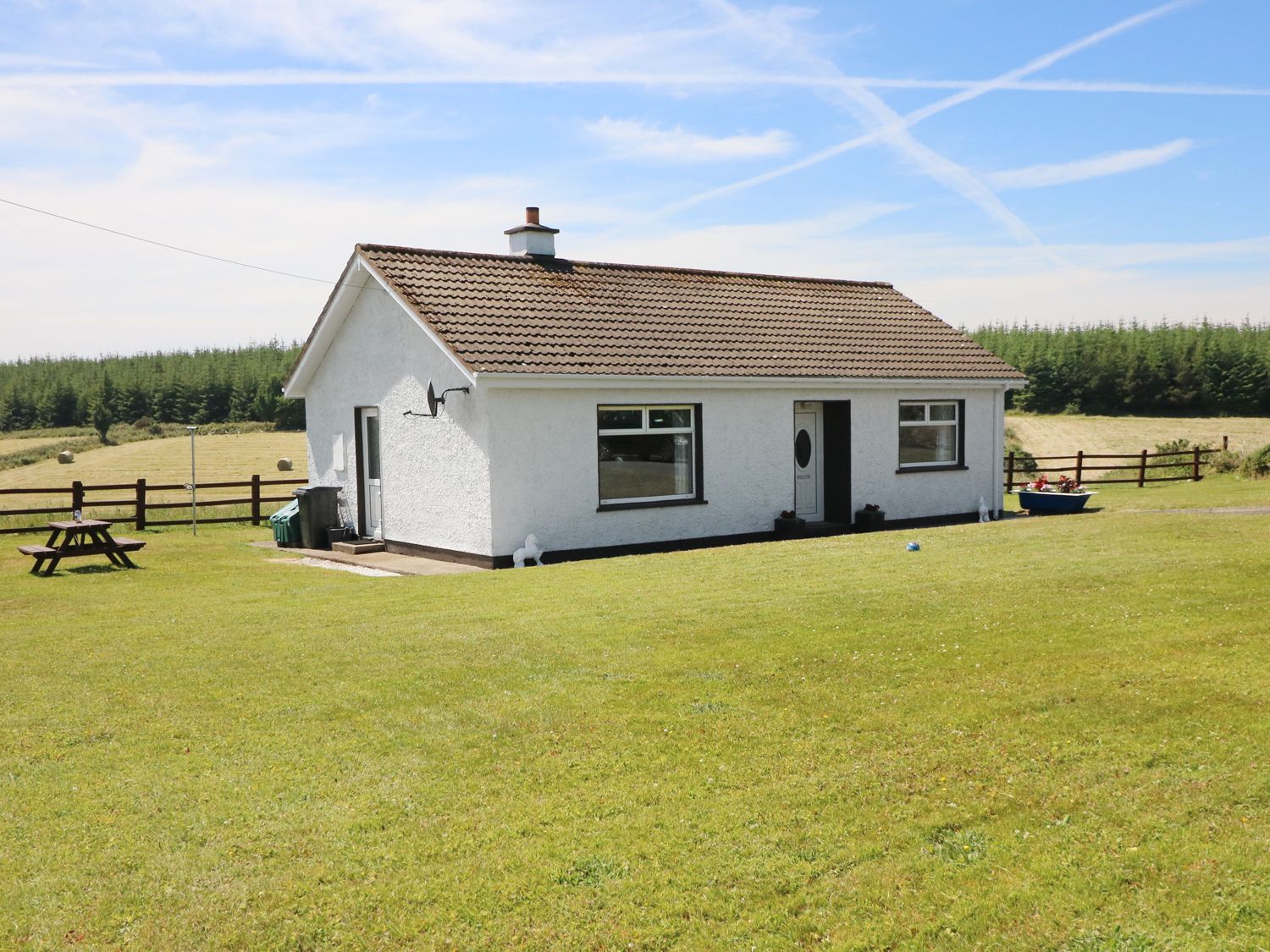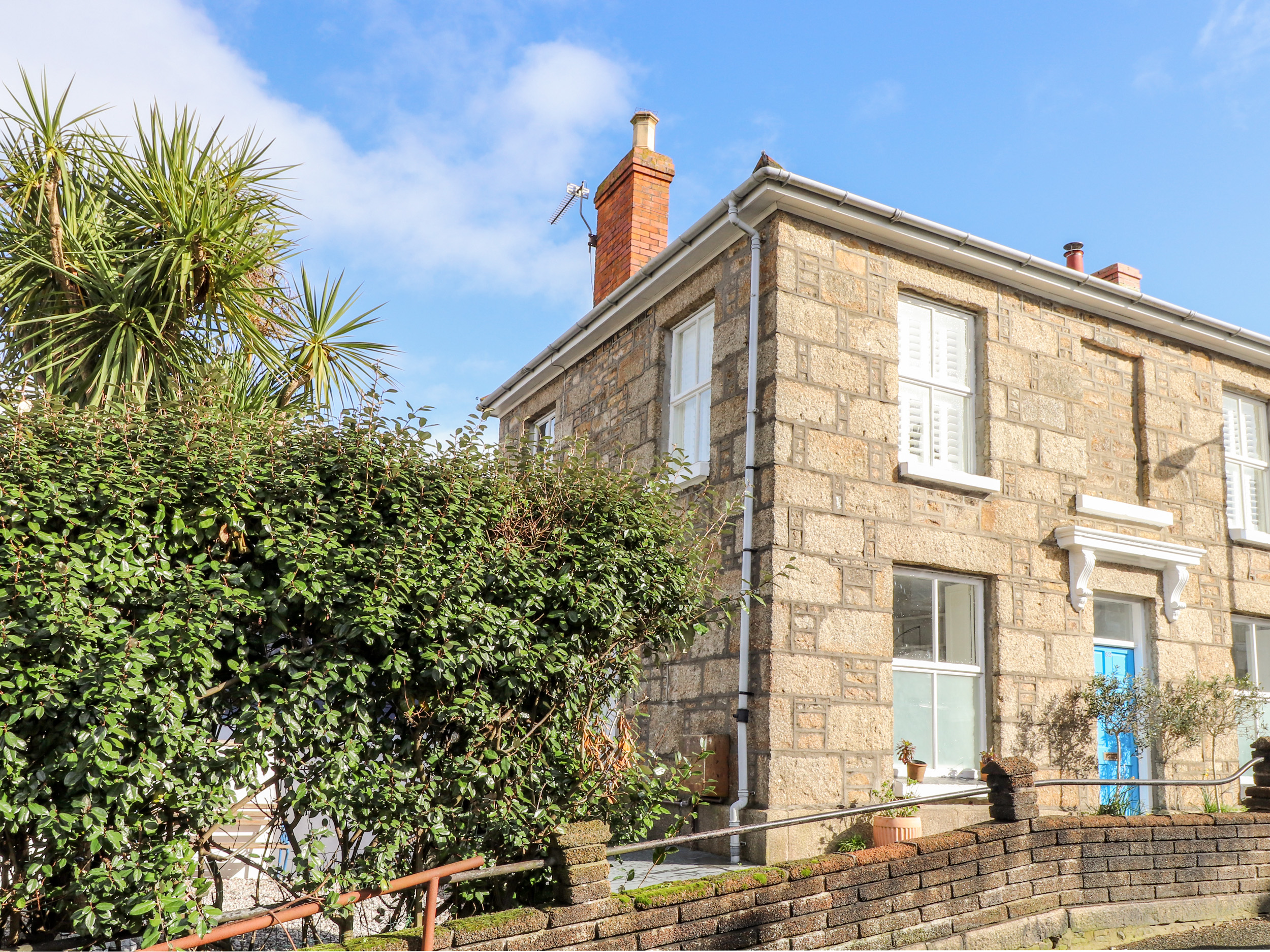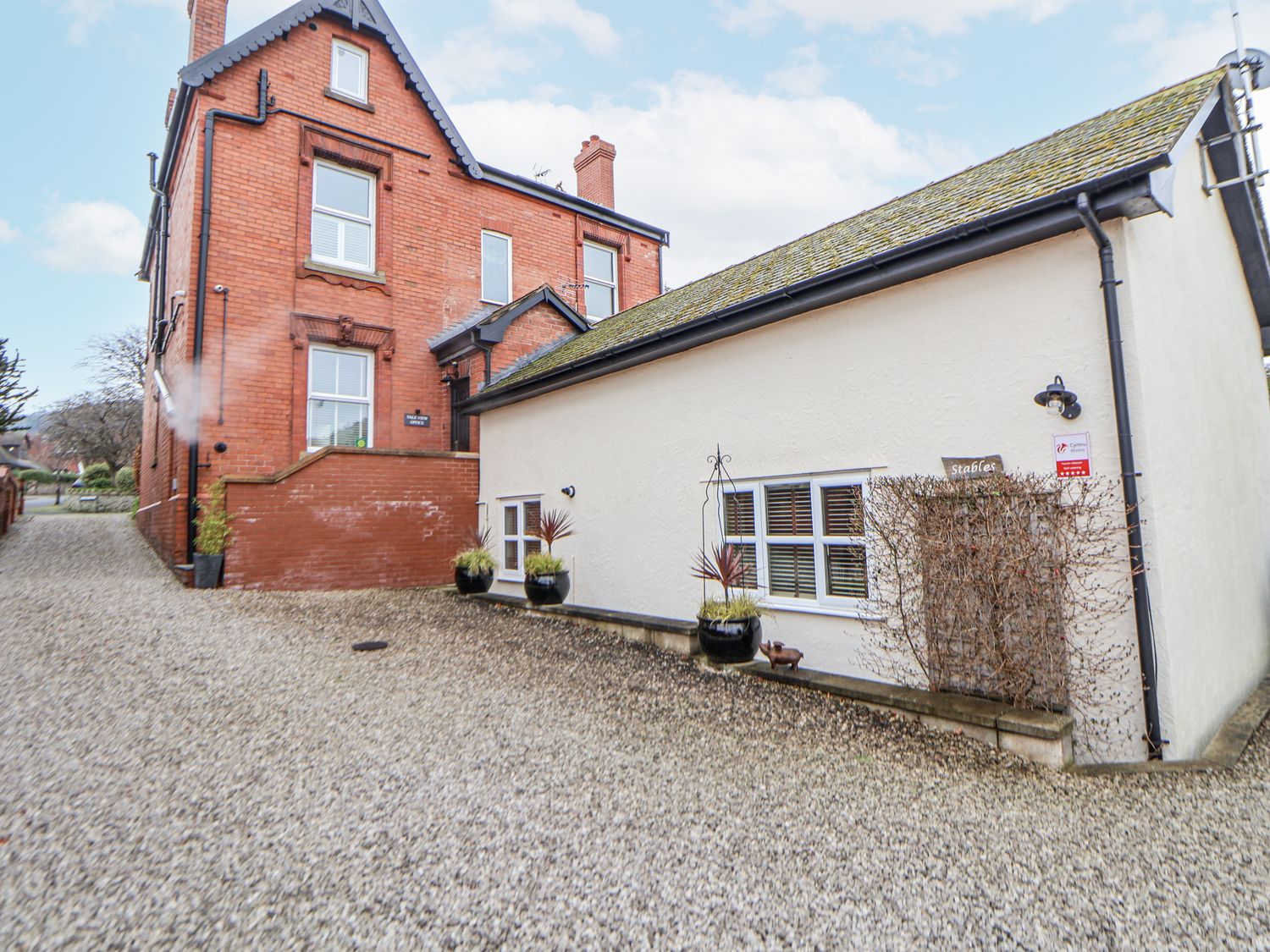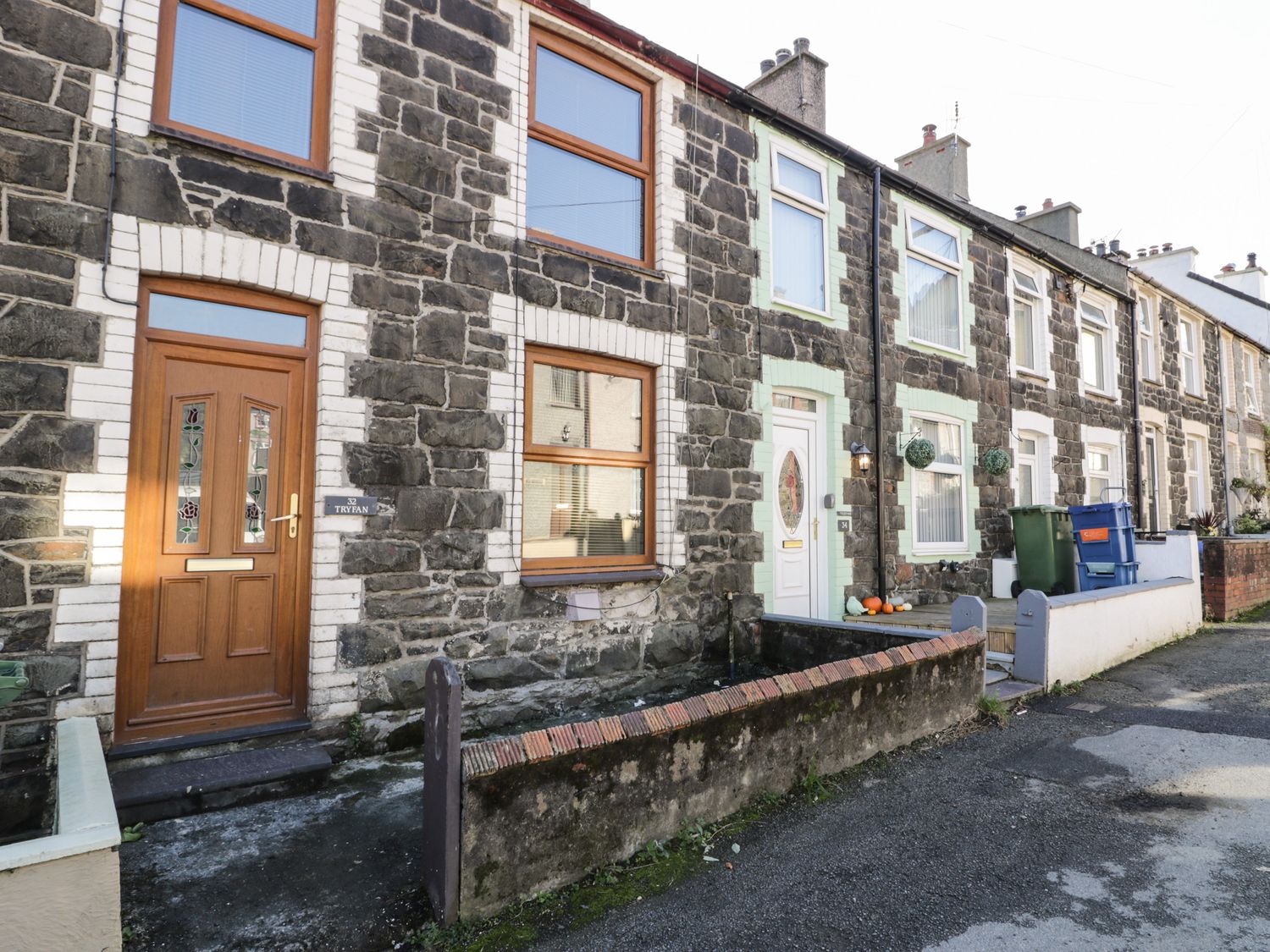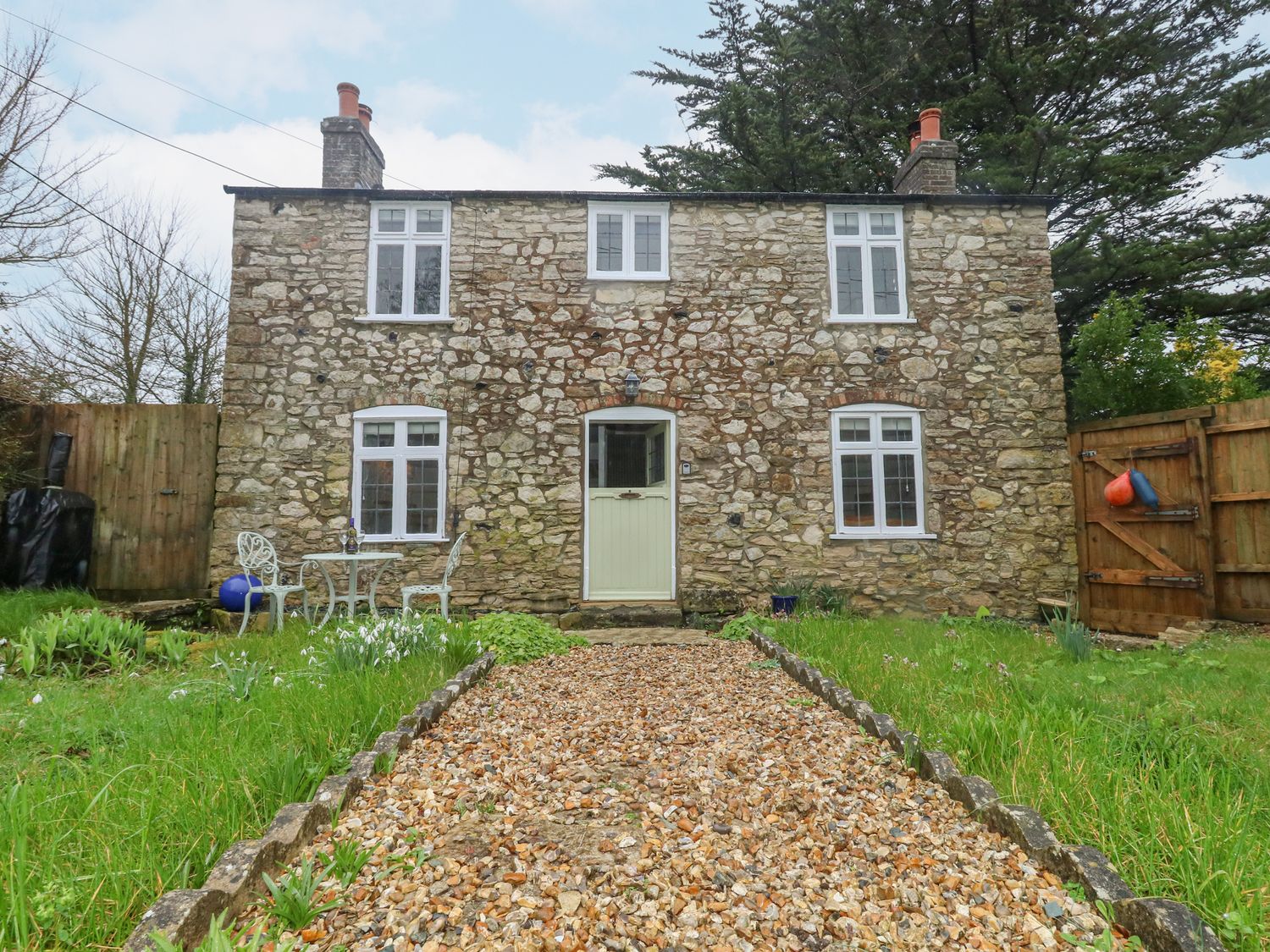
Three bedrooms; 1 x double with TV, 1 x twin, 1 x single. Bathroom with freestanding bath, basin, and WC. Ground-floor bathroom with bath, shower over, basin and WC. Kitchen. Dining room. Sitting room with woodburning stove


Preston is a large, thriving village in the heart of East Kent. Dating back to the Iron Age and mentioned in the Doomsday Book, this lovely village boasts a pub, butchers, farm shop, village stores and even a garden nursery that has achieved nationwide fame for its exotic range of plants! The annual Steam Rally and ploughing matches at Preston Court are popular events on the village calendar, offering an exciting time for all ages and attracts visitors from far afield. With demonstrations in steam and horse ploughing, dog agility displays and ferret racing to displays of classic cars, motorbikes and military vehicles, this is not any quiet country show; there is even a funfair in the evening. At other times of the year Preston Court is a popular wedding venue, and was once owned by Juliana de Leybourne who pronounced it as her favourite residence. The area around Preston is a walker’s paradise. Why not explore Denge Wood, renowned for its orchids and butterflies? The Saxon shoreline and North Downs, which follows much of the Pilgrim’s Way, is also easily accessible from the village. Preston is within an easy distance to Wingham, Littlebourne, Ickham and Wichambreaux and all four villages boast pubs serving excellent food. For a day of culture and sightseeing then why not visit the historic city of Canterbury? Ramble around ruins, tread cobble streets, and take in the atmosphere of this beautiful city in all its glory. Or why not make for Whitstable and sample the oysters at a harbour-side restaurant, just one of the things this coastal town is famous for? Always a popular haunt of stars of stage and screen, Whitstable is still home to many famous actors. After a busy day out, why not return to the tranquillity of Preston with its birdsong and serenity to relax before another adventurous day?
With nearly 90 miles of stunning coastline, vast areas of open heathlands, ancient woodlands, and chalk and limestone grassland, Dorset’s diverse habitats support a rich variety of birds and wildlife.
A visit to the RSPB’s Arne nature reserve situated on the banks of Poole Harbour and in an Area of Outstanding Natural Beauty is a must. Mainly lowland heath, it’s home to breeding Dartford warblers, while in winter, large flocks of wading birds come to the mudflats including avocets, black-tailed godwits, and spoonbills. There’s also a herd of sika deer and seals can often be spotted along the shoreline. At the visitor centre you can hire binoculars and find out more about the wildlife you might spot.
Nearby, the lesser-known and quieter RSPB Lytchett Fields has been transformed from arable land into a wetland haven where you can see green sandpipers, wigeons, and teal. Peregrine falcons, and marsh and hen harriers can also be spotted in the skies above as they hunt for prey. You might also be lucky enough to see an osprey which have recently been reintroduced to the area.
In the heart of Poole Harbour is Brownsea Island manged by the Dorset Wildlife Trust in partnership with The National Trust where bird hides give excellent views of the wildlife on the lagoon and surrounding reedbeds. Look out for common terns, sandwich terns, and water rails, and it’s one of the few places in England where you can see find red squirrels.
With country lanes, unspoilt meadows, and winding rivers, Kingcombe Nature Reserve hidden away in the Dorset countryside is the perfect place to escape into nature. Resident woodland birds include nuthatches, great spotted woodpeckers, and chiffchaffs, while dippers and kingfishers can be spotted along the water’s edge. There are bird hides, an orchard, and wildlife-friendly gardens, all set on a working farm, as well as a café serving locally sourced food.
The open farmland and copses of Durlston Country Park near Swanage are important not only for breeding birds but also migrants passing through in spring and autumn. Breeding birds include yellowhammers, linnets, and skylarks, while the exposed sea cliffs provide nesting sites for shags, fulmars, and guillemots. The park also attracts some rarities blown off course during migration, and in autumn, huge flocks of swallows and sand martins fill the air.
Portland Bill is another great place for migrating birds including dunnocks, chaffinches, and thrushes, as well as a variety of seabirds including Manx shearwaters, Arctic skuas, and kittiwakes. It has an impressive rarity list and is one of the best places to spot hoopoes in early summer. The Bird Observatory is a good place to visit too, with bird feeders, and volunteers can sometimes be seen ringing birds.
Head to Christchurch Harbour where the muddy creeks, mudflats, and marshland are home to a huge range of birdlife including wheatears, little egrets, and gulls. It’s also a another good place to look out for rarities such as golden orioles, wrynecks, and tawny pipits.
For a truly unique experience take a trip to Abbotsbury Swannery located on the stunning Jurassic coast, and the only place in the world where you can get close to a colony of nesting mute swans. During breeding season, you can watch cygnets as they hatch and don’t miss the twice-daily feeds where you’ll have the chance to hand-feed over 600 swans.