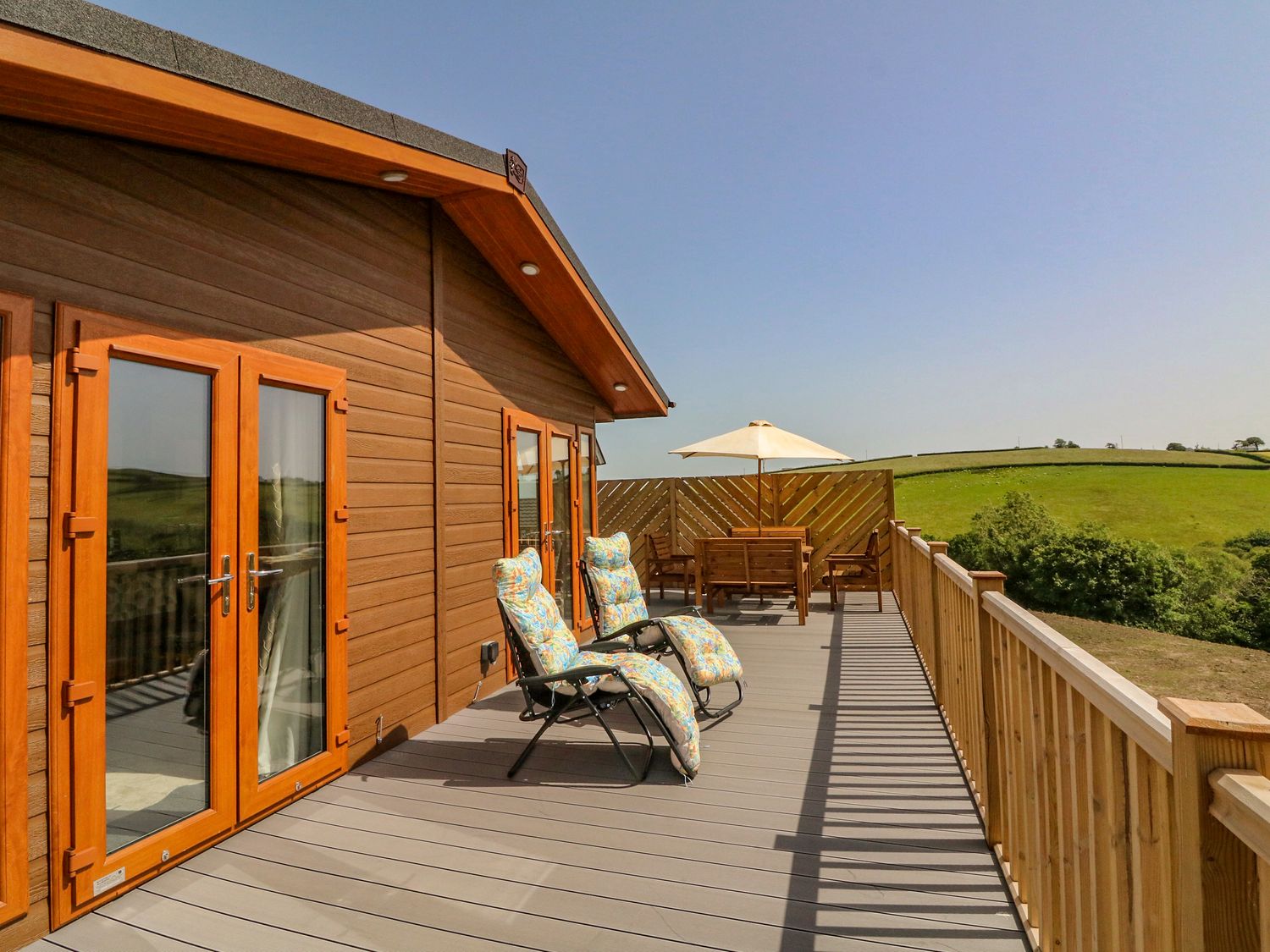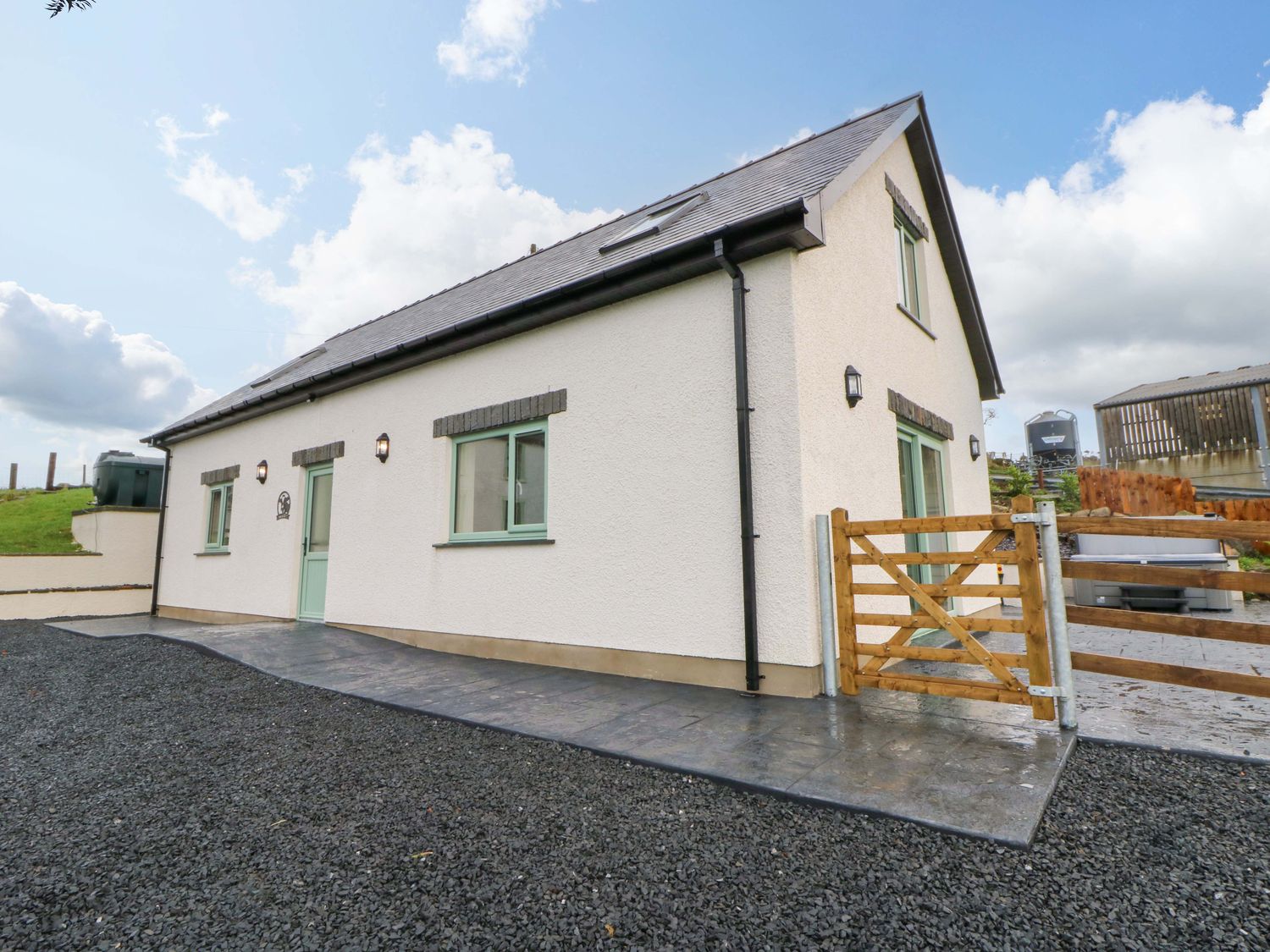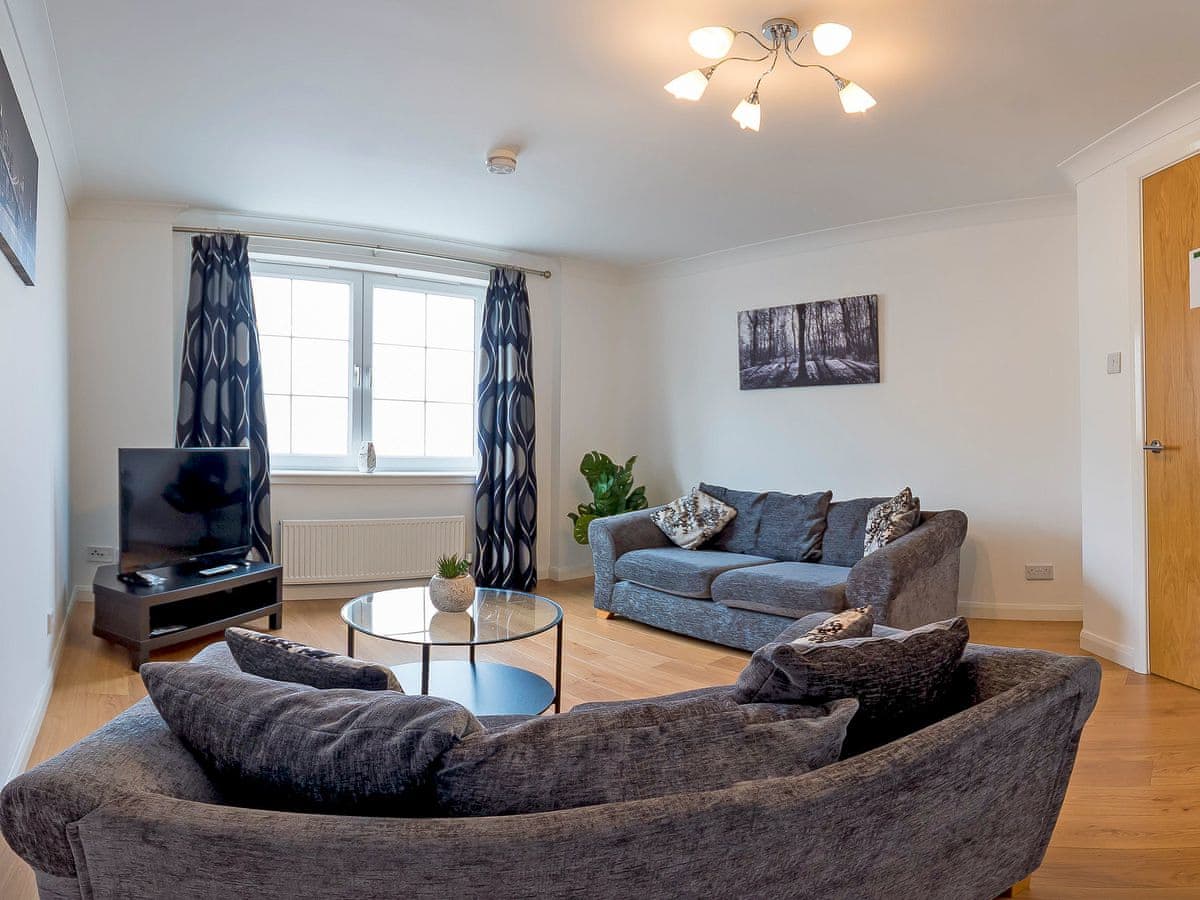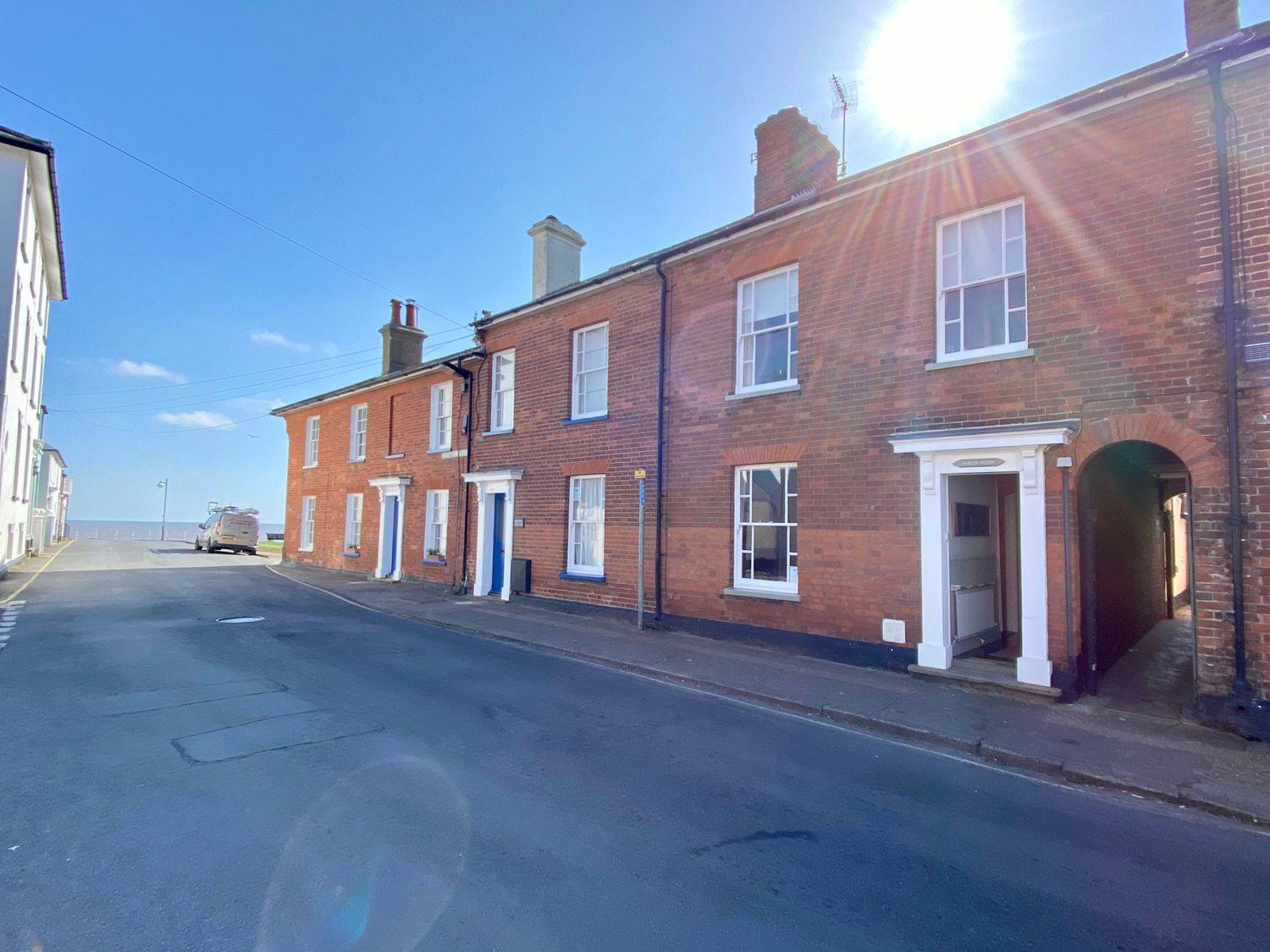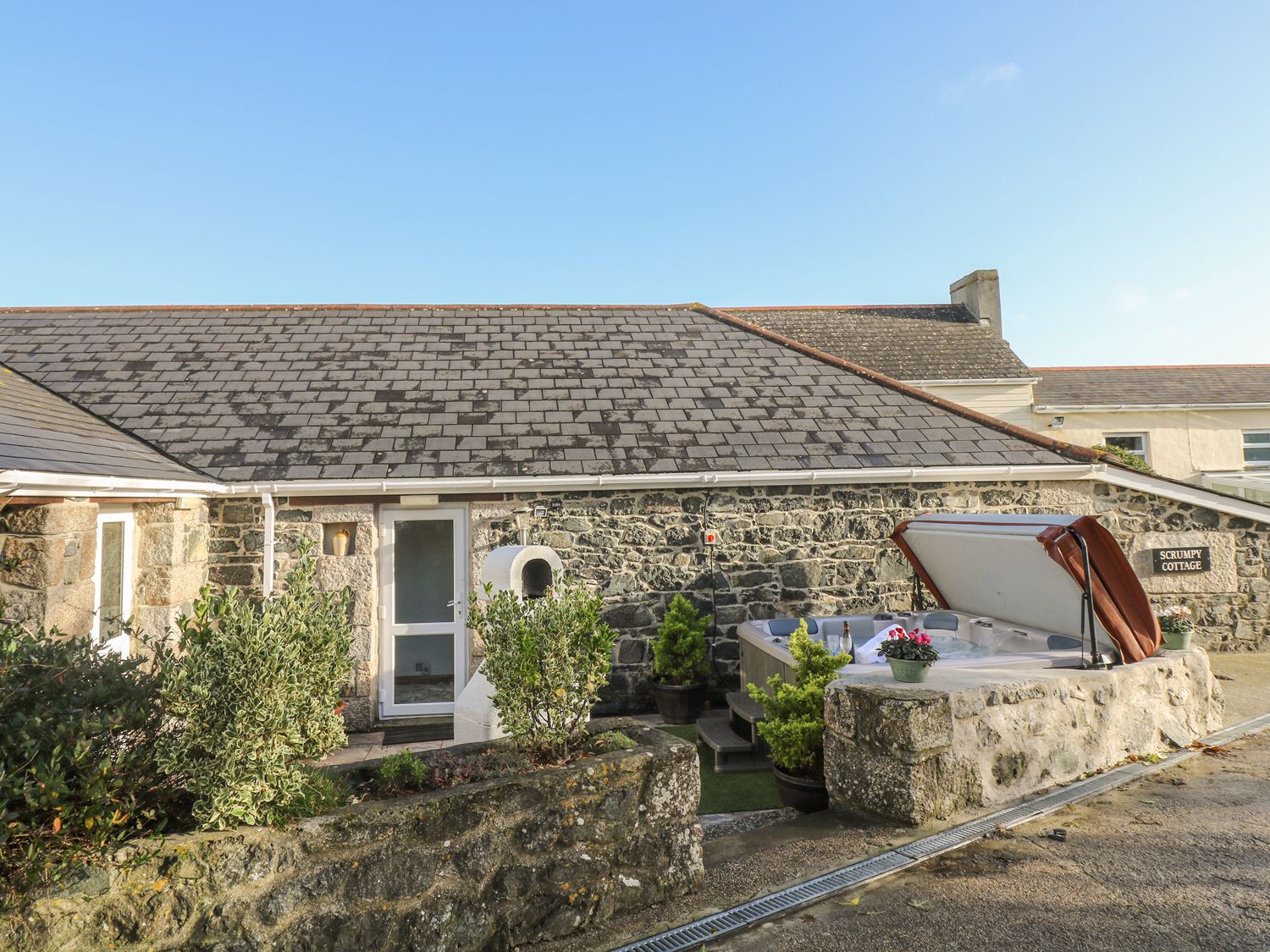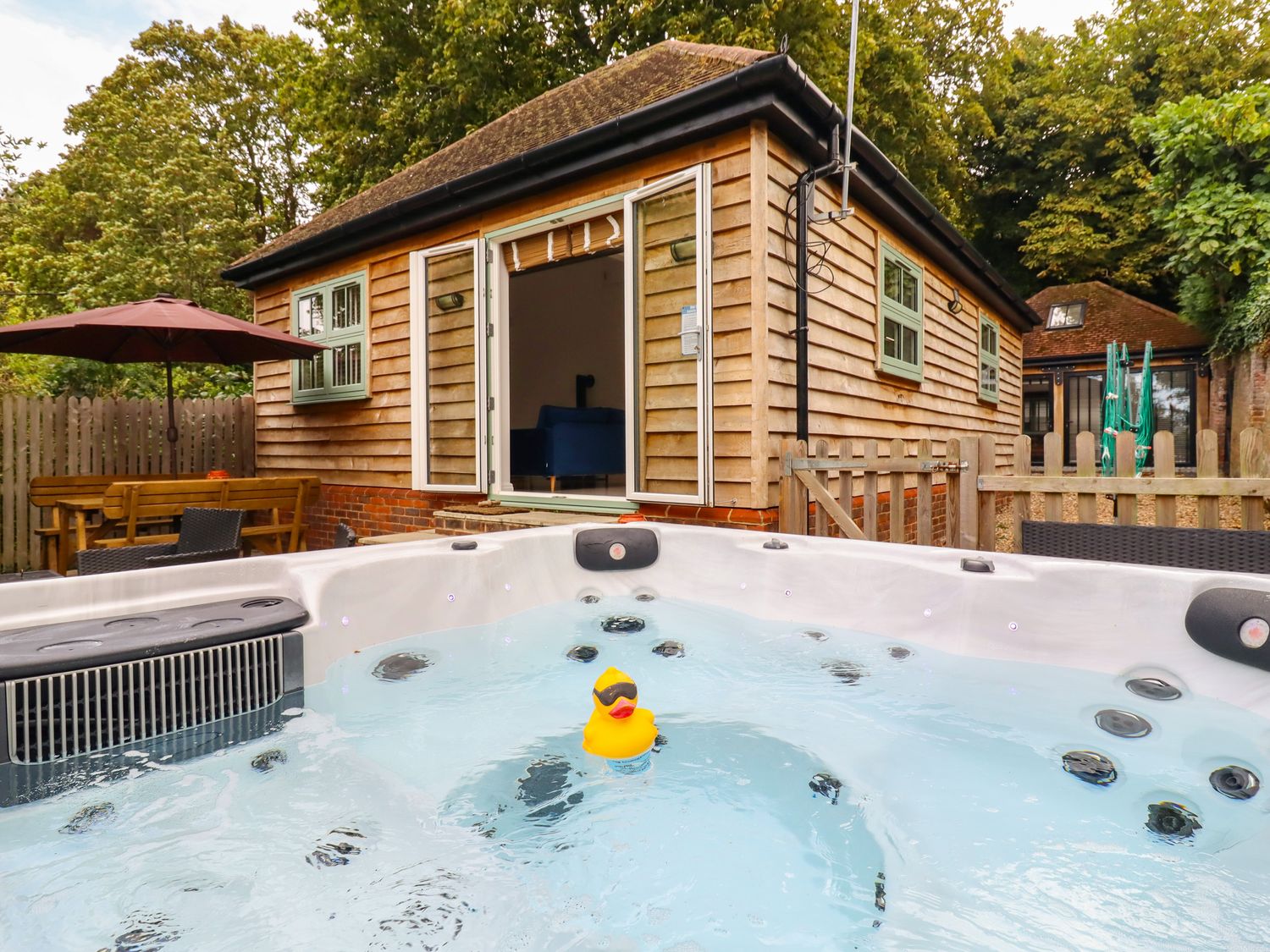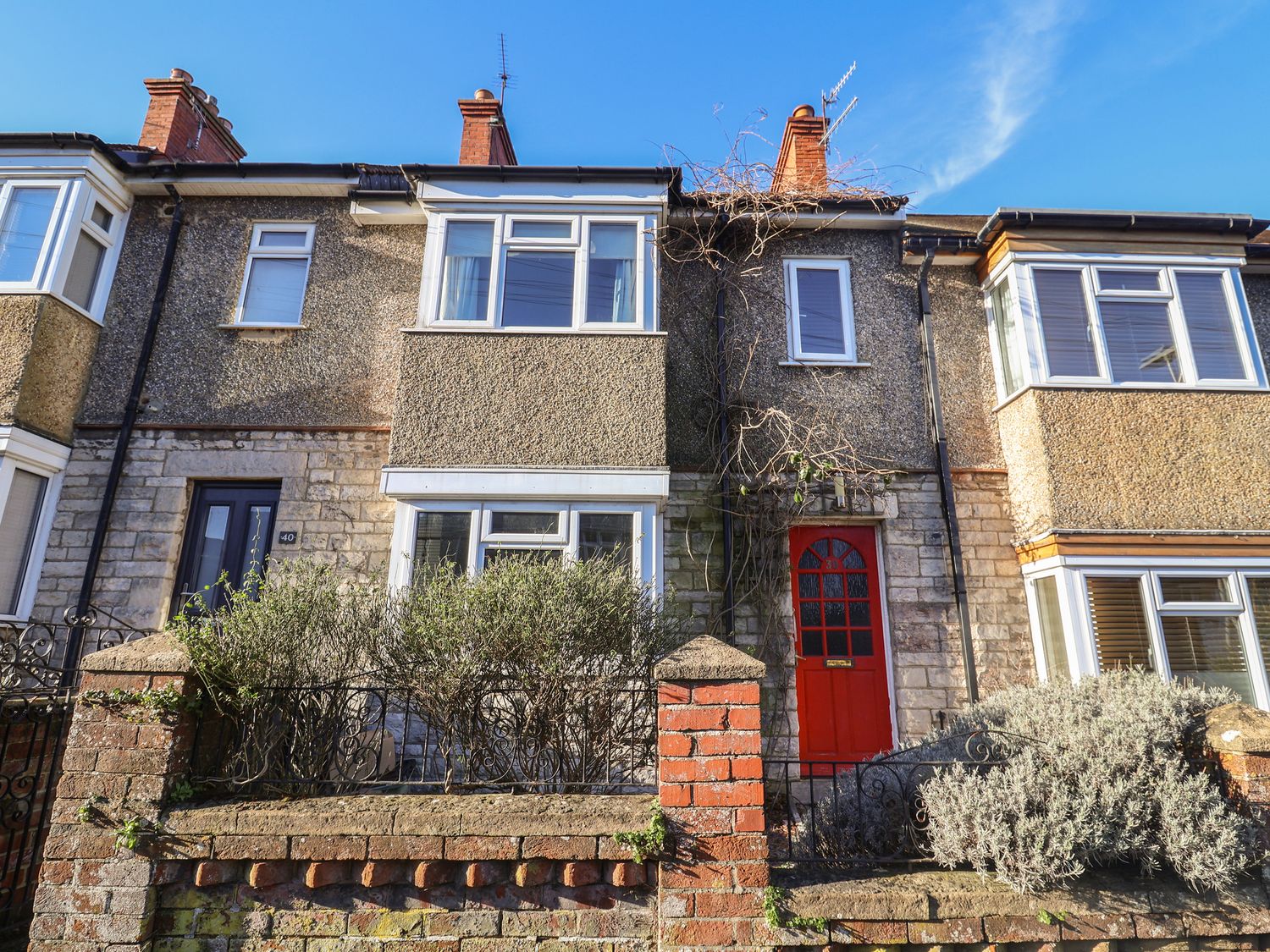
Over three floors. Three bedrooms: 2 x double, 1 x second-floor twin. Bathroom with bath, shower over, basin, heated towel rail. Cloakroom with basin, WC. Cloakroom with basin, WC. Sitting room with gas fire. Open-plan living space with kitchen, dining area and sitting area


Sabden is a lovely village resting at the foot of Pendle Hill, in the Forest of Pendle section of the Forest of Bowland Area of Outstanding Natural Beauty. The village hosts a good selection of amenities for any self-catered stay including two convenience stores, a Post Office, a couple of shops and a pub, The Pendle Witch Hotel serving traditional Real Ales and wonderful live entertainment. Enjoy a leisurely stroll around Sabden Park with plenty to entertain the little ones or enjoy a more scenic ramble at the Nick of Pendle for some of the most spectacular views of the surrounding scenery. Nearby you will also find Pendle Ski Club where you can try your hand at its dry slopes, with the Pendle Antique Centre housed in an old mill being a unique wonder to visit too. Venture further into the forest to discover the wonder of Pendle Hill, famed for its links to the witch trials of 1612, it offers a beautiful walking route enchanted with mystery, with the 43 mile Pendle Way and parts of the Bronte Way being accessed from here too. Explore the charming Ribble Valley to find the quaint market town of Clitheroe, offering fantastic shopping experiences and a historic day out at Clitheroe Castle Museum, it makes a lovely place to while away the hours, while Burnley is also just a scenic drive away where you can find plenty of opportunities for golfing with the Prairie Sports Village boasting a 16-bay floodlit driving range, academy and nine-hole mini golf course, while there are also a range of family-friendly attractions such as watersports including rowing and kayaking at Thompson Park, and windsurfing and sailing at Clowbridge Reservoir, a theatre, even more shopping and a plethora of eateries. Enjoy the peace and tranquillity of the Forest of Bowland for even more natural wonder, or embark on a journey to discover Skipton, Blackburn and beyond.
With nearly 90 miles of stunning coastline, vast areas of open heathlands, ancient woodlands, and chalk and limestone grassland, Dorset’s diverse habitats support a rich variety of birds and wildlife.
A visit to the RSPB’s Arne nature reserve situated on the banks of Poole Harbour and in an Area of Outstanding Natural Beauty is a must. Mainly lowland heath, it’s home to breeding Dartford warblers, while in winter, large flocks of wading birds come to the mudflats including avocets, black-tailed godwits, and spoonbills. There’s also a herd of sika deer and seals can often be spotted along the shoreline. At the visitor centre you can hire binoculars and find out more about the wildlife you might spot.
Nearby, the lesser-known and quieter RSPB Lytchett Fields has been transformed from arable land into a wetland haven where you can see green sandpipers, wigeons, and teal. Peregrine falcons, and marsh and hen harriers can also be spotted in the skies above as they hunt for prey. You might also be lucky enough to see an osprey which have recently been reintroduced to the area.
In the heart of Poole Harbour is Brownsea Island manged by the Dorset Wildlife Trust in partnership with The National Trust where bird hides give excellent views of the wildlife on the lagoon and surrounding reedbeds. Look out for common terns, sandwich terns, and water rails, and it’s one of the few places in England where you can see find red squirrels.
With country lanes, unspoilt meadows, and winding rivers, Kingcombe Nature Reserve hidden away in the Dorset countryside is the perfect place to escape into nature. Resident woodland birds include nuthatches, great spotted woodpeckers, and chiffchaffs, while dippers and kingfishers can be spotted along the water’s edge. There are bird hides, an orchard, and wildlife-friendly gardens, all set on a working farm, as well as a café serving locally sourced food.
The open farmland and copses of Durlston Country Park near Swanage are important not only for breeding birds but also migrants passing through in spring and autumn. Breeding birds include yellowhammers, linnets, and skylarks, while the exposed sea cliffs provide nesting sites for shags, fulmars, and guillemots. The park also attracts some rarities blown off course during migration, and in autumn, huge flocks of swallows and sand martins fill the air.
Portland Bill is another great place for migrating birds including dunnocks, chaffinches, and thrushes, as well as a variety of seabirds including Manx shearwaters, Arctic skuas, and kittiwakes. It has an impressive rarity list and is one of the best places to spot hoopoes in early summer. The Bird Observatory is a good place to visit too, with bird feeders, and volunteers can sometimes be seen ringing birds.
Head to Christchurch Harbour where the muddy creeks, mudflats, and marshland are home to a huge range of birdlife including wheatears, little egrets, and gulls. It’s also a another good place to look out for rarities such as golden orioles, wrynecks, and tawny pipits.
For a truly unique experience take a trip to Abbotsbury Swannery located on the stunning Jurassic coast, and the only place in the world where you can get close to a colony of nesting mute swans. During breeding season, you can watch cygnets as they hatch and don’t miss the twice-daily feeds where you’ll have the chance to hand-feed over 600 swans.