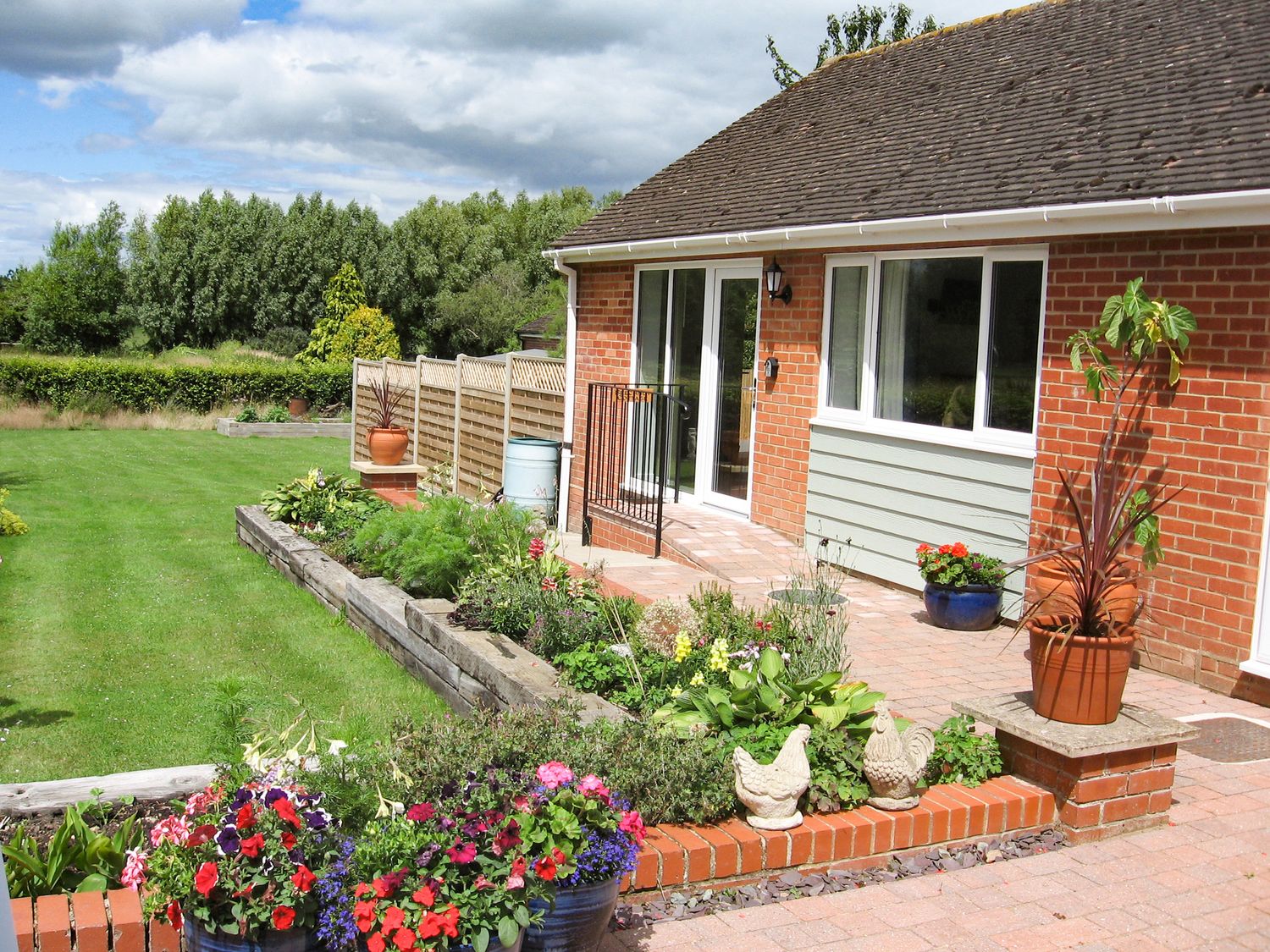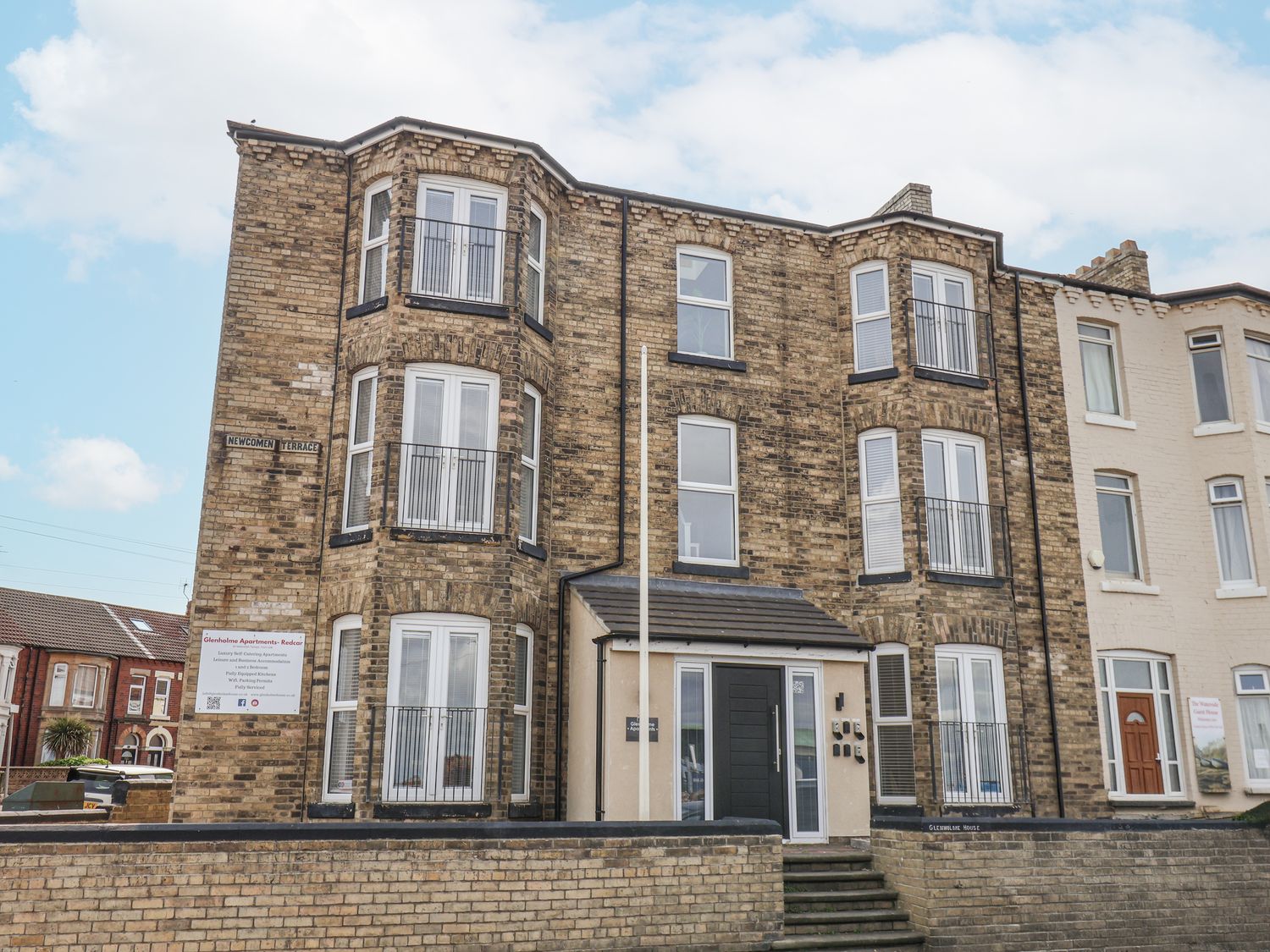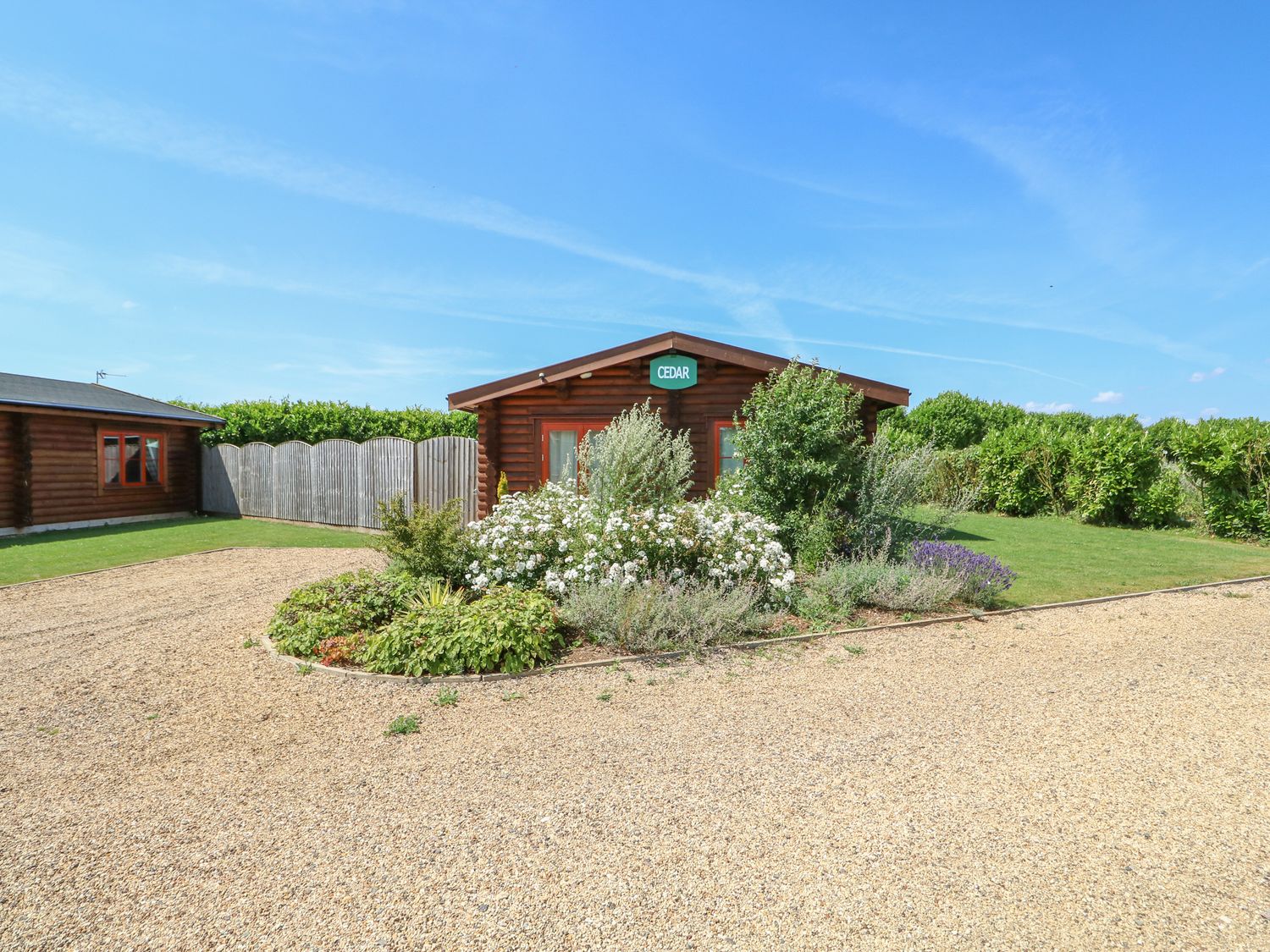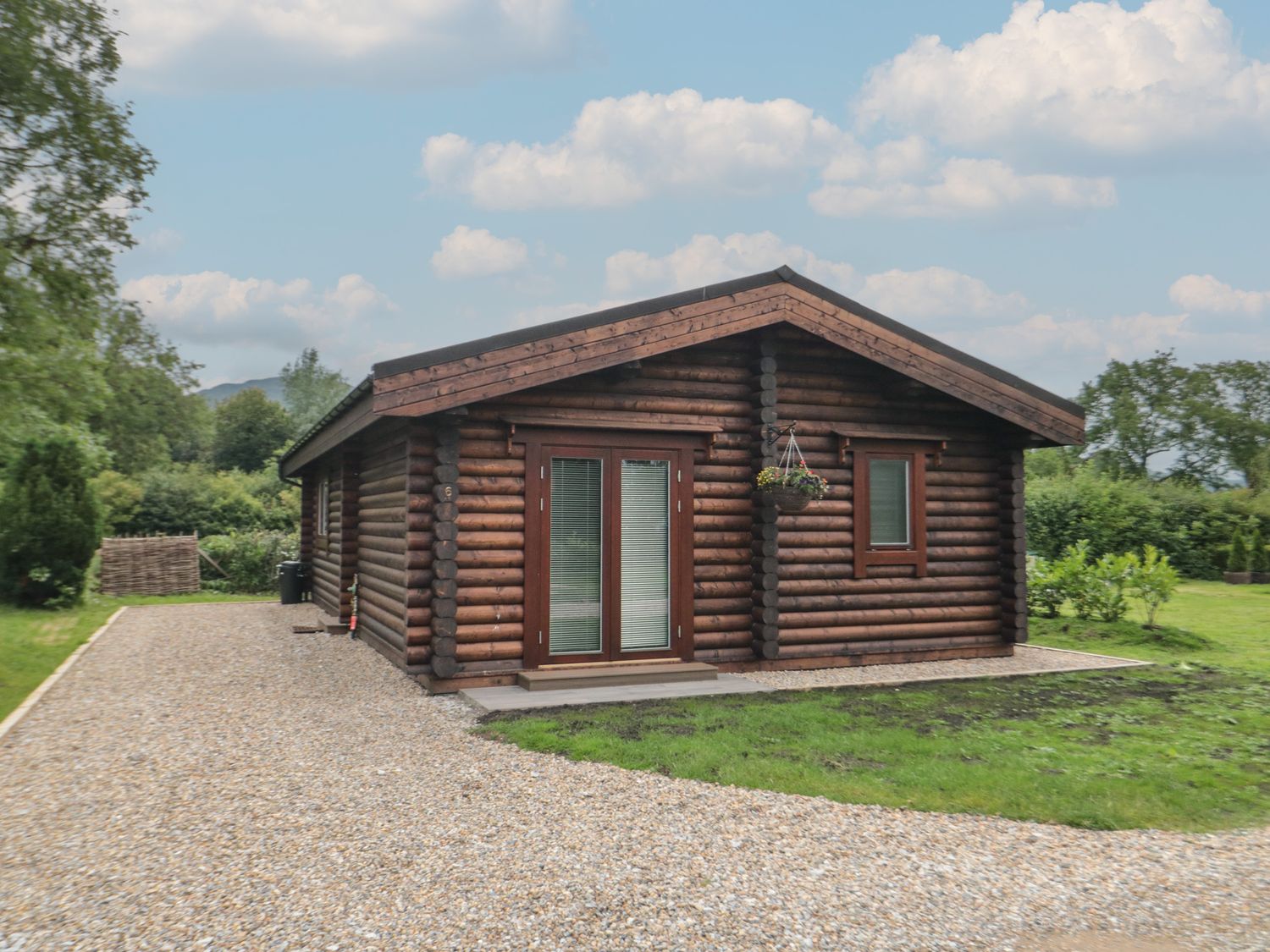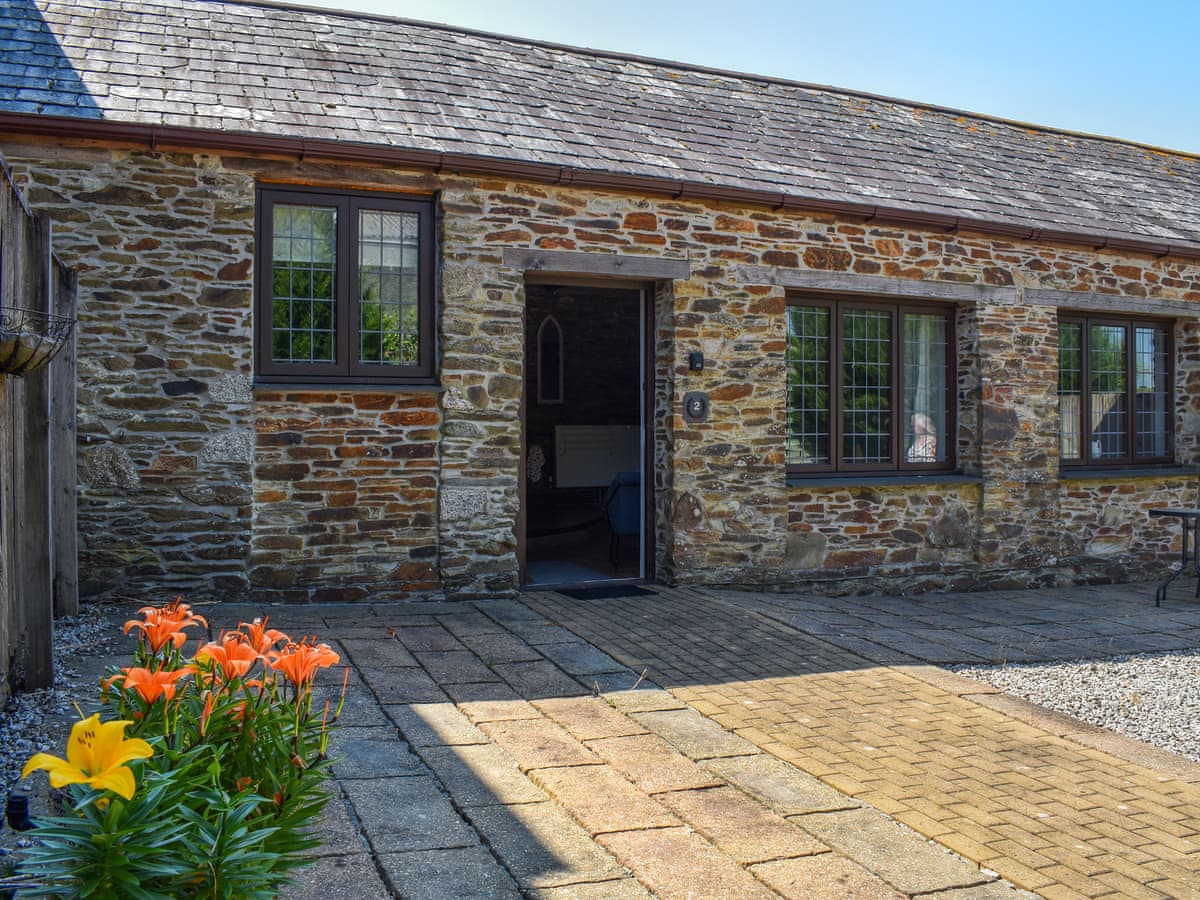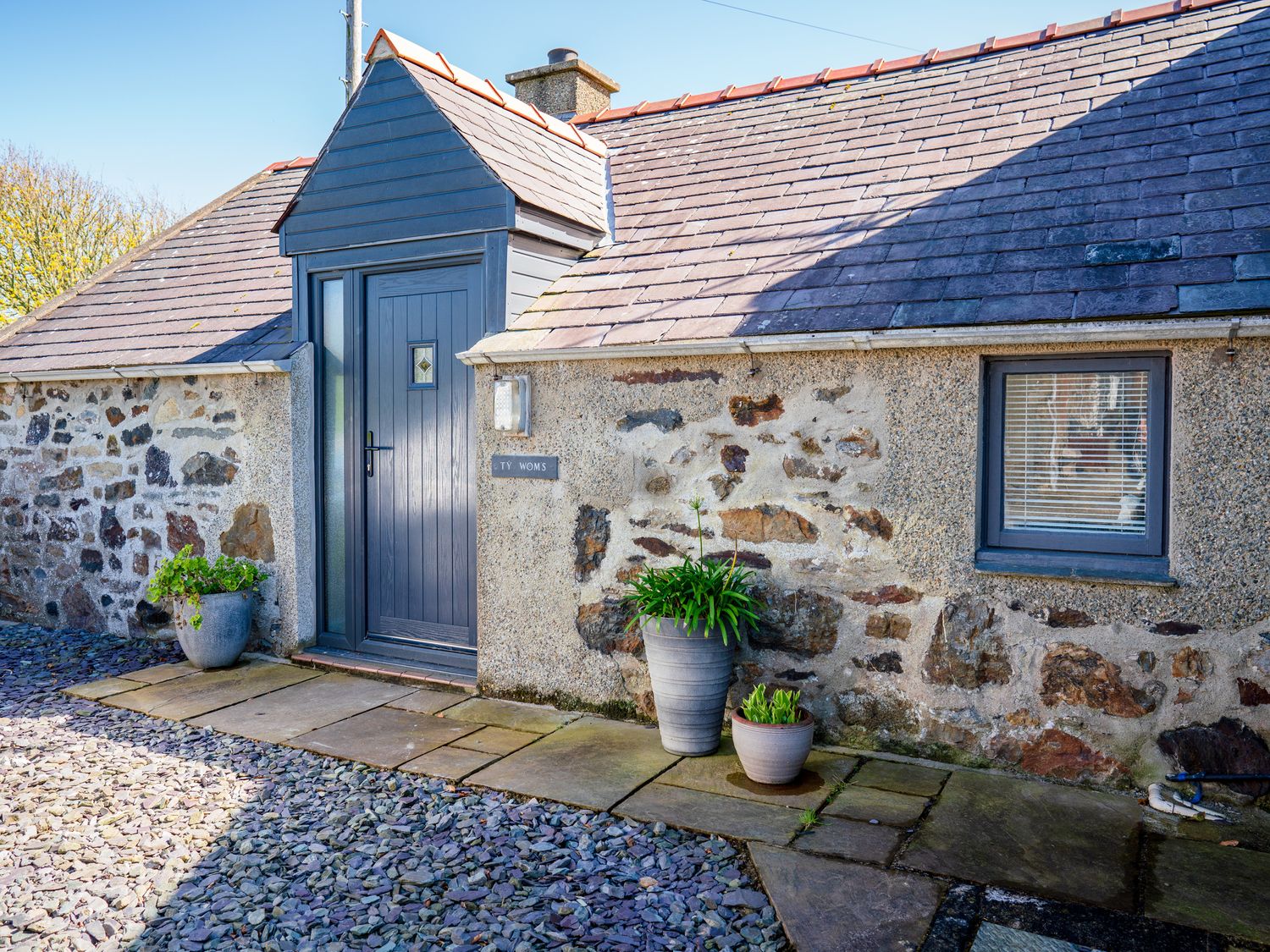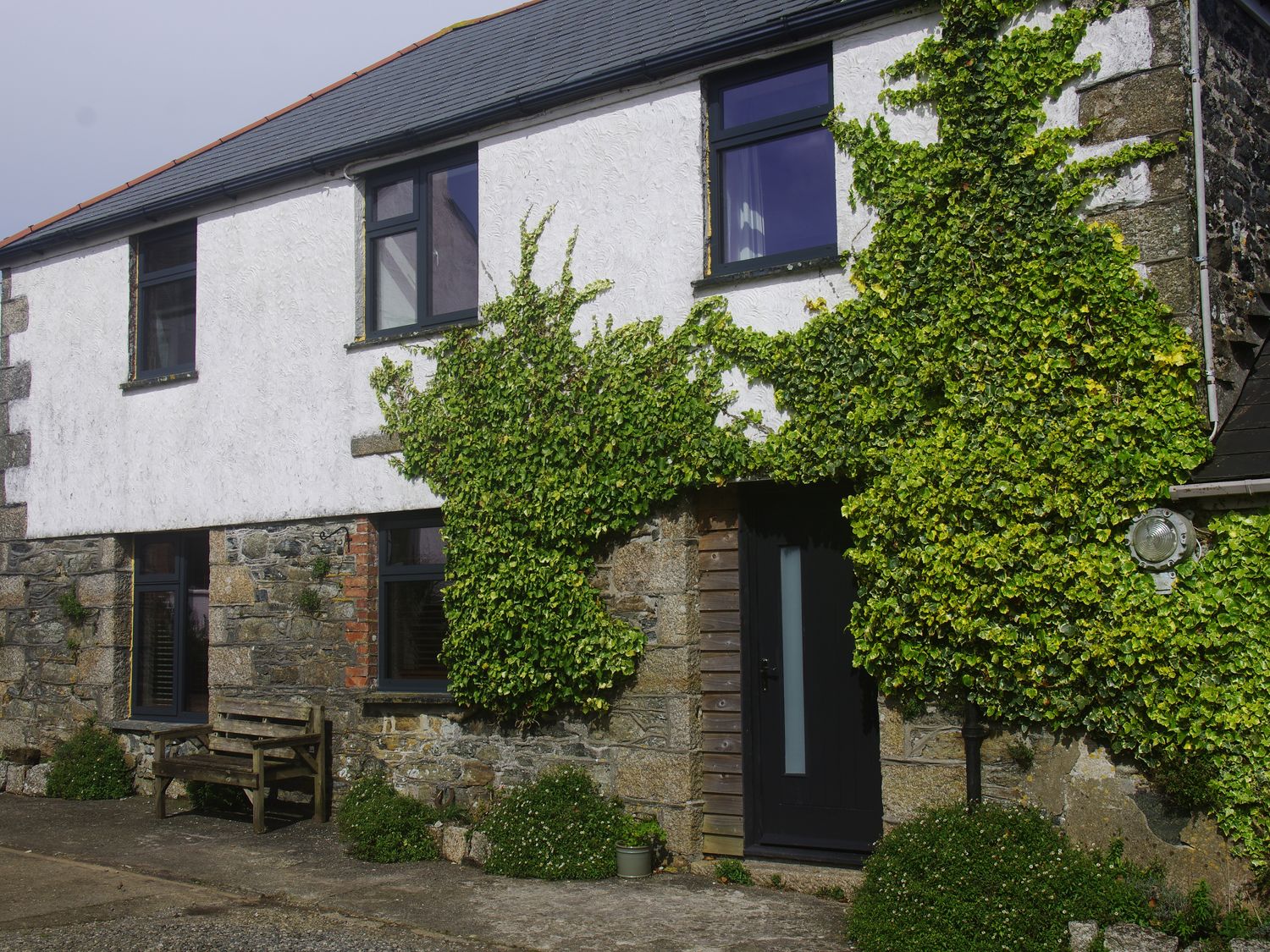
Ground-floor apartment. One king-size bedroom with en-suite walk-in shower, basin, heated towel rail and WC. Open-plan living space with kitchen, dining area and sitting area with electric fire


On the eastern side of The Lizard Peninsula, the pretty village of St Keverne, lying just 1.25 miles inland, is the focal point for this area, with its village pubs and shops surrounding the village square, and an impressive church spire, at one time used to guide the Cornish fishermen home. From St Keverne, you can easily explore the natural and spectacular beauty of the Lizard Peninsula by car, bicycle or on foot. You will find walled fishing harbours, tiny secret coves, sandy bays and dramatic clifftop walks along the South West Coastal path. Just north is the Helford River, a yachtsman’s dream and home to Frenchman’s Creek, and picturesque Helford village. A short walk takes you to Roskilly’s Farm, where you can tuck in to ice cream to die for. Further afield, visit Falmouth, with one of the world’s largest natural harbours, Pendennis Castle built by Henry VIII, and of course you cannot miss out on a trip to The National Maritime Museum.
With its sweeping beaches, rugged moorlands, hidden woodlands, and rolling countryside estates, Cornwall is a superb destination if you want to spend some time bird watching on holiday.
One of the best spots is Hayle Estuary Nature Reserve, managed by the RSPB. This rich wetland habitat attracts a variety of birdlife, including teals, wigeons, and goosanders. While winter offers the highest numbers, spring and early summer also bring migrant waders such as oystercatchers, dunlins, and whimbrels to the tidal pools and marshes.
Marazion Marsh, also managed by the RSPB and overlooking the iconic St Michael’s Mount near Penzance, boasts Cornwall’s largest reedbed. It’s a haven for species like chiffchaffs, Cetti’s warblers, little egrets, and grey herons. Bitterns are regularly recorded here, and birds of prey, including sparrowhawks and buzzards, are often spotted too.
For a variety of songbirds and raptors, head to the Rame Peninsula near Cawsand. This beautiful area of tidal creeks, sandy beaches, and peaceful farmland attracts goldcrests, firecrests, warblers, and buntings. You may also glimpse birds of prey such as hobbies, merlins, peregrine falcons, and, if you’re lucky, the rare hen harrier.
At Stithians Lake, a large reservoir, breeding birds like little grebes, coots, and moorhens are common. Waders such as greenshanks, ruffs, and curlew sandpipers can also be seen foraging along the muddy banks.
Not far from St Ives, St Ives Island, actually a headland between Porthmeor and Porthgwidden beaches, is a top spot for seabird watching, especially in autumn. Huge flocks of skuas, terns, gannets, fulmars, and auks pass by, alongside waders like purple sandpipers, whimbrels, and turnstones.
Finally, no trip to Cornwall would be complete without exploring Bodmin Moor. This dramatic granite moorland, scattered with ancient ruins and rich in wildlife, is especially rewarding in spring and summer, when skylarks, stonechats, wheatears, and sedge warblers arrive to breed. In autumn and winter, the moor plays host to thousands of golden plovers, along with snipes and the more elusive jack snipe.