


The avocet is an elegant, black and white wading bird known as the symbol of the RSPB.
Breeding birds: 1,500 pairs
Wintering birds: 7,500
Family: Stilts And Avocets
The avocet has a predominately white body contrasted by black markings. Its scapulars and sides of the mantle are black, as are the outer lesser coverts, median coverts, and outer six primary flight feathers on its upperwing. There are 3 black bands on the wing. The underparts are white.
The forehead, crown, nape, and upper hindneck are black, while the chin, throat, foreneck, and cheeks are white. It has a long, black bill which curves up at the end, its eyes are dark brown, and its the long legs and webbed feet are pale slate-grey.
Male and female avocets appear very similar, except the female’s bill is typically shorter and more curved than the male’s.
The juvenile avocet has less pronounced contrast in its plumage, with brown tinges to the black parts, and grey or buff mottling to the white parts.
Try our interactive bird identifier
The avocet breeds between mid-April and June and produces 1 brood per season. It nests in colonies of about 150 pairs in open areas or with sparse vegetation. The nest is built by both the male and female on mud, and it is either a scrape in the ground or a mound made of stems, roots and leaves from marsh vegetation, lined with grass.
The avocet lays 3-4 pale buff eggs with black markings, which are incubated by both parents for 23-25 days. The chicks are covered in silvery-grey down and can leave the nest and feed themselves within a few hours of hatching. They fledge at about 35-42 days but will remain dependent on their parents for some time afterwards. They are sexually mature at 2 years.
The avocet’s diet consists of invertebrates such as crustaceans, worms and insects. It feeds in the shallow water of lagoons either by picking prey from the surface or using its bills to sweep through loose sediment.

Avocets are found along the east coast of England in the summer and south-west England in the winter. The Exe estuary is a particularly good location to see them.
It breeds in brackish water in lakes, lagoons, and estuaries with some vegetation. Out of breeding season, it moves to tidal mud flats but can occassionally be seen on lakes and rivers.
Britain's Birds
RSPB Handbook Of British Birds
Collins Bird Guide
The RSPB first used the avocet as a symbol in 1955 although it was not incorporated into its logo until 1970.


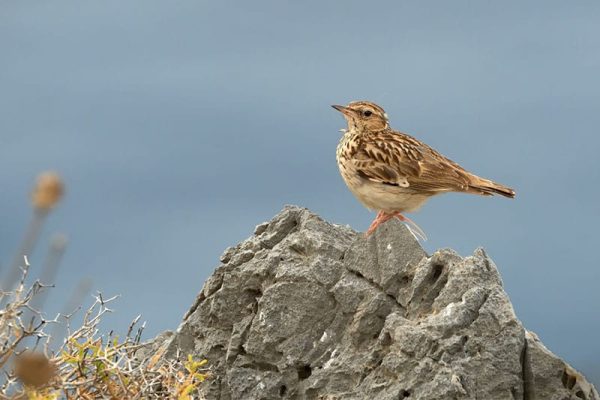
One Response
Saw this bird today in Burton – on – Trent. It swooped down onto the road outside my house , picked something up and was gone. DE159LD, close to River Trent scrapes have been created on the washlands to encourage waders