|
|
|
Bird Baths In Winter

Bird Baths In Winter

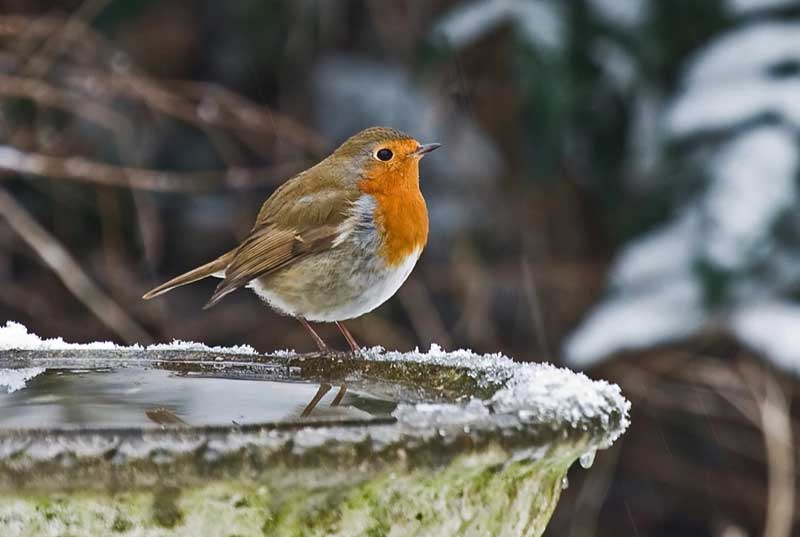
Robin Bird Bath

Providing water for birds during summer is essential, particularly in hot and dry conditions. However, it is just as important to maintain a clean, fresh water supply in winter when natural sources of water may freeze.

Birds rely on water not only for drinking but also for bathing, which is crucial for keeping their feathers in good condition. Properly maintained feathers help insulate birds and keep them warm in cold weather. While birds can sometimes drink water from snow or ice, a bird bath is an invaluable resource for them during the winter months.

Choosing a bird bath for winter

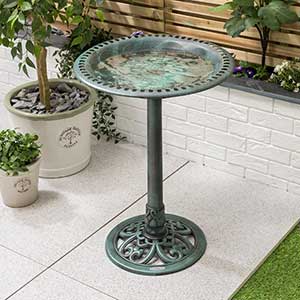
Not all bird baths are suitable for use during harsh winters. Materials such as concrete or ceramic can crack or break when exposed to frost or heavy snow, so it’s better to use metal or plastic bird baths during the colder months. These materials are more resistant to freezing temperatures and are less likely to sustain damage.

Preventing freezing

One of the challenges of using a bird bath in winter is preventing the water from freezing. Here are a few tips:

Place your bird bath in the sunniest spot in your garden. Direct sunlight will help to slightly warm the water and delay freezing.

Use solar energy: Line the bottom of the bird bath with a black bin bag. The dark surface absorbs more solar energy and helps keep the water from freezing as quickly.

Floating objects: If your bird bath is large enough, float a small object like a tennis ball or a ping pong ball on the surface. The wind will move the object around, creating ripples that help prevent ice from forming.

Avoid chemicals: Never use anti-freeze, salt, or other chemicals to stop water from freezing. These substances are toxic to birds and can be fatal if ingested.

Recommended for you

Bird Bath Heater
Bird Bath Heater
Bird Bath De-Icer
Bird Bath De-Icer
Resin Bird Bath
Resin Bird Bath

Before the winter sets in, thoroughly clean and sterilise your bird bath. Algae may have built up over the summer, and warm water can be a breeding ground for bacteria. A good cleaning ensures that the water provided to birds during winter is hygienic and safe.

Daily maintenance

The simplest and most effective way to keep your bird bath ice-free is to pour hot water into it each morning to melt any ice that has formed overnight. Doing this ensures that birds have access to a fresh supply of water every day.

If you’re unable to tend to your bird bath daily, consider investing in a heated bird bath or a bird bath heater. These are designed to keep water from freezing and are safe for birds.

Ensure that any heater you use is specifically made for outdoor bird baths to avoid safety risks.

Which birds use bird baths in winter?

During the winter months, a variety of birds are drawn to bird baths as natural sources of water become scarce due to freezing temperatures. While all bird species need access to fresh water, certain ones are more commonly spotted using bird baths during the colder months.

Common garden visitors

Robins: These iconic winter birds are frequently seen in gardens, especially when snow covers the ground. Robins rely on bird baths for drinking and bathing to keep their feathers in good condition.

Blackbirds: Blackbirds are frequent visitors to bird baths throughout the year. In winter, they can often be seen splashing around or sipping from the water, especially when ground water sources are frozen.

Blue tits and great tits: These small, colourful birds are common in gardens and often make use of bird baths for drinking. Bathing is less common in freezing weather, but it does happen, as maintaining feather insulation is critical.

Starlings: Starlings tend to visit in small flocks, especially in the winter. They are sociable birds that often bathe together, creating a lively scene in your bird bath.

Your next read

Shop Squirrel Proof Feeders And Baffles
Guide To Smart Bird Feeders
Shop Smart Bird Feeders
Shop Bird Baths
Shop Bird Food Storage

House sparrows: House sparrows are hardy birds that thrive in urban and suburban areas. They frequently use bird baths to drink, even during the coldest months.

Countryside and migratory birds

Song thrushes: Song thrushes are year-round residents, that rely on water sources to drink and bathe, especially when ponds and streams are frozen.

Redwings and fieldfares: Fieldfares and redwings are migratory species of thrush and are usually spotted in rural areas and open fields during winter. They will visit bird baths in gardens if food and water are available.
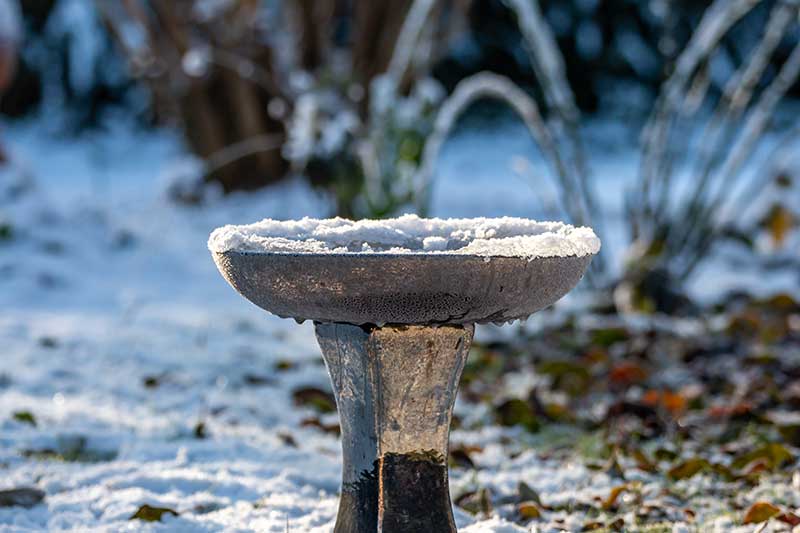
Bird Bath In Snow

Goldfinches: These colourful birds are increasingly seen in UK gardens, especially if you provide supplementary food. They use bird baths to drink, often in small groups.

Wrens: Although shy and solitary, wrens may use a bird bath for drinking if it’s placed in a sheltered, quiet spot.

Larger birds

Wood pigeons: Wood pigeons will visit bird baths to drink and sometimes bathe, even in winter. They prefer larger, sturdier bird baths that can accommodate their size.

Magpies: Magpies are intelligent and adaptable birds that may use bird baths in search of water during icy conditions.

Collared doves: These gentle birds are regular visitors to bird baths and will use them for drinking, particularly when puddles and streams are frozen.

Birds you may not expect

Goldcrests: As the UK’s smallest bird, goldcrests may occasionally use bird baths, especially if the water is shallow enough for them to perch safely.

Dunnocks: These shy ground-feeders often drink from bird baths in winter, particularly if it is placed near shrubs where they can retreat to safety.

Tips for winter bird baths

Keep it clean: Even in winter, bird baths can become dirty from bird droppings or fallen debris. Rinse the bath regularly and give it a thorough clean at least once a week.

Provide shallow access: Make sure the water is shallow enough for small birds to bathe safely. Add a few pebbles or stones to the bottom of the bath to provide perching spots.

Offer multiple water sources: If you have space, set up more than one bird bath in your garden. This ensures that if one freezes or gets crowded, birds will still have access to water.

Why water is important in winter

In winter, birds need water not only for hydration but also to maintain the insulating properties of their feathers. Bathing allows them to remove dirt and oil that can prevent feathers from locking together properly, which is essential for trapping heat.

Dehydration can also be a problem for birds in winter, as frozen water sources make it harder for them to find drinking water. By providing a reliable bird bath, you play a vital role in helping birds survive the colder months.

Maintaining a bird bath in winter requires some effort, but the rewards are significant. Not only will you be supporting your local bird population, but you’ll also enjoy watching a variety of species visit your garden for water, even during the chilliest days of the year.

This page contains affiliate links. For more information please see our disclosure here.

Share your thoughts

Leave a Reply

Your email address will not be published. Required fields are marked *

More advice for a bird friendly garden

Birds At A Mixed Seed Bird Feeder
Buying Bird Food In Bulk
Jay On A Bird Bath
Bird Bath Mistakes
Modern Bird Feeder
Shop Modern Bird Feeders
Woodpecker Eating Fat Balls
Feeding Birds In Summer
Stone Pebble Bird Bath
Shop Bird Baths
Window Bird Feeder
Guide To Window Bird Feeders
Blackbird In A Bird Bath
Misconceptions About Bird Baths
Robin With Nesting Material
Nesting Material For Your Garden Birds
Squirrel Buster
Shop Squirrel Proof Bird Feeders And Baffles
Garden Birds On A Bird Table
How To Choose A Bird Table

Secure your bird watchig break for just £10

Secure your bird watchig break for just £10

Secure your bird watching break for just £10