Although birds have access to more natural food sources in the summer, it’s still important to continue offering food in your garden, especially if you live in a highly urbanised area. Birds need plenty of energy during the summer, particularly for raising their young and while moulting, and extra food will be appreciated. Depending on the weather, they may also struggle to find sufficient food.
For instance, during hot weather, birds may have difficulty finding worms from the ground, an essential food source for softbills such as blackbirds and robins. Conversely, if the summer is unusually wet or cold, there could be a shortage of insects and caterpillars, making supplementary feeding even more vital.
In summer, birds require high-protein foods. Mealworms, grated cheese, and peanuts are great options. Dried mealworms should be soaked, and peanuts must be crushed to avoid choking hazards for young birds. Never feed salted peanuts, as the salt is highly toxic and can be fatal to birds. Although peanut butter is a convenient way to offer peanuts, it can melt in hot weather and may cause oil to cling to birds’ feathers, which can be harmful.
Fruit is also a popular treat for birds. Apples, grapes, pears, raisins, and currants will attract thrushes, tits, and other species. Chop the fruit into pieces and scatter it on the ground, or place it on a bird table, in a suet cage, or an apple feeder.
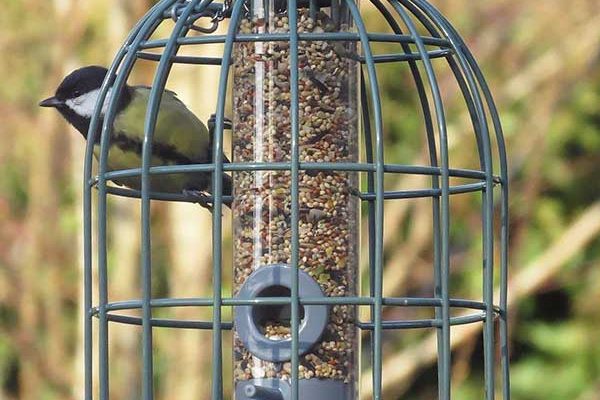
Bird seed is another excellent option for attracting a variety of species. You can use an all-purpose mixed seed blend or opt for single-mix seeds like millet or maize for house sparrows. Sunflower hearts and niger seed are ideal for attracting goldfinches to your garden.
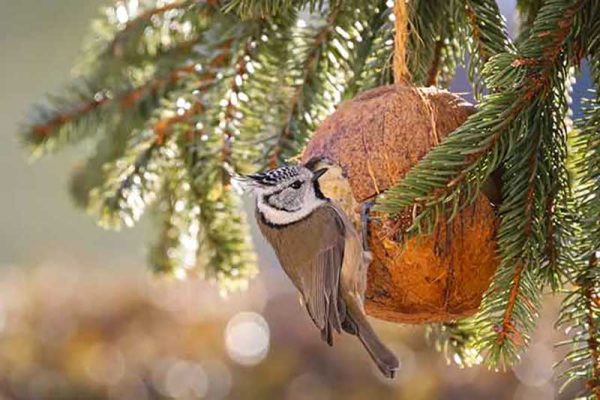
Kitchen scraps can still be put out for birds in summer, but be mindful that in hot weather, food can spoil more quickly. Feed little and often to avoid waste. High-fat foods like suet aren’t ideal in the summer, but specially formulated suet blocks that don’t melt can be offered. Avoid giving too much “junk food”, such as bread and rice, as these provide little nutritional value, particularly for nestlings and juvenile birds.
Keep bird baths topped up regularly, as they will be used more for drinking and bathing in warmer weather. You may need to refill them several times a day, as evaporation can be rapid.
In extremely hot weather, birds can suffer from heat stress or heatstroke. Providing shallow water sources or even misting areas can help them stay cool and hydrated.
Hygiene is particularly important for bird food and water in the summer. Keep feeders in the shade to prevent food from spoiling and to provide birds with a more comfortable feeding spot. Regularly check feeders for mildew or infestations, and only put out enough food that birds can consume in a day to prevent attracting rats and other vermin.
Clean bird tables and feeders regularly to remove old food and minimise the risk of disease. Bird baths should also be sterilised frequently to prevent algae and bacteria build-up in stagnant water.
During the summer, cats may be more active, so ensure there are nearby hiding spots where birds can retreat if they feel threatened. Squirrels, too, will be attracted to the food you put out, so consider using squirrel-proof feeders or baffles to stop them from stealing it all.
If you experience problems with unwanted visitors like squirrels or pests, it may be best to stop feeding birds for a few days. This will allow the pests to move on and give the birds a chance to find food elsewhere. Once you resume feeding, the birds will quickly return.
Birds are most active during the early morning and late evening, so it’s best to put food out at these times. This increases the chances of attracting birds to your garden when they are foraging.
While feeding birds is important, creating a habitat that encourages natural foraging is also valuable. Planting native plants that provide seeds or berries, or leaving part of your garden wild, can help birds find natural food.
Refrain from using pesticides or chemical treatments on plants, as they can harm birds and the insects they feed on. A chemical-free garden benefits both your local bird population and the wider ecosystem.
During the summer, nesting birds have additional nutritional needs. They require extra protein to feed their chicks, so high-protein foods like mealworms or sunflower hearts are particularly beneficial. It’s also helpful to provide more accessible food for both the parents and their fledglings.
Feeding birds during the summer is essential for their health and well-being. It’s also one of the best times of the year to observe birds in your garden, as they raise their families and enjoy the warm weather. By offering the right types of food, maintaining hygiene, and providing a safe environment, you can support local bird populations and help them thrive during the summer months.
This page contains affiliate links. For more information please see our disclosure here.