|
|
|
What To Feed Your Garden Birds

What To Feed Your Garden Birds

Sparrows At A Bird Feeder

To attract wild birds to your garden, offering a regular supply of bird food is the most effective way. Birds enjoy a wide variety of foods, so to encourage a range of species, provide a mix of seeds, nuts, fat, live bird food, and even some of your household leftovers.

Live bird food and protein

Parent birds require protein-rich food to nourish their chicks, making live food especially important during the spring and summer months. To naturally encourage caterpillars and insects into your garden, plant wildlife-friendly plants. If you’re not squeamish, you can also supplement their diet with live or dried mealworms, available from specialist suppliers.

Mealworms are packed with protein and calories, making them a great food source for birds, particularly in winter. You can sprinkle them on bird tables, add them to feeders, or scatter them on the ground. However, if hedgehogs visit your garden, be sure to keep mealworms out of their reach. They are high in phosphorus and low in calcium, which can lead to bone disease and fractures in hedgehogs.

Another excellent source of protein is pet food. Tinned dog or cat food is cheap, nutritious, and particularly loved by starlings. However, avoid offering dog biscuits, as they are too hard and could pose a choking hazard to birds.

While you might remember seeing blue tits pecking at the foil tops of milk bottles, never feed birds milk. Milk can cause serious digestive issues. The blue tits were actually after the cream, which is high in fat, not the milk itself.

Birds that eat live food and protein

Blue tits – Known to eat mealworms, caterpillars, and other insects.

Great tits – Also enjoy insects and larvae, especially in spring and summer.

Robins – They thrive on live food such as worms, caterpillars, and mealworms.

Nuthatches – Will readily consume mealworms and insects.

Starlings – Known for eating a variety of insects, including mealworms and caterpillars.

House sparrows – Often eat live food such as caterpillars and small insects.

Blackbirds – Will feed on worms, insects, and mealworms, especially during the breeding season.

Nuts

Many bird species enjoy eating nuts, with peanuts being the most popular choice. Always purchase peanuts from a reputable supplier to ensure they are free from aflatoxins, which are toxic to birds, and avoid offering salted, roasted, or flavoured nuts, as these can be harmful.

Recommended for you

Fat Balls For Birds
Fat Balls For Birds
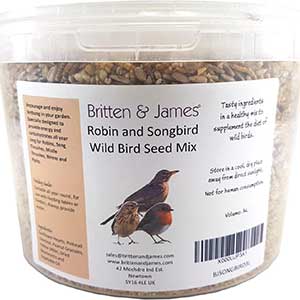
Robin And Songbird Mix
Premium Dried Mealworms
Extra Select Dried Mealworms

During the breeding season, refrain from offering whole peanuts or other hard, dry foods, as young chicks may choke on them. Instead, provide specially formulated fledgling food or crushed peanuts, which are ideal for attracting robins and dunnocks.

Nuts are also a favourite of squirrels, so if you’d rather not have them raiding your bird feeders, consider using a squirrel-proof feeder. Alternatively, you could offer squirrels their own food to help keep them away from the birds’ supplies.

If you’re feeding nuts to birds, it’s important to also provide plenty of fresh water. Birds that eat seeds and nuts require more water than those that primarily consume insects.

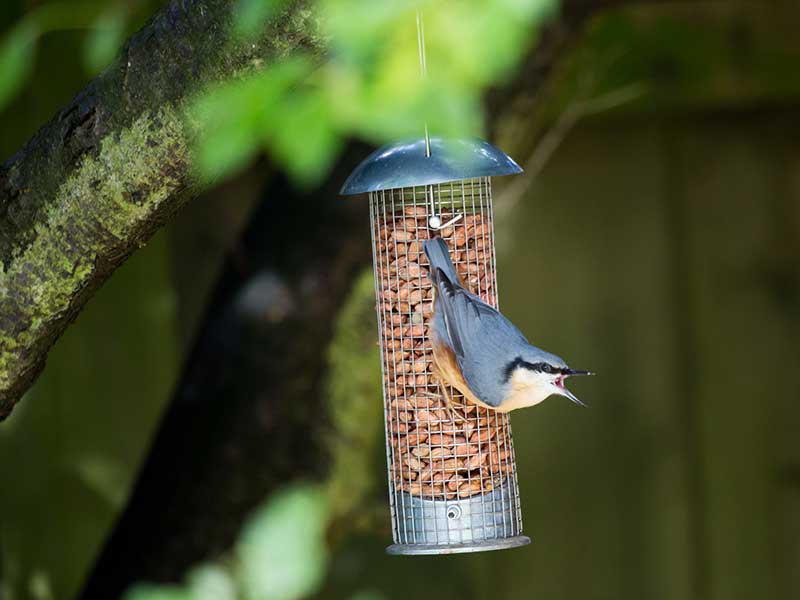
Nuthatch On A Bird Feeder

Another great treat is fresh coconut. Simply cut it in half, drain the water, and hang it up for birds like tits and great spotted woodpeckers. Avoid using desiccated coconut, as it can swell in birds’ stomachs. Pre-filled coconut feeders with bird food mixes are also available for easy feeding.

Birds that eat nuts

Blue tits – Will eat peanuts, especially when they’re broken into smaller pieces.

Great tits – Enjoy a variety of nuts, including peanuts and peanut butter bird food

Coal tits – Will happily tuck into nuts at a bird feeder, particularly in winter

Nuthatches – Known for eating peanuts and other tree nuts, often foraging along tree trunks.

Woodpeckers – Especially the great spotted woodpecker, which will eat peanuts and other nuts.

Jays – A fan of acorns, hazelnuts, and other tree nuts, often hiding them for later.

Crows – Will eat a variety of nuts, including peanuts and acorns.

Magpies – Also enjoy peanuts and other types of nuts.

Seeds and grains

Seed mixes can attract a wide variety of bird species, but if you want to target smaller birds, opt for single seeds or specially formulated mixes designed for them. These tend to exclude oats and wheat, which smaller birds find difficult to digest.

Sunflower seeds are an excellent choice and one of the best all-round foods for birds. Packed with protein and essential oils, they help maintain birds’ health and keep their feathers in top condition. Sunflower hearts, which are sunflower seeds without the husks, are particularly convenient. These reduce waste beneath feeders and save birds energy, as they don’t need to remove the husk.

Your next read

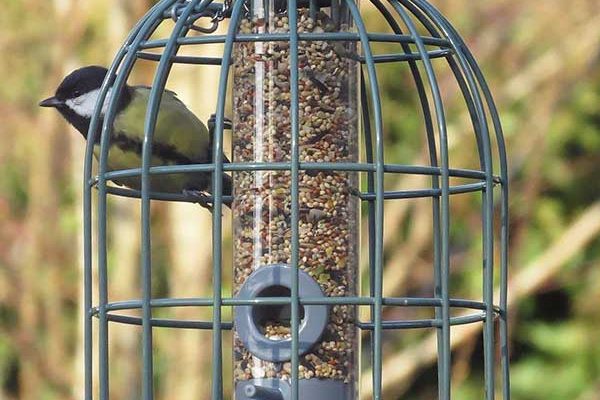
Shop Squirrel Proof Feeders And Baffles
Guide To Smart Bird Feeders
Shop Smart Bird Feeders
Shop Bird Baths
Shop Bird Food Storage

If you grow sunflowers in your garden, you can offer the seeds from dried heads in a bird feeder or on a tray. These seeds are safe for year-round feeding and will attract a range of species.

Another popular option is niger seed (also called nyger or nyjer seed). These tiny seeds often fall out of regular feeders, so a special niger seed feeder or tray is recommended. Finches and siskins particularly enjoy them, and with luck, large flocks may visit your garden to feast on these oil-rich seeds.

Porridge oats or coarse oatmeal are also favoured by many species, such as chaffinches and bramblings. You can also offer cooked rice, cooked couscous, and cooked pasta, along with small amounts of plain breakfast cereal.

Birds that eat seeeds and grains

Blue tits – They feed on sunflower seeds, especially sunflower hearts, and other small seeds.

Great tits – Known to enjoy sunflower seeds and other small seeds.

Goldfinches – Particularly fond of thistle seeds (niger seed) and sunflower seeds.

Chaffinches – Eat a variety of seeds, including sunflower seeds, millet, and oats.

Greenfinches – Enjoy sunflower seeds, as well as other seeds like millet and dandelion.

House sparrows – Feed on a range of seeds, including sunflower seeds and mixed seed mixes.

Siskins – Particularly love niger seeds and other small seeds.

Collared doves – Will eat sunflower seeds, millet, corn, and a variety of other seeds.

Wood pigeons – Enjoy seeds like millet and corn especially when mixed with other bird food.

Dunnocks – Often feed on seeds, especially those scattered on the ground or in feeders.

Fats

During winter, small birds like blue tits need to consume up to a quarter of their body weight in food daily to survive the cold. Therefore, providing foods high in fat is essential. You can offer unsalted, finely chopped bacon rinds, solidified dripping, or grated hard cheese. Hanging a fat feeder will also provide an extra source of nutrition during the colder months.

Suet pellets, fat balls, and fat blocks are convenient ways to supply birds with fat. These come in various sizes and are often mixed with additional ingredients like seeds, nuts, mealworms, and berries for added variety.

Birds that eat fat

Blue tits – Known to enjoy fat, especially in suet balls or blocks.

Great tits – Will readily feed on fat-based foods, including suet and fat balls.

Woodpeckers – Particularly great spotted woodpeckers, which love suet and fat offerings.

Nuthatches – Often attracted to fat balls, suet cakes, and lard-based foods.

Robins – Will happily feed on fat in the form of suet or bacon rinds.

Long-tailed tits – Will take advantage of fat balls, suet cakes, and similar food.

Starlings – Enjoy a variety of fat-based foods, including suet pellets and fat balls.

House sparrows – Known to consume fat-rich foods, especially in winter.

Chaffinches – Will readily suet and lard cakes.

Blackbirds – Will benefit from fat-based food, particularly in the winter months.

Fruit and berries

Blackbirds and thrushes will happily feed on fruit, including dried varieties left on a bird table or windfall fruits scattered on the ground. Rather than discarding any bruised fruit, chop it into small pieces and offer it to your garden birds. Apples, pears, bananas, peaches, and grapes are all excellent choices, but be sure to remove any seeds or pits before putting them out.

To provide natural fruit sources, consider planting bird-friendly trees and shrubs for a continuous supply of food throughout the autumn and winter. Holly, ivy, rowan, and spindle berries are particularly beneficial for wood pigeons, thrushes, robins, and blackcaps. These plants will also brighten your garden when many others have lost their leaves.

Birds that eat fruit and berries

Blackbirds – Particularly enjoy apples, berries, and other soft fruits.

Robins – Will often eat soft fruit, including berries and small pieces of apple.

Mistle thrushes – Known to feed on berries and fallen fruits in the autumn and winter.

Starlings – Eat a wide range of fruits, particularly during the colder months.

Woodpigeons – Enjoy berries, apples, and pears.

Song thrushes – Will feed on a variety of fruits, including apples, pears, and berries.

Blackcaps – Are particularly fond of soft fruits such as berries and apples.

Chaffinches – Will feed on small fruits and berries when available.

Fieldfares – These winter migrants feed on berries, especially those from hawthorn and rowan trees, as well as windfalls

Redwings – Often feed on berries, particularly in winter, and can be seen foraging in berry-laden bushes and trees.

Providing a variety of foods in your garden is an excellent way to support a wide range of bird species throughout the year. From seeds and nuts to fruits, fat, and live food, different birds have different dietary needs that you can cater to by offering the right foods. By doing so, you not only help birds thrive but also enjoy the rewarding experience of watching them in your garden.

This page contains affiliate links. For more information please see our disclosure here.

Share your thoughts

Leave a Reply

Your email address will not be published. Required fields are marked *

More advice for a bird friendly garden

Seven Spot Ladybird
Wildife Friendly Pest Control
Garden Pond
Building A Garden Pond
Blackbird Feeding
How To Feed Ground-Feeding Birds
Shop Smart Bird Feeders
Treecreeper Nest Box
Specialist Nest Boxes For Wild Birds
Bird Feeder In The Snow
Feeding Garden Birds In Winter
Blackbird In A Bird Bath
Misconceptions About Bird Baths
Ground Bird Bath
Shop Ground Bird Baths
Bird Food Storage Tin
How To Store Bird Food
Robin Bird Bath
Bird Baths In Winter

Secure your bird watchig break for just £10

Secure your bird watchig break for just £10

Secure your bird watching break for just £10