|
|
|
Wildife Friendly Pest Control

Wildife Friendly Pest Control

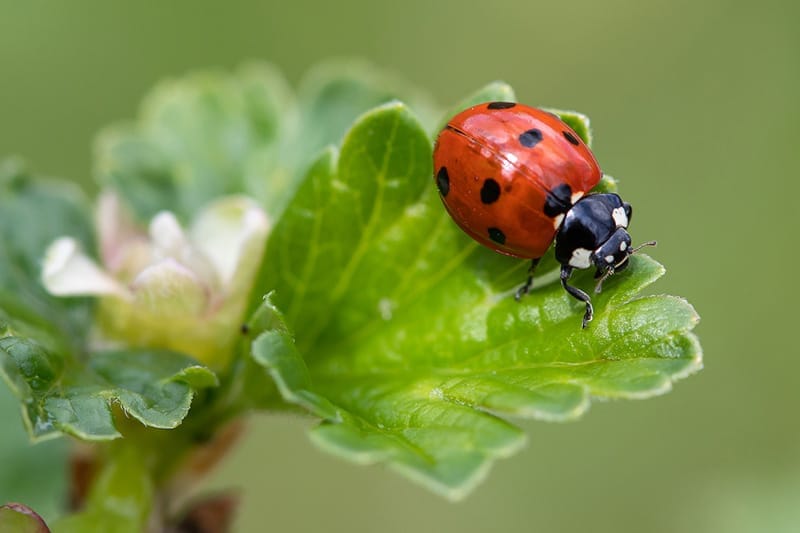
Seven Spot Ladybird

Whether your garden is fully wildlife-friendly or you’ve set aside just a small patch, managing pests can be challenging. Traditional chemical-based pesticides often do more harm than good, disrupting the delicate balance of the garden ecosystem. They can have a devastating effect on pollinators like bees and butterflies, as well as other beneficial wildlife, including birds and small mammals such as hedgehogs.

One of the major drawbacks of chemical pesticides is their lack of selectivity. While you may aim to target a specific pest, these products often harm a wide range of other creatures, including the pests’ natural predators. This imbalance can have long-term consequences: once the use of pesticides stops, pest populations may rebound quickly, unchecked by the predators that were inadvertently eliminated.

Encouraging natural predators

An effective and eco-friendly way to manage pests is by attracting their natural predators. Insects, birds, and small mammals can play a vital role in keeping pest populations in check, without the need for harmful chemicals

Recommended for you

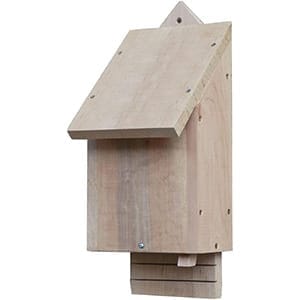
Bat Box
Bat Box
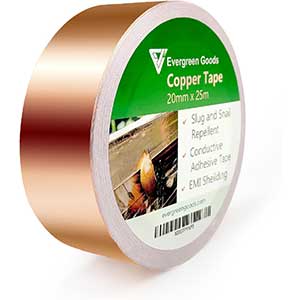
Copper Slug Tape
Copper Slug Tape

Insects

Insects such as ladybirds, lacewings, hoverflies, beetles, solitary bees, and parasitic wasps are invaluable allies in the fight against garden pests, feeding on aphids, scale insects, and mealybugs. They serve as nature’s frontline defence against pest infestations, and to attract them, consider planting a variety of flowering plants that offer nectar and pollen. Plants like lavender, dill, fennel, angelica, marigold, and yarrow are excellent choices for attracting ladybirds and other predatory insects.

Providing shelter is also important for insects, particularly during the winter months. Many species hibernate in decayed wood and dead plant stems, so try delaying your garden clean-up until spring. A simple pile of wood or a compost heap can make an ideal home for overwintering insects. Alternatively, you could build a bug hotel by layering materials like house bricks, broken pieces of plant pots, wood, bamboo, straw, dead grass, dry leaves, twigs, pine cones, and pieces of bark. This will create plenty of nooks and crannies where insects can find refuge.

It’s important to remember that predatory insects are also part of the food chain and may become prey for other wildlife, such as birds, frogs, small mammals, and even larger insects. Supporting these interconnected relationships helps maintain a balanced and thriving garden ecosystem.

Birds

Birds, particularly insect-eaters, are some of the most effective natural pest controllers you can welcome into your garden. Thrushes relish slugs and snails, aphids are a favourite of tits, and even seed-eating birds often pick off caterpillars during breeding season to feed their chicks.

You can encourage birds to visit your garden by supplementing their natural food sources with bird feed and ensuring they have access to fresh drinking water. Dense trees and shrubs provide excellent nesting spots, and installing nest boxes can attract species such as blue tits, house sparrows, and robins.

Even larger birds like magpies and jays, sometimes seen as nuisances, play an important role in pest control by consuming insects and caterpillars. Before shooing them away, consider their contribution to the garden’s ecosystem – they’re all part of nature’s team working to keep your garden healthy and thriving.

Mammals

Hedgehogs play an important role in maintaining ecological balance in gardens. They consume a wide range of garden pests, including slugs, snails, caterpillars, and insects, reducing the need for harmful chemical pesticides. Furthermore, as they forage, they dig up and aerate the soil, recycling nutrients and enriching plant diversity. By moving between gardens at night, hedgehogs also help disperse seeds and pollen, supporting the wider wildlife network. You can encourage hedgehogs into your garden by providing natural shelters such as log piles or a hedgehog house. Ensure there are gaps in boundary fences so they can move freely between gardens. To supplement their diet, you can offer pet food or specially formulated hedgehog food.

Bats are another exceptional natural pest controller. Every UK bat species is insectivorous, consuming up to 100% of their body weight in insects daily, including plant-damaging pests and biting insects.

Although bats are nocturnal and often go unnoticed, there are several ways to attract them to your garden. Plant pollinator-friendly, night-scented flowers like evening primrose, honeysuckle, and jasmine to attract night-flying insects. A wildlife pond is also an excellent addition, as it draws midges and aquatic larvae, favourites on the bat menu.

Bats, like hedgehogs, need suitable shelter. If your garden lacks mature trees, consider installing a bat box for them to roost in. To create a bat-friendly environment, minimise light pollution. Fit hoods to security lights and turn off decorative lights at night, as bats have evolved to avoid daylight predators such as birds of prey.

During summer, keep cats indoors for at least an hour before sunset, as this is when bats emerge from their roosts. While cats rarely eat bats, they may injure them while playing. Unfortunately, even a small scratch or bite can prove fatal for a bat due to infections caused by cat saliva.

Your next read

Shop Squirrel Proof Feeders And Baffles
Guide To Smart Bird Feeders
Shop Smart Bird Feeders
Shop Bird Baths
Shop Bird Food Storage

Companion planting

Companion planting is a popular technique among home vegetable growers for protecting crops from pests, and the same principle can be applied in wildlife gardens.

While not entirely foolproof, the idea behind companion planting is to grow certain plants alongside those you want to protect. These companion plants can deter pests with their scent, attract predators that feed on pests, or act as sacrificial plants, drawing pests away from your main crops.

For instance, planting nasturtiums alongside brassicas such as cabbages, cauliflowers, and sprouts can help safeguard your vegetables. Butterflies are more likely to lay their eggs on the nasturtiums instead, and when the caterpillars hatch, they’ll feed on the nasturtiums, leaving your vegetables untouched.

To attract predatory Insects

Marigolds: Plant marigolds near vegetables to attract hoverflies, which feed on aphids. Their scent also deters whiteflies and nematodes.

Dill, fennel, and parsley: These attract lacewings and ladybirds, both of which are excellent for controlling aphid populations.
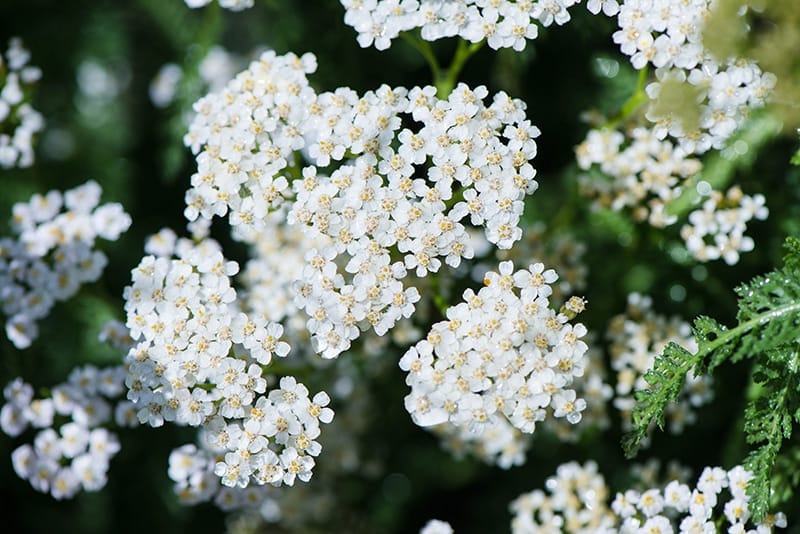
Yarrow

Yarrow: Its flowers attract predatory wasps, hoverflies, and ladybirds while also improving soil quality.

Deter pests

Lavender: Plant around roses or other plants prone to aphid infestations. Lavender’s strong scent masks the plants’ fragrance and repels pests.

Garlic and chives: Grow near carrots, lettuce, or roses to deter aphids, carrot flies, and slugs. Chives also repel Japanese beetles.

Sage: Plant near brassicas (like cabbage and kale) to deter cabbage moths and whiteflies.

As sacrificial plants

Sunflowers: Use them to lure aphids away from your more vulnerable plants, while also providing a food source for ladybirds and birds.

To attract pollinators

Borage: Encourages bees and pollinators while deterring pests like tomato hornworms. It pairs well with strawberries, tomatoes, and squash.

Wildflowers (like cornflowers and oxeye daisies): Essential for supporting bees and hoverflies, which can also help control pests.

For slug and snail control

Thyme and rosemary: Their aromatic leaves deter slugs and snails. Plant near lettuce, hostas, or other vulnerable plants.

Ferns: Create a protective border near slug-prone plants. Slugs tend to avoid the dry and rough texture of ferns.

The best approach to planting your wildlife garden is to incorporate a wide variety of plants. Planting a mixture of species, similar to the natural ecosystems found in permaculture, helps make gardens more resilient to disease outbreaks and harmful insects. By planting a diverse range of plants together, you can enhance the garden’s resilience to severe pest problems.

Physical pest control

Sometimes, the best way to prevent pests is to keep them out of your garden in the first place. Physical barriers can protect your plants and crops without harming wildlife.

Row covers

Row covers are a simple way to protect vegetables and flowers from pests like cabbage worms, aphids, and beetles. These covers, made of lightweight fabric, can be placed over crops to prevent pests from reaching them while still allowing for sunlight and rain to nourish the plants underneath.

Copper tape for slugs and snails

Slugs and snails can wreak havoc in a garden, particularly in moist conditions. Copper tape, placed around plant containers or the base of plants, can help deter these pests. When slugs or snails come into contact with copper, they experience a mild electric shock, which discourages them from moving forward. This method is safe for wildlife and free from chemicals.

Traps and deterrents

Larger pests like rats, squirrels, and rabbits can cause damage to plants and crops. Rather than using poison or harmful traps, consider using humane live traps that allow you to relocate the animals without harm. You can also use natural deterrents, such as citrus peels, coffee grounds, or strong-smelling herbs like mint, to repel these animals.

This page contains affiliate links. For more information please see our disclosure here.

Share your thoughts

Leave a Reply

Your email address will not be published. Required fields are marked *

More advice for a bird friendly garden

Blackbird In A Bird Bath
Misconceptions About Bird Baths
Solar Powered Bird Bath
Shop Solar Powered Bird Baths
Garden Pond
Building A Garden Pond
Great Tit At Bird Feeder
Refilling Bird Feeders
Ground Bird Bath
Shop Ground Bird Baths
Garden Pond
Stocking A Garden Wildlife Pond
Starling On A Bird Box
Bird Box Safety
Wood Pigeon Bird Bath
How To Clean A Bird Bath
Birds At A Bird Feeder
Aggressive Birds And Bird Feeders
Cat On A Bird Table
Unwanted Visitors To Your Bird Table

Secure your bird watchig break for just £10

Secure your bird watchig break for just £10

Secure your bird watching break for just £10