The beautiful coastlines and rolling countryside of Devon are a haven for bird watchers with a vast range of species to be spotted in their natural habitats across the county.
The Exe Estuary is one of Devon’s premier birdwatching sites, drawing thousands of migratory birds, especially during autumn and winter. The RSPB reserves at Bowling Green Marsh and Exminster Marshes have well-maintained nature trails and viewing platforms, offering excellent opportunities to spot species such as avocets, black-tailed godwits, brent geese, and wigeons.
Further south, near the estuary’s mouth, Dawlish Inner Warren, managed by the Devon Wildlife Trust, forms part of a sand spit that supports wintering waterfowl and seabirds, including divers, grebes, and seaducks.
As well as these seasonal visitors, the estuary is home to kingfishers, oystercatchers, and curlews, making it a must-visit destination for bird enthusiasts.
Dartmoor’s vast, rugged moorland provides a rich habitat for a variety of upland birds, including the elusive ring ouzel, red grouse, whinchats, and meadow pipits. Buzzards are a common sight soaring overhead, while peregrine falcons can often be seen hunting along the tors. In winter, you might even catch a glimpse of the endangered hen harrier, its graceful silhouette gliding over the landscape.
Devon’s mild climate and high rainfall create the ideal conditions for Dartmoor’s temperate woodlands, which support a range of migrant birds. Pied and spotted flycatchers, wood warblers, and redstarts make their homes here, while in spring, the distinctive call of the cuckoo heralds its return from Africa.
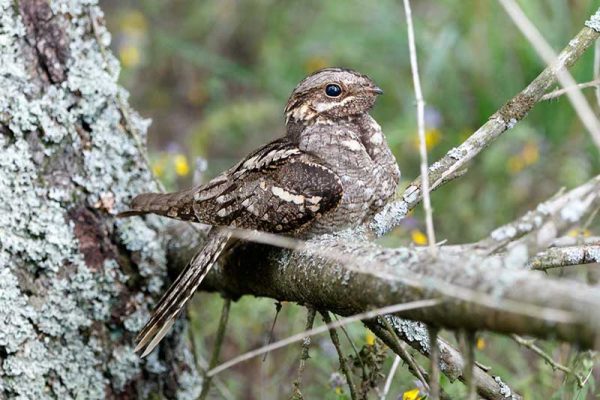
Dartmoor is also a stronghold for breeding waders, including dunlins, curlews, snipes, and lapwings. Other ground-nesting species such as stonechats, skylarks, and Dartford warblers thrive on the heathland, while in summer, the unmistakable churring of nightjars can be heard at dusk. As winter sets in, large flocks of fieldfares and redwings arrive to feast on berries and shelter in the hedgerows, adding to the ever-changing birdlife of this wild and beautiful landscape.
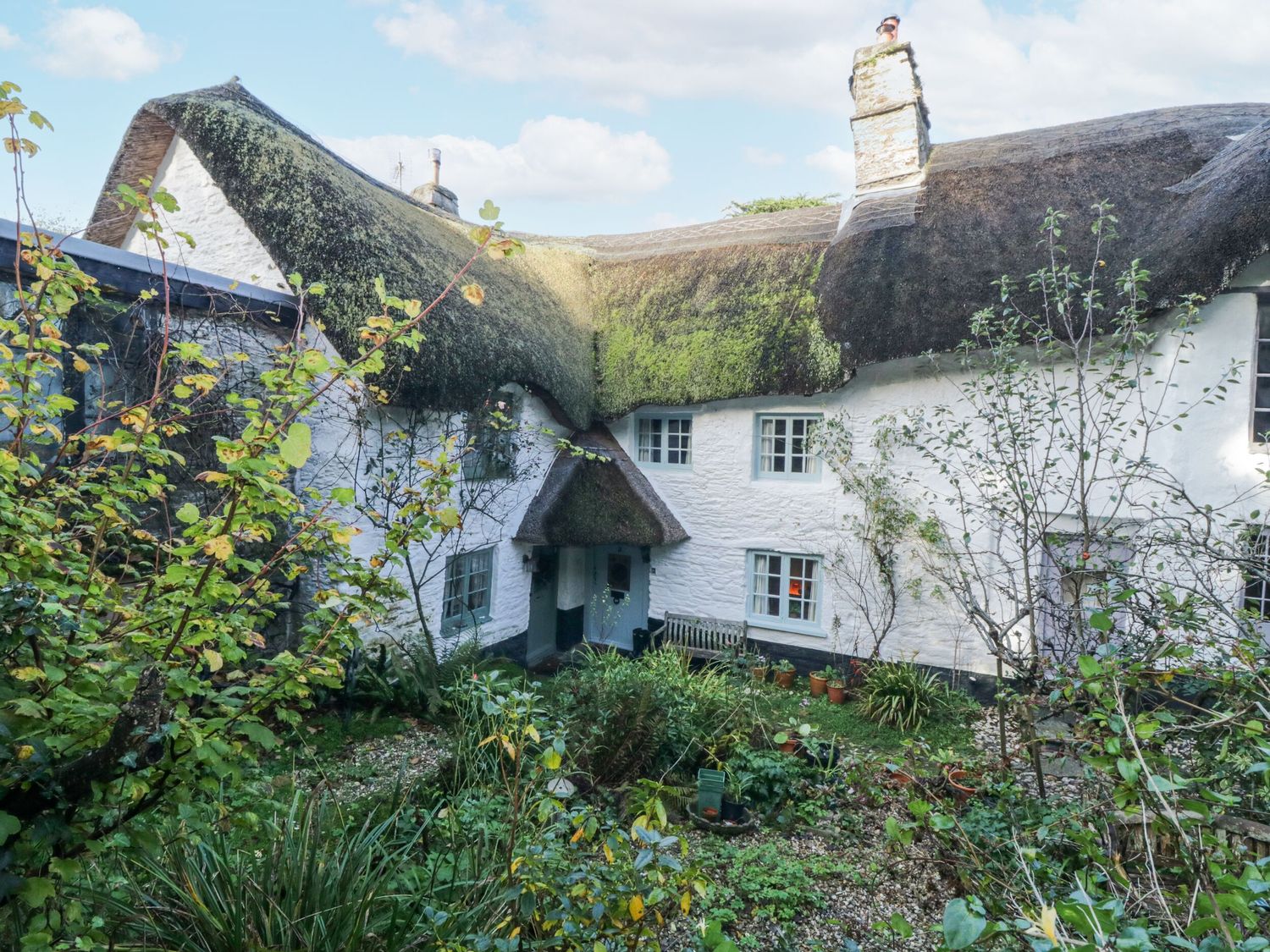
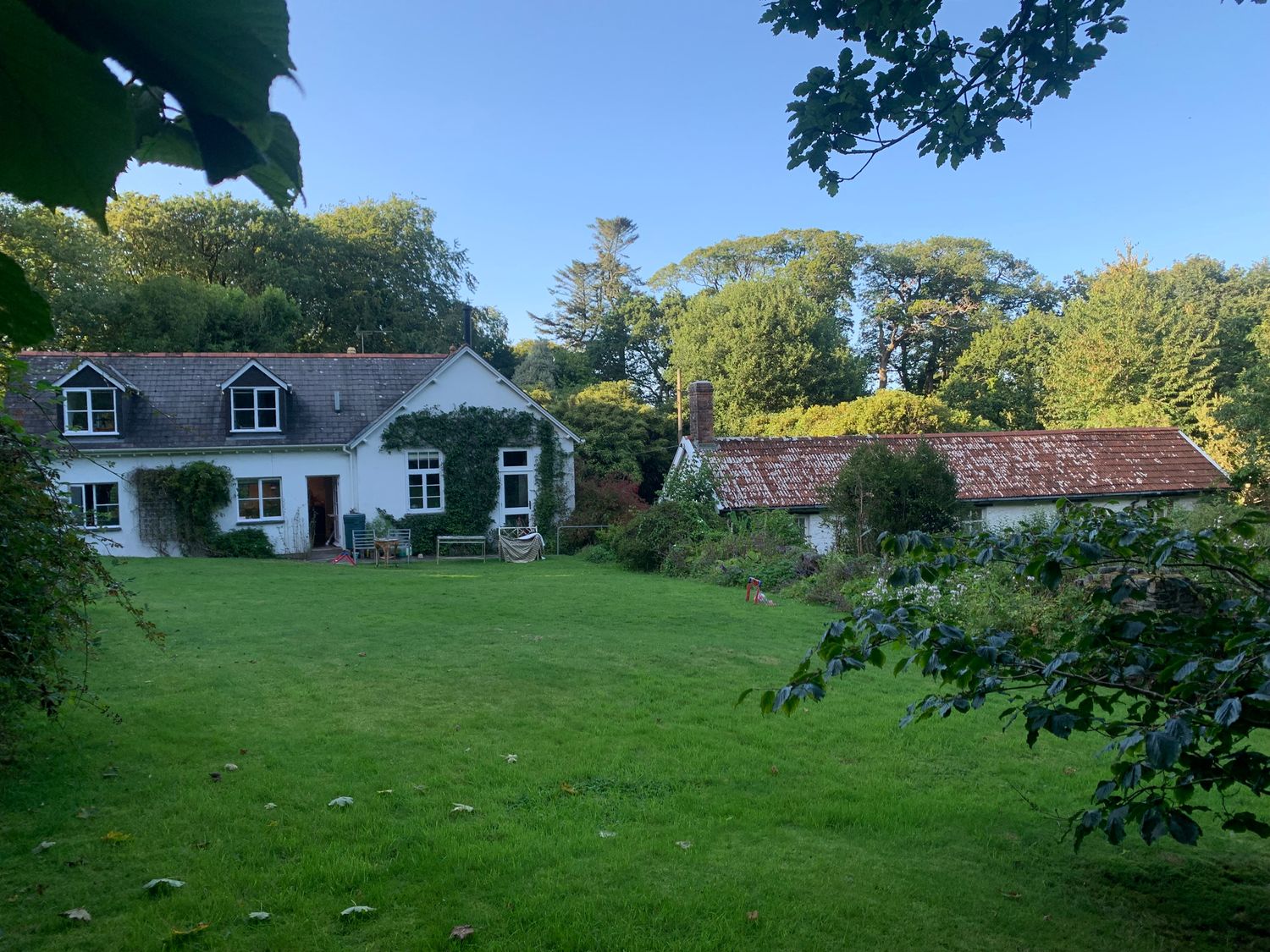
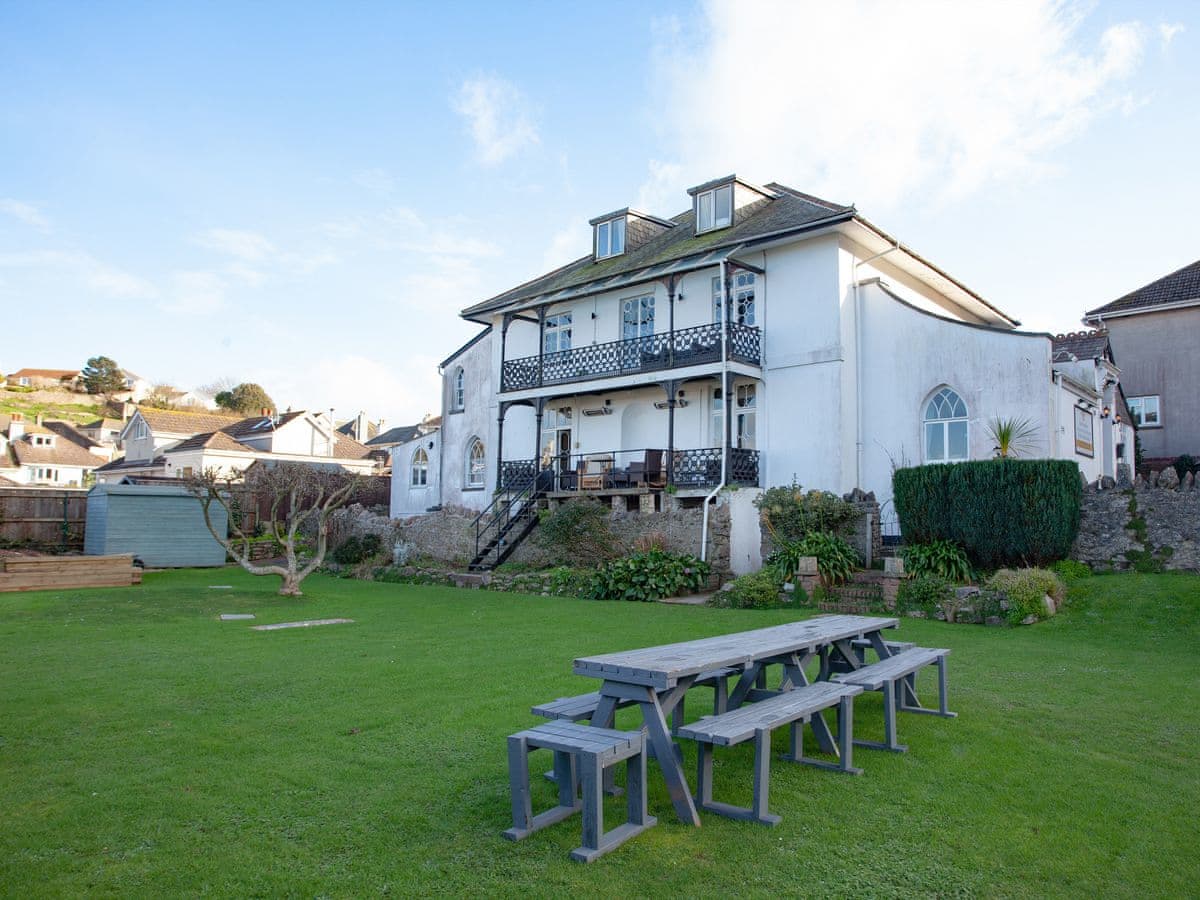
Check out these places to stay nearby
Exmoor’s landscapes are gentler than Dartmoor’s, with rolling hills, a stunning coastline, and prerry villages tucked into its valleys. Like its wilder neighbour, Exmoor supports a variety of moorland birds, including meadow pipits, tree pipits, linnets, stonechats, yellowhammers, and reed buntings. In spring, it is also one of the best places to hear the distinctive call of the cuckoo.
In the scrubby grasslands, look out for goldfinches, crossbills, and turtle doves foraging for seeds, while Exmoor’s nearly 100,000 acres of farmland provide breeding habitats for blackcaps and garden warblers, as well as food for finches, larks, and wagtails. The area’s broadleaved and conifer woodlands support all three British woodpeckers, along with nuthatches, treecreepers, goldcrests, redpolls, and siskins.
With around 300 miles of rivers and streams, Exmoor is also a fantastic place to spot dippers, kingfishers, sand martins, and grey wagtails, as well as waterfowl such as mallards, teals, goldeneyes, goosanders, and tufted ducks. Along the northern coastline, dramatic cliffs provide nesting sites for seabird colonies, including fulmars, kittiwakes, razorbills, and guillemots.
Located about 12 miles off the north Devon coast, Lundy Island has been described as one of Britain’s natural wonders. Managed by The Landmark Trust, its isolated position along a major migration route makes it an excellent spot for sighting rare vagrants, particularly from North America. Some of the species recorded here include the ancient murrelet, American robin, little bittern, and black-billed cuckoo.
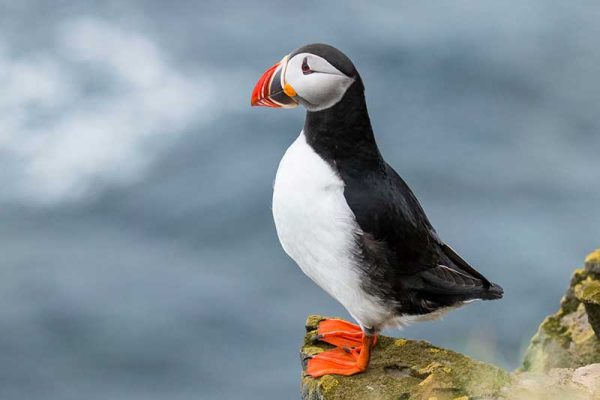
Between April and July, Lundy’s dramatic cliffs come alive with over 40,000 nesting seabirds, including puffins, the species that inspired the island’s name, as “Lundy” is derived from the Norse word for “Puffin Island”. Other seabird colonies include razorbills, guillemots, fulmars, kittiwakes, and Manx shearwaters.
The island also welcomes a range of breeding visitors such as oystercatchers, skylarks, meadow pipits, and swallows, while its resident bird population includes wrens, dunnocks, robins, song thrushes, rock pipits, and chaffinches, making Lundy a year-round haven for birdwatchers.
Slapton Ley National Nature Reserve is the largest natural freshwater lake in the southwest of England.
Breeding waterfowl include gadwalls, tufted ducks, mute swans, and great crested grebes, while during winter, the reserve welcomes visiting species such as wigeons, goldeneyes, little grebes, and occasionally the black-necked grebe.
In spring and summer, the air is filled with birdsong as reed warblers, sedge warblers, whitethroats, blackcaps, and Cetti’s warblers establish their territories. The reserve is also home to cirl buntings, one of Britain’s most threatened breeding birds.
Late summer offers a good chance to see swallows and sand martins feeding on insects over the pond, and from October onwards, up to 100,000 starlings gather to roost in the reedbeds, creating spectacular murmurations. Winter brings the opportunity to spot elusive species such as bitterns, water rails, and bearded tits among the reeds.
The reserve is excellent for observing birds of prey year-round, including buzzards, tawny owls, and barn owls. Seasonal visitors such as marsh harriers and ospreys can also be seen passing through.
The heathland habitats of East Devon, including Aylesbeare Common and Woodbury Common, are home to rare species such as the Dartford warbler and nightjar. These birds thrive in the lowland heath, particularly in the summer when the nightjars can be heard churring at dusk. The commons are also excellent locations to spot stonechats and yellowhammers.