Situated in the southern uplands of Scotland, Dumfries and Galloway has three National Scenic Areas and a variety of habitats that support a diverse number of bird and wildlife species.
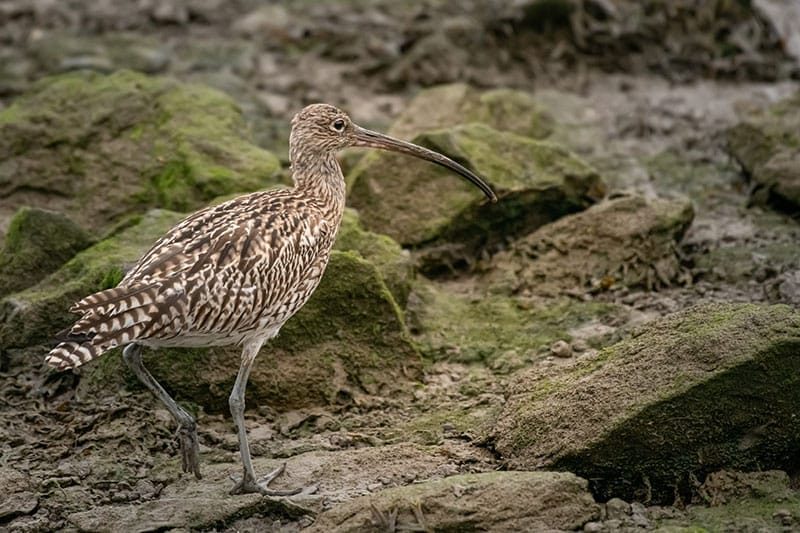
Along the shores of the inner Solway Firth hundreds of thousands of over-wintering wildfowl gather including 40,000 ducks, geese and swans and over 80,000 waders including oystercatchers, curlews, shelducks, wigeon and teal. Barnacle geese fill the skies with their shrill barking and yapping as they fly in packs in a long V-shape across the coast in search of fertile land.
At Mereshead, an RSPB reserve, you will find breathtaking scenery and a haven for wildlife. In spring the wet meadows fill with lapwings and skylarks and you might also see a roe deer, while in autumn, thousands of geese return for winter creating a not-to-be missed spectacle.
WWT Caerlaverock covers part of the Solway Firth and land south of Dumfries. The centre has played an important role in the conservation of barnacle geese and during winter you can observe vast flocks as they swoop in from their Arctic homeland before departing again in spring.
During spring and summer, CCTV allows you to watch barn owls and ospreys in their nests while skylarks sing overhead and noisy natterjack toads call for a mate.
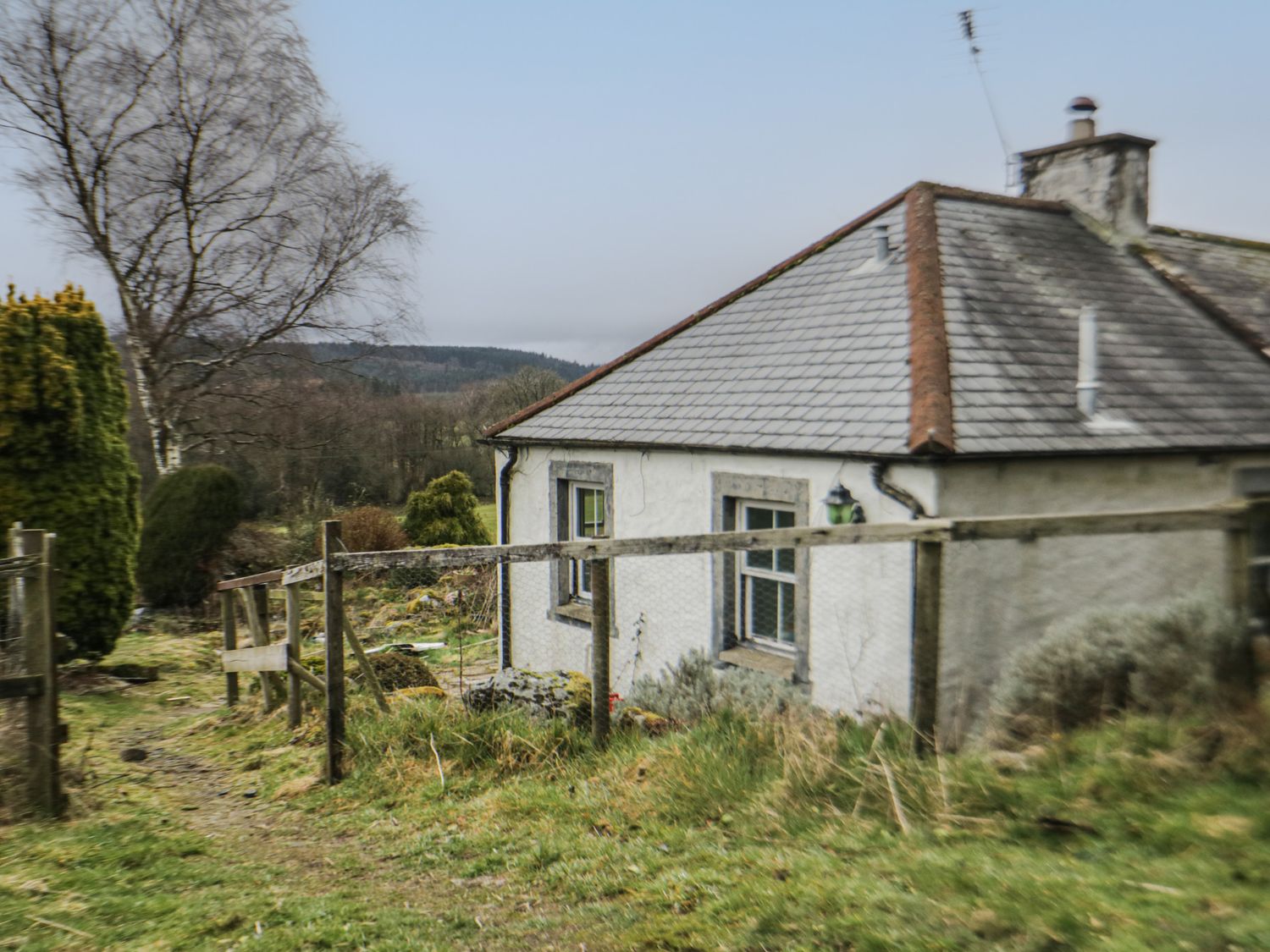
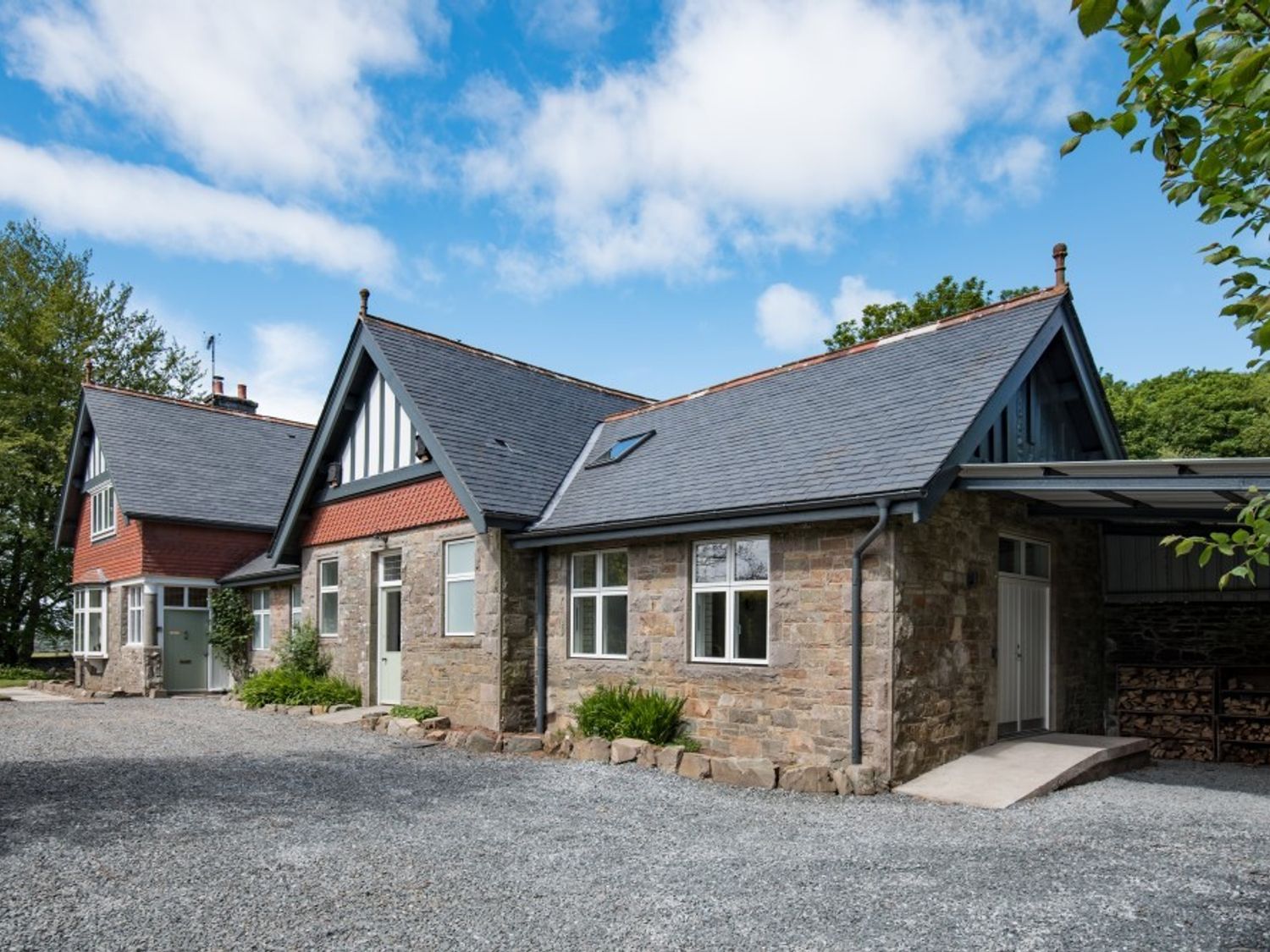
Check out these places to stay nearby
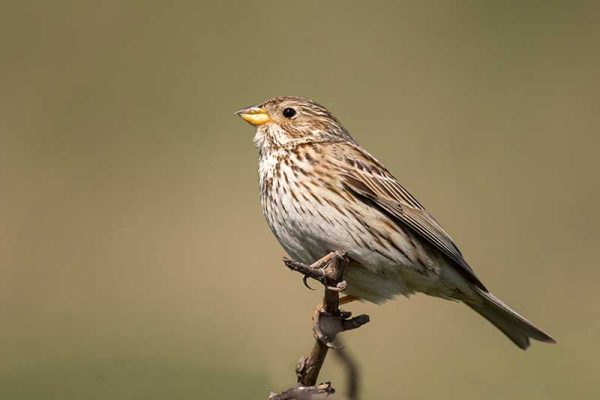
Rockcliffe is one of Scotland’s prettiest stretches of coastline with lovely views across the countryside. In spring and summer you can spot cormorants, guillemots and razorbills nesting on the cliffs, while redshanks and oystercatches are to be found on the shore. Listen out for reed buntings, stonechats, linnets and willow warblers in the vegetation.
Rough Island is a bird sanctuary in the Urr estuary although you are advised to not visit during May and June to avoid disturbing breeding birds which include oystercatchers and ringed plovers.
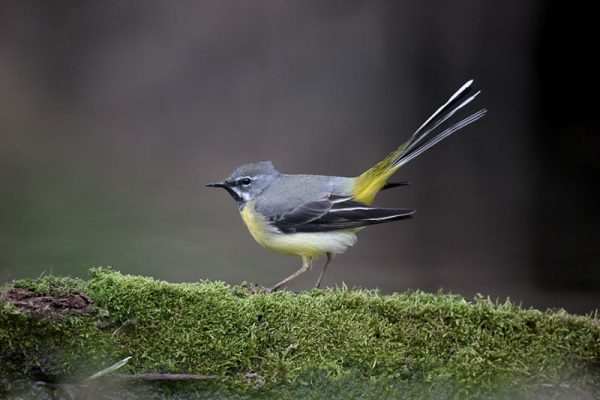
In Galloway Forest Park you could spot barn owls, pied flycatchers, redstarts and dippers among heather moorland, and freshwater lochs and burns. The forest is one of only four ‘Dark Sky Parks’ in the western world, and astronomers and enthusiasts come from far and wide to observe the vast expanse of the universe with the chance of seeing shooting stars and other rare astronomical phenomena.
The Kirroughtree Forest Papy Ha’ Bird Trail within the forest includes coniferous woodland and meadows and is home to tawny owls, buzzards, siskins, common crossbills, wood warblers and common whitethroats.
The RSPB Wood of Cree, is the largest ancient wood in Souther Scotland, and home to tree pipits, water rails and the occasional osprey while the Raiders Road Forest offers the opportunity to see red kites, common sandpipers and nightjars.
The Galloway Kite Trail is a 24 mile route that runs along the shores of Loch Ken near Mossdale and attracts bird and wildlife lovers, walkers and cyclists keen to spot red kites amongst some spectacular scenery. Feeding stations allow you to get up close to these magnificent birds of prey and up to 100 kites may gather at feeding time.
The Machars is a peninsular in Galloway and the best bird watching areas here are along the rocky coastline and at Wigtown Bay on the mudflats and saltmarshes which is important for wintering pink-footed geese, whooper swans, pintail ducks and curlews.