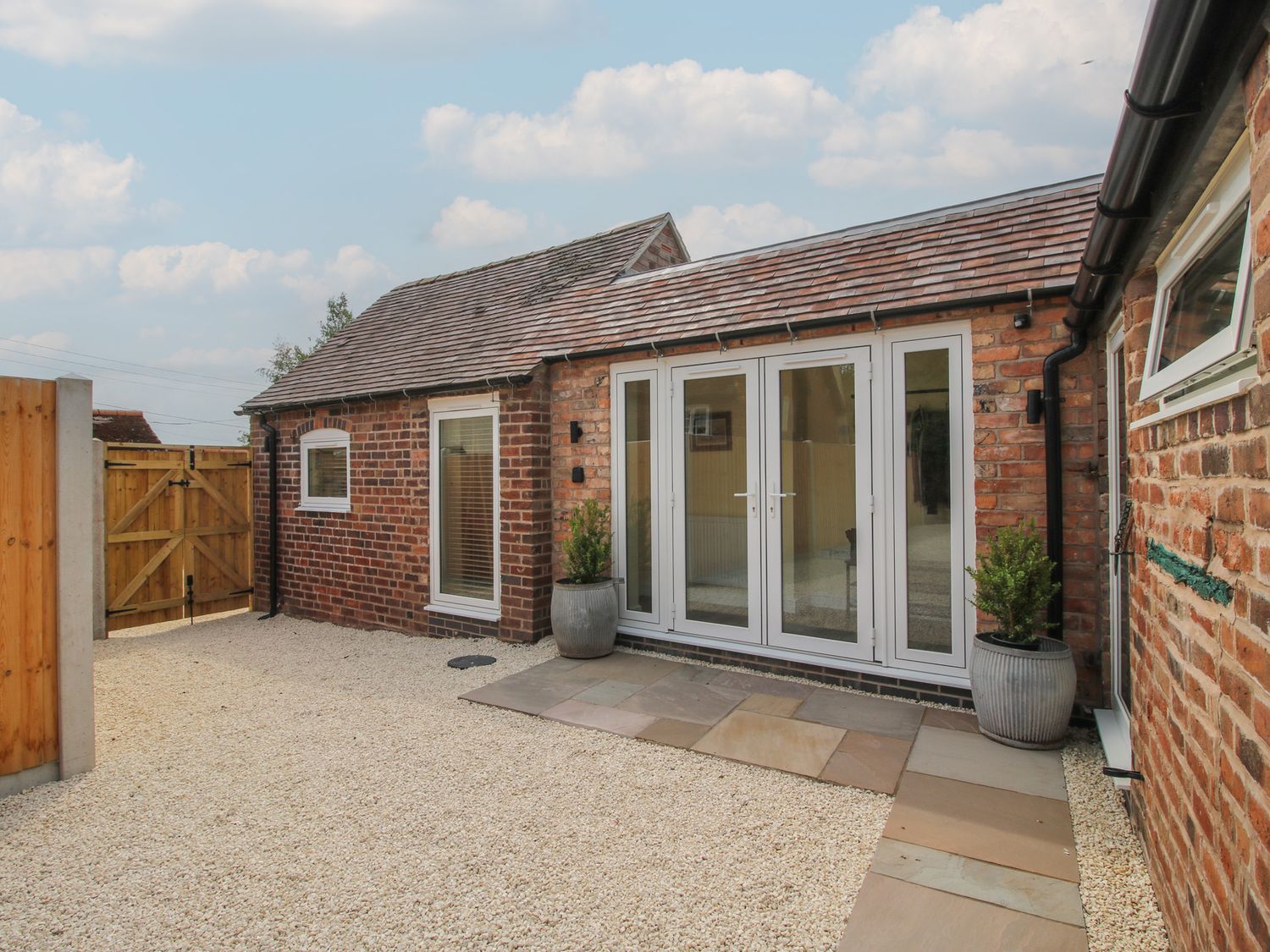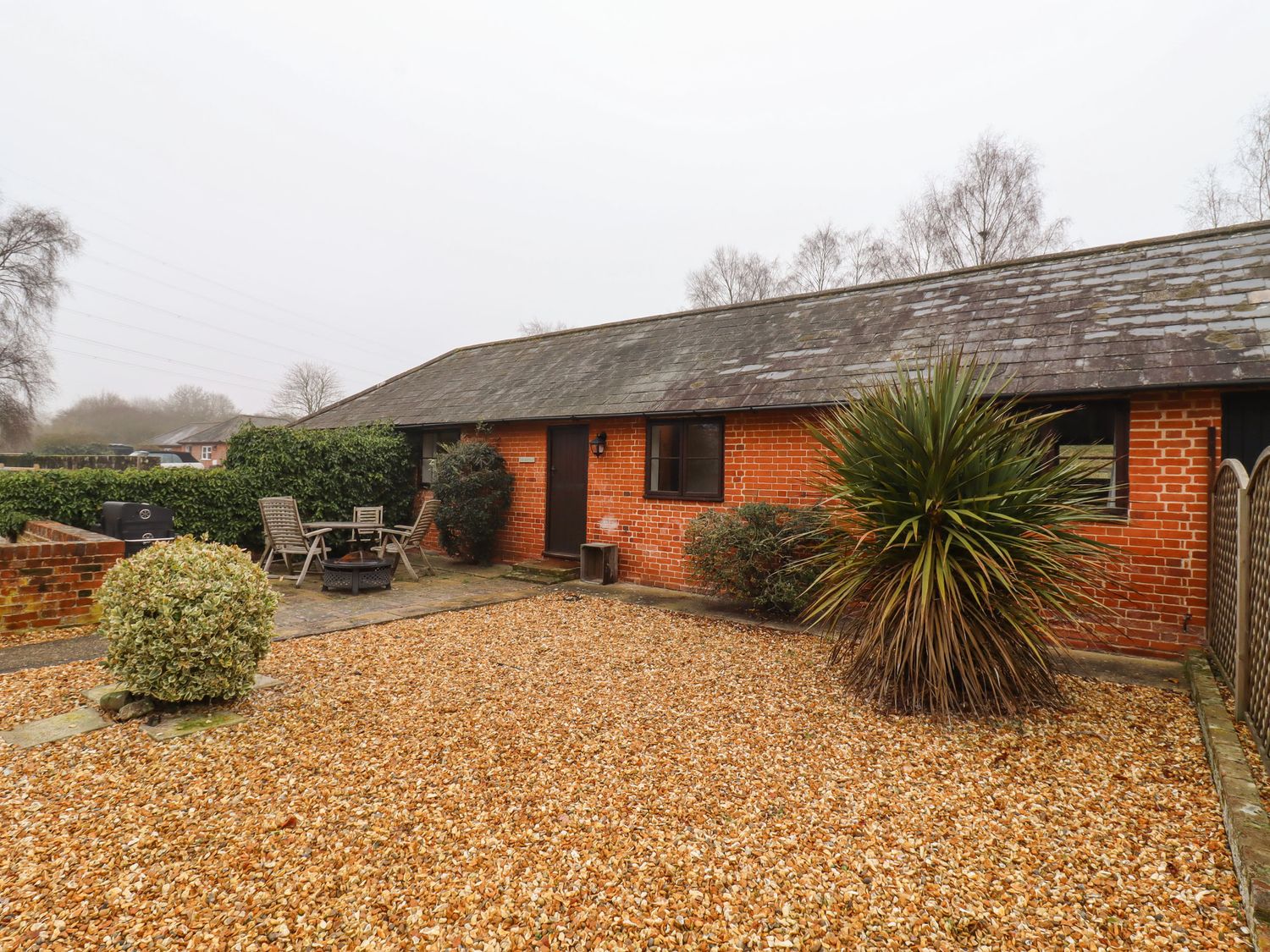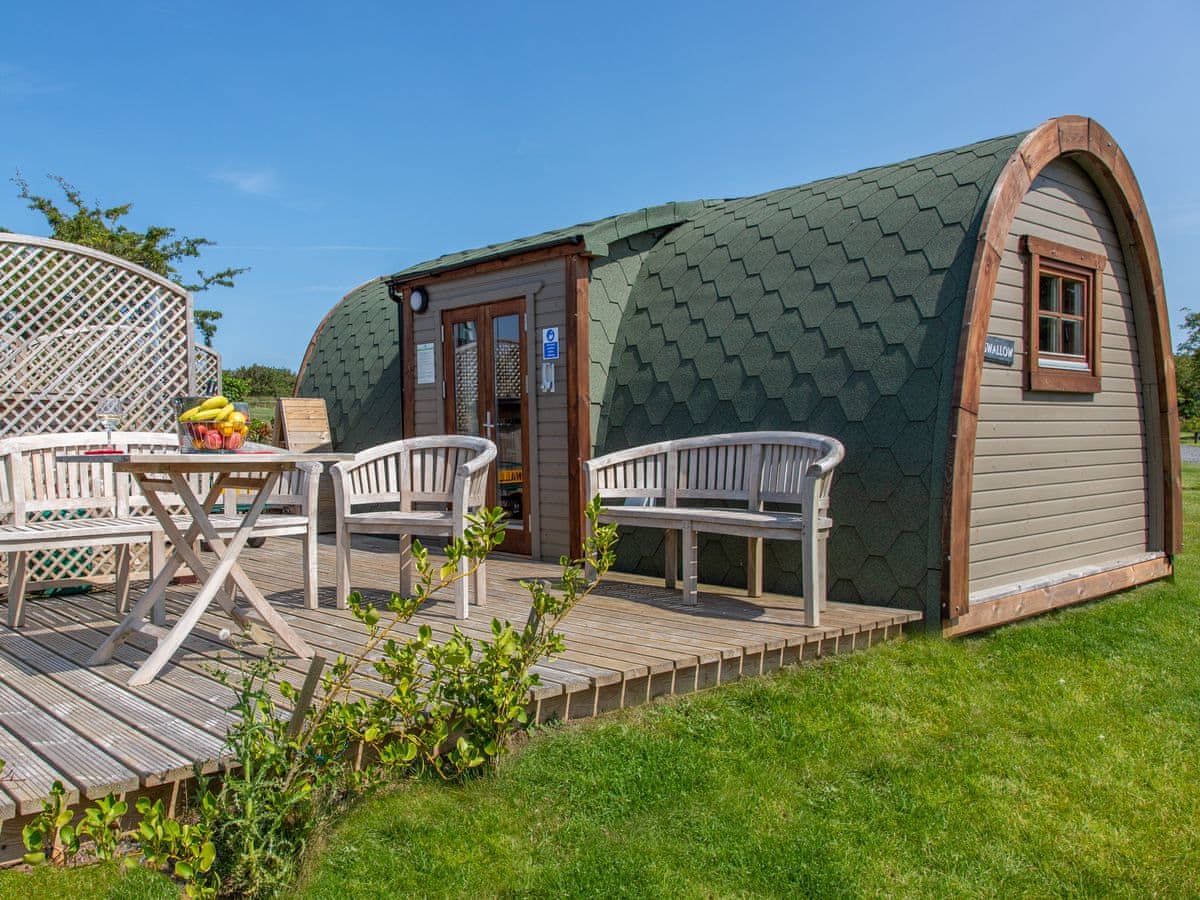
Ideally situated for those seeking a rural glamping experience only a short stroll from the beach at Benllech.
All on the Ground Floor:
Open plan living space.
Living area: Smart TV, Sofa Bed (Double)
Dining area.
Kitchen area: Electric Hob, Combi Microwave/Oven/Grill, Fridge
Bedroom area: Double (4ft 6in) Bed Ensuite: Walk-In Shower, Toilet
Gas central heating, electricity, bed linen, towels and Wi-Fi included.
Decked area with garden furniture. BBQ (shared). Field for ball games (shared with other properties on-site). Wood fired hot tub for 4 (private). Private car park; unloading at the pod. No smoking. Please note: The property is accessed via a rough track and has a natural water supply from a borehole.
Anglesey has a diverse range of habitats including cliffs, heaths, wetlands, dunes, and sand marshes supporting a rich variety of wildlife, and most of its coastline has been designated as an Area of Outstanding Natural Beauty.
The RSPB manages several reserves on Anglesey including Valley Wetlands near Holyhead which holds one of the most important reedbeds in Wales as well as marshes and grasslands. Bitterns breed here and if you’re not lucky enough to spot one hidden in the vegetation then listen out for their booming calls in spring. The lakes are home to hundreds of wildfowl including shovelers, tufted ducks, and goldeneyes.
RSPB Cors Ddyga in the village of Gaerwen is another important wetland site that supports a large colony of lapwings and is one of the few places in Wales where it’s possible to see marsh harriers.
For seabirds, head to Cemlyn nature reserve on the wild north coast of the island, famous for its tern colony with hundreds of pairs of sandwich terns, and smaller numbers of Arctic and common terns. Puffins can also be found on the island; the best place to find them is at South Stacks Cliffs, also managed by the RSPB. Look out for choughs and peregrine falcons too.
As the name suggests puffins can also be found on Puffin Island off the eastern tip of Anglesey and which is also home to a large colony of cormorants. Seals, porpoises, and bottlenose dolphins can often be seen in the surrounding waters.
Llyn Alaw to the north of the island is a man-made reservoir which is 4.3 km long and has several walking trails by the water. It is an important destination for overwintering birds including whooper swans, wigeons, teals, tufted ducks, and pink-footed geese.