Jetting off across the world for an organised bird and wildlife tour can be a once in a lifetime experience, but there are many opportunities to holiday closer to home and still see plenty of species of birds.
The UK has some fantastic destinations for bird watching and one of the best ways to experience them is by renting a self-catering holiday cottage. They offer great value for money and the freedom and flexibility to go at your own pace, planning a variety of trips to see birds in the surrounding area and beyond. But with so many wonderful places to choose from how do you decide where to go?
To help inspire you, we looked at the ten most searched for UK holiday destination on our website over the last 12 months.
Some of Scotland’s most natural beauty can be found in the Highlands from ancient pine forests, craggy peaks, glistening lochs, heather-covered uplands, and miles of unspoilt rocky coastlines. The sparsely populated area also includes Ben Nevis, the UK’s highest mountain and the world-famous Loch Ness where you might spot a monster.
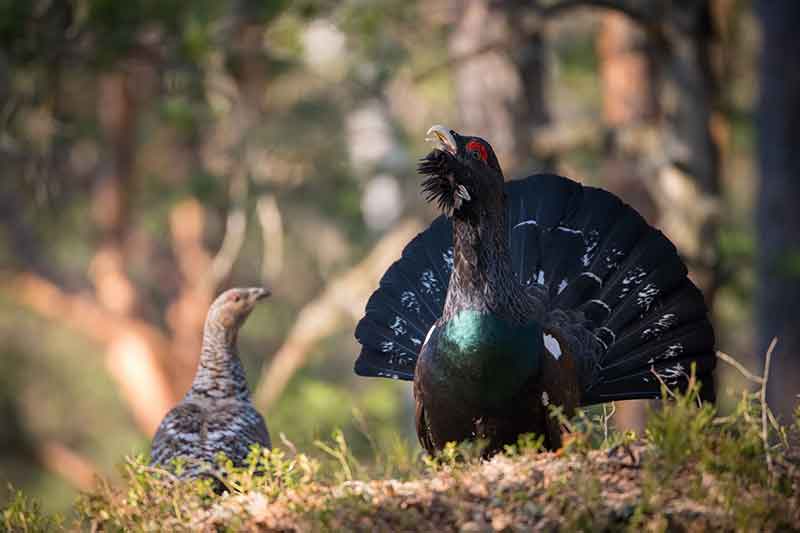
There are plenty of bird species to look out for on a holiday in the Highlands. Crested tits, Scottish crossbills, capercaillies, ptarmigan, and golden eagles are just some of the star species, while in winter vast numbers of waterfowl and waders arrive from their northern breeding grounds to take up residence around the coasts.
Take a look at our range of holiday cottages in the Scottish Highlands.
The vast majority of Gwynedd is covered by Eryri or Snowdonia National Park and the Llyn Peninsula where you will find spectacular mountains, magical forests, rolling hills and valleys dotted with sleepy railway towns, as well as traditional seaside resorts. The area is ideal for outdoor sports enthusiasts who flock to the region to enjoy mountain biking, cycling, hiking, horse-riding, rock climbing, and water sports.
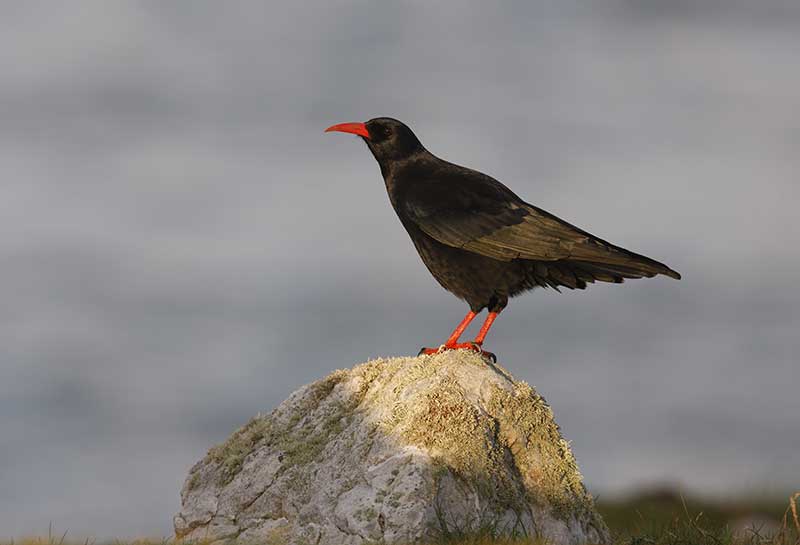
Bird watchers will not be disappointed either with the opportunity to spot a wide variety of species including buzzards, peregrine falcons, choughs, ravens, and dotterels. Bardsey Island at the tip of the Llyn Peninsula is a breeding place for Manx shearwaters, and thousands of birds such as chiffchaffs, goldcrests, and wheatears pass through on migration.
Take a look at our range of holiday cottages in Gwynedd.
Essex is a large county that has plenty to offer anyone thinking of taking a holiday there. Although there plenty of characterful towns with vibrant bars, restaurants, and shops, and family-friendly resorts with theme parks, festivals, and other attractions, there are also lots of remote areas full of wildlife.
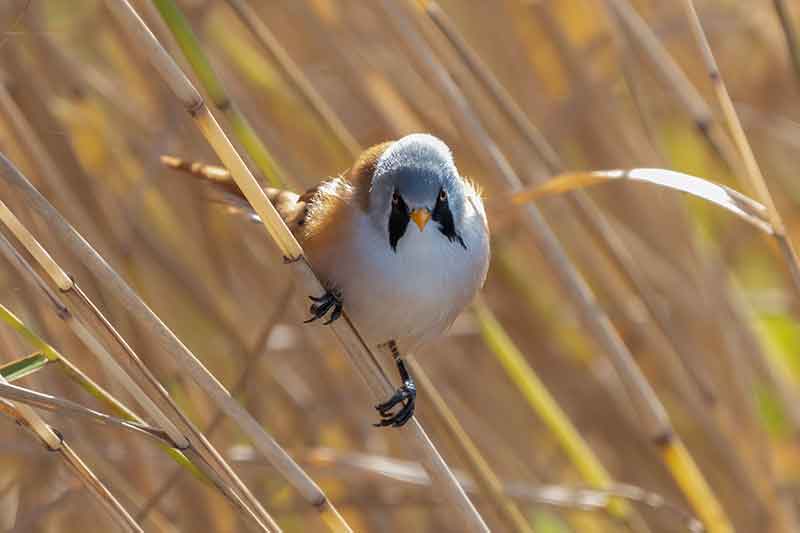
Mudflats, coastal marshes, arable fields, meadows, reservoirs, and offshore islands support a rich variety of birdlife. At the RSPB’s Bowers Marsh near Basildon, notable species that can be seen all year round include skylarks, corn buntings, marsh harriers, and bearded tits, while in autumn and winter waders and gulls arrive from their breeding grounds.
Take a look at our range of holiday cottages in Essex.
The scenery of the Yorkshire Dales is breathtaking, with rolling hills criss-crossed with drystone walls, deep valleys, limestone grasslands, hidden caves and gorges, tumbling waterfalls, and crystal-clear rivers. It’s a wonderful destination for anyone who loves the outdoors and there are plenty of pretty market towns and villages with interesting histories.

The varied habitats of the National Park support a wide variety of birds. Head to the tops of the fells to find golden plovers and red grouse, while black grouse and ring ouzel can be spotted on the edges of the moorlands. Look out too for woodland birds such as green woodpeckers, redstarts, and pied flycatchers.
Take a look at our range of holiday cottages in the Yorkshire Dales.
The Cotswolds, which incorporates parts of five English counties, is designated an Area of Outstanding Natural Beauty and it’s easy to see why. Meadows, rivers and streams, woodland, and fields can all be found amongst the chalk and limestone hills, which are punctuated by pretty honey-coloured stone cottages that give the towns and villages of the Cotswolds their distinctive look.

Farmland birds such as grey partridges, tree sparrows, yellow wagtails, and even turtle doves can all be spotted in the beautiful Cotswolds countryside, and be sure to look up to see birds of prey including sparrowhawks, red kites, and kestrels in the skies above. Slimbridge Wildlife and Wetlands Trust and Cotswold Water Park are fantastic destinations for a day out with excellent facilities and the opportunity to learn more about birds in the area.
Take a look at our range of holiday cottages in The Cotswolds.
Northumberland is one of the best tourist destinations in the UK with family-friendly beaches, medieval landmarks, rugged countryside, award-winning Dark Skies, and a tranquil National Park. Hadrian’s Wall, a designated UNESCO World Heritage Site, is a must-see for anyone interested in the UK’s history.

The county is a gem for bird watchers too, who flock to its coasts and moorlands in the hope of spotting some rarities during migration. Inland areas offer the opportunity to see hen harriers, lapwings, and snipes, while the Farne Islands are well worth a visit with vast numbers of seabirds including terns, kittiwakes, guillemots, puffins, and shags breeding on the rocky outcrops.
Take a look at our range of holiday cottages in Northumberland.
The Lake District National Park has a unique landscape with deep valleys and steep ridges, dense forests, spectacular glacial waterfalls, England’s highest peak and deepest and longest lakes. It’s a popular tourist destination for anyone who enjoys the outdoors and is a walker’s paradise with many challenging fells and mountains to tackle.

Thousands of ducks, geese, and swans live on Lake Windermere all year round with many more joining them in the winter. The woods and forests are home to numerous birds of prey as well as tree pipits, bramblings, chaffinches, and cuckoos. It’s also a great place to spot red squirrels having the largest population in England.
Take a look at our range of holiday cottages in The Lake District.
For a truly wild holiday, there’s no better place to visit than the Cairngorms. Freshwater lochs, open glens, heather moors, fast-flowing rivers, Scots pine forests, and arctic mountain peaks, make up the stunning landscape which offers the opportunity for many outdoor activities including canoeing, climbing, walking, cycling, and even skiing and snowboarding.

The park is also home to many rare species of birds and wildlife. Keep your eyes peeled for white-tailed eagles, ospreys, Slavonian grebes, black-throated divers, and hooded crows, as well as mammals such as pine martens, otters, red deer, and mountain hares. And of course, no visit to the Cairngorms would be complete without sampling a dram or two at one of the many whisky distilleries that can be found in the vicinity.
Take a look at our range of holiday cottages in the Cairngorms.
From bucolic landscapes to sandy beaches Devon has something to offer every holidaymaker. It has two National Parks, two UNESCO World Heritage Sites, and five Areas of Outstanding Natural Beauty, as well as thriving market towns and vibrant cities. Spend a day exploring the windswept moors of Exmoor and Dartmoor before heading to the Jurassic coast to walk the miles of coastal paths and take in the stunning views and historic landmarks.

One of the best places to see birds in Devon is around the Exe estuary. The surrounding wetlands, mudflats, and sandbanks support many species of waders including dunlins, avocets, redshanks, and kingfishers, while Lundy Island just off the north coast is home to puffins, razorbills, oystercatchers, and sand martins. The island also attracts many vagrant birds, particularly those from North America, during migration.
Take a look at our range of holiday cottages in Devon.
The most popular UK holiday destination for readers of Bird Spot is … drum roll please … Derbyshire. Located right in the middle of the UK, the county is a fantastic place to visit at any time of year thanks to its beautiful countryside, historic towns, houses, and monuments, and family attractions. The Peak District, the UK’s first national park, is 500 square miles of remote moorland, deep valleys, sheer rock faces, underground caverns, and glistening lakes and reservoirs which are a haven for wildlife watchers, walkers, and photographers alike.

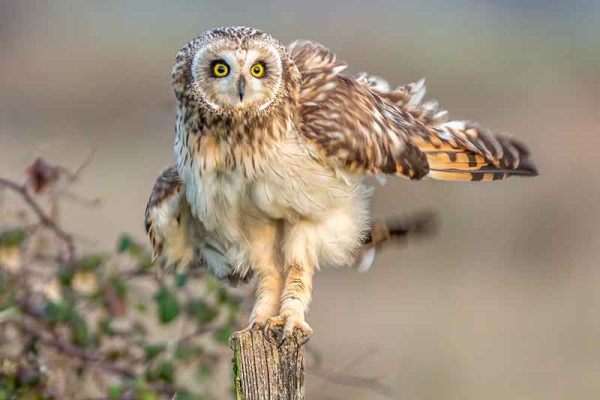
The diverse habitats of Derbyshire support a wide variety of birdlife. Jays, nuthatches, hawfinches, and goshawks inhabit the woodlands, and whinchats, ring ouzels, red grouse, and golden plovers can be found on the moors. The RSPB’s Eastern Moors reserve has resident short-eared owls and skylarks, while the wildflower meadows, pools, and reedbeds at Carsington Water hold kingfishers, great crested grebes, pochards, and goldeyes.
Take a look at our range of holiday cottags in Derbyshire.