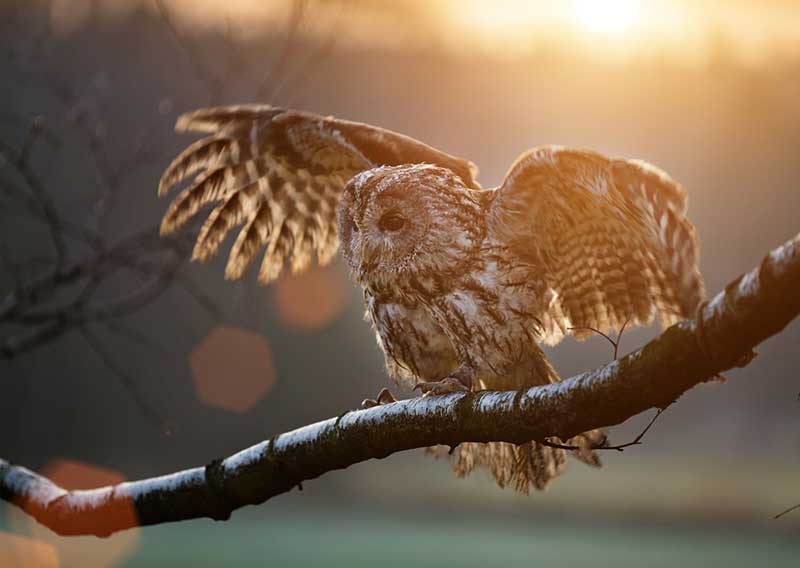
Spotting owls is a unique challenge for birdwatchers, as these elusive creatures are typically more active at night or during twilight hours. While species like short-eared owls and little owls can sometimes be seen during the day, most owls are nocturnal or crepuscular, meaning they are most active at dusk or dawn. As a result, successful owl-watching requires some careful planning to increase your chances of seeing one.
Although owls tend to stay in the same territory year-round, certain times are better for spotting them. A moonlit night in mid-summer or early autumn offers ideal conditions for owling. Be sure to check the weather forecast and plan your outing on a clear, dry night. During these seasons, younger owls are often less secretive, making them easier to spot.
If you prefer to birdwatch by ear, winter can be an excellent time to search for owls, as they often call to attract mates or establish territories.
Before you head out, consult a field guide to identify the species of owls likely to be in your area. Familiarise yourself with their distinctive markings, calls, and preferred habitats. This will help you spot them more easily when you’re out in the field.
You’ll need the right equipment to make the most of your owling experience:
A pair of binoculars with good low-light capabilities or night vision lenses will help you get a closer look.
A spotting scope can be invaluable for observing a perched owl from a distance without disturbing it.
Warm, non-reflective, and quiet clothing is essential. Even on warm days, temperatures can drop quickly after sunset, so layering is key. Avoid clothing that rustles or shines in the dark.
Bring a small flashlight, insect repellent, and ensure your mobile phone is fully charged. When using your torch, always point it downwards to avoid disrupting an owl’s night vision.
Different owl species inhabit a variety of environments, so the types of owls you might spot depend largely on where you’re birdwatching. Below are some of the most common owls in the UK, along with the habitats where you’re most likely to encounter them.
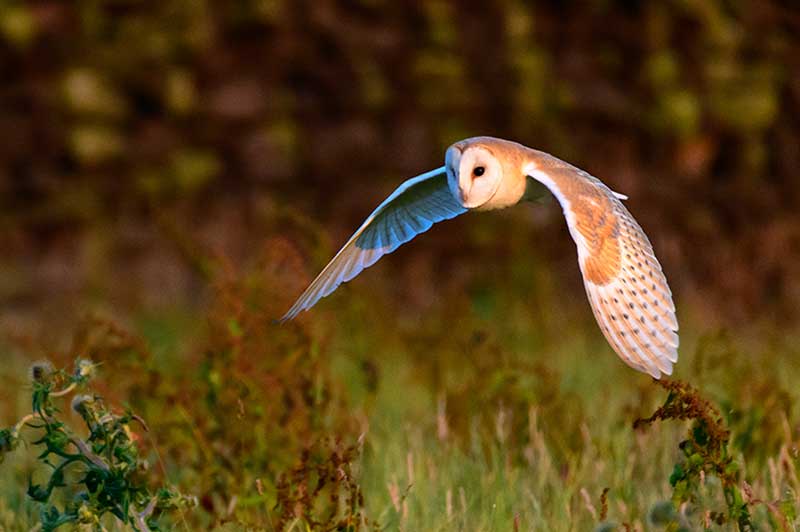
Habitat: Barns, farm buildings, open countryside, and grasslands.
Where to find them: Barn owls are often associated with rural farmland but can also be spotted in hedgerows and along roadsides at twilight or night. They prefer areas with open fields for hunting small mammals like voles and mice.
Spotting tip: Look for the distinctive pale, heart-shaped face and white underparts as they hunt low over fields or near barns.
Habitat: Woodland, parks, and large gardens with mature trees.
Where to find them: Tawny owls are widespread across the UK and can be found in both rural and suburban areas. They are often seen in dense woodlands, where they nest in tree hollows or old buildings.
Spotting tip: Tawny owls are often heard before they’re seen, with their distinctive “twit-twoo” call. They are mostly active at dusk and dawn but can be spotted hunting at night.
Habitat: Open countryside, farmland, and rural villages.
Where to find them: Little owls are often seen in agricultural areas or on the outskirts of towns and villages. They prefer areas with scattered trees or old buildings for nesting.
Spotting tip: The little owl’s small size and distinctive round face make it easier to spot on fence posts, stone walls, or trees. They are active in daylight, particularly in the early morning or late afternoon.
Habitat: Grasslands, heathlands, marshes, and coastal areas.
Where to find them: Short-eared owls are often found in open landscapes such as heathlands, wetlands, and along coastlines, where they hunt for small mammals like voles. In winter, they can also be found in more urban areas or farmland.
Spotting tip: These owls are more likely to be seen during daylight hours, especially in the late afternoon, as they hunt in open areas. They have a distinctive flight pattern, with slow, hovering movements before swooping down to catch prey.
Habitat: Woodland, conifer plantations, and dense scrub.
Where to find them: Long-eared owls are often found in dense woodlands, especially in areas with conifers or thick undergrowth. They are elusive, making them harder to spot, but you might find them in areas with plenty of cover.
Spotting tip: Long-eared owls are nocturnal and are rarely seen during the day. Their tall, pointed ear tufts are one of their most distinguishing features, though they often blend into their surroundings.
Owl watching is a rewarding but patient pursuit, so it’s important to remain focused and alert throughout your outing. Birds like owls can be elusive, and spotting them often requires both keen observation and quick reflexes. To ensure you’re at your best, consider taking a short nap beforehand if you’re planning to go out in the evening or at night. Being well-rested helps you stay sharp and maintain your focus during the quiet, sometimes long waits.
Make sure you stay hydrated and keep your energy levels up, particularly if you’re out for an extended period. A warm drink in a thermos can help, and a light snack can keep you from losing concentration. If you’re with a group, quiet conversation is fine, but remember that owls are sensitive to noise, so keeping chatter to a minimum will increase your chances of success.
Owls are most active at dusk and night, so it’s crucial to stay alert, even when it gets dark. You might be waiting in silence for quite a while, but maintaining your focus on the surrounding environment, listening for calls, and watching for movement, will heighten your chances of spotting one of these amazing nocturnal birds.
Check local birdwatching websites or contact organisations for advice on the best locations to spot owls. If recent sightings haven’t been recorded, head to areas with abundant prey, such as woods, forests, and agricultural land where owls can find mice, voles, and shrews. Always respect the countryside and stick to public rights of way.
Once you’re in the right spot, stay as quiet as possible. In the breeding season, owls can be particularly territorial and may become aggressive, so it’s important to keep your distance. If you think you’ve located an owl, listen carefully for their calls and watch for any subtle movements like head shifts or wing stretches among branches to pinpoint its location.
If you find it difficult to locate owls on your own, consider joining a guided owl-watching walk. An expert guide will know the best spots and can help you learn how to find these fascinating birds.