

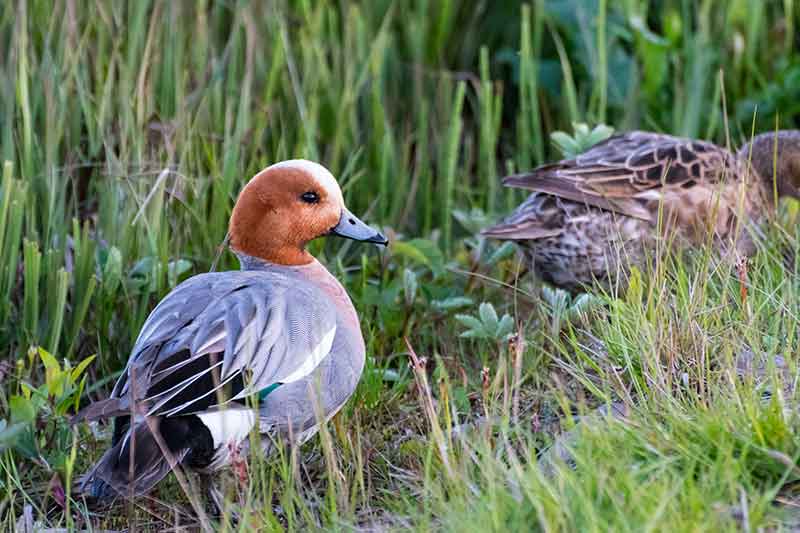
One of Europe’s most important wetlands, Abberton Reservoir has excellent bird watching opportunities particularly in winter when thousands of migrating waterfowl arrive each year.
Monday | 10:00 am – 5:00 pm |
|---|---|
Tuesday | 10:00 am – 5:00 pm |
Wednesday | 10:00 am – 5:00 pm |
Thursday | 10:00 am – 5:00 pm |
Friday | 10:00 am – 5:00 pm |
Saturday | 10:00 am – 5:00 pm |
Sunday | 10:00 am – 5:00 pm |
Adults – free, but donations are welcome
Children – free, but donations are welcome
Abberton Reservoir Nature Discovery Park is a 25 hectare site managed by the Essex Wildlife Trust. Situated just 6 miles from Colchester, it is designated a Site of Special Scientific Interest and is internationally important for a wide variety of water birds.
Abberton Reservoir itself is the largest body of freshwater in Essex and is owned by Essex and Suffolk Water. It was constructed in the 1930s to address local water needs in one of the driest areas in the UK. Today, it has been developed to provide a safe haven for thousands of birds and other wildlife.
In spring, visitors can see the unusual site of cormorants nesting in trees, one of the few places in the UK where they do this. Other highlights include terns, little ringed plovers, and sandpipers. Look out too for Cetti’s warblers and nightingales amongst the surrounding tree plantations.
Spring also sees the arrival of cuckoos, swallows, house martins, and sand martins, while after breeding season, large numbers of swans and ducks moult on the reservoir in late summer when they are unable to fly.
Although a visit to Abberton Reservoir is fantastic at any time of year, winter is particularly spectacular when up to 40,000 individual birds arrive from their northern breeding grounds. Top species include wigeons, teals, mallards, pochards, tufted ducks, coots, and black-headed gulls, as well as gadwalls, shovelers, coots, and great crested grebes.
In dry winters, when the water levels fall, the exposed mud flats attract passage waders such as ruffs, spotted redshanks, black-tailed godwits, and lapwings, while thousands of golden plovers, mute swans, and geese can be spotted on the surrounding farmland. At the western end of the reservoir bitterns can regularly be heard if not seen, and look up to see hen harries, merlins, peregrine falcons, and marsh harriers hunting over the nearby grassland.
Occasionally, scarcer visitors turn up including smews and long-tailed ducks, as well as rarities. A blue-winged teal, lesser scaup, and desert wheatear are all examples of birds that have been recorded here.
Other wildlife to keep an eye out for are otters, water voles, brown hares, bats, and common lizards, and if creepy-crawlies are your thing two rare weevils can be found on the reserve.
There is a 900m footpath suitable for wheelchairs that runs around the edge of the reserve, as well as various trails and paths to take you into the centre. Three accessible bird hides offer stunning panoramic views over the reservoir and surrounding villages.
The visitor centre is a great place to take a break with a café offering a variety of drinks, snacks, and hot and cold food, much as which is locally sourced. From here, you can take in the surrounding views from an elevated point while enjoying a cuppa.
There is also a well-stocked shop with binoculars, telescopes bird food and feeders, and a range of gifts, books, and souvenirs.
For children, an outdoor play area and a Bramley Hedge sculpture trail will keep them entertained. Essex Wildlife Trust runs a programme of events throughout the year, as well as outdoor birthday parties, and a toddler group in term time.
Please note, dogs are not allowed on the reserve.


Jan
Feb
Mar
Apr
May
Jun
Jul
Aug
Sep
Oct
Nov
Dec
J
F
M
A
M
J
J
A
S
O
N
D
For seasonal opening times, further information about facilities, and any restrictions, please visit the site’s website for full details.


