Situated next to the River Derwent, Wyver Lane is an important wetland reserve that is home to many species of visiting birds during the winter.
Monday | All day |
|---|---|
Tuesday | All day |
Wednesday | All day |
Thursday | All day |
Friday | All day |
Saturday | All day |
Sunday | All day |
Adults – free, but donations are welcome
Children – free, but donations are welcome
Managed by the Derbyshire Wildlife Trust, Wyver Lane is one of the few remaining areas of wet grassland in the Derwent Valley. It is a short distance from Strutt’s Mill that was given UNESCO World Heritage Status in 2001.
The site consists of a large lake and two smaller lakes, whose sizes fluctuate depending on river flooding, as well as water meadows and reedbeds. It also has mixed woodland and farmland, with some grazing animals.
As the largest bodies of water in the area, the lakes provide a valuable stopover for migrating birds. Waders such as curlews and common sandpipers pass through in spring, while lapwings nest here. The nearby coppice woods provide a leafy habitat for chiffchaffs, wood warblers, firecrests, pied flycatchers, spotted flycatchers, crossbills, and blackcaps. Sedge warblers, whitethroats, and reed buntings are known to breed, and stonechats and whinchats are occasionally seen on the farmland.
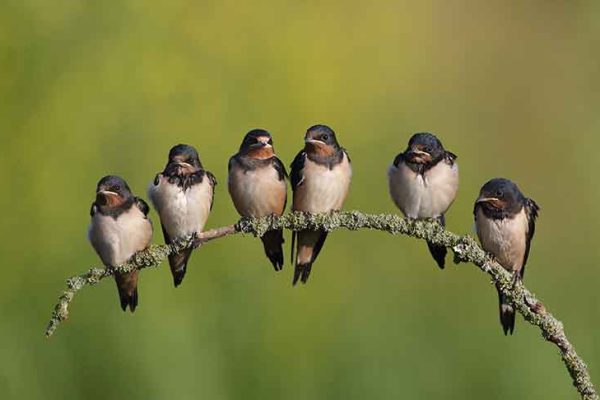
In summer, swallows, swifts, and house martins can be seen swooping low over the lakes, scooping up insects. It’s also a great time to spot birds of prey hunting overhead, including hobbies, buzzards, marsh harriers, as well as more occasional visitors such as peregrine falcons, ospreys, and red kites. After dusk look out for barn owls and little owls.
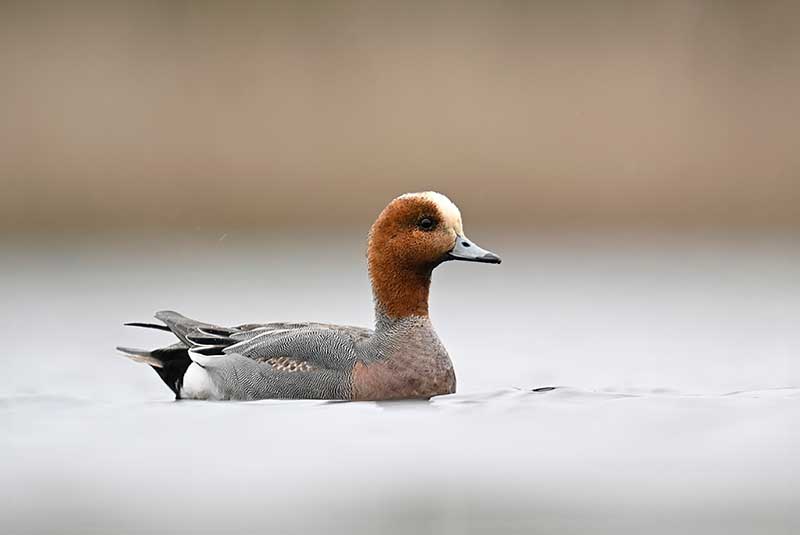
During autumn and winter, Wyver Lane really comes into its own as flocks of gulls, ducks, geese, and waders arrive, including black-headed gulls, common gulls, herring gulls, lesser black-backed gulls, greater black-backed gulls, wigeons, garganeys, teals, and common snipes.
Resident species include Canada geese, tufted ducks, mallards, shovelers, and little grebes. More secretive birds such as water rails, jack snipes, little egrets and bitterns have also been seen amongst the reedbeds.
While there is no direct access to the reserve, wildlife can be observed from the bird hide located along the lane running beside the reserve. A viewing platform offers panoramic views over the area. Both the lane and the hide are wheelchair accessible, and the viewing platform may be accessible with assistance.
Parking is available for two vehicles in the layby on Wyver Lane. Alternative parking can be found at East Mill in Belper, just under a mile away.


Jan
Feb
Mar
Apr
May
Jun
Jul
Aug
Sep
Oct
Nov
Dec
J
F
M
A
M
J
J
A
S
O
N
D
For seasonal opening times, further information about facilities, and any restrictions, please visit the site’s website for full details.