|
|
|
Cats And Their Impact On Garden Birds

Cats And Their Impact On Garden Birds

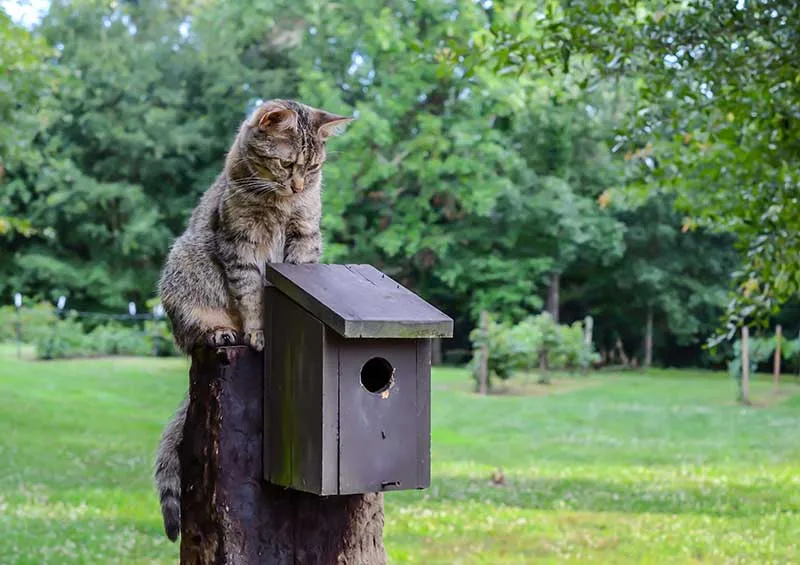
Cat On A Bird Box

After dogs, cats are the second most popular pet in the world. Although the exact number of domestic cats is unknown, a 2007 estimate placed the population at around 600 million worldwide.

UK Pet Food, the pet food industry association, reported in 2023 that over a quarter of households own cats, with an average of 1.6 cats per household, totalling around 11 million. This figure dwarfs the total wild mammalian carnivore population in Britain, which is just under 2 million.

Although domesticated, cats have retained their natural predatory instincts. In some cases, their introduction has led to significant declines and even extinctions of local wildlife. This is especially true for birds that evolved on islands without land predators and, in some cases, became flightless.

One of the most well-known examples involves Lyall’s wren, a small flightless songbird from Stephen’s Island in New Zealand. It is often claimed that the species was driven to extinction by a single cat named Tibbles, owned by the lighthouse keeper, after its arrival in 1894. However, it is more likely that a population of feral cats contributed to the bird’s extinction, with the species disappearing just a year later.

How many birds do cats kill in the UK?

A 2003 study by the Mammal Society estimated that UK cats kill 275 million prey animals annually, including 55 million birds. This figure only accounts for prey that cats brought home and excludes animals that died after escaping or were eaten on-site. Later research using video data revealed that only 23% of prey is returned home, suggesting the true number may be even higher.

Recommended for you

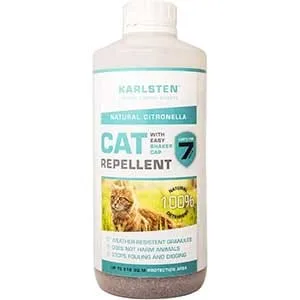
Citronella Cat Repellent
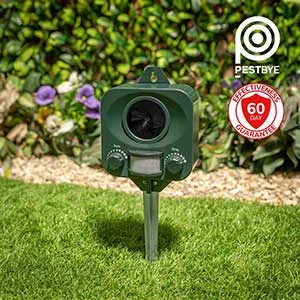
Ultrasonic Cat Repeller
Birdbesafe Cat Collar

Cats primarily hunt small rodents, such as wood mice, which make up 69% of their prey. Birds account for a smaller proportion, with house sparrows, blue tits, blackbirds, and starlings among the most frequently caught. Predation on birds peaks in spring and summer, likely due to juvenile birds being more vulnerable. Studies also show that the number of bird species brought home increases in gardens where bird feeders are present.

Another study revealed that predation rates for three bird species, the house sparrow, the dunnock, and the robin, were notably high compared to the number of chicks hatched annually.

While smaller-scale studies have documented which bird species cats prey on in specific areas, such as villages, no comprehensive research has examined the impact of cats on songbird populations at a national level. Researchers from the Universities of Reading and Exeter highlighted a general lack of awareness about the issue and described a level of denial among many UK cat owners.

Do cats affect bird populations?

The RSPB maintains that there is no scientific evidence to suggest that cats significantly impact bird populations in the UK. Each year, millions of birds die naturally, due to starvation, disease, or predation by other animals, and cats are thought to primarily target weak or sick birds

A 2008 study comparing birds killed by cats to those killed by window collisions supports this view. The research found that birds killed by cats were generally in poorer condition, with less fat and muscle mass. This indicates that cats tend to prey on weaker or unhealthier individuals, which would likely have succumbed to other causes before the next breeding season.

Millions of baby birds hatch each year, but the majority will not survive to reach breeding age. This is a natural process, as each pair only needs to successfully raise two offspring to adulthood to replace themselves and sustain the population.

Cat In A Garden

Some garden bird populations are stable or increasing despite the presence of cats. For example, blue tits, frequently caught by cats, have increased by over 25% since 1966. However, house sparrows and starlings, which are also commonly preyed upon, have declined due to other factors, such as habitat loss.

Your next read

Cat Deterrents That Work
Unwanted Visitors To Your Bird Table
Predators And Bird Boxes

The RSPB argues that bird species experiencing the most severe population declines in the UK, such as tree sparrows, skylarks, and corn buntings, seldom come into contact with cats. Therefore, cats cannot be responsible for their decline. Research indicates that these species are primarily affected by habitat changes or loss, particularly on farmland.

Some organisations disagree with the view that cats have no impact on bird populations and say that further research is needed. A 2013 study by a team from the University of Sheffield and the University of Exeter found that the mere presence of cats near birds’ nests triggered natural predator responses from parent birds, such as alarm calling and nest defence. These behaviours significantly increased the risk of nest predation by other species, such as crows and magpies, that were alerted to the nest. The threat posed by cats also led to much lower feeding rates for young birds over prolonged periods, further impacting their survival.

How to protect garden birds from cats

Gardens are important breeding habitats for at least 20% of house sparrows, starlings, greenfinches, blackbirds, and song thrushes. As some of these species are experiencing population declines, it’s important to minimise the harm cats may cause in these spaces.

Keep cats away during vulnerable times

Birds are most vulnerable during breeding season, after chicks hatch, and during the summer moult. Try to keep cats out of your garden during these periods, especially at dawn and dusk when birds are most active.

Use collars

Fit cats with collars featuring bells to alert birds. The Birdbesafe collar, which uses bright colours, has been scientifically proven to reduce bird kills by around 85%.

Provide high quality food and play time

Feeding cats a premium meat-based diet can reduce the number of prey they catch by over a third, and engaging them in five to ten minutes of play daily can reduce hunting by a quarter.

Install cat deterrents

If you don’t own a cat but want to discourage neighbourhood cats, try installing motion-activated sprinklers or ultrasonic cat deterrents to keep them out of your garden.


While cats are not the primary cause of bird population declines, reducing their impact on vulnerable garden birds is important. By combining preventative measures with thoughtful garden management, it’s possible to strike a balance that allows both birds and cats to thrive.

This page contains affiliate links. For more information please see our disclosure here.

Share your thoughts

Leave a Reply

Your email address will not be published. Required fields are marked *

More advice for a bird friendly garden

Smart Bird Feeder
Guide To Smart Bird Feeders
Robin
How To Attract Robins To Your Garden
Solar Powered Bird Bath
Shop Solar Powered Bird Baths
Bullfinch On A Bird Feeder
How To Save Money On Bird Food
Blue Tits Bird Feeder
Birds And New Bird Feeders
Modern Bird Feeder
Shop Modern Bird Feeders
Bird Food Storage
Shop Bird Food Storage
Rustic Wooden Bird Table
10 Bird Table Tips
Cornflower
Planting Wildflowers For Birds
Squirrel On A Bird Feeder
Squirrels And Bird Feeders