

If you’re buying large amounts of bird food, then buying online means you don’t have the hassle of transporting heavy bags home either, as most will deliver direct to your door.
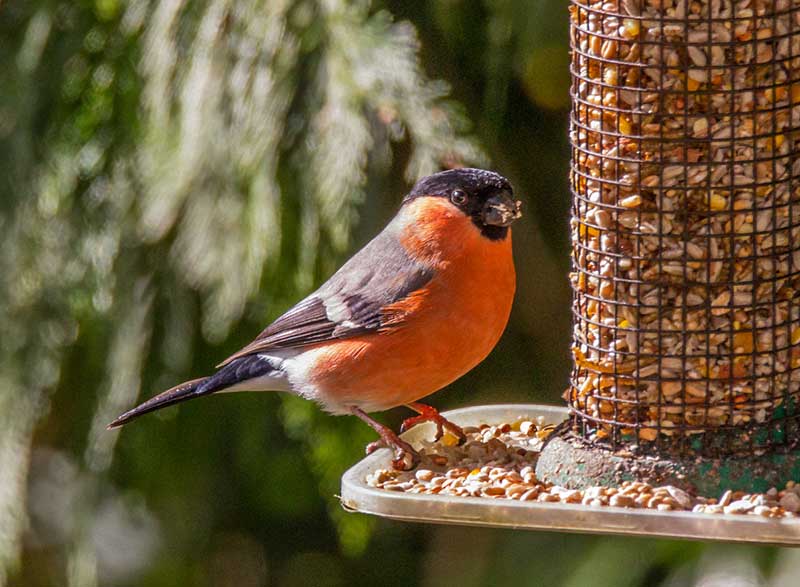
Straight bird food contains a single ingredient such as maize, niger seed, or oats, and although it may seem a lot more expensive than bird food mixes, you should find that there is little waste. Low quality blended seed mixes often contain a proportion of filler material such as wheat which few birds will eat. And as many birds have a favourite food, if you fill a feeder with a mix of seeds, they will toss out the ones they prefer not to eat.
You can also buy bird food such as sunflower hearts, which have had the husks, which would usually get discarded, removed. Alternatively, look out for no-grow bird seed, which have been husked, flaked, or kibbled, and heat-treated to stop any dropped seed germinating.
If you know that your garden birds are happy to eat seed mixes, then buy the ingredients separately and make your own blends.
If you think your bird food is running out more quickly than expected check that squirrels or rats aren’t raiding your feeders. Squirrels are easy to spot as they will feed in the day, but rats and other rodents tend to feed at night.
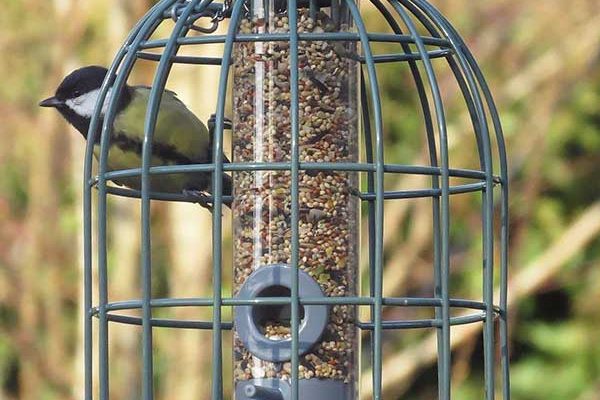
To help prevent unwanted visitors eating your bird food buy specially designed squirrel-proof feeders or fit a squirrel baffle to your exiting feeders. Rats are usually attracted to bird feeders initially by any food that has dropped underneath them, so make sure you sweep up at the end of the day to remove any waste.
Rats can be hard to get rid of, particularly if they know they can have access to an easy food source, so you may need to stop feeding for a few days, until they have moved on. Thoroughly disinfect your bird feeders before rehanging and filling with food.
Supplement bought bird food with natural food. A well-planned garden can provide all sorts of food for birds. Berry-bearing shrubs and trees such as rowan and holly will ensure a plentiful supply of food throughout autumn and winter, while those with buds will attract birds in spring.
Leave a patch of lawn to go wild or plant a dedicated wildflower meadow to attract insects that will provide much needed protein for birds in breeding season. Avoid spraying your garden with pesticides so that birds can eat flies, beetles, and other grubs.
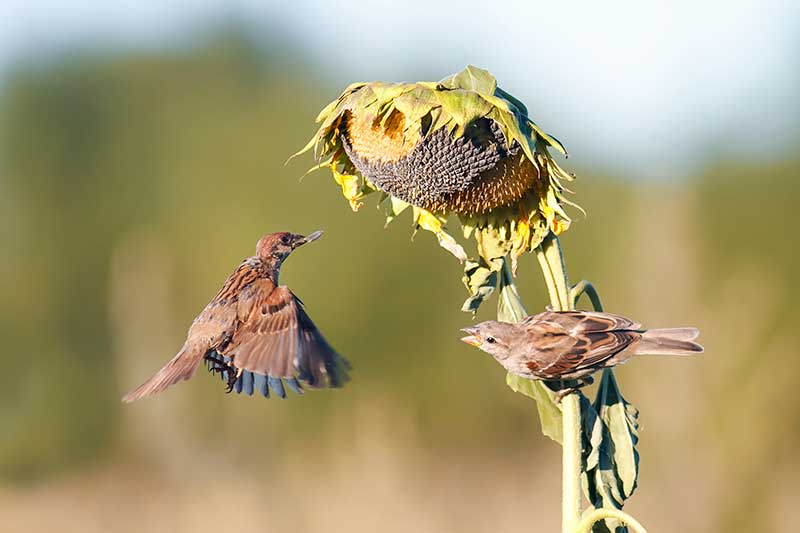
Sunflowers are easy to grow, and their large heads are full of seeds that birds will enjoy eating. You can either remove the seeds from the head after the flowers have wilted, or leave them as they and hang them from a bird table or pole for a natural take on a bird feeder.