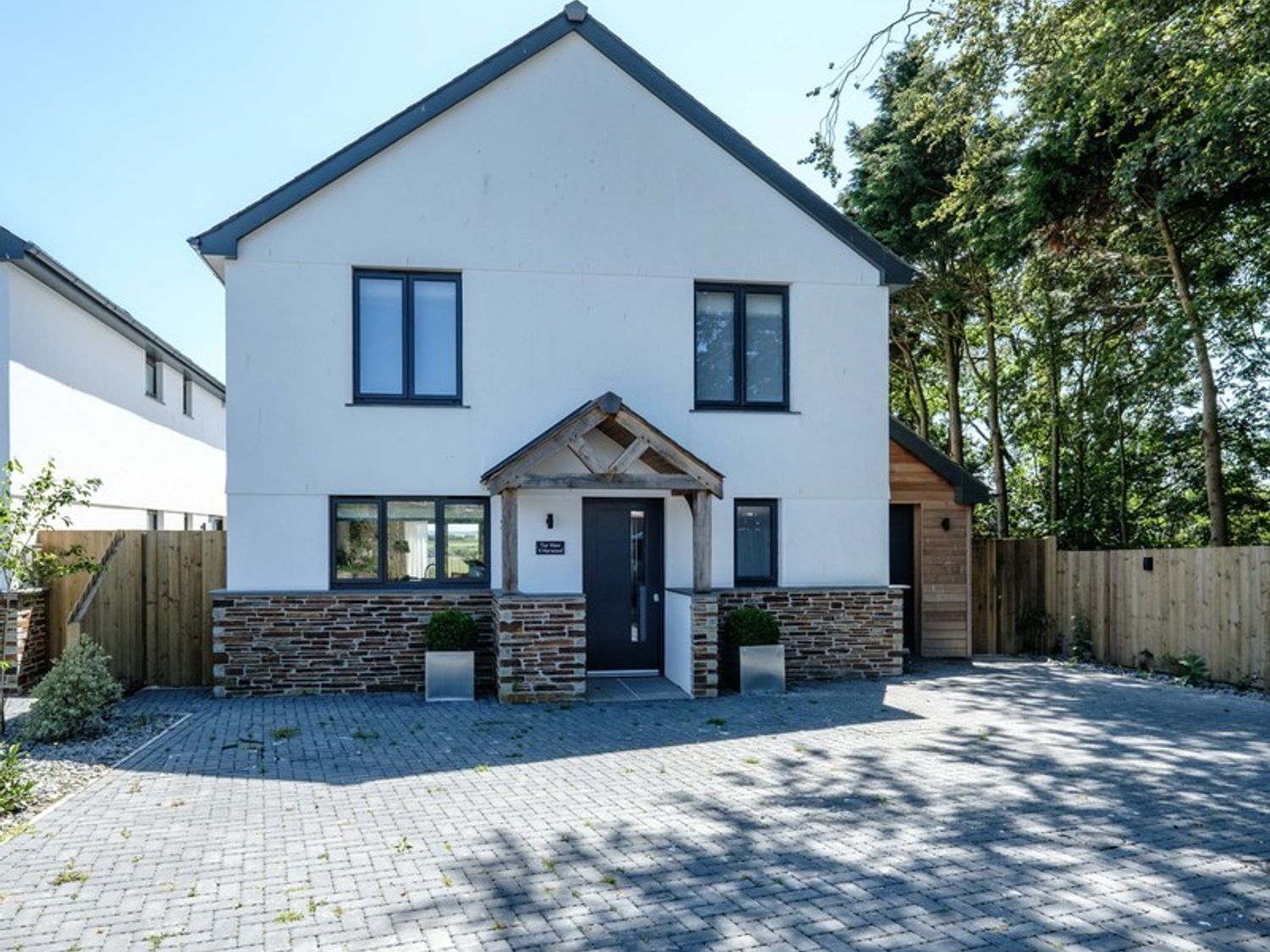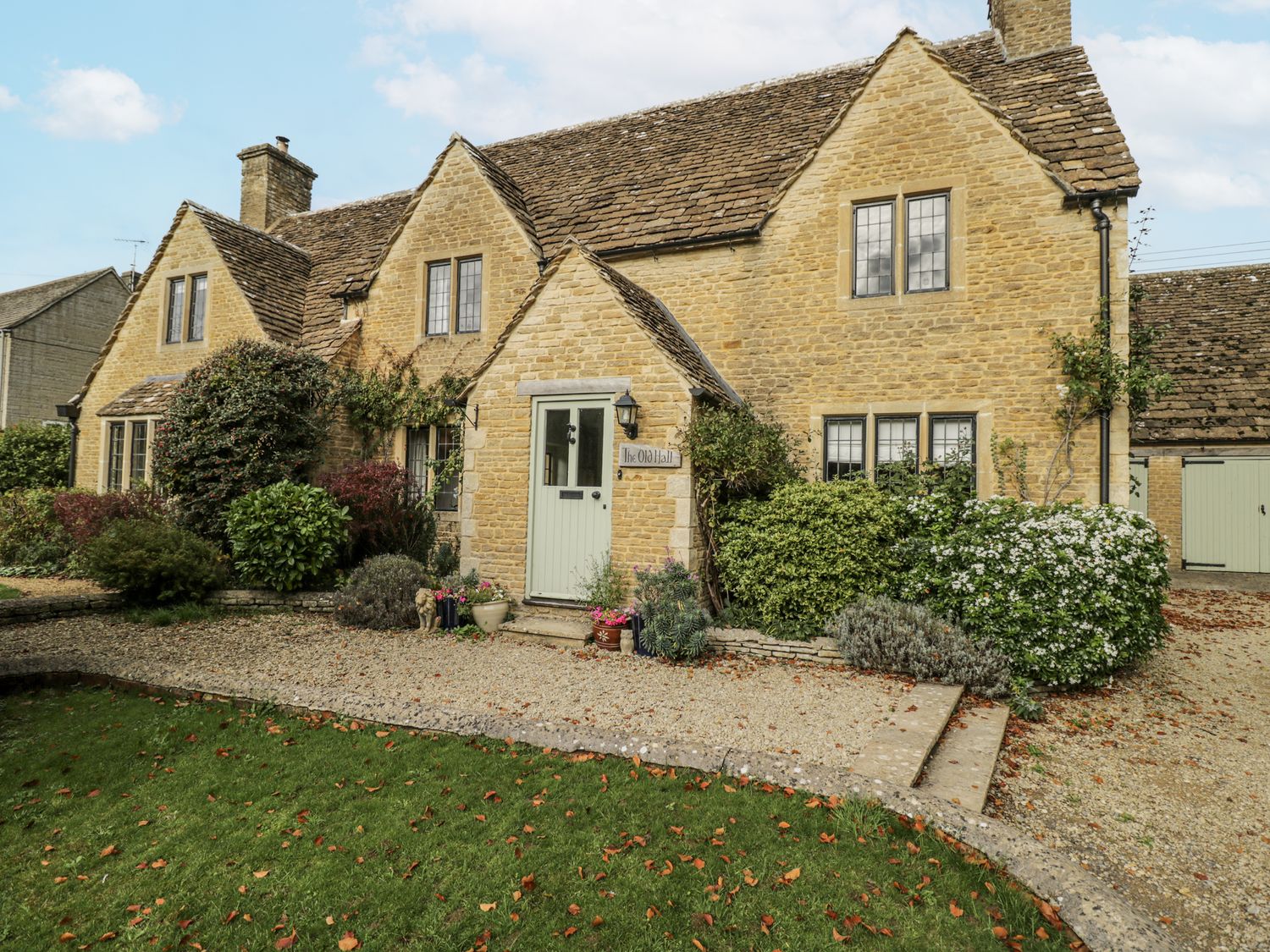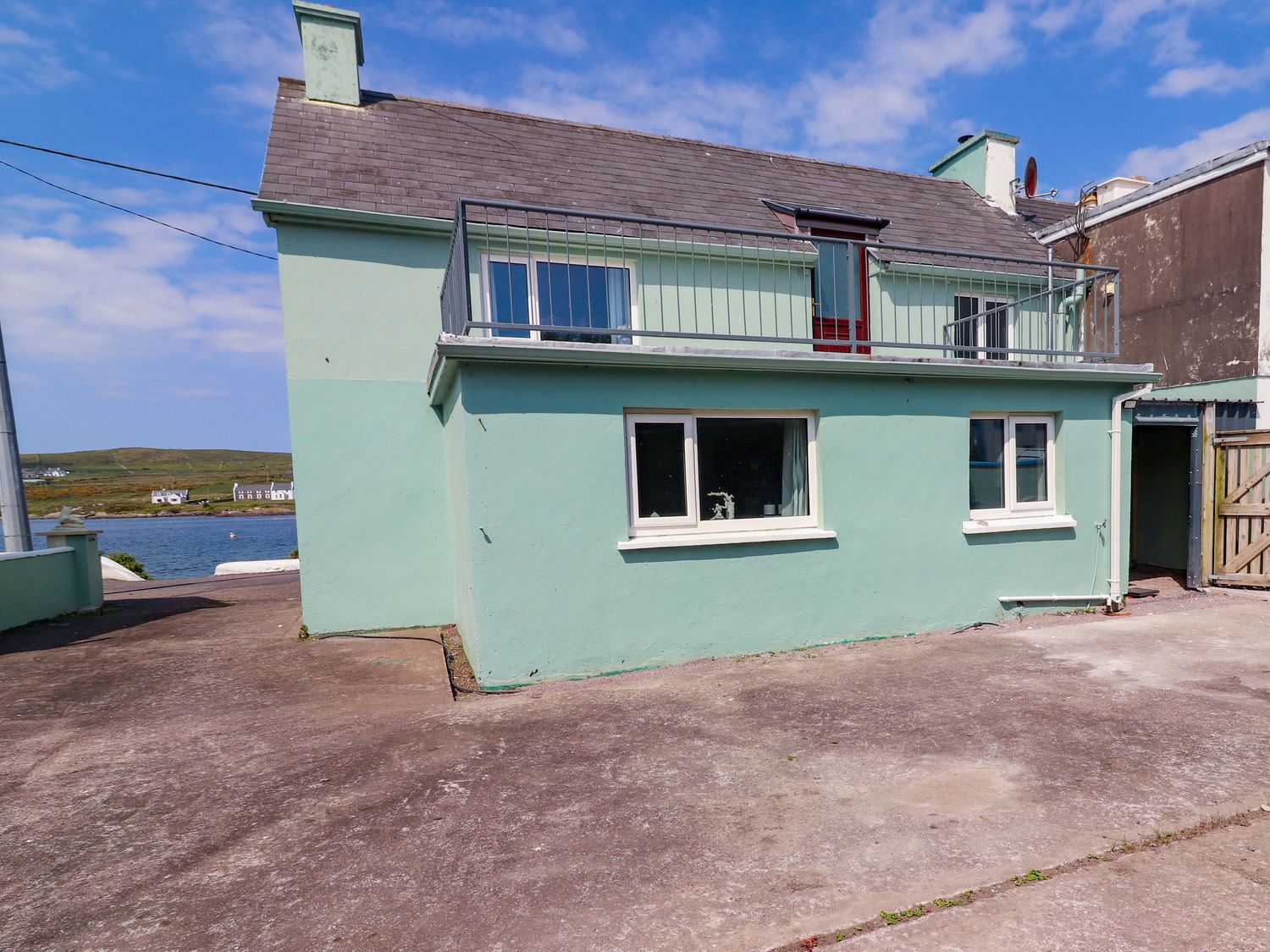
A wonderful holiday cottage set a stone’s throw from the beach in the glorious Hope Cove, a jewel in the South Hams.
Ground Floor:
Bedroom 1: 2 x Single (3ft) Beds
Bedroom 2: 2 x Single (3ft) Beds
Bedroom 3: Single (3ft) Bed
Bedroom 4: Single (3ft) Bed
Bathroom: Bath With Shower Over, Heated Towel Rail, Toilet
First Floor:
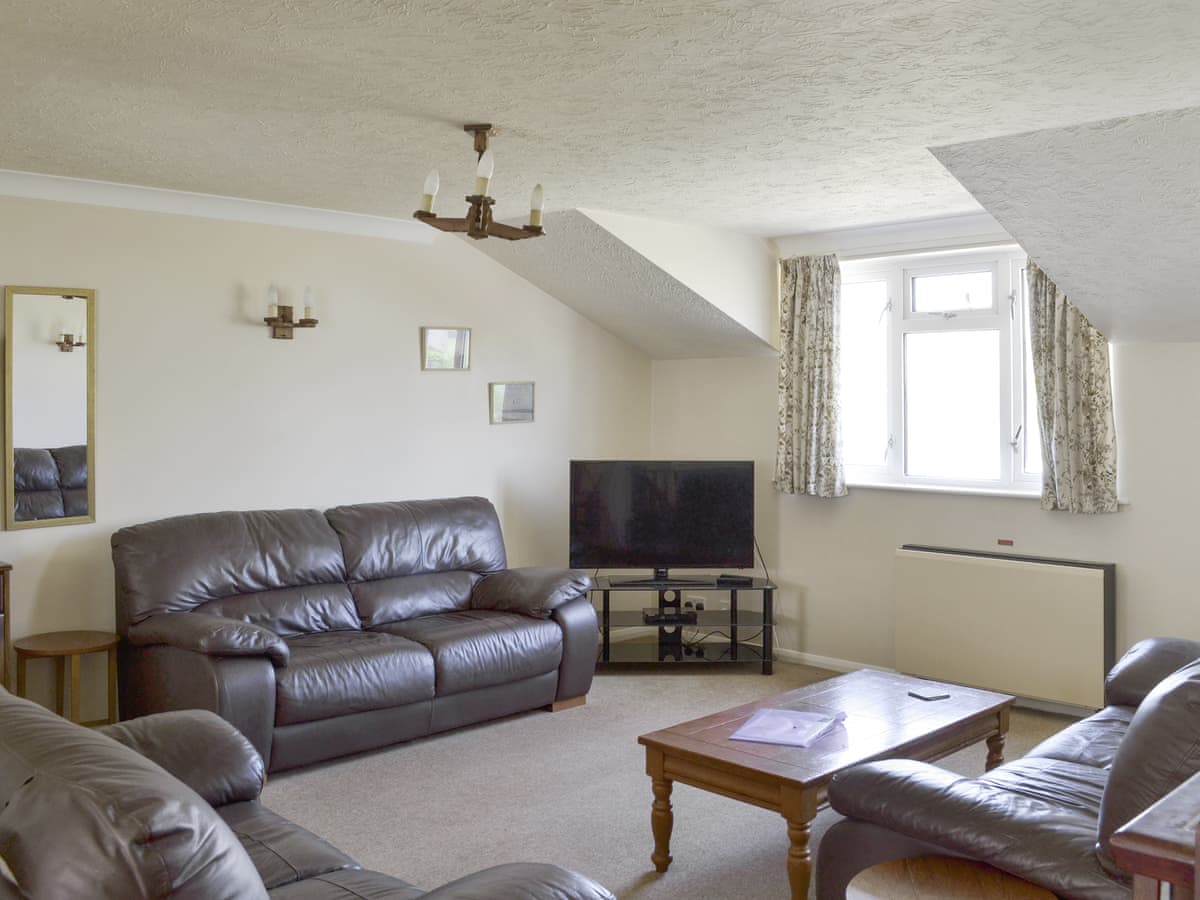
Living/dining room: Freeview TV, Electric Fire
Kitchen: Electric Oven, Electric Hob, Microwave, Fridge/Freezer, Dishwasher, Washing Machine, Patio Doors Leading To Garden
Bedroom 5: Double (4ft 6in) Bed Ensuite: Bath With Shower Over, Heated Towel Rail, Toilet
Separate Toilet.
Bed linen, towels and Wi-Fi included. Electric central heating and electricity by meter reading. Travel cot and highchair. Back garden with patio and garden furniture. 1 small dog welcome, to be kept on a lead at all times. Private parking for 1 car. No smoking.
The wooded cliffs at Bolt Tail form a backdrop to this sandy cove on what is renowned as one of the most beautiful stretches of coastline in the South Hams. These holiday cottages are set within 100 yards of the sandy beach – an unrivalled position for enjoying the seaside, but also perfect for fishing, sailing and water-skiing (with a dinghy-launching slip 200 yards away, and facilities for larger boats at nearby Salcombe).
The cottages are in the centre of this charming seaside village, with its pretty thatched cottages, inns, restaurants and small shop within a short walk. The South Devon coastal footpath winds along the cliffs and through Hope Cove between Salcombe and Thurlestone, with opportunities for magnificent walking amongst glorious coastal scenery. The maritime attractions continue slightly further afield. Salcombe, 4 miles away, is one of the most prestigious sailing centres in the country. It offers extensive sandy beaches, too, and a wide choice of fascinating shops, boutiques and restaurants in its quaintly winding narrow streets. The estuary here is a kaleidoscope of brightly coloured craft of all kinds at their moorings – a paradise for sailing enthusiasts. Thurlestone, 2 miles to the west, can be reached either by car or via the coastal path. It boasts yet more expanses of golden sands, a regular feature of this lovely coastline. In addition, it has a superb cliff-top links golf course, edged by sandy coves, tennis courts and picturesque streets of thatched cottages overlooking the bay.
Kingsbridge, the ‘capital’ of the South Hams, has a good choice of interesting shops, a museum and a sports centre with squash, badminton and bowling. Boating and diving trips can be arranged in the Salcombe Estuary, and boats are available for hire. Within easy driving distance are the historic cities of Plymouth and Exeter and Kitley Caves. The wide-open spaces and breathtaking scenery of the Dartmoor National Park are less than an hour by car, and there are many National Trust properties, stately homes and interesting gardens within a short drive. Anchor Cottages are set in a little terrace in the village. They have been designed to offer ‘upside-down’ accommodation, with first floor living rooms. Comfortably furnished, each has a small first floor sitting-out area with furniture. They are ideally located for a Devon holiday by the sea. Beach 1 mile. Shop 50 yards.
With wide sandy beaches, remote moors, and chocolate-box villages, Devon is a stunning holiday destination at any time of year. It’s also a haven for bird watchers, offering a rich variety of landscapes and habitats, with dozens of nature reserves and over 200 Sites of Special Scientific Interest (SSSIs).
One of the county’s highlights is the Exe Estuary, a vital breeding and feeding ground for thousands of wildfowl and waders, including avocets, redshanks, snipes, little stints, and sandpipers. Surrounding the estuary are several nature reserves, such as Dawlish Warren National Nature Reserve, where reedbeds, meadows, ponds, and saltmarshes support large populations of black-tailed godwits, dunlins, grey plovers, red-breasted mergansers, and wigeons. With its family-friendly sandy beach backed by dunes, it’s a fantastic spot for a day out.
Just 15 minutes from Exeter, Haldon Forest is a vast conifer plantation that supports five species of breeding birds of prey: goshawks, hobbies, sparrowhawks, buzzards, and kestrels. A bird hide and viewing point, managed by Forestry England, offer the chance to see these impressive raptors up close. The forest is also home to nightjars, crossbills, and a variety of butterflies. Walking and cycling trails, play areas, treetop rope courses, and picnic spots make it an excellent destination for families and nature lovers alike.
Owned by the National Trust, Lundy, an island in the Bristol Channel, is easily reached by boat from Ilfracombe or Bideford. From April to July, thousands of seabirds arrive to breed, including puffins, razorbills, guillemots, fulmars, kittiwakes, and Manx shearwaters. The island is also a magnet for migrating birds, with rare visitors from as far afield as North America and Siberia recorded annually.
Slapton Ley, the largest freshwater lagoon in southwest England, is separated from the sea by a narrow shingle ridge known as Slapton Sands. Surrounded by reedbeds, marshes, and woodland, it provides a rich habitat for birds such as Cetti’s warblers, reed warblers, sedge warblers, and grasshopper warblers. On the water, look out for great crested grebes, gadwalls, and water rails. Other wildlife in the area includes otters, badgers, dormice, and several bat species.
Exmoor National Park offers a remarkable diversity of habitats, from moorland and farmland to ancient woodland, rivers, and dramatic coastline. The open moors are home to Dartford warblers, linnets, and whinchats, while the woodlands host pied flycatchers, tree pipits, redstarts, and all three British woodpecker species. Along the rivers, look for grey wagtails, dippers, and kingfishers. The coastal edges are frequented by curlews, ringed plovers, turnstones, and occasionally knots, ruffs, and curlew sandpipers. Visitors can also enjoy walking and cycling routes, canoeing and kayaking, charming historic villages, Dunster Castle, and of course, Exmoor’s iconic wild ponies.
Located in the heart of the county, Dartmoor National Park is more rugged and wild, with dramatic granite tors and deep river valleys, perfect for a day of exploration. Bird watchers should look out for ground-nesting species like meadow pipits, skylarks, and stonechats. The moor also supports ring ouzels and red grouse, and is one of the best places in the UK to hear the distinctive call of the cuckoo in spring. For those wanting to cool off after a hike, Dartmoor has some of the finest wild swimming spots in the country.