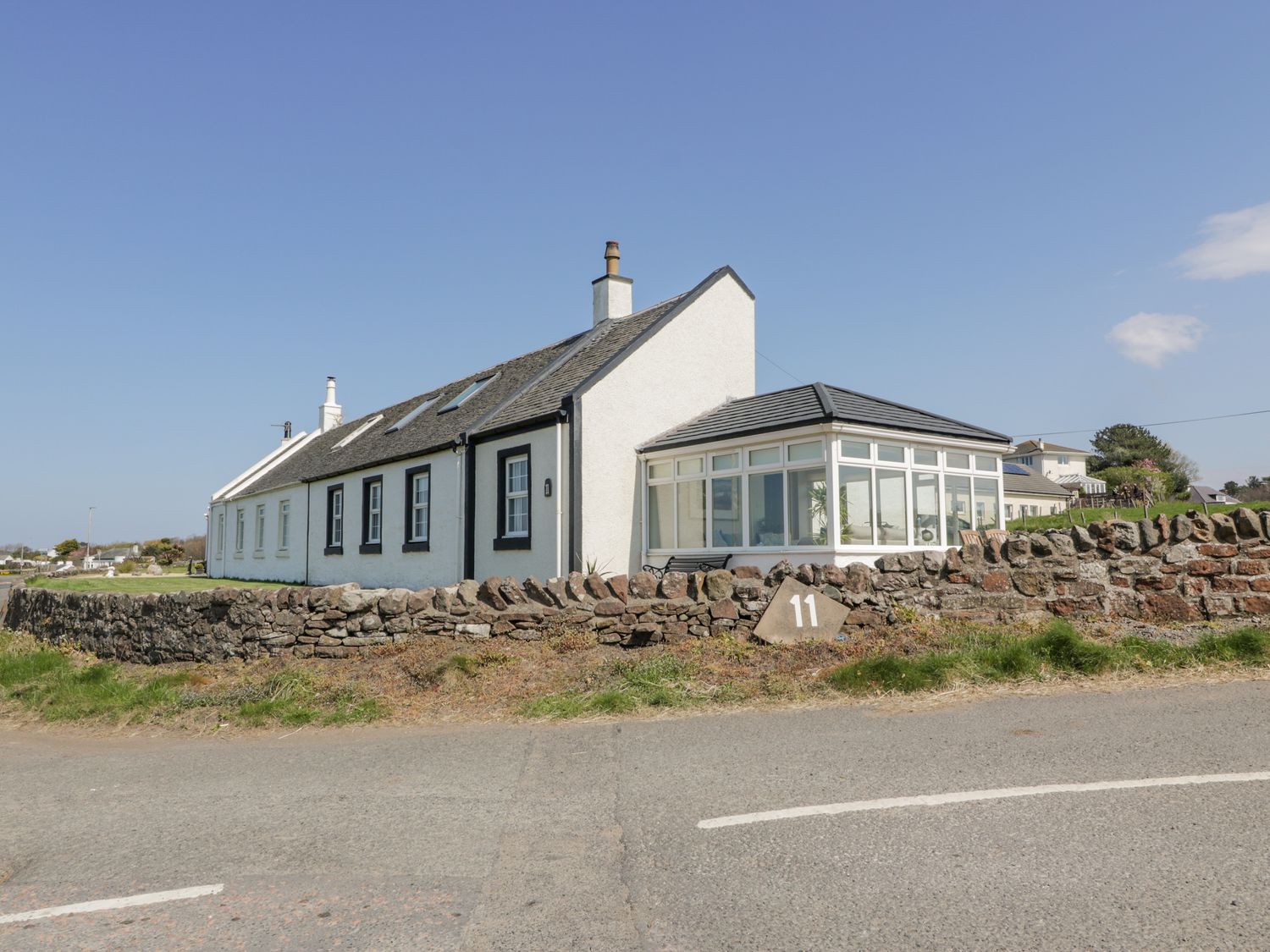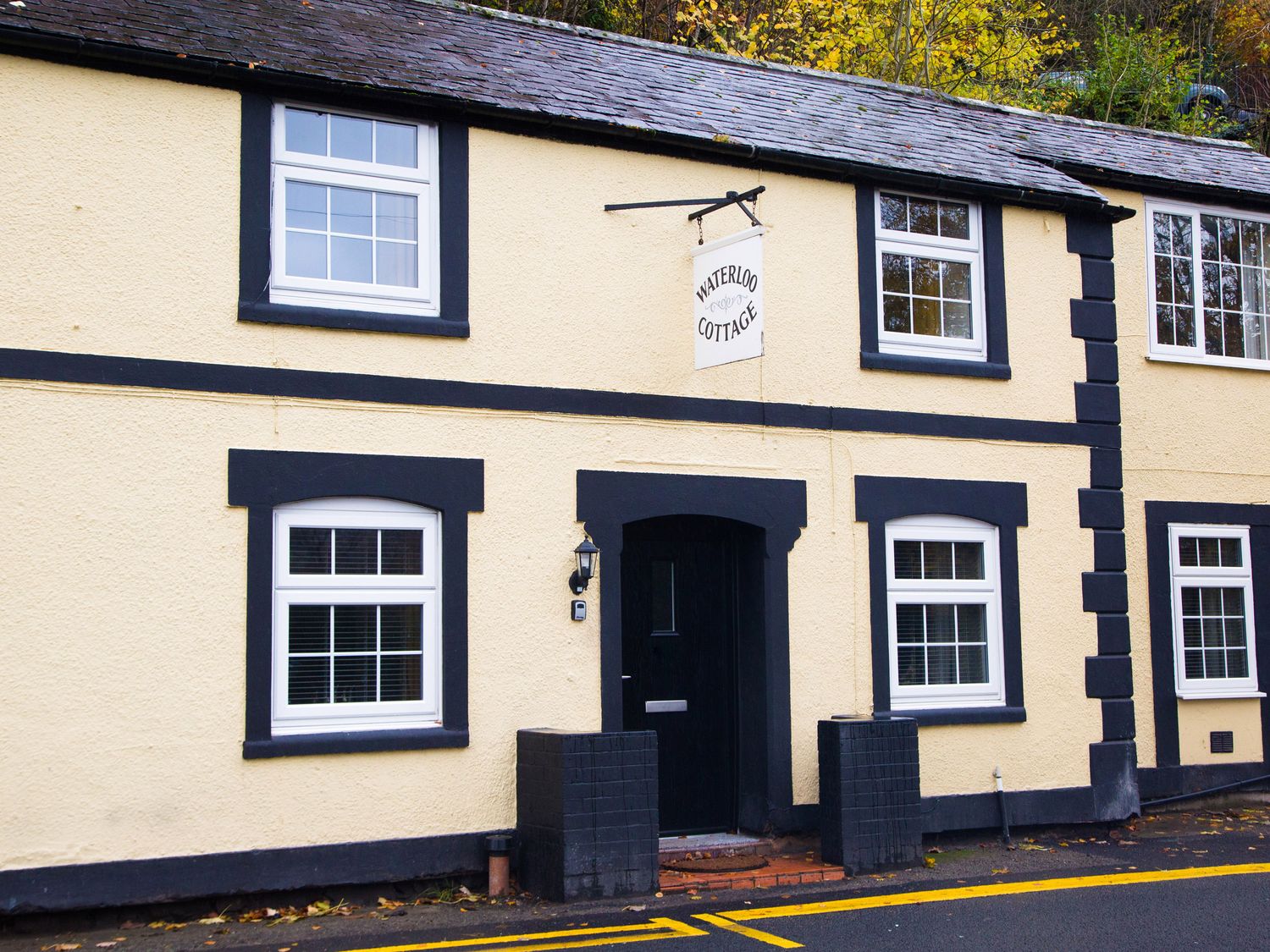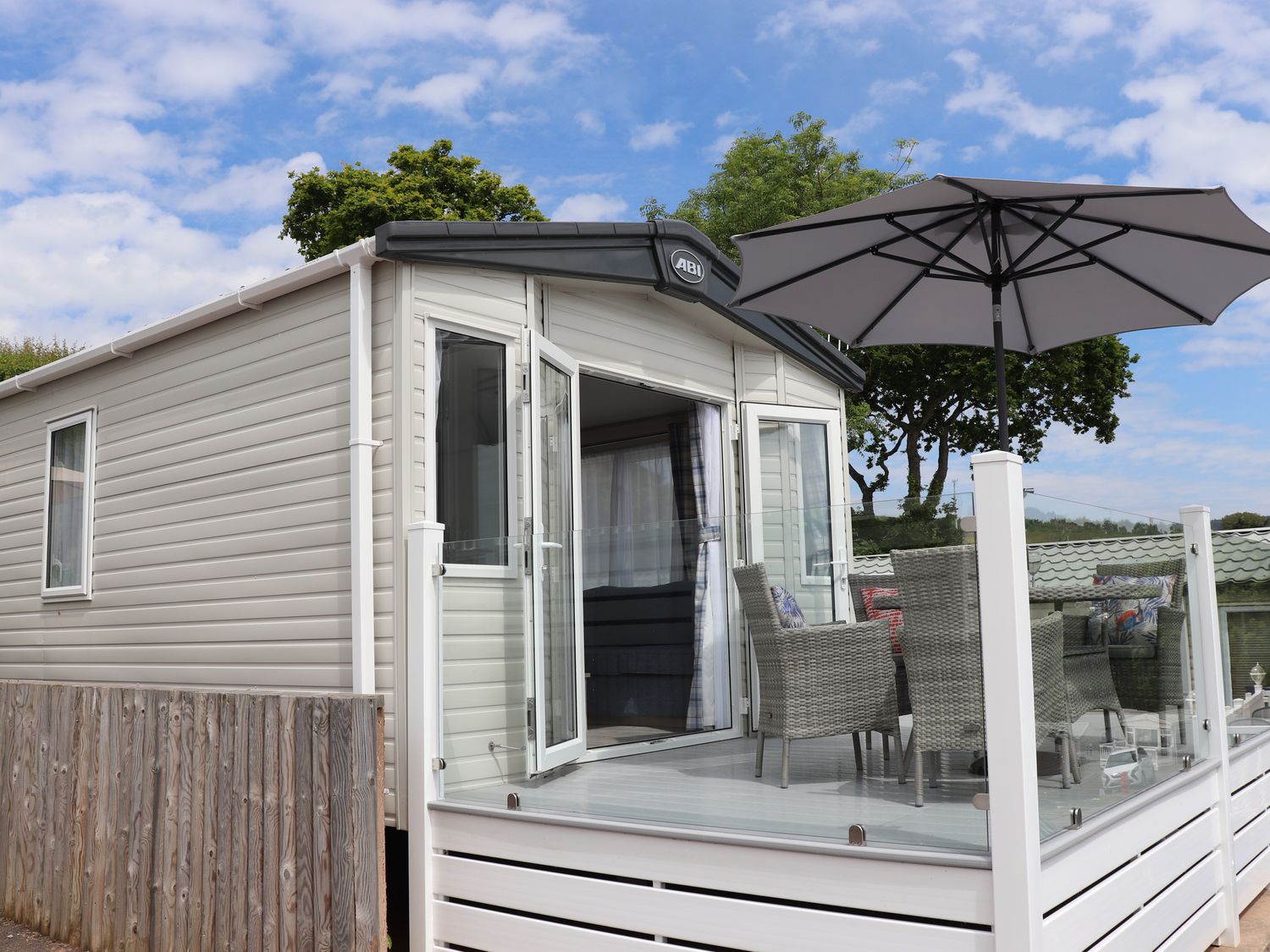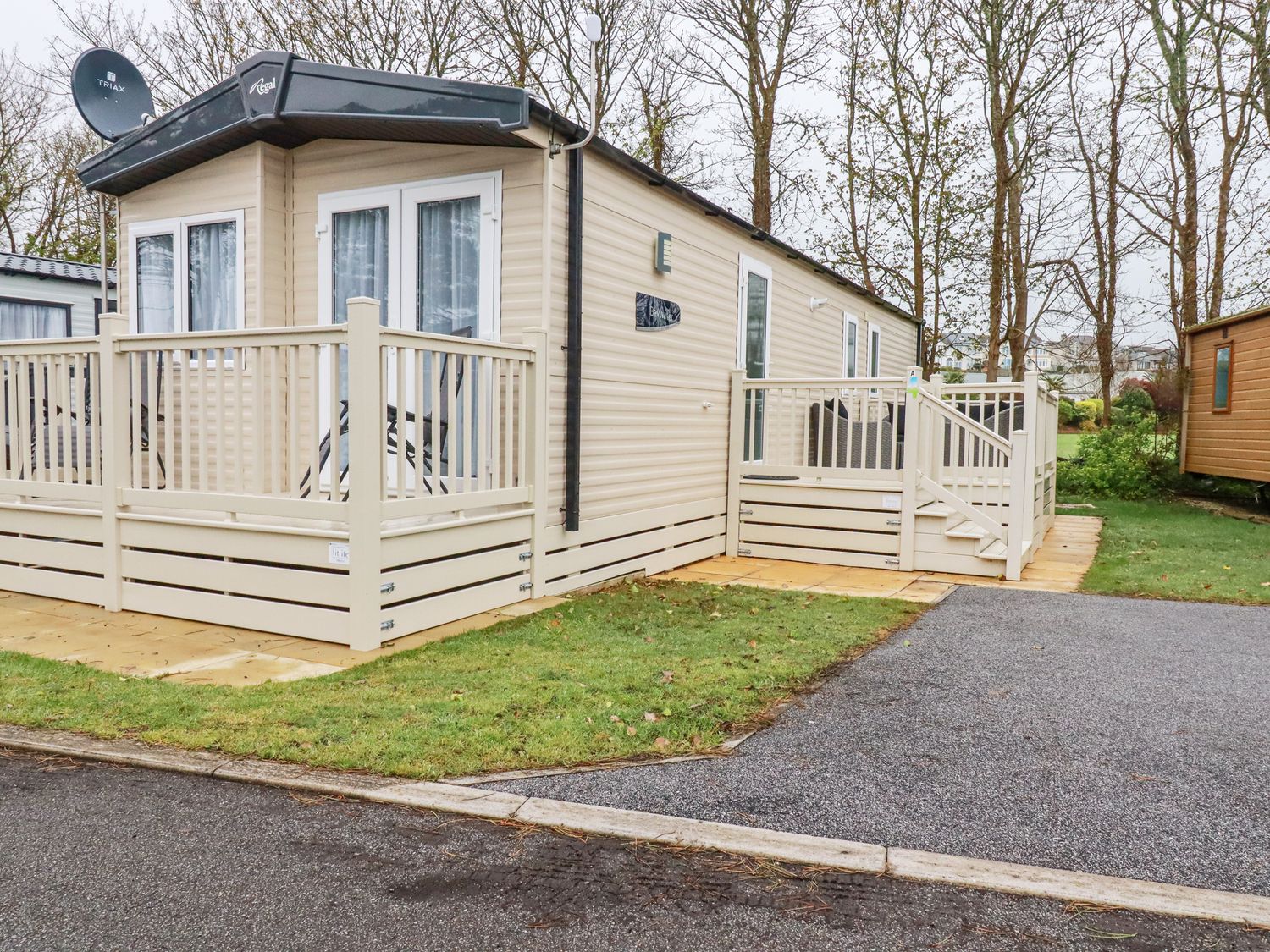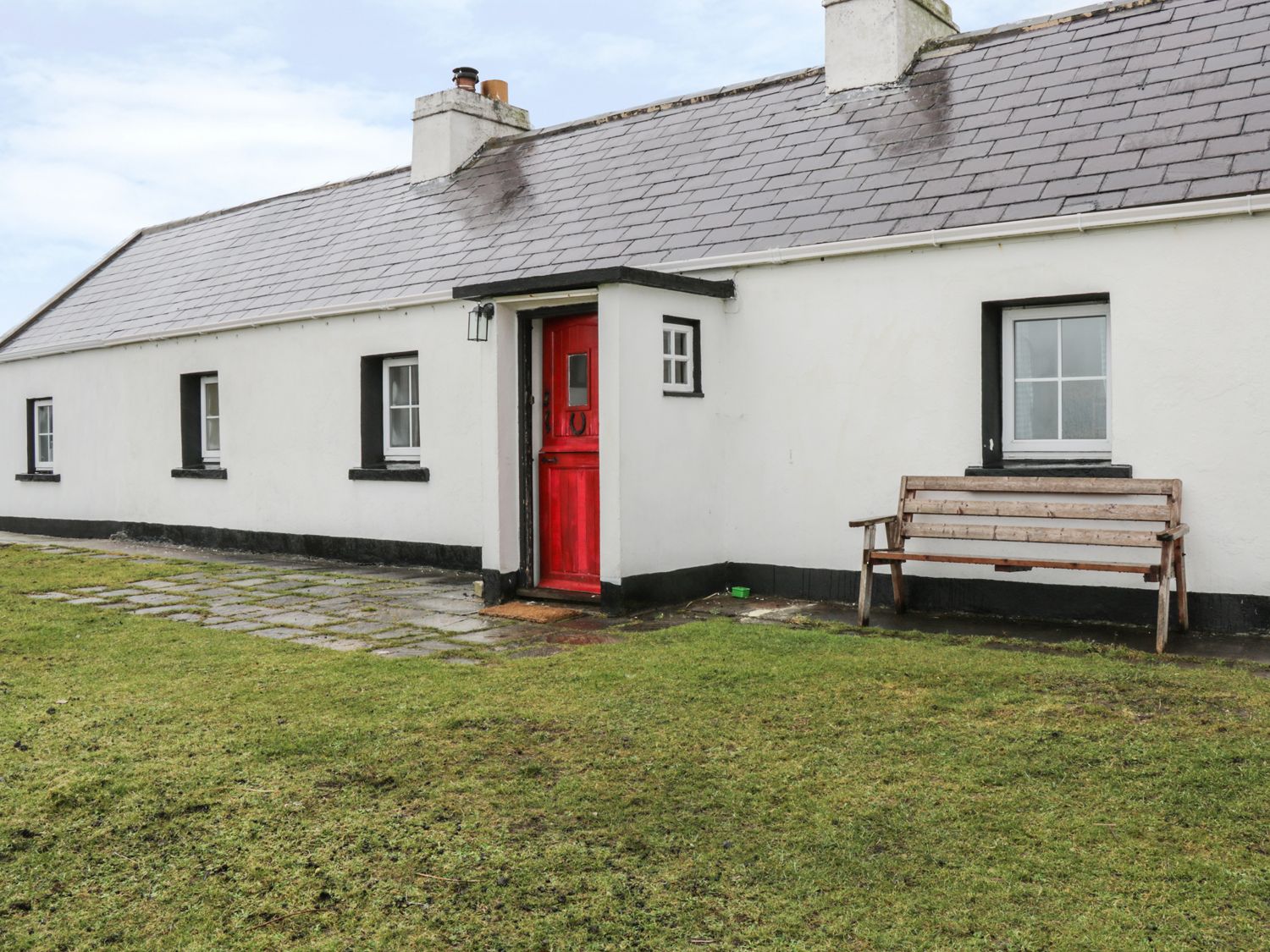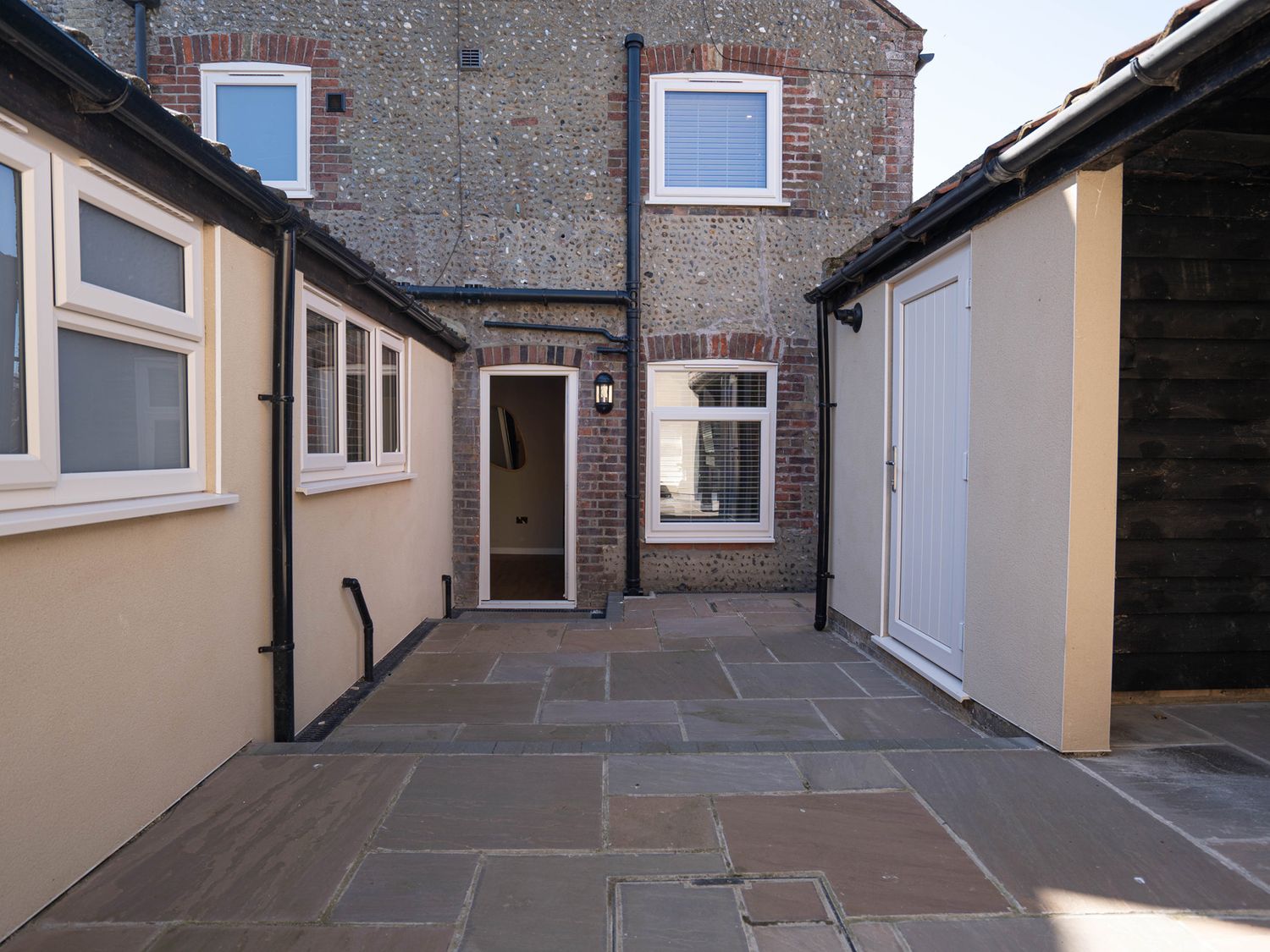
Three bedrooms with Smart TVs: 1 x double with en-suite walk-in shower, basin, heated towel rail, and WC, 1 x double, 1 x twin (zip/link, can be double on request). Ground-floor bathroom with freestanding bath, walk-in shower, basin, heated towel rail and WC. Kitchen. Living/dining room with woodburning stove. Shared external games room
The family resort of Lowestoft is the most easterly point in Great Britain and is situated on the Suffolk Sunrise coast close to the Norfolk/Suffolk border with some of the finest sandy beaches in the area, with a range of attractions for all the family. From the traditional Victorian Seafront Gardens and donkey rides on the beach to the modern roller-skating rink at Claremont Pier and Pleasurewood Hills Leisure Park with its spectacular rides. The town has something for everyone; with 2 theatres. shops, restaurants, cafes, and bars whilst its maritime heritage is celebrated with a number of attractions including the floating ‘Mincarlo’ museum on Heritage Quay or the Lowestoft & East Suffolk Maritime Museum, plus a short drive away is The Transport Museum with its selection of old Buses, Trams and other transport in which they give local excursions. Along the coast is the classical seaside town of Southwold, famed for its beach huts and traditional pier and Minsmere RSPB nature reserve. home of BBC’s Springwatch or Benacre nature reserve at Covehithe: Venture inland to visit Somerleyton with its beautiful Stately Hall or visit the world-famous Norfolk Broads and a range of delightful country towns and villages.
With large swathes of arable land, wetlands, sandy beaches, low rolling hills, and woodland, Suffolk offers a rich diversity of habitats that support a multitude of birds.
It is also home to RSPB Minsmere located on the coast, where amongst the reedbeds, lagoons, grasslands, and heathlands, you can find some of the UK’s rarest wildlife. More than 350 species of birds have been recorded here including bitterns, avocets, long-eared owls, and spoonbills. During spring and summer migration looks out for spotted redshanks, arctic terns, and ruffs, while breeding birds include nightingales, redstarts, and turtle doves. Otters, water voles, and red deer can also be spotted.
Further down the coast is another RSPB reserve, North Warren situated just north of Aldeburgh, which is much smaller and less crowded. During winter thousands of ducks, geese, and swans, arrive to use the marshes, and huge roosts of starlings gather above the reedbeds before putting on impressive displays.
Another RSPB reserve that’s well worth a visit is Wolves Wood near Ipswich, an ancient woodland that’s home to plenty of nesting birds such as dunnocks, blackcaps, and warblers. Ideal for some early morning bird watching, great-spotted woodpeckers can also be heard drumming amongst the trees and birds of prey such as kestrels can be seen overhead.
Managed by Suffolk Wildlife Trust, Carlton Marshes Nature Reserve, located near Lowestoft at the southern end of the Broads National Park, comprises a mix of grazing marshes, fens, peat pools, and scrubland. It’s one of the best sites in East Anglia to see grasshopper warblers as well as bearded tits, Cetti’s warblers, and marsh harriers. During winter, large numbers of wildfowl arrive. Look out for wigeon, teal, and snipe.
For more wildfowl spotting opportunities, Hen Reedbeds Nature Reserve is a relatively new site again owned by the Suffolk Wildlife Trust where herons, little grebes, and sandpipers can regularly be found. And look out for kingfishers and little egrets around the pools.
Havergate Island in the River Ore is Suffolk’s only island and only accessible by ferry. The coastal habitats of saline lagoons, salt marshes, shingle vegetation, and mudflats are home to a variety of waders including oystercatchers, dunlin, turnstones, and dunlins, while it’s also a great place to find brown hares.
Walberswick National Nature Reserve is one of the most accessible and popular wildlife sites in Suffolk with shingle beaches, reedbeds, hay meadows, and woodland. Spring is a fantastic time to visit when the skies are full of birds calling and displaying to attract mates. In summer, the heather turns the heath bright purple, while in winter the bird hide by the Blyth Estuary is a great spot for viewing pintails, goldeneyes, and black-tailed godwits.