

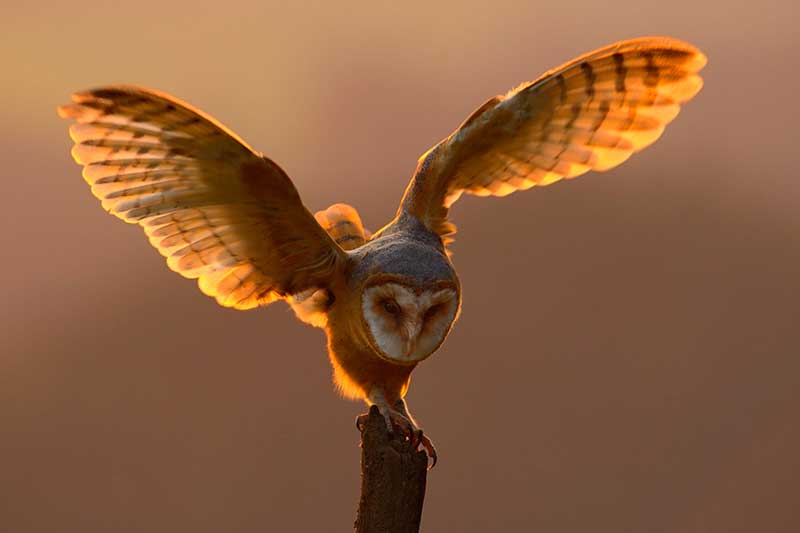
Like many owls, the barn owl is nocturnal across most of its range although in the UK it sometimes hunts during the day.
Barn owls have an acute sense of hearing; its heart shaped face collects sound in the same way as human ears and it uses this heightened sense of hearing to target its prey and dive to the ground using its long talons to seize small mammals. Barn owls do not require sight to find prey and can even find small animals that are hidden underneath snow.
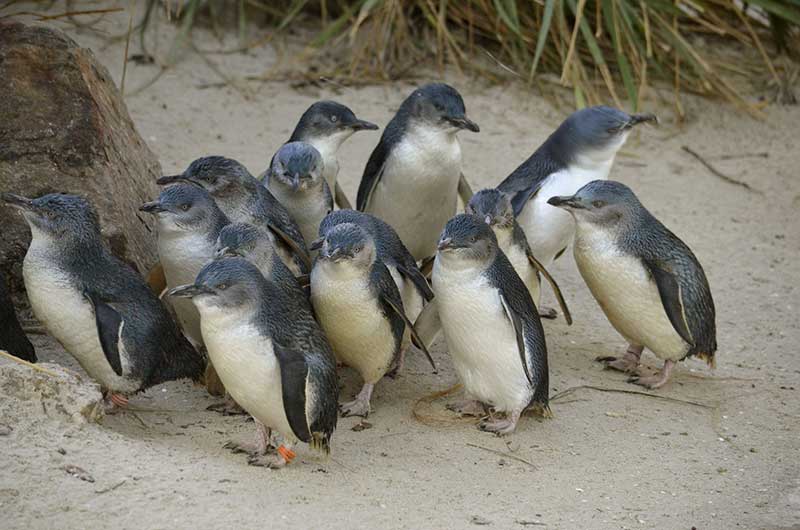
Little penguins, sometimes known as fairy penguins, are the smallest species of penguin standing just 33 cm tall. They are found on the coastlines of southern Australia and New Zealand and are famous for the nightly parade they made on Phillip Island.
Although little penguins are diurnal they exhibit some nocturnal behaviour on land mating, protecting their nests and feeding their chicks. They will spend the day out at sea searching for food sometimes staying on the water for a number of days.
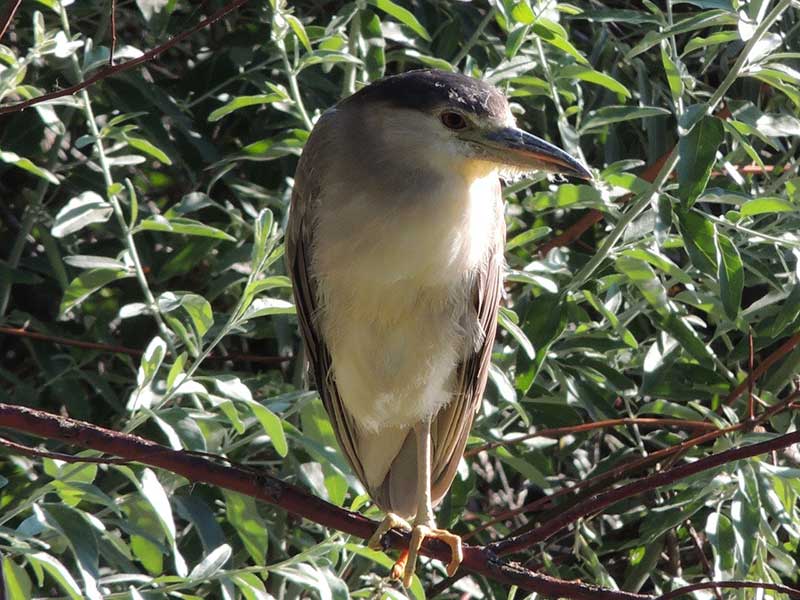
The black-crowned night heron is a stocky bird with shorter legs and neck than its more familiar cousins, the day herons.
The genus name derives from the Greek for “night raven” as they are largely nocturnal, ambushing prey from the water’s edge during the night and early morning and resting in trees and bushes during the day.
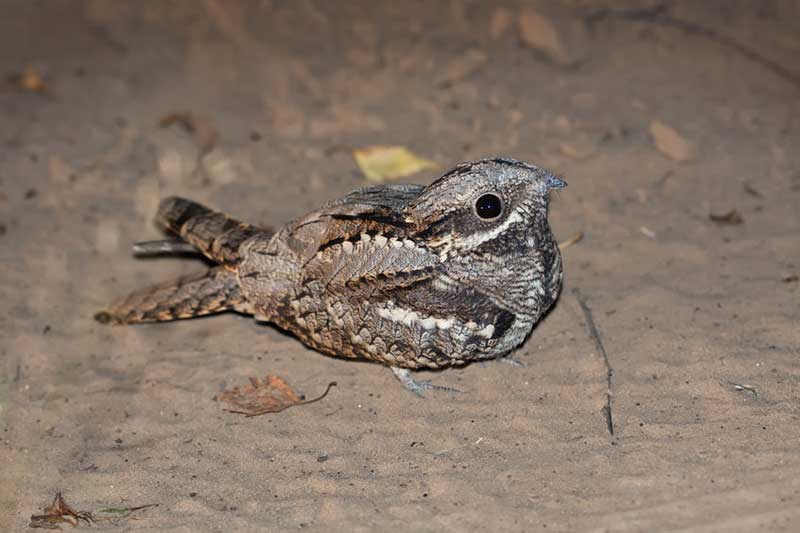
Nightjars are crepuscular and nocturnal, and during the day will spend most of their time resting on the ground. Their cryptic plumage means they can be well camouflaged and difficult to spot.
At dusk and dawn nightjars can be seen foraging for food, flying over open countryside searching for moths and insects. Their flight is virtually silent and they have a mythical ability to steal milk from goats and has the nickname goatsucker. Indeed its scientific name derives from the Latin for “goat” (caper) and “to milk” (mulego).
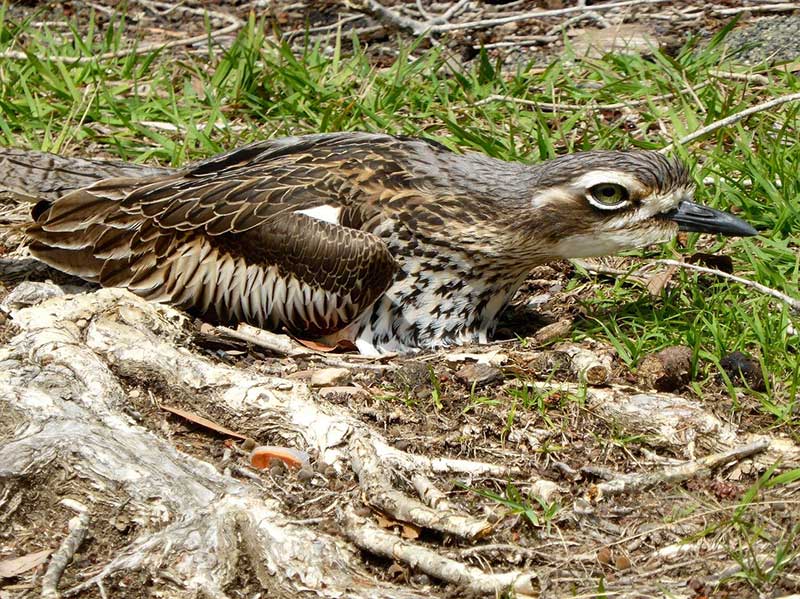
Sometimes known as thick-knees, stone-curlews are active at night using their large yellow, reptile-like eyes to search for food in the dark.
Despite the name, stone curlews are not related to Eurasian curlews, but get their name from their loud, wailing curlew-like call. Stone-curlews are rare visitors to the UK, arriving in March and departing in October. The best place to see them is at Weeting Heath in Norfolk.
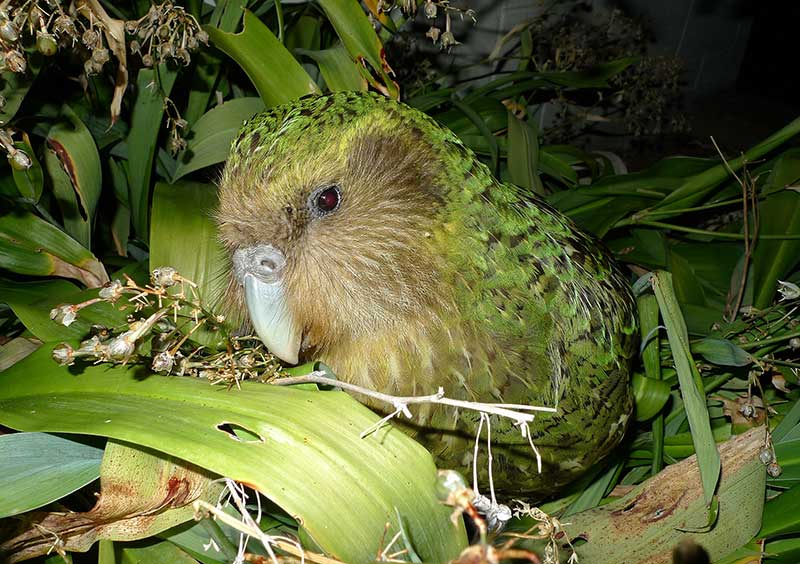
Endemic to New Zealand, not only are kakapos nocturnal, they are flightless and ground-dwelling and are the only parrot to have a lek breeding system.
During the day kakapos roost under the cover of trees and at night they search for food including plants, seeds, fruit and sapwood. Kakapo is a Maori word meaning night parrot although it is not related to the night parrot of Australia.
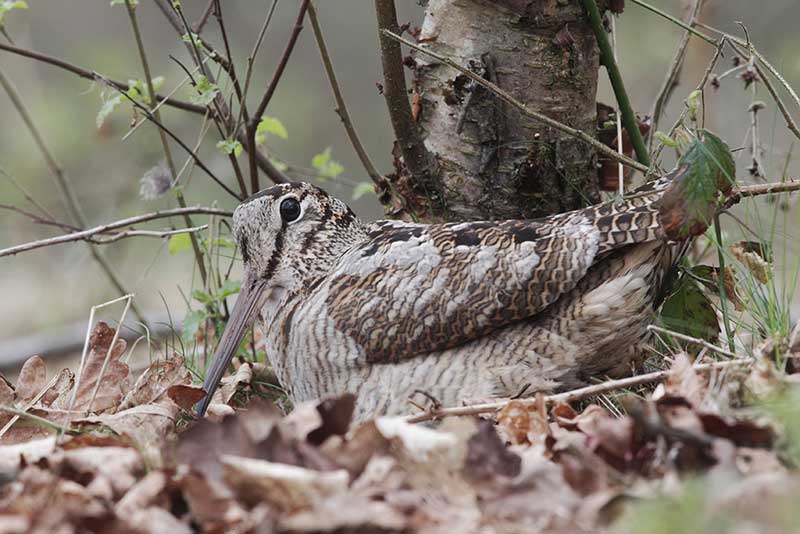
Woodcocks are largely nocturnal spending most of the day resting in dense vegetation. They are large wading birds with long straight bills.
The woodcock can be difficult to spot due to its plumage which provides an almost perfect camouflage when hiding in leaf litter. They are most active at dawn and dusk searching for worms, snails, spiders and caterpillars.
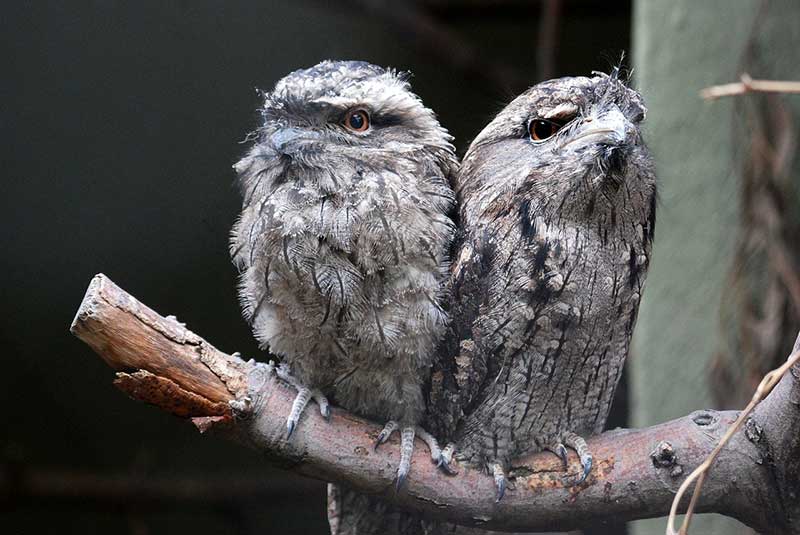
A species of frogmouth native to Australia, tawny frogmouths are sometimes mistaken for owls due to their nocturnal habits and similar appearance.
During the day they do not actively look for food, but they may sit at rest with their mouths open snapping it shut if an insect enters. Otherwise their diet consists of nocturnal insects such as moths, slugs, snails and worms.
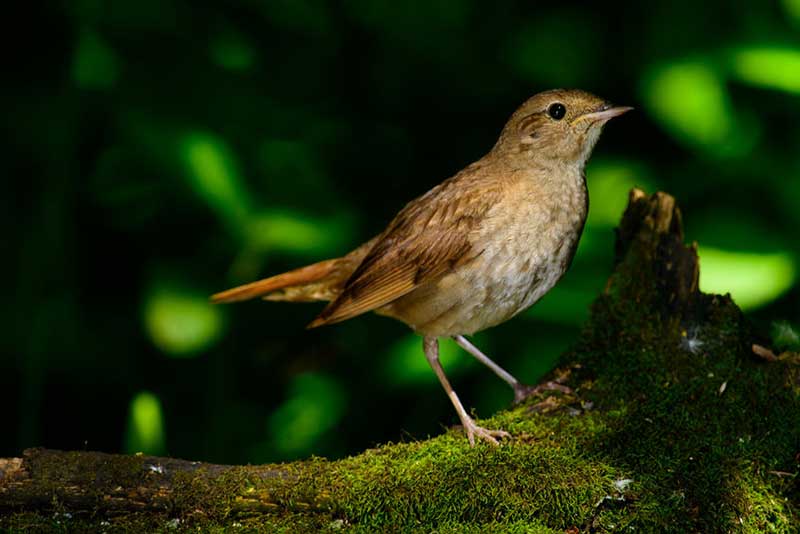
Nightingales are not the only birds to sing at night but they are probably the most famous, particularly the one that sang in Berkeley Square.
Only unpaired male nightingales sing regularly during the night to attract a mate and in cities and towns they will sing more loudly to be heard over background noise. The singing of a nightingale can sometimes trigger other birds to join in particularly robins which are in fact the most common nighttime singers in UK towns and gardens.
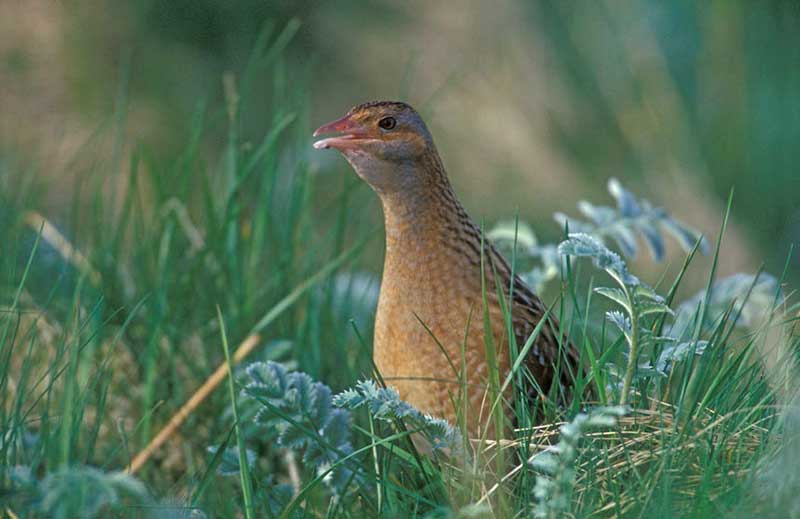
Corncrakes are related to moorhens, coots and water rails but live on dry land. They are secretive birds with a rasping call.
Corncrakes spend much of the day hidden in vegetation on farmland but have a loud nocturnal call that sometimes led to disturbed sleep for people who lived near rural areas. In John Clare’s poem The Landrail (an alternative name for the corncrake), he writes about the difficulty of seeing corncrakes as opposed to hearing them.

5 responses
The Woodcock is also called the Timberdoodle
Have you ever encountered a mysterious night bird in Louisiana that you can mimic and copy its songs, but cannot identify its species? If so, what unique characteristics does this bird possess that sets it apart from other nocturnal birds in the area?”,
“refusal
I have seen Common Nighthawks flying overhead calling
Hey last night I was walking back to my room from my office at around 2 am and I saw this nightjar exactly sitting near the road as shown in the picture lol.
I have found this night bird here in Louisiana that I have yet identified nor know what type he is with no way to identify they bird however I can mimic and copy his songs very well . Have even pecked the bird curiosity in few areas . This bird reminds me of animal with a long whistling sound hight to low pitches . Could help you help me determine the species his color is jet black and it’s after the light fades and sometime way later threw the night similar to cats when marring seasons in even Thow nothing like that sound . Thanks