Sussex is one of the best places in the UK for birdwatching, offering a rich variety of habitats from coastal wetlands to ancient woodlands.
Located in the Arun Valley, Pulborough Brooks is a fantastic year-round birding location. In winter, large flocks of wigeon, teal, and pintail can be seen, while spring and summer bring nightingales, warblers, and hobbies. The wetland scrapes attract waders like lapwings, redshanks, and black-tailed godwits, and birds of prey, including marsh harriers and peregrine falcons, are regular visitors.
A vast tidal estuary, Pagham Harbour is a haven for waterbirds, especially in winter when thousands of waders and wildfowl congregate. Brent geese, avocets, grey plovers, and curlews are common sightings. In summer, little terns, sandwich terns, and Mediterranean gulls breed here, while passage migrants such as whinchats and wheatears pass through in spring and autumn.
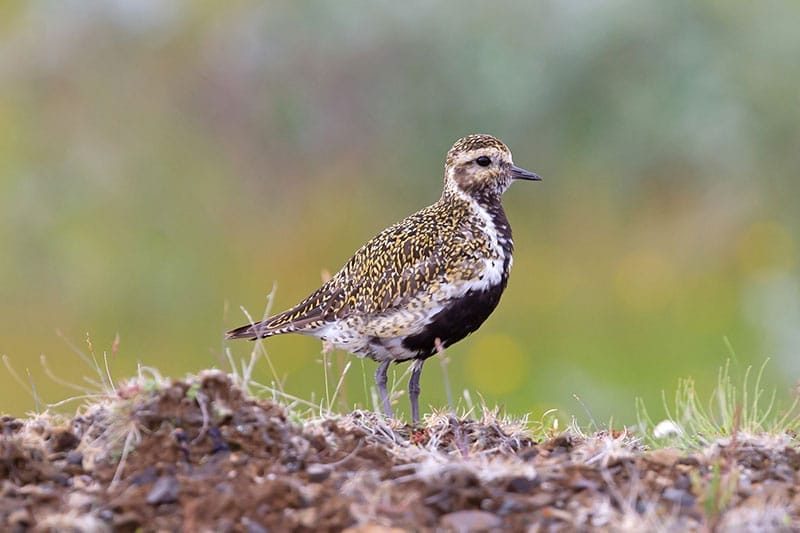
This coastal reserve is one of Sussex’s best birdwatching sites, with shingle ridges, saltmarsh, and lagoons supporting a wide variety of species. Breeding birds include little terns, common terns, and ringed plovers, while winter brings golden plovers and flocks of brent geese. The reserve is also a hotspot for rare birds, with occasional sightings of spoonbills and black-winged stilts.
Check out these places to stay nearby
One of the UK’s most successful coastal realignment projects, Medmerry is a relatively new but outstanding birdwatching destination. It attracts a range of waders, wildfowl, and raptors such as short-eared owls and hen harriers. It’s also a great place to see dartford warblers, yellowhammers, and corn buntings in the surrounding scrub and farmland.
Famous for its ancient yew forest, Kingley Vale is also an excellent site for woodland birds. Look out for firecrests, treecreepers, woodpeckers, and various warblers in spring and summer. Buzzards and red kites are often seen soaring overhead, and if you’re lucky, you may even spot a goshawk.
A well-known site for woodland specialists, West Dean Woods is home to rare birds such as hawfinches, lesser spotted woodpeckers, and marsh tits. Tawny owls and woodcock can also be found, particularly in the quieter areas of the forest. This is one of the best places in Sussex to experience the dawn chorus in spring.
Perched on the South Downs, Beachy Head is an excellent location for migrating birds. In autumn, thousands of swallows, house martins, and meadow pipits pass through, along with ring ouzels, redstarts, and warblers. The cliff tops and scrubby areas also attract stonechats, wheatears, and peregrine falcons.
This stunning river estuary is a great place to see waders and waterbirds, with little egrets, shelducks, and oystercatchers regularly spotted. In winter, flocks of lapwings and golden plovers gather, while spring and autumn migrations bring yellow wagtails, whinchats, and occasionally rarer species like black redstarts.
Managed by the Sussex Wildlife Trust, Woods Mill is a great place for birdwatchers looking for a mix of woodland and wetland species. Kingfishers can often be seen along the pond, while nightingales, warblers, and cuckoos are highlights in spring. It’s also an important site for tawny owls and great spotted woodpeckers.
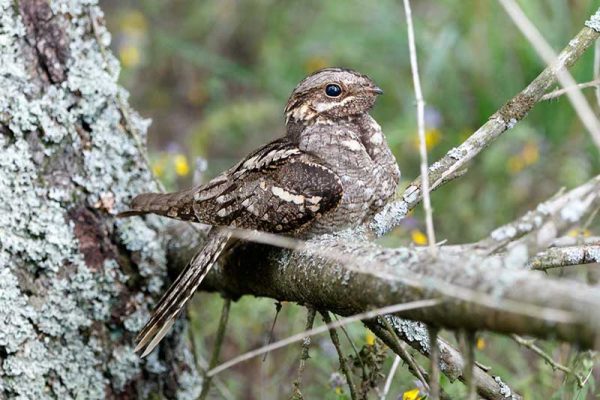
Famous as the setting for Winnie-the-Pooh, Ashdown Forest is also one of the best birdwatching sites in Sussex. The heathland habitat supports nightjars, woodlarks, and tree pipits, while crossbills and redpolls can be found in the coniferous areas. Birds of prey such as hobbies, buzzards, and goshawks are often seen soaring above the landscape.

.JPG?width=770)