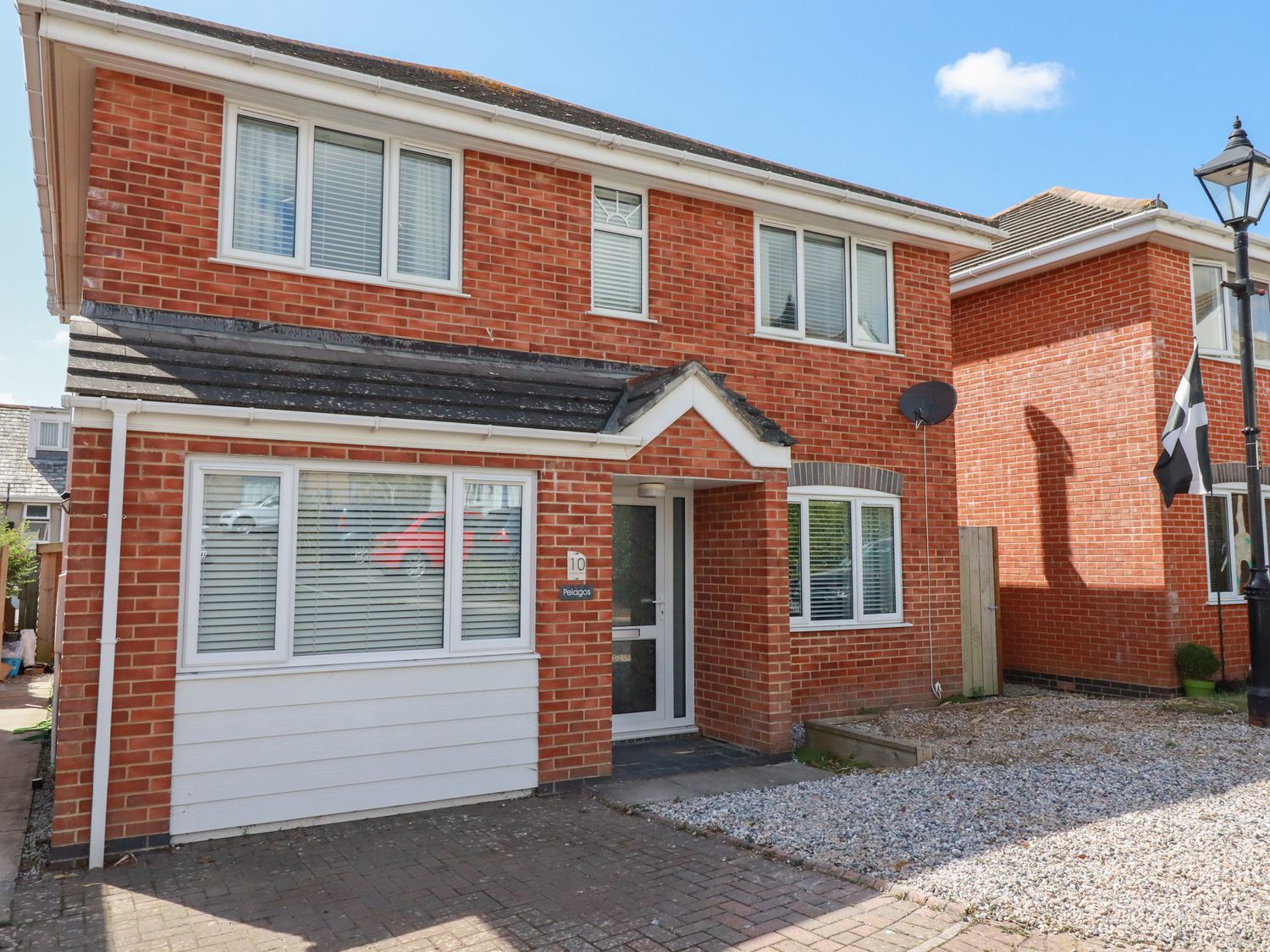
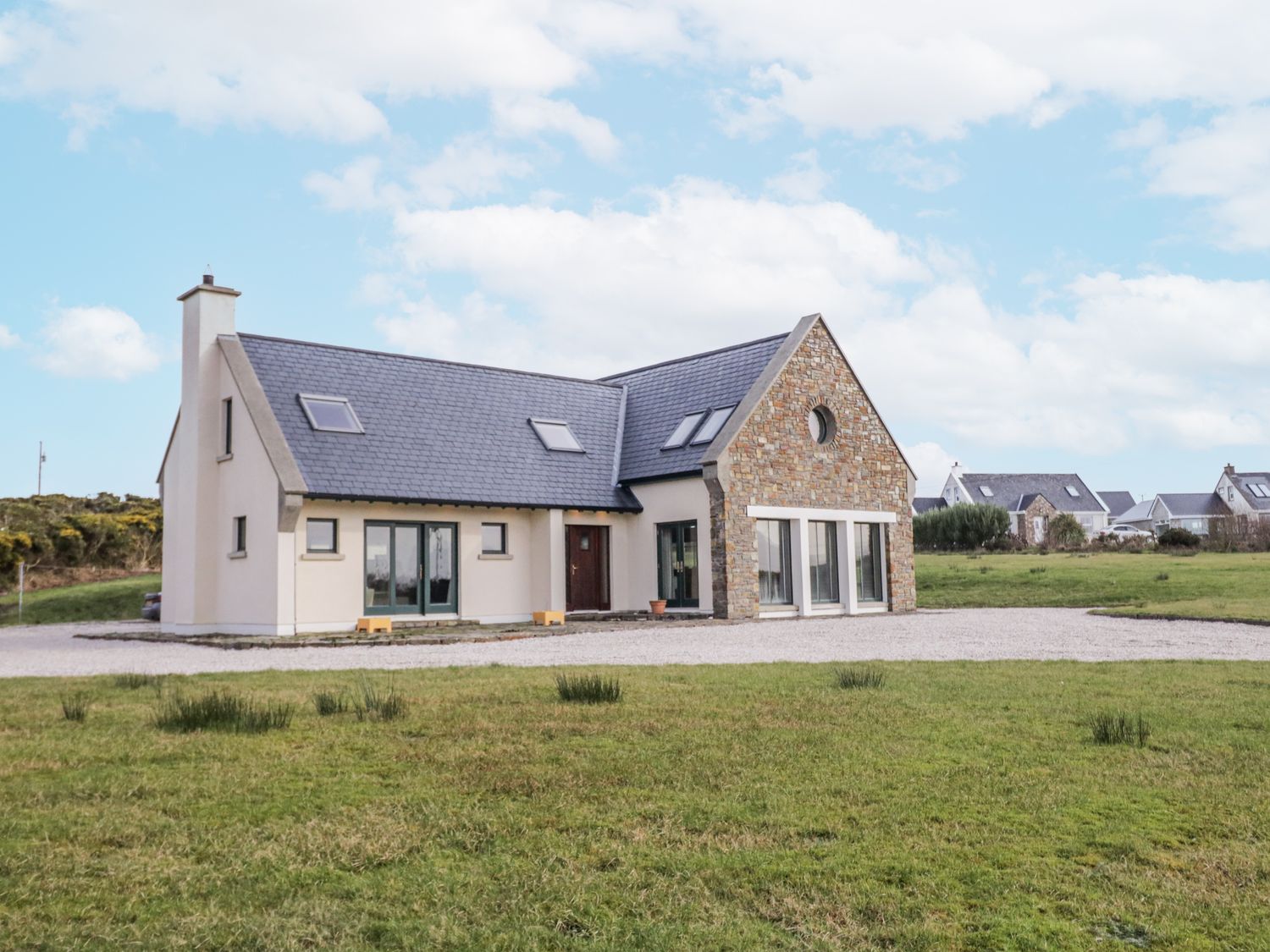
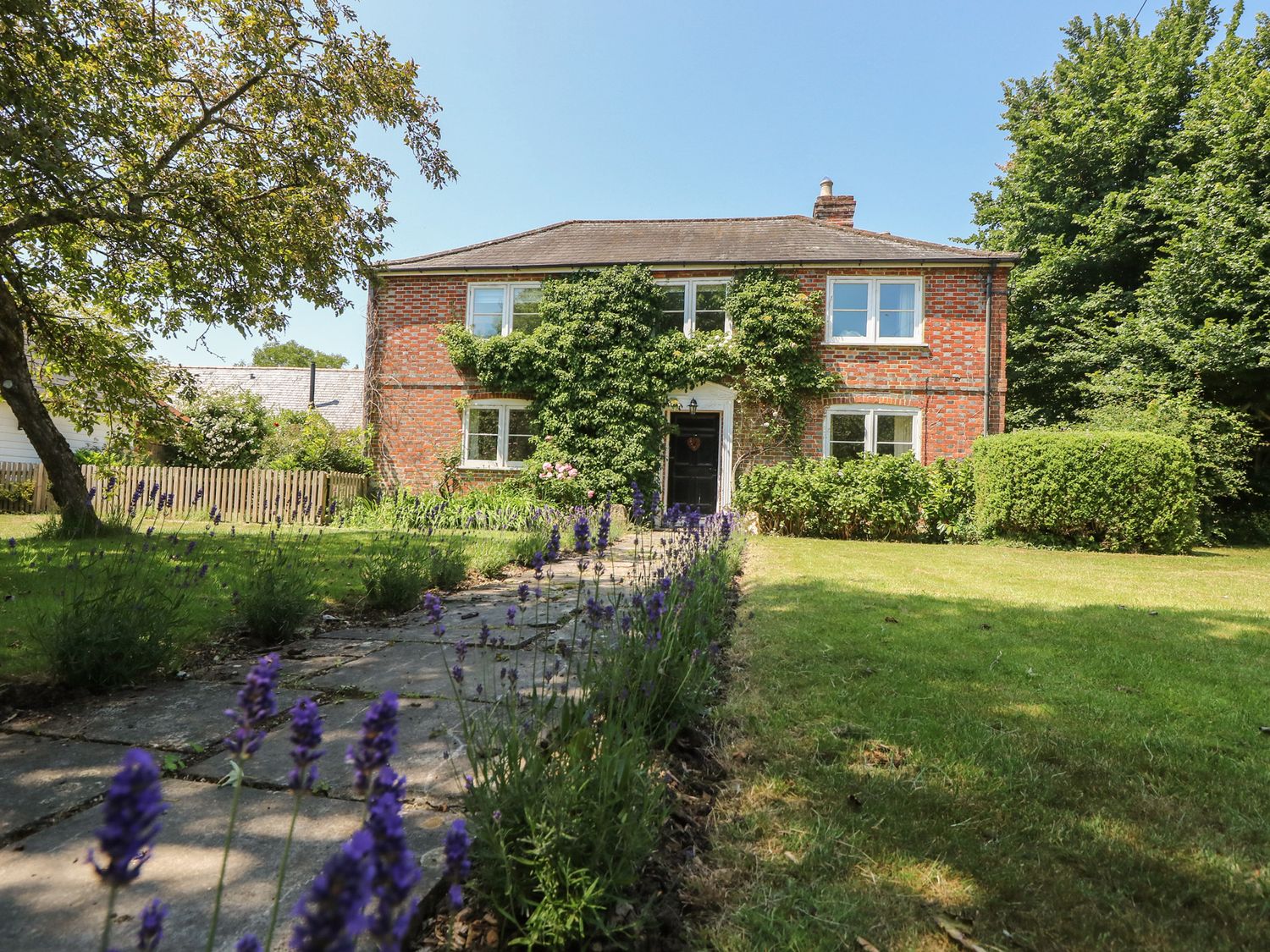
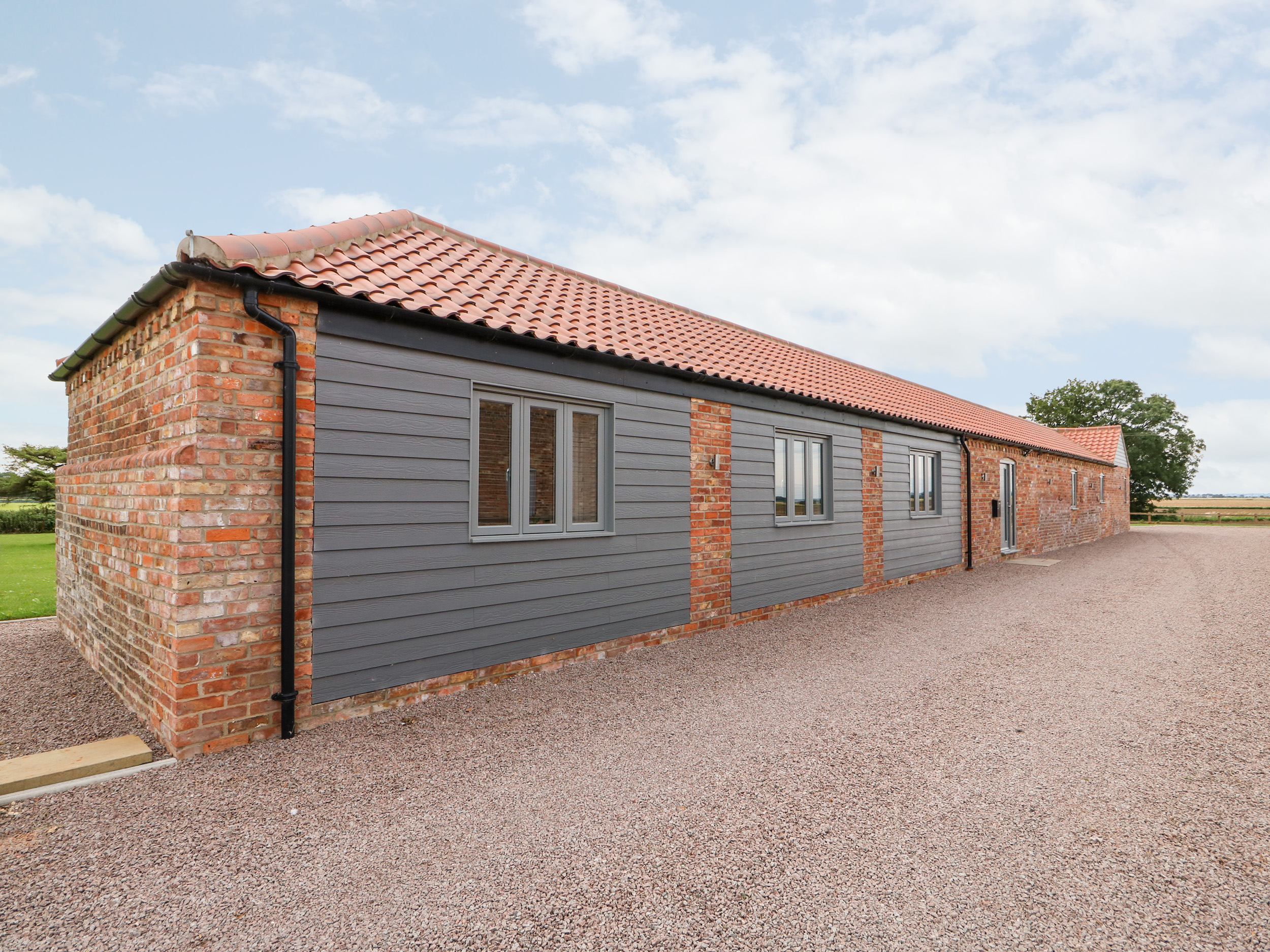
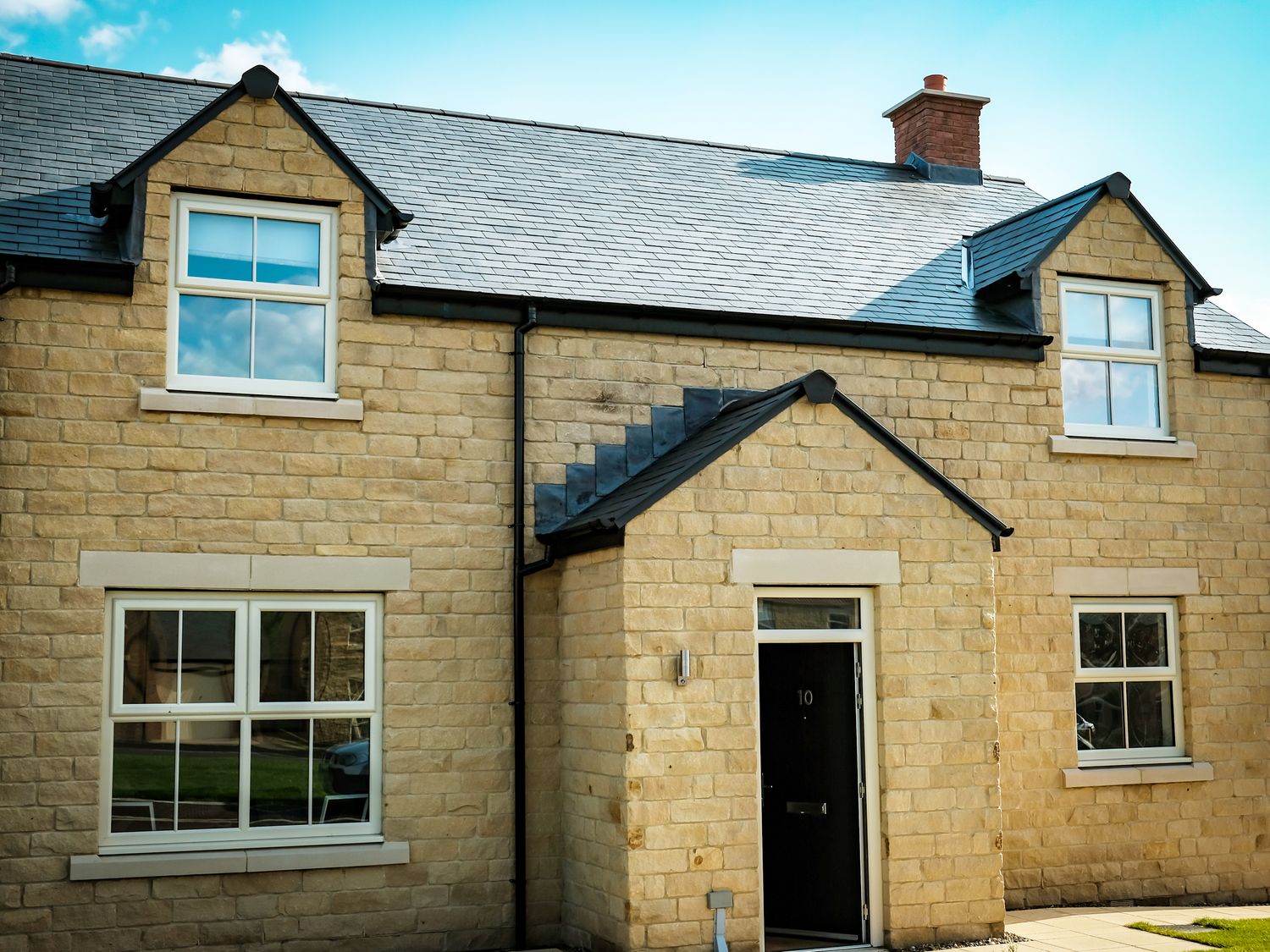
Four bedrooms: 1 x king-size with en-suite with walk-in shower, basin and WC, 2 x double, 1 x bunk. Shower room with walk-in shower, basin and WC. Family bathroom with bath, basin and WC. Open-plan living space with kitchen, dining area and sitting area. Sitting room
Central heating
Oven, hob, microwave, fridge, freezer, dishwasher, kettle, toaster, washing machine, iron, ironing board
3x TVs, WiFi
Fuel and power inc. in rent
Bed linen and towels inc. in rent
Cot and highchair available on request
Parking
Gardens with hot tub and barbecue
Two well-behaved dogs welcome
Sorry, no smoking
Shop 3 miles, pub 3.2 miles
Widdrington is a village located around eight miles north east of Morpeth, an ideal place for exploring the county of Northumberland in an area wonderful for walkers, cyclists and bird-watchers. The local parish church is Grade I listed and dates to the Norman era, commanded by elevated ruins of the 18th century Widdrington Castle. The country park at Druridge Bay is less than two miles away and the bustling little seaport of Amble, situated at the mouth of the River Coquet, can also be reached easily. Historically a centre for boatbuilding, Amble offers a marina, a harbour, sandy beaches and coastal walks to the bird sanctuary at Hauxley. Large fishing boats moor along the harbour wall and land a variety of fish, prawns, crabs and lobsters – the daily catch can be bought at a fish shop in the harbour. A mile south of Amble is Coquet Island, an RSPB reserve with a large population of terns, puffins and eider ducks, which boat trips can be arranged around. The pretty coastal villages of Alnmouth and Craster, as well as numerous superb beaches, are only a short drive away, whilst the National Trust’s Wallington Hall and Cragside are also within easy reach. Be sure to visit picturesque Warkworth and its castle, plus the charming town of Alnwick with its castle and award-winning gardens too.
The relatively unspoilt, rugged coast of Northumberland is often described as a birder’s paradise, but the inland landscapes of rolling moors, peat bog, wooded valleys, pristine rivers, and meadows and grasslands have much to offer a wildlife watcher too.
Managed by the National Trust, the Farne Islands are a group of rocky islands about two miles off the Northumberland coast and undoubtedly one of the best places for bird watching in the UK. They’re home to many breeding species of seabirds including puffins, shags, guillemots, fulmars, kittiwakes, and terns. In autumn, a large colony of grey seals arrive to pup on the islands, and it’s also a good time of year to look out for rare migrants that may have been blown off course. Access is via a boat from nearby Seahouses; depending on the time of year it may be possible to land on some of the islands to see the wildlife up close.
Also owned by the National Trust, is Embleton and Newton Links, a beautiful stretch of sand and dunes which is home to a breeding colony of terns at Long Nanny on Beadnell beach. Newton Pool nature reserve has bird watching hides where you can watch oystercatchers, redshanks, herons, and other waders along the shoreline.
Head inland to Northumberland National Park to see moorland species such as black grouse, golden plovers, and curlews, as well as crossbills and goshawks in the woodlands. Look up to see a rare hen harrier dancing in the skies above, while dippers, goosanders, and grey wagtails can be spotted alongside the numerous rivers and streams that meander through the park. Red squirrels, roe deer, and wild goats are also found.
At Kielder Forest, in the heart of the park and just three miles from the Scottish border, ospreys breed and there is a cabin where you have the chance to view these magnificent birds up close as they rear their chicks. At the northern end of Kielder reservoir is Bakethin reserve, where the open water and wetland habitats support whooper swans, barnacle geese, pochards, and mallards in the winter.
The dunes, saltmarshes, and mudflats of Lindisfarne National Nature Reserve, located off the Northumbrian coast about 10 miles south of Berwick-upon-Tweed, are important for a host of migratory birds. Pink-footed geese, brent geese, wigeon, and bar-tailed godwits are just some of the species that arrive for the winter, while the hawthorn hedges attract redwings, fieldfares, and goldcrests. Birds of prey can regularly be spotted on the reserve too. Keep an eye out for kestrels and merlins. Access to the reserve is via a tidal causeway so check tide times and the weather before you go.
Hauxley nature reserve is owned by Northumberland Wildlife Trust and offers magnificent views across Druridge Bay. It supports a huge variety of birdlife such as tree sparrows, reed buntings, bullfinches, turnstones, and coots, and visitors in the summer will be treated to spectacular wildflower displays. You might even spot an otter or a stoat. With extensive facilities including accessible trails, bird hides, an eco-friendly Wildlife Discovery Centre, a café, shop, and play area, it’s the perfect place for a family day out.