With two lakes surrounded by reedbeds and grassland, East Chevington is noted as one of the best bird watching sites in Northumberland.
Monday | All day |
|---|---|
Tuesday | All day |
Wednesday | All day |
Thursday | All day |
Friday | All day |
Saturday | All day |
Sunday | All day |
Adults – free, but donations are welcome
Children – free, but donations are welcome
East Chevington nature reserve is located next to Druridge Bay Country Park and has been managed by the Northumberland Wildlife Trust since 2003. The reserve features two large lakes – the North Pool and the South Pool – which were formed as a result of mining subsidence. These are surrounded by expansive reedbeds, grassland, and woodland, with additional farmland to the west also owned by the Trust.
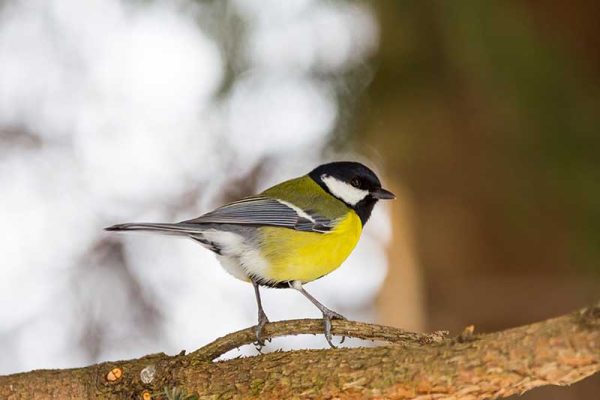
The reedbeds around the smaller South Pool are home to breeding reed buntings, reed warblers, and bearded tits. The elusive bittern, more often heard than seen, overwinters here, while marsh harriers, which first bred at the site in 2009 (the first recorded breeding in Northumberland in over 130 years), also rely on these reedbeds. Other birds of prey include barn owls and short-eared owls, which hunt small mammals in the grasslands, and ospreys that occasionally pass through during migration. Amphibians such as great crested and smooth newts, frogs, and toads inhabit the smaller pools, providing a food source for grey herons.
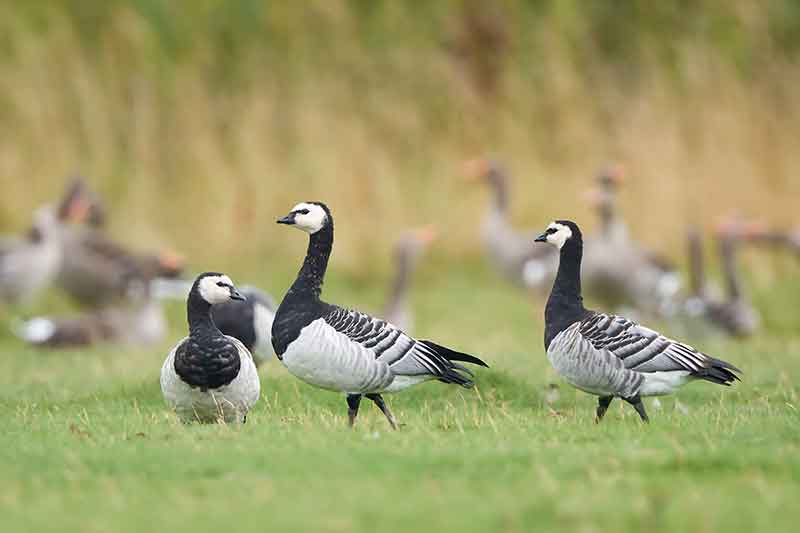
The larger North Pool hosts a variety of waterfowl, including great crested grebes, little grebes, gadwalls, goldeneyes, pochards, teals, and shovelers. In summer, swifts can be seen skimming low over the water to drink. Overwintering wildfowl include barnacle geese, bean geese, greylag geese, pink-footed geese, Bewick’s swans, and whooper swans.
The reserve is also an excellent site for waders such as curlew, black-tailed godwits, little stints, greenshanks, redshanks, and spotted redshanks. Visitors may also spot little egrets, great white egrets, jack snipes, or spoonbills. Occasionally, rarities like pectoral sandpipers, purple herons, or spotted crakes make an appearance.
The scrubby grasslands between the lakes and the beach, dotted with rushes, hawthorn, and gorse, support a rich variety of plants, including dyer’s greenweed, bloody cranesbill, meadow cranesbill, cut-leaved cranesbill, bird’s-foot trefoil, and five species of orchid. Wildflower meadows attract pollinators and provide seeds that sustain birds such as goldfinches, stonechats, redpolls, and siskins.
In spring, the woodland comes alive with the songs of chiffchaffs, crossbills, and willow tits, while great spotted woodpeckers can be heard drumming high in the trees.
The reserve ha a well-marked network of trails and a boardwalk leading to a viewing platform over the pond, providing visitors with a closer look at the wildlife. Footpaths are level, well-surfaced, and usually over 100 cm wide. Several bird hides are situated throughout the site, though one hide at the entrance is reserved exclusively for education sessions.
Facilities at the neighbouring Druridge Bay Country Park include toilets and a café. There is limited parking at the reserve itself, with additional spaces available at the Country Park.
Please note, dogs are welcome on East Chevington resrve, but must be kept on a lead.


Jan
Feb
Mar
Apr
May
Jun
Jul
Aug
Sep
Oct
Nov
Dec
J
F
M
A
M
J
J
A
S
O
N
D
For seasonal opening times, further information about facilities, and any restrictions, please visit the site’s website for full details.