Brent Lodge Wildlife Hospital is a charity that provides care, treatment, and rehabilitation to sick, injured, or orphaned birds and mammals. Based in Sidlesham, a small town in West Sussex, this year is their 50th anniversary, making them one of the longest serving wildlife rehabilitation hospitals in the South of the UK.
To mark the occasion, we had a chat with Emma, the Animal Care Manager, to find out more about the hospital and the work they do.
Set up in 1971 by our founder, Dennis Fenter, we have been caring for wildlife for 50 years.
Dennis took in his first patient, a tiny sparrow, and fast learnt that there were very few wildlife rehabilitation centres in the South capable of successful wildlife care and rehabilitation.
Guided by his local vet and a bird rescue centre, Dennis began to learn the basics of wildlife care. He started off just taking bird casualties, but fast became overwhelmed with both bird and small mammal casualties so moved to larger premises so he could treat more patients. And in 1978 we became a registered charity and began to expand our facilities.
Yes, sadly he passed away in 2019, so we are determined to continue his legacy and pay tributed to his extraordinary passion for wildlife.
Our name Brent Lodge came from when Dennis treated a very severely injured Brent goose, who despite the odds, survived and thrived.
We take in between 3,000 to 3,5000 wildlife casualties a year and treat over 125 different UK species. Our ultimate goal is to release healthy wildlife back to their natural habitats.
But we also do outreach work, visiting schools and community groups, to inform the wider public about the plights facing UK wildlife, and simple steps individuals can adopt to safeguard their future.
Patients at the hospital are constantly treated depending on the season. We are currently caring for hundreds of sick, injured, or underweight hedgehogs, as well as hundreds of other seasonal casualties.
The recent storms have caused several birds to become injured or separated from their homes or flock. Normally in these circumstances, if treated quickly, they just require a safe place to rest and recuperate before being released back to their habitats.
As we move towards the spring/summer months, we will fast be dealing with the influx of bird and mammal casualties, who will all require around the clock care.
I’ve been volunteering and working at Brent Lodge for 21 years. I provide care to wildlife casualties and manage the general day to day running of the hospital.
I adore my job. Working for a small charity is great as I get to see the direct effect the charity has on the animals. We get to see the whole process through.
The staff and volunteers are like a second family to us. We have had a huge amount of support from everyone over the years, and I have made friends for life.
When I started it was only ever meant to be a place where I could gain some experiences until I landed my dream job as an RSPCA inspector. Little did I know I had already landed my dream job! I haven’t looked back since.
It is a true pleasure to care for and help the animals that come into our care. My favourite part of the job is caring for the orphan animals during the summer months to get them fit for release – even if it means losing sleep.
Wild bird casualties make up about 75% of our patients with the main cause of casualty being cat, dog, or predator attacks, orphans, and natural diseases, or injuries. Sadly, most of our casualties are brought to us as a result of human intervention such as traffic collisions, habitat loss, pollution, and unfortunately, deliberate cruelty.
We are currently caring for an injured beautiful buzzard who arrived in a very bad condition, completely lifeless, and severely dehydrated. On examination it appeared he had been involved in a road traffic collision and was suffering from concussion.

After he was given a place to rest and recuperate, he began to sit up and feed himself. Once he was strong enough he was then moved to one of our outside enclosures where he will gain wing strength.
When the weather is better our care staff will find a suitable location to release him. It is always distressing to see any wildlife animal vulnerable and lifeless, but when it is a big and beautiful bird such as this, it makes the recovery move rewarding to see.
Of course it’s always a special experience to see a bird of prey, but we’ve noticed that during lockdown people have become much more aware of the birds that are visiting their gardens. For many people stuck in their homes, they were great entertainment and a better alternative than binging yet another Netflix boxset.
Garden birds are some of our most admitted patients, especially in the summer months when chicks can be found orphaned or abandoned. We do often release garden birds near our hospital, if their original site is unknown or not considered to be suitable for release.
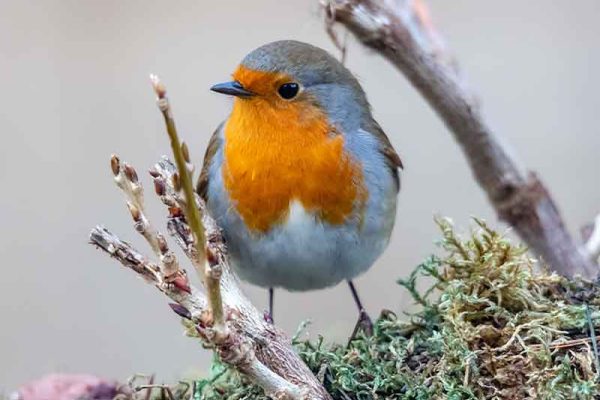
A robin came to us as a young juvenile after being caught by a cat. He didn’t sustain any serious injuries so after a period of recuperation we released him by the hospital. He often returns to help staff clean the outdoor cages by eating any bugs he finds underneath.
Recently we came across a swift in distress. The finder thought it might have a broken wing as it waddled towards him, as if asking for help.
On arrival we informed the finder that he didn’t have a broken wing, but he had fledged too soon and was just overly exhausted. At the time we had nearly two dozen swifts in a similar state and we were feeding them every two hours in order to build up their strength.

Later in the summer we released the swift in a location where he could find other swifts so they can begin their flight to the Southern Hemisphere.
‘Stowaway Squabs’. It is nice uplifting story during these difficult times, especially when it shows an endearing side to our common pigeons.
We had a phone call in the summer of 2020 from personnel aboard HMS Defender who were surprised to discover a nest containing two baby pigeons aboard their ship after it had set sail.
Sadly, their mother was nowhere to be seen. We were able to offer advice to the concerned crew on how to keep the fledglings alive using the very limited resources available for their remaining 5-day adventure.
Once HMS Defender was safely docked and onto dry land near Portsmouth, the two squabs were then brought to us, where they were given a meal and a comfy bed.
They spent a few days in our incubators, but once they were big enough, they were moved to our outside enclosures to gain strength prior to their release. These two troublesome twins will be remembered for some time and luckily it all ended well.
Unfortunately, the restrictions imposed as a result of Coronavirus means that our charity shops are temporarily closed, and our main source of income has been cut off.
With fundraising activities cancelled or restricted we are experiencing a direct drop in funding, whilst care costs, food bills, and veterinary treatments continue to rise.
We rely on a healthy team of staff to care for our patients, without them we would have nobody to care for the animals, so unfortunately, to minimise the risk to our team, we have decided to temporarily stop volunteers helping the team care for patients.
We rely heavily on the support of our volunteers so without them we face another busy year ahead and a very difficult task caring for thousands of wildlife casualties with significantly fewer hands to help.
2021 marks a special anniversary for us, so despite the impact of Coronavirus still ever-present in our lives, we are determined to make 2021 a golden year to remember. Our plans will no doubt be restricted but we do have plans to host fundraising events, acknowledge those who have helped along the way, and of course pay tribute to our Founder.
Our hospital has served its purpose well over the year, but it was slowly becoming outdated and no longer fit for us to efficiently care for and house the growing number of patients we now treat.

Over the past few years, we have been fundraising to upgrade and expand our facilities. To date we have constructed 12 new bird of prey enclosures, 7 new water bird enclosures, and 5 new large mammal enclosures, as well as equipping our hospital with new windows, doors, care units, and flooring. This year our focus is to fund and construct a purpose-built patient admission building, with a patient triage area in memory of Dennis.
As we look to the future, we have plans to build a new modern hospital with onsite veterinary facilities. It will be some years yet before we have enough funding to start construction, but it is important we put all of these additional enclosures, upgrades, and ‘building blocks’ in place to aid our transition to become a veterinary centre, as well as a wildlife rehabilitation hospital.
If you find a bird that requires urgent assistance, our advice is always to call your nearest wildlife rehabilitator, or call your local vet as soon as possible.
Often birds may appear to be lost or abandoned but their mother could be nearby, and sometimes intervention is not always the best course of action.
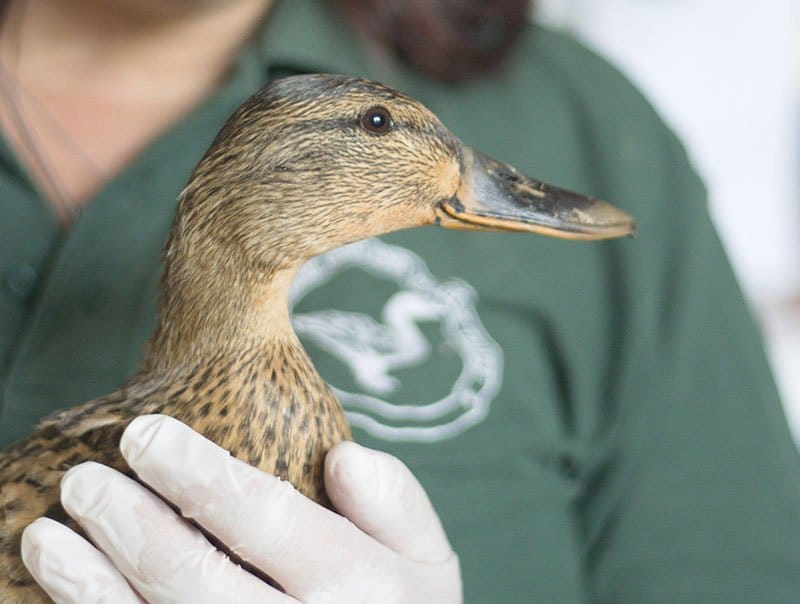
Of course, if the bird is clearly in danger, or has obvious injuries, then intervention is necessary. If it is safe to catch and handle the bird then, using suitable gloves or a towel, place the bird in a secure, ventilated cardboard box lined with a towel or newspaper. Do not attempt to care for the bird yourself, or offer food or water, unless you have sought some advice, as they may require a specialised diet of care plan.
With fundraising activities restricted we are desperately in need of generous donations to fund food, animal care, and special projects as we expand.