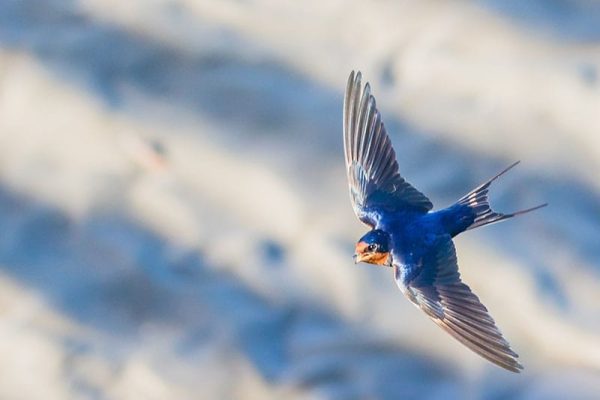
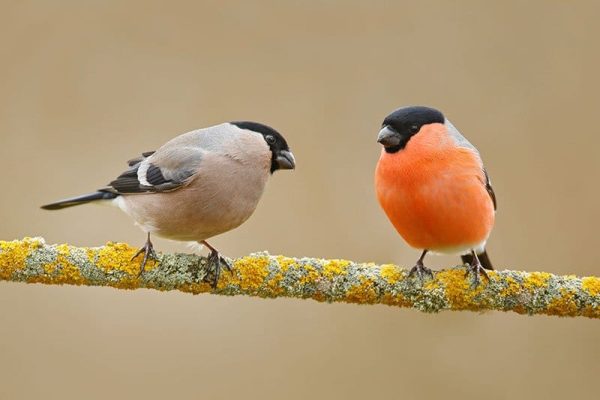
A biological ornament is an anatomical feature in birds that serves more of a decorative purpose than a practical one. Many of these ornaments are secondary sexual characteristics, meaning they play a key role in attracting mates and can drive the process of sexual selection.
Birds often use their ornaments in displays, by shaking, spreading, or extending them, to capture the attention of potential mates. In most species, males tend to have the most extravagant ornaments, as females typically choose the most visually impressive partner. By selecting a well-ornamented male, a female increases the chances of passing on strong, attractive traits to her offspring, boosting their own chances of reproductive success.
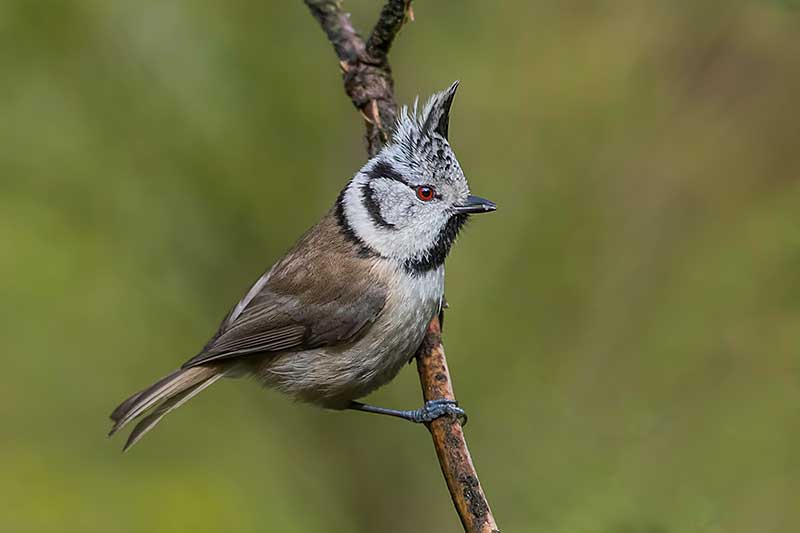
Crests are tufts of feathers on a bird’s head that can be raised or lowered. They vary in size, shape, and prominence depending on the species.
Many birds, such as cockatoos, great crested grebes, and cardinals, have distinctive crests. These feathers play an important role in communication. Birds may raise their crests to signal excitement, aggression, or to attract a mate, making them a key feature in both social interactions and courtship displays.
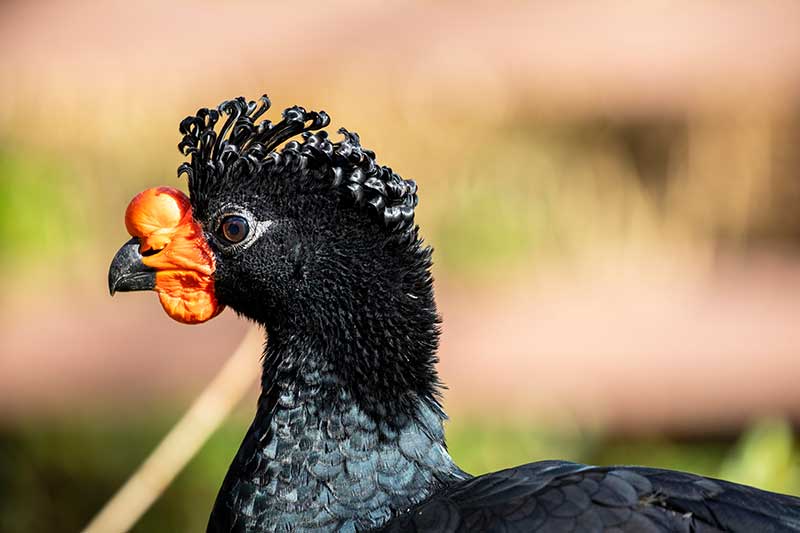
Wattles are fleshy, often brightly coloured patches of skin that hang from a bird’s throat or head. Their size, shape, and colour can vary between species.
Birds such as turkeys, chickens, and the southern cassowary have prominent wattles. These structures serve multiple purposes, including attracting mates, signaling dominance in social hierarchies, and helping with thermoregulation by releasing excess heat.
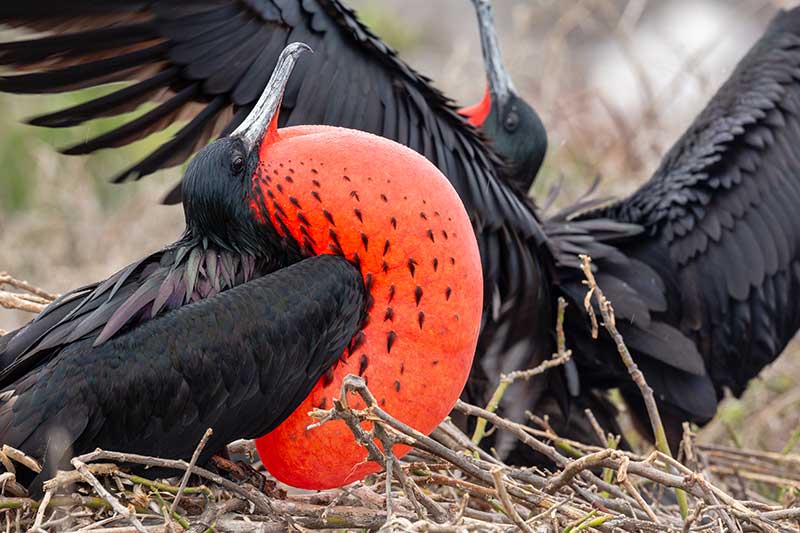
Gular pouches are expandable throat sacs found in certain bird species. Their size and function vary depending on the species.
Pelicans, frigatebirds, and boobies are well-known examples of birds with gular pouches. In pelicans, the pouch is primarily used for catching and temporarily storing food. In contrast, male frigatebirds inflate their striking red pouches as part of an elaborate courtship display to attract mates.

Spurs are sharp, pointed projections found on the legs or sometimes the wings of birds. These structures can vary in size and shape depending on the species.
Examples include spur-winged lapwings and gamefowl, such as roosters. Spurs are primarily used in combat between males, especially during territorial disputes or competitions for mates.
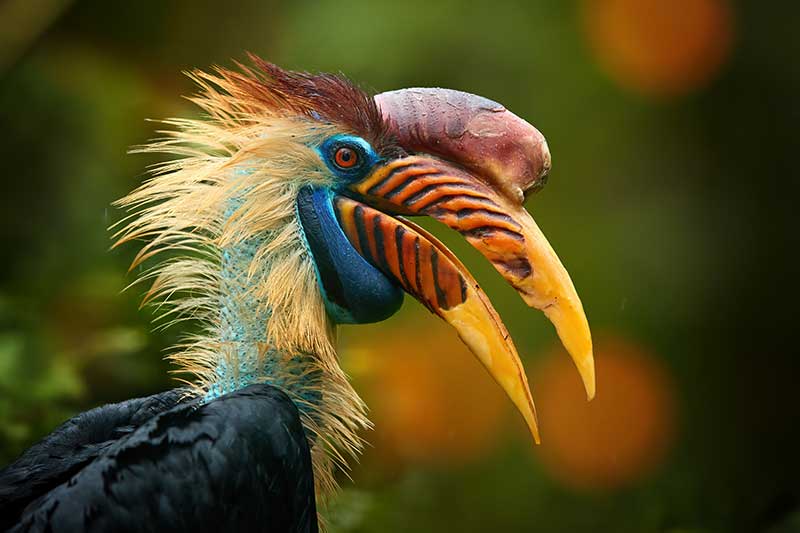
Casques are helmet-like structures found on the heads of certain bird species. These prominent features vary in size and shape across different birds.
Hornbills and cassowaries are well-known examples of birds with casques. These structures serve multiple purposes, including amplifying calls, assisting in head-butting during fights, and signalling a bird’s age and health to potential mates or rivals.
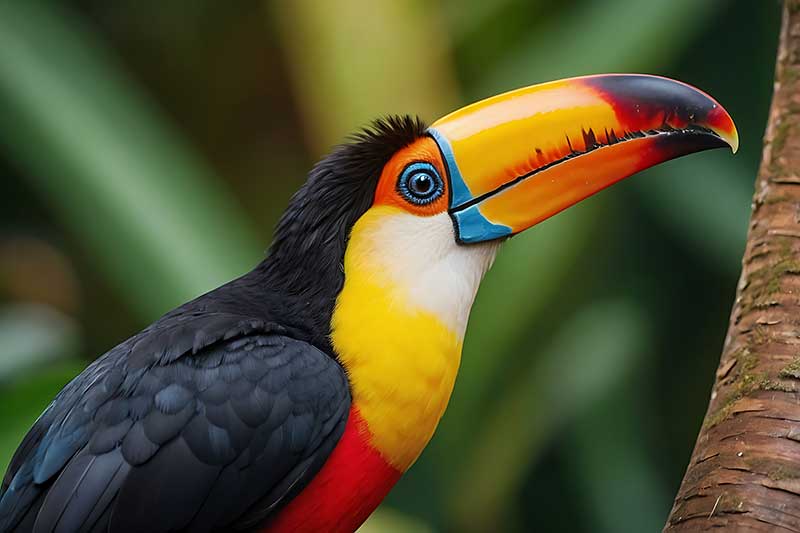
Beak modifications refer to highly specialised or ornamented bills found in some bird species. These beaks can vary significantly in shape, size, and structure.
Rhinoceros hornbills and toucans are notable examples of birds with distinctive beak modifications. These specialised bills are often used for display, foraging, or as indicators of dominance and sexual selection during courtship.

Facial caruncles are lumpy, fleshy growths found on the head or face of certain birds. These structures can vary in size and prominence between species.
Muscovy ducks and turkeys are examples of birds with noticeable facial caruncles. Often brightly coloured, these caruncles serve as visual signals of a bird’s health and maturity, playing a role in attracting mates and establishing social status.
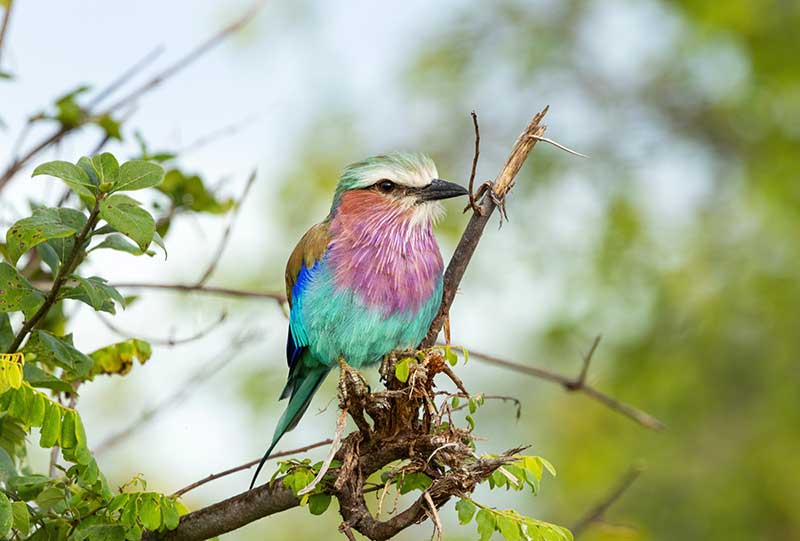
Rictal bristles are stiff, hair-like feathers located near the beak of certain birds. These feathers are typically fine and may appear less ornamental compared to other features.
Flycatchers and nightjars are examples of birds with rictal bristles. While not used for display in the traditional sense, these bristles likely aid in prey capture by helping birds detect and catch insects. They may also play a subtle role in display or communication.
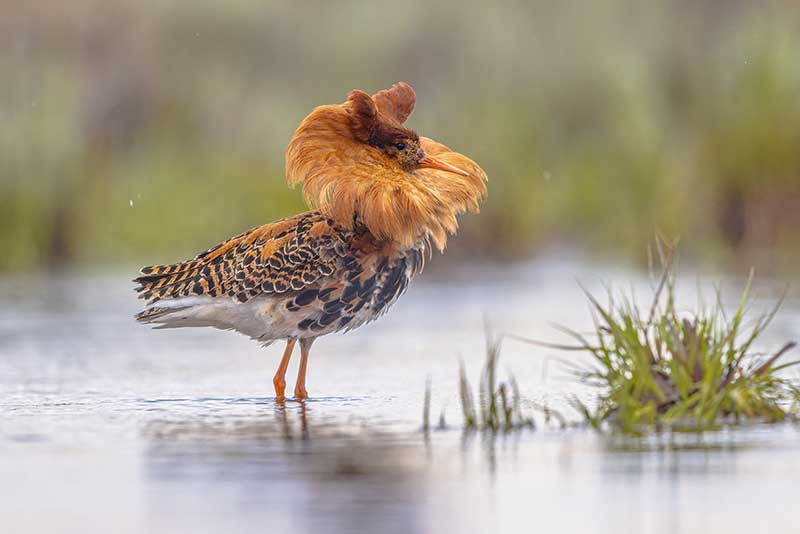
Feather ruffs or collars are flared or decorative feathers that encircle the neck of certain bird species. These feathers are often striking in appearance and can be puffed out for dramatic effect.
Examples include the greater sage-grouse and the king of Saxony bird-of-paradise. These ruffs or collars are primarily used in elaborate courtship rituals, where males puff them out to impress potential mates and showcase their fitness.