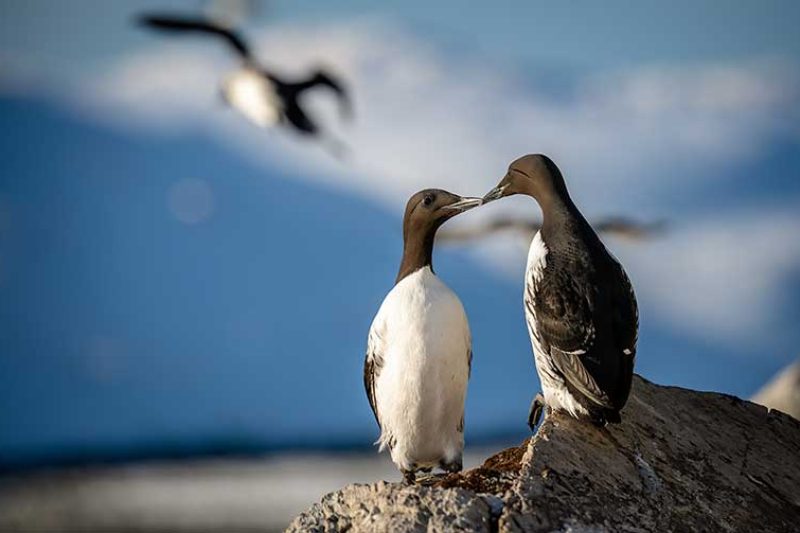
Aberdeenshire, situated in the northeast of Scotland, is a treasure trove for bird watchers. With its diverse landscapes, from windswept coastlines to pastoral farmland and ancient forests, the region offers a fantastic variety of habitats for birds, making it a prime location for enthusiasts of all levels.
Managed by RSPB Scotland, the Loch of Strathbeg is the UK’s largest dune loch and a designated Special Protection Area due to its importance for birdlife. Surrounded by wetlands and grasslands, the reserve comes alive in winter with the arrival of thousands of geese, swans, and ducks. Among them are a fifth of the world’s pink-footed geese population, alongside whooper swans, barnacle geese, teals, and goldeneyes.
In spring and summer, the reserve transforms into a breeding ground for gulls, terns, and wading birds, including redshanks and lapwings. Visitors can enjoy panoramic views from the visitor centre, as well as explore the hides, wildlife garden, and nature trails that offer a closer look at this beautiful haven for birds.
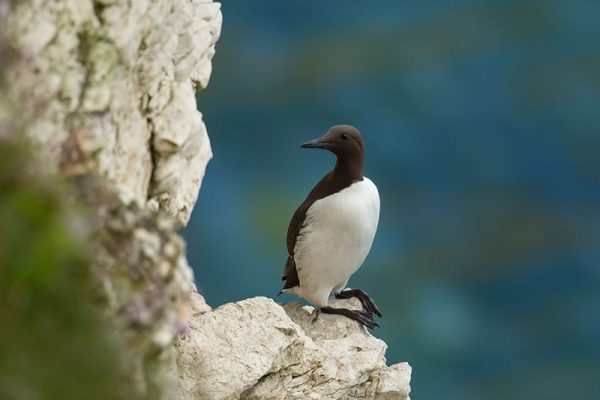
Also managed by RSPB Scotland, the towering cliffs at Fowlsheugh, near Stonehaven, are the breeding grounds for thousands of seabirds during the nesting season. Here, you can spot puffins, guillemots, razorbills, and kittiwakes in their natural habitat. The cliffs also provide an excellent vantage point to spot fulmars and gannets soaring over the North Sea, as well as grey seals and dolphins in the water below.
The best time to visit is between May and August, when the seabird colonies are at their busiest. However, the cliff-top path is a fantastic walking route that can be enjoyed all year round.
Further north, the Forvie National Nature Reserve offer a haven for wading birds and waterfowl. The reserve covers almost 1,000 hectares of sand dunes and dune heath between the North Sea and the estuary of the River Ythan.
The estuary is well-known for its population of eiders and four species of breeding tern, and in winter, the area is visited by thousands of migratory birds including oystercatchers, golden plovers, curlews, and wigeons. Grey seals also come ashore to pup during November and December.
At the northern end of the reserve, cliffs provide nesting grounds for seabirds such as kittiwakes, razorbills, and shags. During the summer, you might be lucky enough to spot ospreys fishing in the waters below or see short-eared owls, kestrels, and buzzards hunting in the skies above.
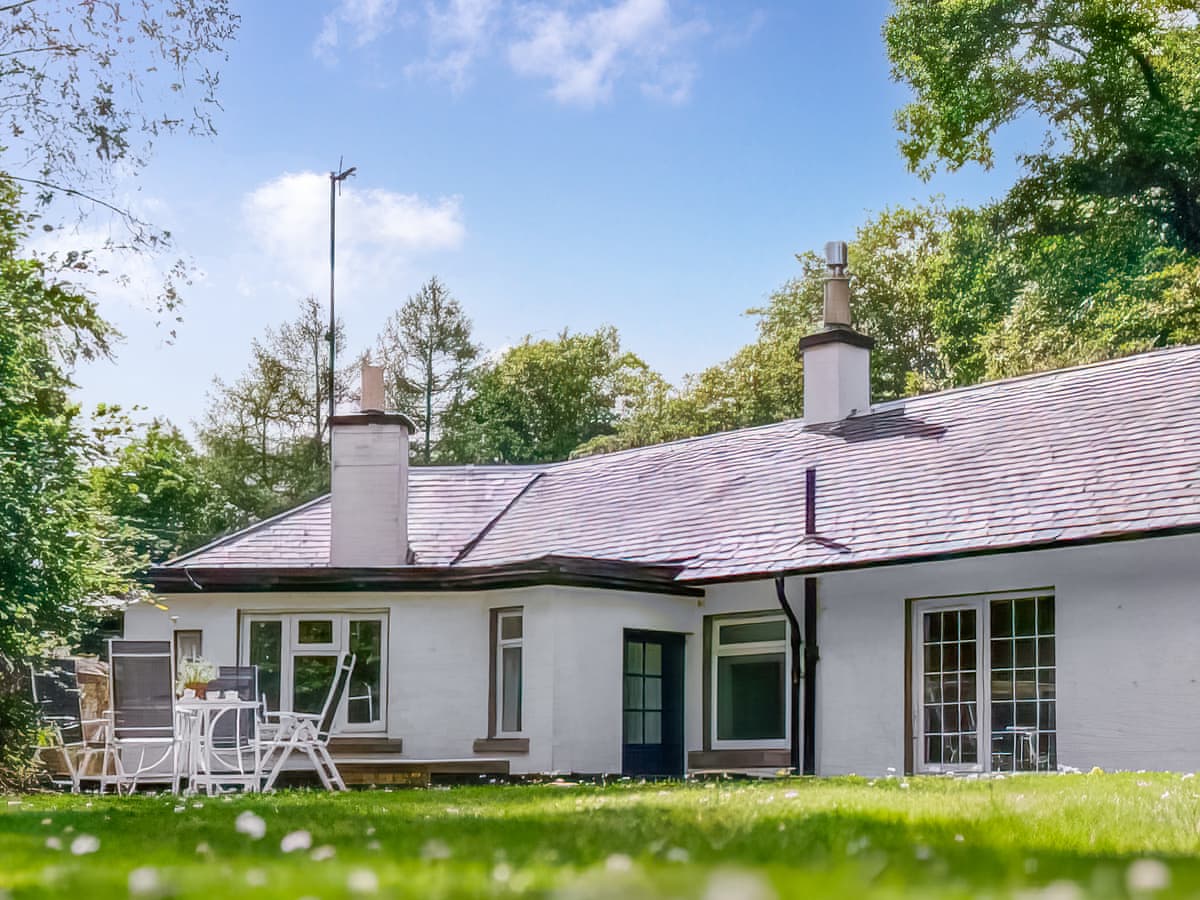
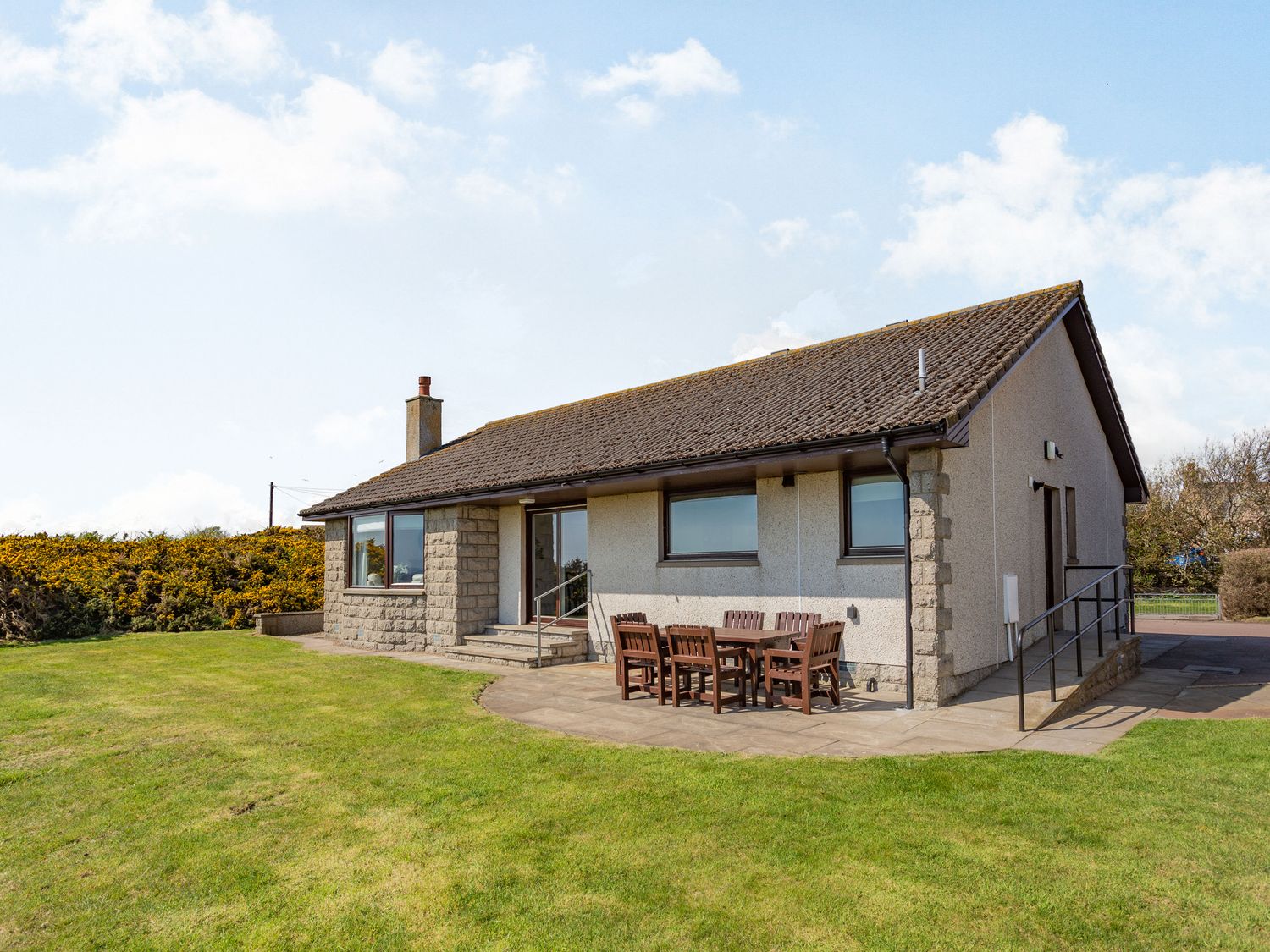
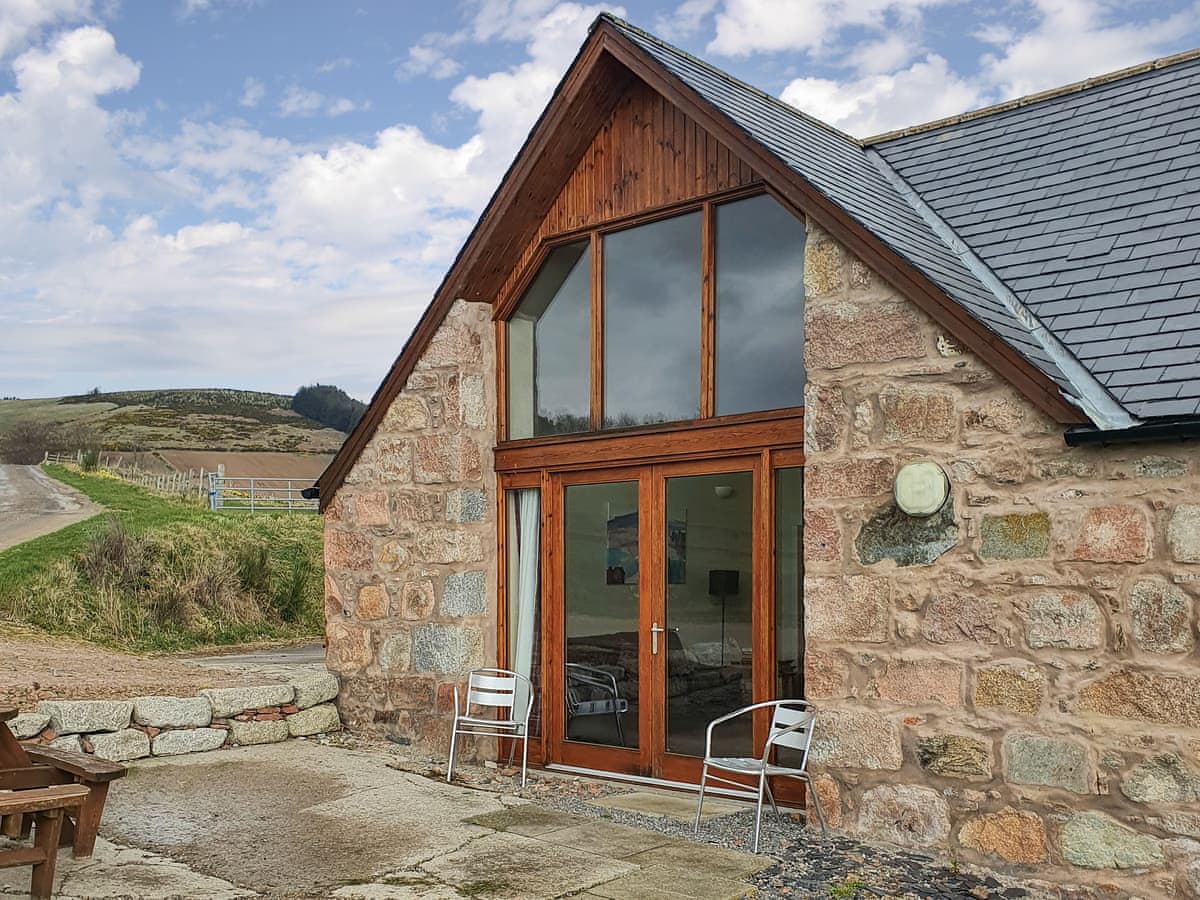
Check out these places to stay nearby
For another chance to spot seabirds, head further north to Longhaven Cliffs near Peterhead. Managed by the Scottish Wildlife Trust, these striking red cliffs provide breathtaking views of colonies of kittiwakes, puffins, shags, guillemots, and razorbills.
In summer, the scrubby grassland on top of the cliffs bursts into life with a vibrant display of wildflowers. It’s also a haven for birds such as sedge warblers, skylarks, yellowhammers, whitethroats, and stonechats. As dusk falls, keep an eye out for barn owls and short-eared owls gliding silently through the twilight.
Aberdeen is renowned for its parks, gardens, and citywide floral displays, which include an impressive two million roses, eleven million daffodils, and three million crocuses. These green spaces not only provide a refreshing oasis in the heart of the city but also serve as excellent birdwatching locations.
Duthie Park, situated on the north bank of the River Dee, has extensive gardens, a rose hill, a boating pond, a bandstand, a play area, and a café. It is also home to Europe’s second-largest enclosed gardens. In winter, the park becomes a hotspot for waxwing irruptions, while the riverside woodland attracts thrushes, finches, and tits.
Hazlehead Park, once part of a country estate, combines formal gardens with Scotland’s oldest maze, planted in 1935. Surrounding the park is dense woodland with numerous nature trails, making it a haven for woodland birds such as greenfinches, goldfinches, siskins, robins, treecreepers, and goldcrests. Visitors can also spot flocks of crows, jackdaws, and rooks, as well as winter visitors like redwings and fieldfares.
Perched on dramatic high cliffs, Troup Head nature reserve, managed by the RSPB, is home to mainland Scotland’s largest gannet colony. These spectacular seabirds begin arriving in late January and stay until late August or early October.
Throughout the breeding season, visitors can witness them flying back and forth with nesting materials, plunging into the sea in search of fish, and tending to their young on the precarious cliff ledges.
The cliffs also host tens of thousands of other breeding seabirds, including kittiwakes, guillemots, razorbills, fulmars, herring gulls, and puffins, while in summer, the clifftop grasslands burst into colour, carpeted with pink thrift and white campion.
Just offshore, shags, eiders, and skuas can be seen on the waters, while marine life such as common and grey seals, harbour porpoises, minke whales, and bottlenose dolphins are often spotted from the headland.
Troup Head is a wild, unfenced clifftop reserve, with paths that are narrow and uneven in places. Please take extra care when walking, particularly if visiting with small children or dogs.
Partially lying within Aberdeenshire, the Cairngorms is one of the best places to see some of Scotland’s most iconic birds. Capercaillies, crossbills, and crested tits can be spotted in the ancient pine forests, while golden eagles and peregrine falcons patrol the skies above the rugged mountain ranges. You may even encounter a ptarmigan or snow bunting in the higher altitudes during the winter.
The expansive farmland and moorland of the Cairngorms also support species such as lapwings, curlews, and skylarks, with short-eared owls and hen harriers often seen gliding over the heather-clad hills.
Located at the southern edge of Aberdeenshire, St Cyrus National Nature Reserve boasts a diverse mix of habitats, including volcanic cliffs, golden sandy beaches, flowering grasslands, and rolling dunes.
The reserve is a haven for wildlife, with over 70 bird species recorded. Along the shoreline, keep an eye out for waders such as redshanks, oystercatchers, and curlews, and birds of prey including buzzards, kestrels, and peregrine falcons can often be seen soaring over the cliffs. On the ground, whitethroats and yellowhammers nest among the grasses, while the estuary provides a winter refuge for ducks, geese, and swans.
A visitor centre, run by NatureScot and housed in a former lifeboat station, offers information about the reserve and the wildlife you might encounter. For those touring the area, self-contained motorhomes and campervans with onboard toilet facilities are welcome to stay overnight in the main car park.
The Bullers of Buchan is a collapsed sea cave that has formed a near-perfect circular chasm, almost 100 feet deep. It’s one of the best places in Aberdeenshire to see puffins, which return each spring to nest in colonies along the cliffs.
These charismatic birds dig their burrows into the steep, grassy slopes, particularly around the narrow promontory known as Camel’s Back. The best times to spot them are early morning or early evening, when they emerge to perch at the entrances of their burrows. With a bit of luck, visitors might even catch a glimpse of them returning from the sea with a beak full of sand eels to feed their chicks.
The cliffs are alive with other nesting seabirds, including kittiwakes, shags, razorbills, and guillemots, while gannets are frequently seen soaring past on their way to the large colony at Troup Head. Down at the shoreline, oystercatchers and purple sandpipers forage among the rocks, and grey seals often appear bobbing in the surf. If you’re fortunate, you may even spot dolphins passing by just offshore.
Clashindarroch Forest is the largest forest in Aberdeenshire and is managed by Forestry and Land Scotland. It provides a vital refuge for a variety of wildlife, including a small, population of Scottish wildcats, a critically endangered species teetering on the edge of extinction. The forest is also home to badgers, bats, otters, pine martens, and red squirrels.
Spring is a particularly special time to visit. Arriving early in the morning gives you the best chance to witness the dramatic lekking displays of black grouse, as males spar, chase one another, and produce their distinctive bubbling calls in a bid to attract a mate.
Bird enthusiasts should also watch for crossbills, siskins, and redpolls feeding among the pine cones. Overhead, you may spot impressive raptors such as goshawks, honey buzzards, and the rare hen harrier gliding silently above the treetops.
For adventure seekers, Clashindarroch offers year-round activities. In winter, the forest’s trails become a hub for cross-country skiing, while in summer, visitors can try roller skiing on an 800-metre purpose-built tarmac track, for a snow-free alternative.