Hampshire is a paradise for birdwatchers, with its diverse landscapes ranging from coastal marshes and estuaries to ancient woodlands and chalk downlands. Whether you’re a seasoned birder or a beginner, the county offers fantastic opportunities to spot resident and migratory species throughout the year. Here are ten of the best birdwatching locations in Hampshire.
Titchfield Haven National Nature Reserve is a rich wetland habitat in the Lower Meon Valley. It comprises a diverse mix of rivers, marshland, reedbeds, scrapes, grassland, and woodland, making it a haven for wildlife and a fantastic spot for bird watching all year round.
In spring, avocets, black-headed gulls, common terns, and lapwings nest at the reserve, while the iconic call of the cuckoo echoes through the landscape as it returns from its African wintering grounds. The reedbeds are home to bearded tits, and marsh harriers are frequently seen gliding overhead in search of prey.
Winter brings large flocks of ducks, including shovelers, teals, and wigeons, and when temperatures drop, redwings and fieldfares arrive to forage in the meadows.
There are seven accessible hides throughout the reserve, offering excellent opportunities to observe wildlife up close. A network of paths and boardwalks allows visitors to explore the area comfortably.
For families, there are plenty of engaging attractions to discover, including hidden fairy doors, brass rubbing plaques, and minibeast trapdoors, making it an ideal destination for a fun and educational day out.
Farlington Marshes, managed by the Hampshire & Isle of Wight Wildlife Trust, is a coastal nature reserve located just outside Portsmouth. Part of the internationally important Langstone Harbour, designated a Site of Special Scientific Interest, the reserve offers excellent bird watching opportunities throughout the year.
In winter, the marshes come alive with thousands of birds, including wigeons, teals, Brent geese, redshanks, and dunlins. Short-eared owls are also a highlight, often seen hunting over the surrounding fields.
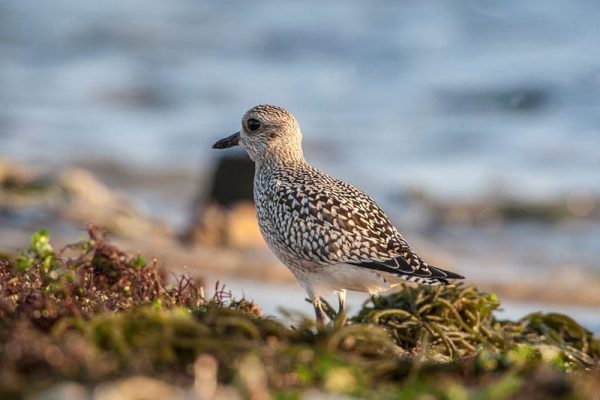
Spring brings a wave of migrating birds, such as redstarts, spotted flycatchers, wheatears, and the occasional wryneck. As summer arrives, the calls of Cetti’s warblers can be heard in the grassland, and breeding birds such as lapwings, linnets, meadow pipits, and skylarks can be spotted across the marshy areas. Look out too for little terns and common terns, before autumn migration begins, and the arrival of curlews, sandpipers, grey plovers, and little stints.
A footpath along the sea wall offers stunning views and makes the reserve an ideal spot for walkers and bird watchers alike.
Blashford Lakes Nature Reserve, also managed by the Hampshire & Isle of Wight Wildlife Trust, is located near Ringwood on the edge of the New Forest. Formed from former gravel pits that have since flooded, the reserve now provides important habitat for thousands of birds throughout the year.
Spring is an ideal time to spot woodland birds such as blackcaps, siskins, nuthatches, and marsh tits. Whitethroats can be found in the scrubby areas, while bitterns may be glimpsed in the reedbeds. Along the lake edges, look out for kingfishers and grey wagtails, and watch swallows swooping low over the water.
In autumn, visitors may be treated to the spectacle of starling murmurations at dusk as the birds gather to roost. Winter brings an influx of waterfowl, including goosanders, tufted ducks, pochards, and the occasional Bewick’s swan.
The reserve is well-equipped for visitors, with six bird hides, several viewing screens, accessible paths, and numerous benches, perfect for enjoying a picnic while watching the wildlife.
Check out these places to stay nearby
Part of the New Forest coastline, this expansive wetland reserve comprises a rich mosaic of habitats, including mudflats, saltmarshes, shingle banks, and saline lagoons. These varied environments support important populations of birds, plants, and invertebrates.
Species such as little egrets, spoonbills, redshanks, and oystercatchers can often be seen feeding in the marshes. Spring brings numerous migrating birds, including wheatears, swallows, and common terns. Dartford warblers have also been recorded breeding in the scrubland on higher ground.
In winter, the reserve welcomes large flocks of grey plovers, dunlins, black-tailed godwits, curlews, and Brent geese.
Although there is no direct access onto the marshes, excellent views can be enjoyed from the seawall that runs round the reserve.
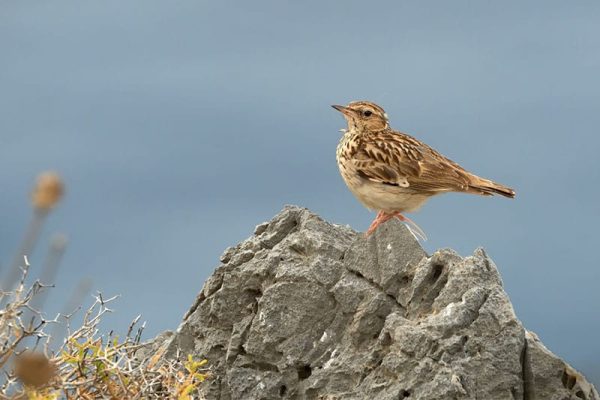
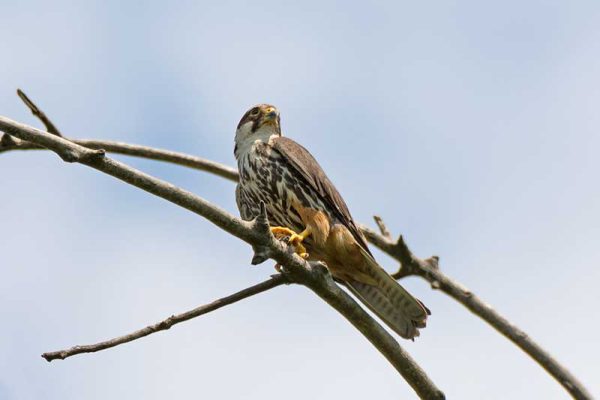
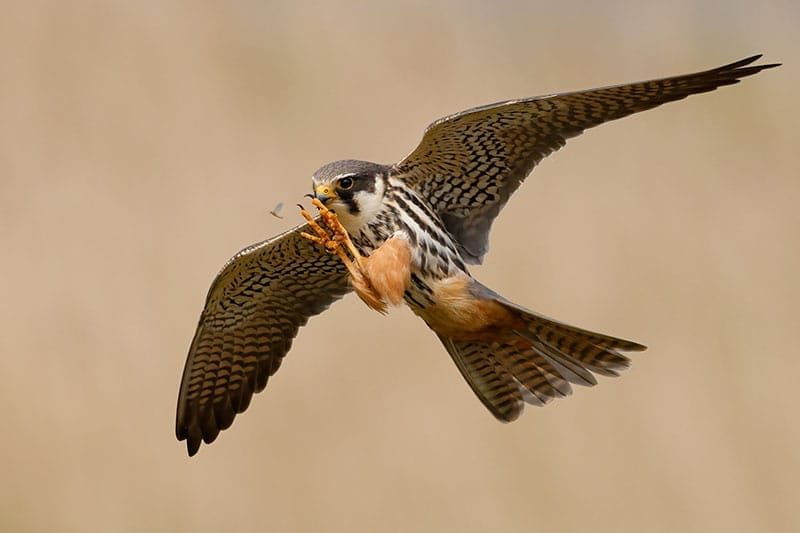
This woodland and heathland area in north Hampshire is ideal for spotting nightjars, woodlarks, and crossbills. In the summer months, hobbies can be seen hunting dragonflies over the heath.
Located along the Solent, Lepe Country Park is a great spot to observe seabirds such as gannets, terns, and gulls. The nearby mudflats also attract wading birds, including curlews and oystercatchers.
For those interested in birds of prey, the Hawk Conservancy Trust near Andover offers an incredible opportunity to see eagles, owls, falcons, and vultures up close. The centre also participates in conservation efforts for native raptors.
The ancient woodlands, heathlands, and wetlands of the New Forest provide a habitat for a variety of birds, including goshawks, Dartford warblers, and woodlarks. Kingfishers can often be seen along the forest’s streams and ponds.
Part of the South Downs National Park, this chalk downland reserve is home to skylarks, wheatears, and stonechats. Birds of prey, including red kites and kestrels, can often be seen soaring over the hills.
This busy harbour may not seem like an obvious birdwatching spot, but it attracts a surprising variety of seabirds and waders. Turnstones, grey plovers, and red-breasted mergansers are commonly seen, particularly in winter.