Yorkshire, with its diverse landscapes of rolling hills, dramatic coastline, and expansive moorlands, is a paradise for bird watchers. Whether you’re a seasoned ornithologist or a casual enthusiast, the region offers a variety of habitats that attract a rich array of bird species throughout the year. From the rugged cliffs of the east coast to the peaceful wetlands of the Humber, Yorkshire is home to some of the UK’s most treasured birdwatching sites.
Top Birdwatching Spots in Yorkshire
Bempton Cliffs
One of the most famous birdwatching locations in Yorkshire, Bempton Cliffs RSPB Reserve is a must-visit for any bird lover. Towering chalk cliffs provide a dramatic backdrop to one of the UK’s largest seabird colonies. Between March and October, visitors can witness puffins, gannets, kittiwakes, and guillemots nesting along the rugged coastline. The sight of thousands of gannets diving into the North Sea is truly breathtaking.
Spurn Point
Located on the East Yorkshire coast, Spurn Point is a dynamic landscape of shifting sand and saltmarshes. This nature reserve is a hotspot for migratory birds, making it particularly exciting in spring and autumn. Visitors can expect to see waders such as redshanks and curlews, along with rare visitors blown off course by strong easterly winds. Birdwatchers also have a chance to spot owls and raptors hunting along the dunes.
Fairburn Ings
Fairburn Ings, an RSPB reserve near Leeds, is a wetland sanctuary teeming with life. Throughout the year, it attracts a wide variety of species, including kingfishers, great crested grebes, and bitterns. In winter, large flocks of wildfowl, such as whooper swans and goldeneye, take refuge in the reserve. The network of accessible footpaths and bird hides makes it an excellent location for all ages.
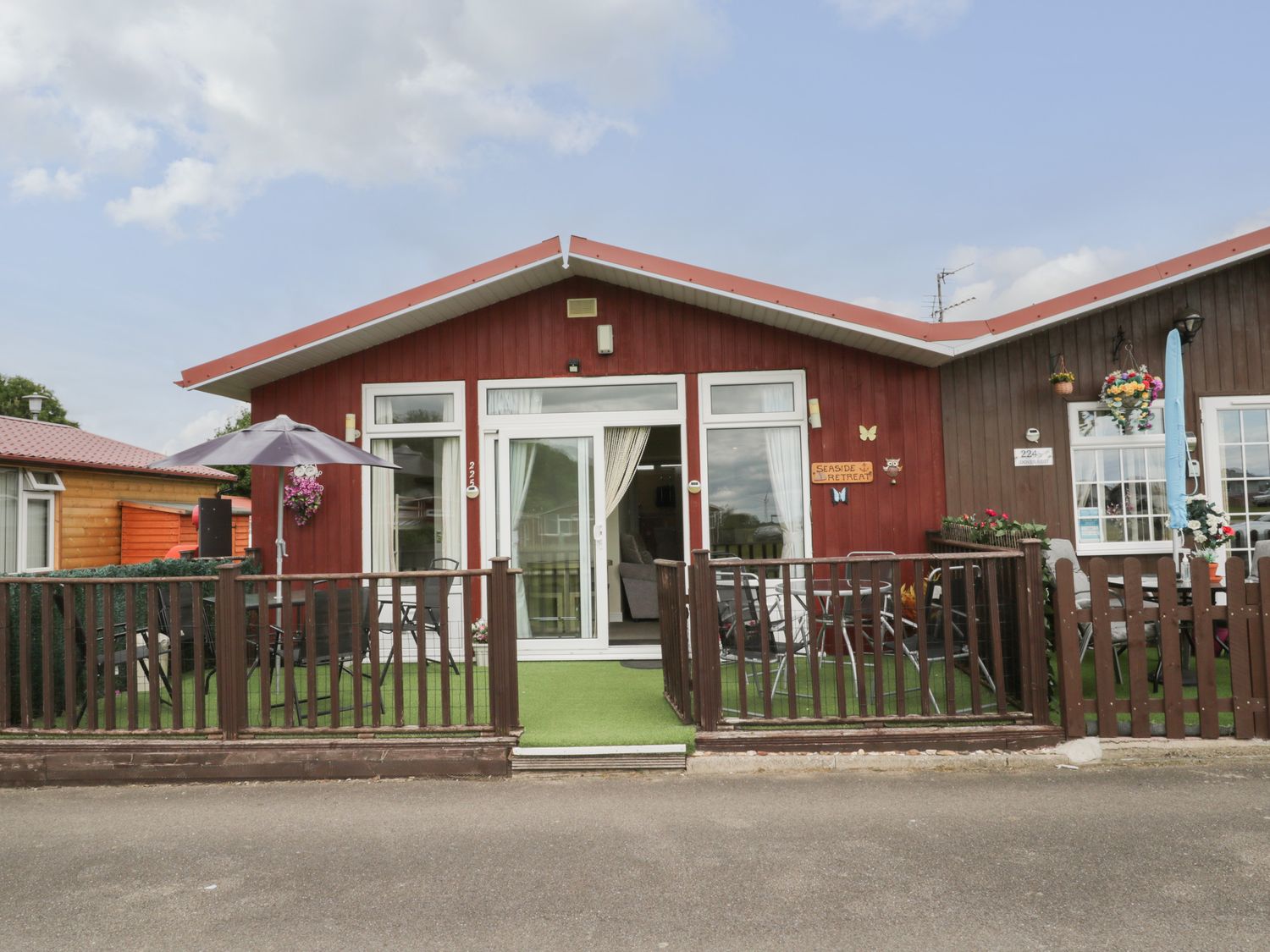
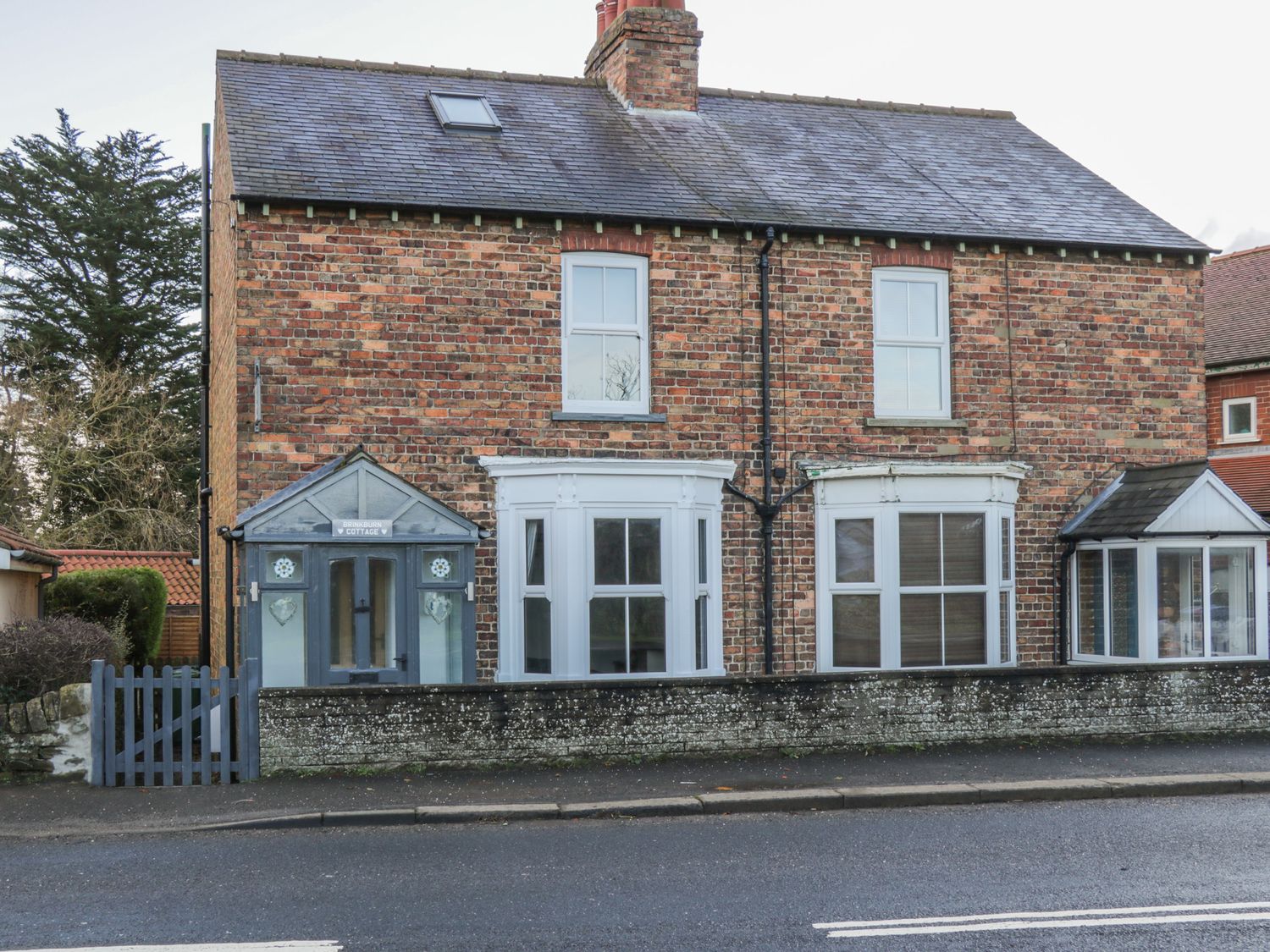
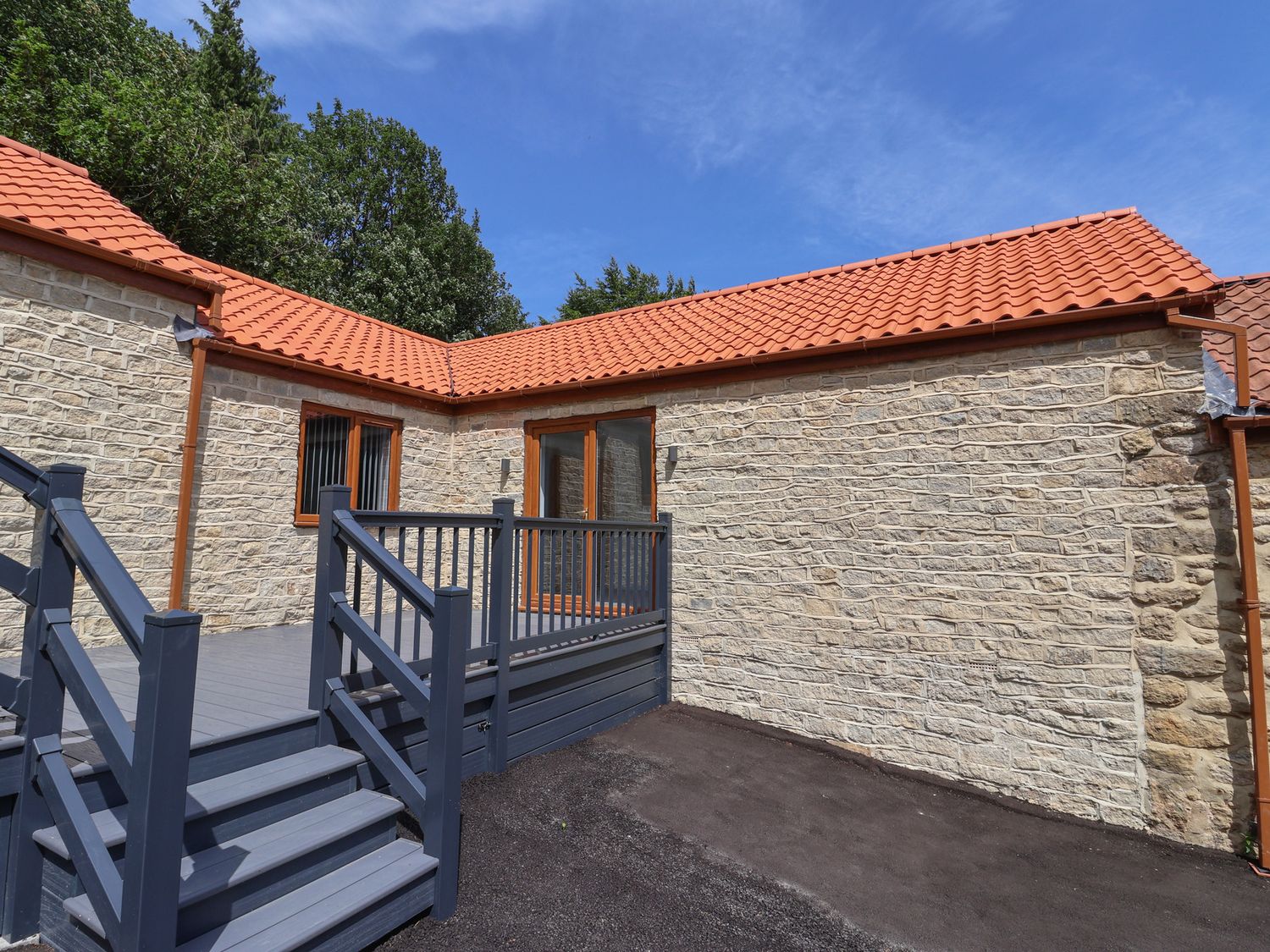
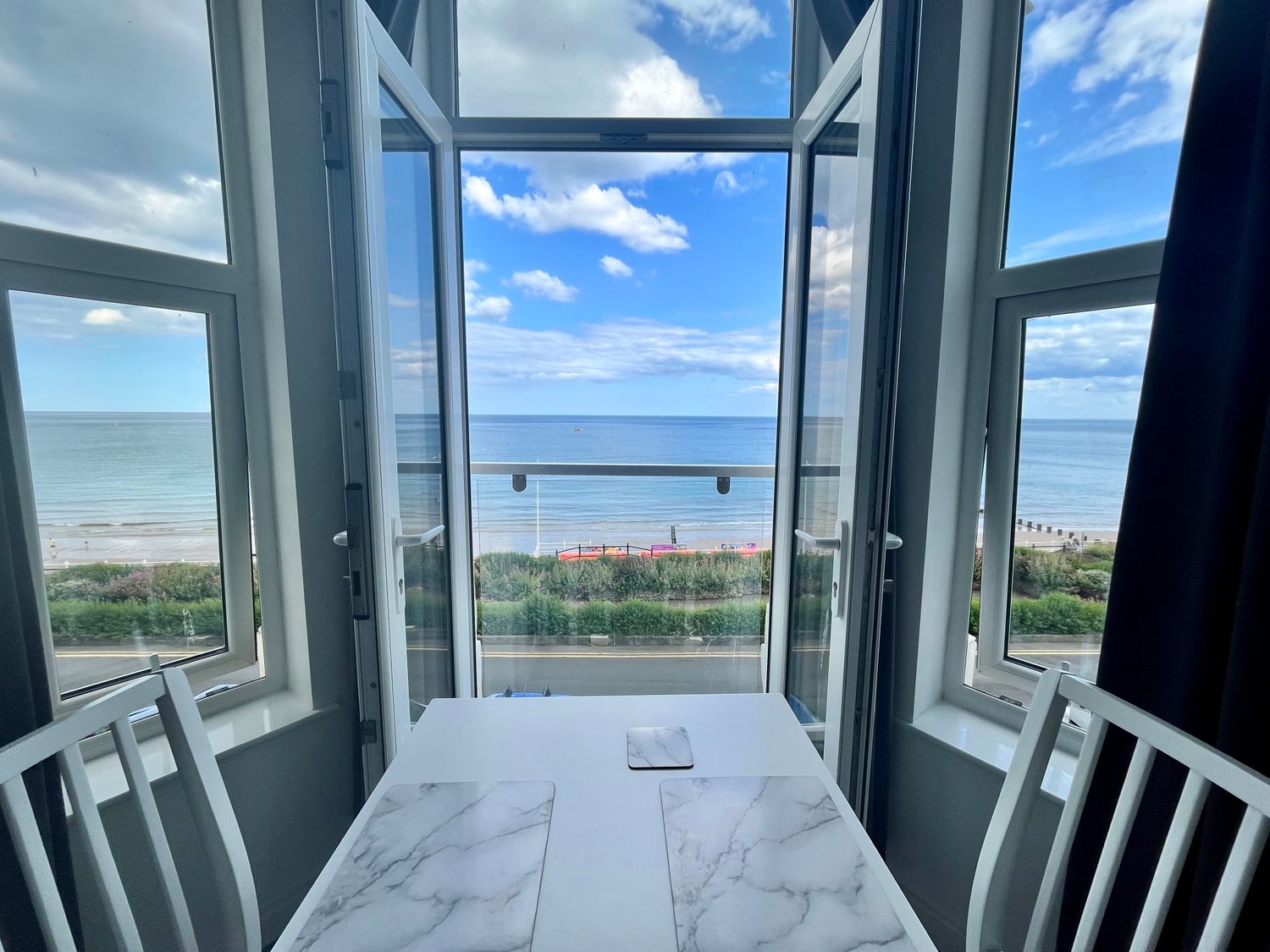
Check out these places to stay nearby
Blacktoft Sands
Situated along the Humber Estuary, Blacktoft Sands RSPB Reserve is renowned for its wading birds and reedbed specialists. Marsh harriers can often be seen gliding over the reeds, while bearded tits and bitterns skulk among the vegetation. In late summer, the reserve comes alive with thousands of migrating waders, including avocets, black-tailed godwits, and greenshanks.
Yorkshire Dales and Moors
For those seeking birds of prey and upland species, the Yorkshire Dales and North York Moors offer incredible birdwatching opportunities. The moorlands are home to merlins, short-eared owls, and golden plovers. Red kites are often seen soaring over the Nidderdale countryside, while peregrine falcons nest in the dramatic limestone cliffs of Malham Cove.
St Aidan’s Nature Reserve
Located near Leeds, St Aidan’s is a vast wetland reserve managed by the RSPB. Formerly an open-cast coal mine, it has been transformed into a thriving ecosystem. Visitors can spot marsh harriers, bitterns, avocets, and black-necked grebes. The site is also a great location to hear the eerie booming call of the bittern during the breeding season.
Potteric Carr
Just outside Doncaster, Potteric Carr is a large nature reserve featuring a mix of wetlands, reedbeds, and woodland. It is home to an array of species, including bitterns, water rails, and great white egrets. The reserve’s extensive network of trails and hides makes it an excellent choice for birdwatchers looking for a peaceful escape.
Filey Brigg
A rocky peninsula jutting into the North Sea, Filey Brigg is a fantastic spot for seabird watching, especially during migration periods. Razorbills, guillemots, and fulmars are common sights, while in autumn, rare migrants such as yellow-browed warblers and red-breasted flycatchers may make an appearance.
Hornsea Mere
Yorkshire’s largest freshwater lake, Hornsea Mere, is an important habitat for waterfowl and waders. It attracts species such as pochards, goldeneye, and little gulls, particularly in the winter months. The site also provides excellent opportunities for seeing marsh harriers hunting over the reeds.
Tophill Low Nature Reserve
Nestled between Driffield and Beverley, Tophill Low is a Yorkshire Water-managed reserve that boasts a variety of habitats, including lagoons, marshland, and woodland. Regular sightings include barn owls, little egrets, and otters, adding to the site’s appeal for wildlife lovers.