Located in the English Channel, about three miles off the Hampshire coast, the Isle of Wight has been a popular holiday destination since Victorian times.
Predominantly rural, its coastline is characterised by a chalk downland ridge, which includes the famous Needles stacks. In 2019, the entire island was designated a UNESCO Biosphere Reserve in recognition of the sustainable relationship between its residents and the local environment.
The Isle of Wight’s position off England’s south coast makes it an important stopover for migrating birds, while its diverse habitats, including saltwater estuaries, freshwater marshes, coastal headlands, cliffs, and sea ledges, support a rich variety of resident and breeding species.
Managed by the National Trust, Newtown National Nature Reserve is one of the Isle of Wight’s premier birdwatching sites. It has a diverse range of habitats, including saltmarsh, mudflats, wildflower meadows, and woodland, attracting an abundance of birds and wildlife throughout the year.
The estuary and its tidal inlets provide a vital wintering ground for wildfowl and waders such as golden plovers, knots, little stints, and bar-tailed godwits. A variety of ducks and geese, including wigeons, teals, pintails, red-breasted mergansers, pink-footed geese, and brent geese, can also be spotted, with occasional sightings of spoonbills.
Autumn is an excellent time to observe birds of prey, including ospreys, peregrine falcons, merlins, and marsh harriers hunting overhead.
In spring, the woodland comes alive with birdsong. Nightingales, redstarts, and spotted flycatchers can be seen among the trees, while the colourful wildlife meadows play host to wheatears, yellow wagtails, and skylarks.
The reserve has two bird hides, one equipped with a solar-powered telescope, and volunteers are on hand to help visitors identify different species.
Bembridge and Brading Marshes RSPB Reserve, situated between Bembridge and St Helens, is the Isle of Wight’s only RSPB reserve. The mix of freshwater lagoons, reedbeds, and grazing marshes attracts an array of bird species. Winter visitors include lapwings, redshanks, and pintails, while spring and summer bring reed buntings, bearded tits, and Cetti’s warblers. Birds of prey such as marsh harriers, barn owls, and kestrels can often be seen hunting over the reserve, and there is always the chance of spotting a rare migrant in autumn.
Check out these places to stay nearby
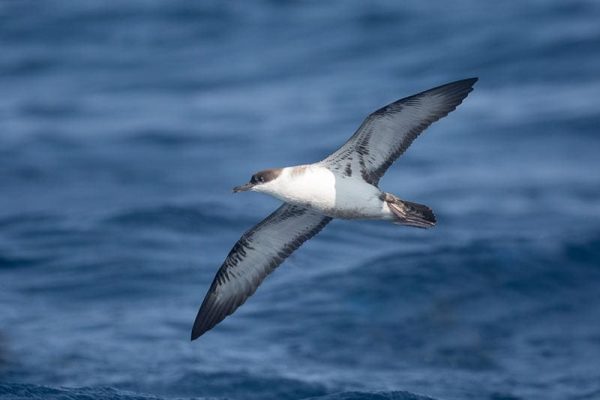
The dramatic chalk cliffs of The Needles and Tennyson Down provide some of the best coastal birdwatching on the Isle of Wight. Peregrine falcons and ravens nest on the cliffs, while fulmars, kittiwakes, and rock pipits can be seen along the coast. In late summer and autumn, the area is a prime site for migrating birds, including wheatears, whinchats, and ring ouzels, as well as offshore seabirds such as gannets, Manx shearwaters, and skuas.
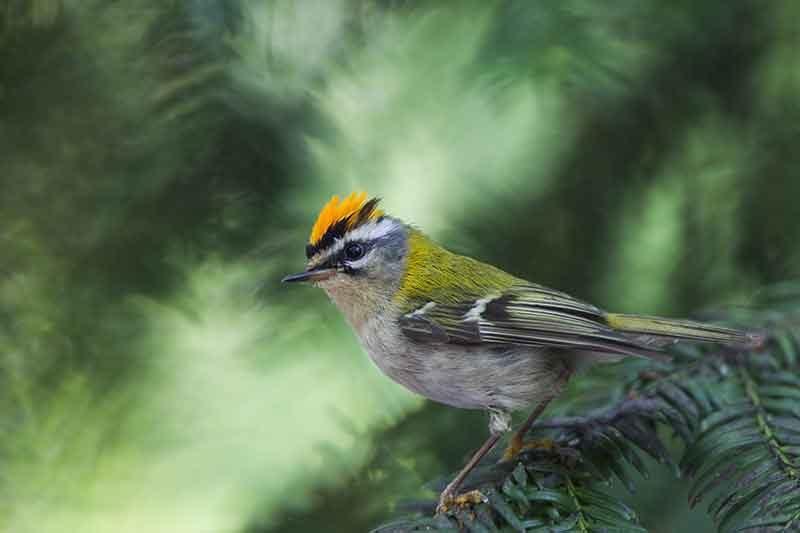
Ventnor Downs is a fantastic location to spot birds of prey. It is one of the best places on the island to see buzzards, kestrels, and sparrowhawks, and red kites are now becoming more frequent visitors. The area is also a migration hotspot in autumn, with spotted flycatchers, redstarts, and warblers passing through. The nearby Undercliff area, with its sheltered woodlands, is a good place to look for firecrests and yellow-browed warblers in autumn.
The Western Yar Estuary, stretching from Yarmouth towards Freshwater, is an important site for wading birds and wildfowl. In winter, the mudflats host black-tailed godwits, curlews, turnstones, and grey plovers, while in summer, you can see little egrets and common sandpipers. Kingfishers are often spotted along the riverbanks, and ospreys sometimes pass through in spring and autumn. The footpath along the estuary provides excellent birdwatching opportunities.
This quiet reserve near Sandown is one of the best places to see kingfishers, great spotted woodpeckers, and marsh tits. The woodland and reedbed habitat also supports siskins, redpolls, and treecreepers, while the small river running through the reserve is a good place to spot water rails. Bird feeders near the hide attract a variety of woodland species, making it an excellent spot for close-up views.
For those interested in heathland and downland species, Brighstone and Mottistone Downs provide excellent opportunities to see stonechats, linnets, and meadow pipits. Skylarks can be heard singing overhead in spring and summer, while winter can bring large flocks of fieldfares and redwings. The area is also a good place to see hunting birds of prey, including merlins and hen harriers in winter.