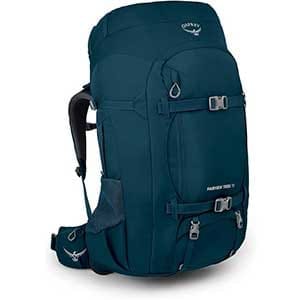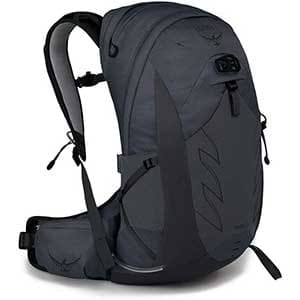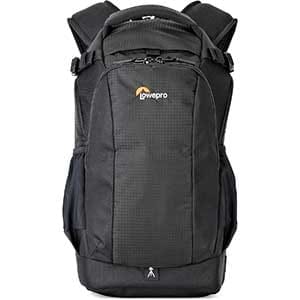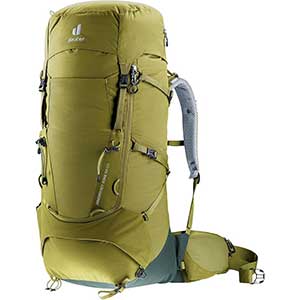
Selecting the right backpack is an important step in ensuring you’re well-prepared and comfortable during your bird-watching adventures.
The first consideration when choosing a backpack is its size. Backpacks range in capacity from under 15 litres to over 100 litres, but it’s not always easy to judge size based on capacity alone since this measurement includes all pockets. Instead, check the backpack’s dimensions to gauge its actual size.
Choose a backpack that’s large enough to carry all your bird-watching gear while still being secure and easy to close. Avoid oversized backpacks with excessive empty space, as they can be cumbersome to carry. If you only need to bring the basics, consider a daypack, a smaller, lightweight option ideal for carrying food, water, and other essentials.
For larger loads, you might look into rucksacks, which are often used interchangeably with backpacks but typically refer to larger-capacity models.
Comfort is essential when carrying a backpack for extended periods. Look for adjustable straps that allow you to achieve the perfect fit. Most backpacks come with padded shoulder straps, and larger ones often include chest straps and hip belts to evenly distribute the weight.
If the backpack sits too low on your back even when the straps are tightened, it’s likely too big for you. Thick, padded straps are ideal, as they prevent digging into your shoulders.
There are also backpacks designed specifically for women, with contouring to better suit the female body. These typically have hip straps that sit higher and shoulder straps that aren’t parallel. However, sex-specific designs aren’t always necessary – just choose one that feels comfortable.
For very large backpacks, consider models with an internal frame made of lightweight materials like aluminium. These frames help distribute weight across your hips and reduce the strain on your back, preventing you from leaning forward while walking.
Bird watching often takes you through rugged environments, so durability is a key consideration. Look for backpacks made from tough, abrasion-resistant materials like ripstop nylon or high-denier polyester. These fabrics can withstand scratches, cuts, and the general wear and tear from outdoor activities, ensuring your gear stays protected.
Look for backpacks that have reinforced bottom panels for added durability, which is especially useful when placing your pack on rough or rocky ground.
Bird watching often takes place in unpredictable weather, so a waterproof backpack is a must. If you frequently venture out in very wet conditions, opt for a backpack with an included rain cover to keep your gear dry.
Ventilated air mesh back panels are also a great feature, as they allow airflow between your back and the backpack, reducing sweat build-up on long hikes.
For longer outings, staying hydrated is essential. Look for backpacks that accommodate a hydration system, such as a water reservoir or bladder. These can be incredibly useful for hands-free drinking while you’re focused on spotting birds, without having to stop and fumble around for a water bottle. Many backpacks have a designated compartment for a hydration bladder and a hose opening near the shoulder strap for easy access.
A backpack with multiple pockets is invaluable for keeping your equipment organised. Exterior pockets and clips are particularly handy for items you’ll need often, such as a camera, water bottle, or binoculars.
If you’re heading out at dusk or in low light, look for a backpack with reflective panels to ensure you remain visible. However, keep in mind that bright reflections or lights may startle birds.
Some backpacks include dedicated compartments for items like binoculars, cameras, and spotting scopes, making it easier to keep everything in place and quickly access them when needed. A designated tripod holder or loops for attaching gear can also be a useful feature for avid bird watchers.
For maximum versatility, some top-loading backpacks come with an extendable lid pocket, allowing you to temporarily increase their capacity. If you use this feature, make sure the backpack has compression side straps to prevent overbalancing by securing the contents tightly.
Many bird watchers are also conscious of the environment they’re exploring. Opting for a backpack made from sustainable materials or choosing brands with eco-friendly practices can align your gear choices with your values. Some companies use recycled fabrics or implement fair-trade practices, which can add peace of mind while you enjoy the outdoors.
The type of trip you’re planning will determine whether you need a compact daypack or a larger, multi-day backpack.
Daypacks (under 25 litres) are perfect for short, local trips where you’ll be out for just a few hours. They are lightweight, easy to carry, and provide ample room for essentials like snacks, a water bottle, a camera, and a notebook for field observations.
Multi-day backpacks (over 25 litres) are ideal for extended bird-watching trips or hikes. These packs offer more space for additional gear such as a first aid kit, extra clothing layers, and a larger food supply. They typically feature a more robust suspension system, with padded hip belts and frames for greater weight distribution and comfort.
The right backpack will make your bird-watching trips more enjoyable and hassle-free. Whether you’re after a compact daypack or a larger rucksack for extended trips, focus on size, comfort, durability, and features that suit your needs. A well-chosen backpack ensures your gear stays safe, dry, and accessible while you immerse yourself in the wonders of bird watching.
This page contains affiliate links. For more information please see our disclosure here.