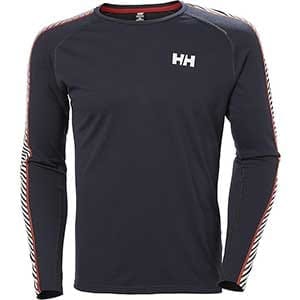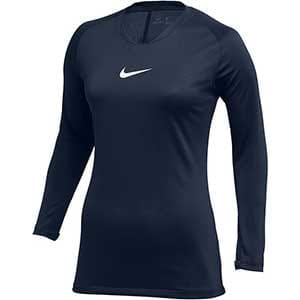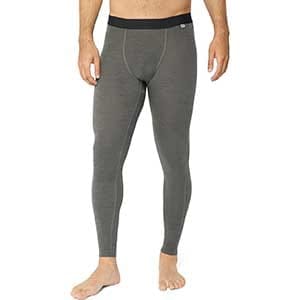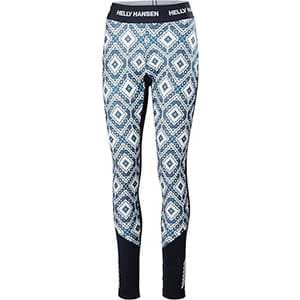
When choosing clothes for birdwatching, it’s easy to think of the obvious items like a waterproof jacket and sturdy hiking boots, but something that’s often overlooked is the importance of base layers. A good base layer is essential for maintaining the right body temperature and keeping you dry from perspiration, particularly during long hours outdoors.
A good base layer is essential for wicking moisture away from your skin, helping you stay warm and dry. Many novice birdwatchers mistakenly opt for cotton, assuming it’s breathable because it’s a natural material. While cotton can be comfortable on its own during hot weather, it’s a poor choice for layering. Cotton absorbs moisture, leaving you damp, cold, and uncomfortable under additional clothing. If you’ve ever felt clammy despite wearing a waterproof jacket, your cotton base layer may be to blame, not the jacket itself.
Base layers are designed to wick sweat away from your skin, allowing it to evaporate, which helps regulate your body temperature. They don’t stop you from sweating but ensure you stay dry and comfortable during long hours outdoors.
Base layers are just one part of the essential three-layer clothing system:
Base layer: Manages moisture by wicking sweat away from your skin.
Mid layer: Provides insulation to keep you warm. Fleece and down are common choices.
Outer layer: Protects against wind, rain, and snow, ensuring the elements stay out.
The base layer’s job is to regulate body temperature and keep you dry, but it won’t provide all the warmth you need—that’s the mid and outer layers’ role.
The process of drawing sweat away from your skin is called wicking. While base layers won’t stop you from sweating, fabrics with good wicking properties will move perspiration to the outer surface, where it can evaporate. This helps keep you warm and dry.
The best base layers are made from synthetic fabrics like polyester or natural materials such as merino wool or bamboo. These materials are effective at wicking moisture and insulating your body. Base layers should fit snugly to trap air next to your skin for optimal warmth, so purchase your usual size—they’re designed to be tight-fitting.
Polyester base layers are lightweight, quick-drying, and effective at keeping you warm in temperatures as low as -10°C, provided you have appropriate outer layers. Some polyester options include advanced fabrics like IsoTherm for heat retention or built-in SPF for sun protection. They’re machine washable and relatively affordable, but they may lack antibacterial properties and can stain more easily than other materials.
Merino wool is excellent at regulating body temperature, thanks to tiny air pockets that help dissipate excess heat. It’s suitable for a wide range of conditions, keeping you warm in temperatures as low as -20°C while still comfortable in milder weather. Unlike synthetic fabrics, merino wool retains its thermal properties even when wet, making it a reliable choice in damp conditions.
Merino wool is naturally antibacterial, which helps prevent odours, and it feels soft against the skin. However, it’s more expensive than polyester and can shrink if washed improperly so always check the care instructions.
Bamboo is a newer option for base layers but offers several advantages. It’s naturally antibacterial, soft, and quick-drying. Bamboo base layers are less likely to fray, fit well, and are often more affordable than merino wool. They combine comfort with performance, making them an excellent choice for many birdwatchers, and are a sustainable option, though the processing involved may diminish some of its eco-friendly appeal.
If you’re birdwatching for several days, odour management becomes important. While natural fibres like merino wool and bamboo resist odours, synthetic materials may require special detergents to keep them fresh.
When choosing your base layers for birdwatching, it’s important to think about how your clothing will impact both your comfort and your ability to observe birds.
The colour of your base layer is a key consideration. Neutral or earth-toned fabrics, such as olive green, brown, or dark grey, are ideal for birdwatching. These colours help you blend into the natural surroundings, which can be particularly important when trying to avoid disturbing the birds. Bright colours or patterns, on the other hand, can attract attention and make you more noticeable to the birds, potentially affecting your ability to observe them closely. By wearing colours that match the environment, you reduce the risk of startling or scaring off the wildlife you are there to enjoy.
Noise is another aspect to consider when choosing base layers. As you move through the environment, the rustling of your clothing can easily be heard, which may alert nearby birds and other animals to your presence. Merino wool is an excellent choice in this regard because it’s quieter than synthetic fabrics. The natural fibres of merino wool are soft and less likely to create the noise associated with nylon or polyester. This feature is especially beneficial when you’re in quiet, still areas where even the slightest movement can be detected by sensitive creatures.
The fit of your base layers is also crucial for comfort during long hours of birdwatching. Look for base layers that are designed to be snug and form-fitting. Not only do they improve the wicking properties by ensuring the fabric sits close to the skin, but they also eliminate any unnecessary bulk or material that can shift around as you move. It’s important to avoid clothing that is too loose, as it can bunch up, causing discomfort, especially when wearing a backpack or using a binocular harness. A well-fitting base layer ensures that the straps from your backpack or the weight of your binoculars won’t create pressure points or rub against your skin. Ideally, seamless designs should be preferred to prevent irritation from stitching or seams. Comfort and a proper fit are essential when you’ll be spending long hours in the field, sometimes trekking through rugged terrain or remaining still for extended periods while observing birds.
Proper care and maintenance of your base layers are essential to ensure they continue to perform at their best, providing you with the comfort, warmth, and moisture-wicking benefits you need during your birdwatching adventures.
After each use, it’s important to clean your base layers to remove dirt, sweat, and any oils that may have accumulated. However, always opt for mild detergents that are gentle on the fabric. Harsh detergents, especially those with strong fragrances or chemical additives, can break down the fibres over time, affecting their performance and reducing their ability to wick moisture efficiently. A mild, non-scented detergent will clean your clothing without compromising its wicking properties or interfering with any protective coatings the material may have.
One key point to remember when washing your base layers is to avoid fabric softeners. While they may make the fabric feel softer, fabric softeners coat the fibres, which can reduce their moisture-wicking ability. This can make your base layers less effective at drawing sweat away from your skin, leaving you feeling damp and uncomfortable. For maximum performance, skip the softeners and stick to the mild detergent.
When it comes to drying, air drying your base layers is the best option. Hang them up to dry naturally, away from direct heat sources like radiators or direct sunlight, which can damage the fabric over time. High heat can also affect the material’s elasticity and any coatings or treatments designed to improve performance. Air drying not only helps preserve the fabric’s integrity but also maintains its moisture-wicking abilities.
For natural fibres such as merino wool and bamboo, it’s especially important to be mindful of how you clean and care for them. These materials are more delicate than synthetic fabrics, and machine washing or drying can lead to shrinkage or damage. It’s recommended that you hand wash merino wool and bamboo base layers in cold water with a mild detergent to avoid this risk. By treating these natural fibres gently, you ensure they retain their shape, softness, and thermal properties.
This page contains affiliate links. For more information please see our disclosure here.