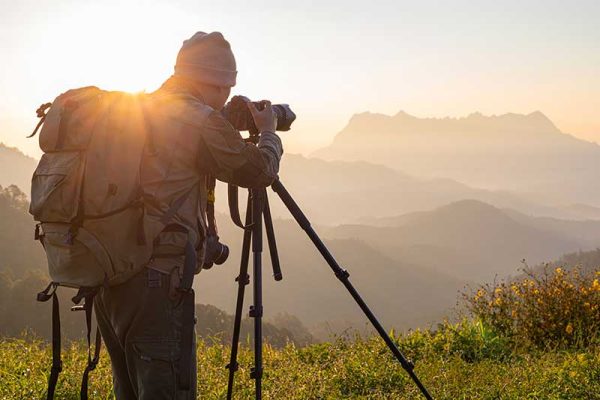
For many birdwatchers, all you need to get started are your eyes and a pair of binoculars. However, as you spend more time enjoying this hobby, you may find yourself wanting to get closer to the birds, especially if you’re interested in photographing them.
Birds are naturally cautious and alert to potential predators, including humans. If you get too close or move too much, they’re likely to take flight. This is where camouflage, such as a portable bird hide or camouflaged clothing, becomes invaluable. Both options allow you to get closer to birds without being detected, giving you the chance to observe and photograph them in detail.
A portable bird hide is a lightweight shelter designed to help birdwatchers and wildlife photographers observe birds and other animals without being detected. They’re typically made from materials like camouflage-patterned fabric or mesh that blends in with natural surroundings. They can be set up quickly in the field and are often collapsible or foldable for easy transportation.
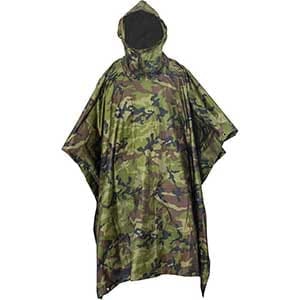
Portable bird hides come in various styles, from pop-up tents which have space inside for a chair, tripod, and camera or binoculars, to throw-over hides, also known as bag hides or body-blinds, which you simply drape over yourself and your gear to break up your shape and outline.
A bird hide enables you to get closer to birds than you usually could without being noticed. Since birds are naturally wary of potential predators, including humans, they often fly away if they sense movement or danger. A bird hide conceals you, allowing you to watch birds up close as they forage, interact, or tend to their nests.
Using a bird hide minimises the impact of human presence on wildlife. By staying concealed, you allow birds and other animals to continue their natural behaviours without disruption. This is especially important for conservation-minded birdwatchers who want to observe ethically.
Portable bird hides are designed to be lightweight and easy to transport, offering flexibility in how and where you use them. Whether you’re in a wood, wetland, meadow, or even your own garden, you can set up a hide to suit the location. Many hides are quick to assemble and disassemble, giving you the freedom to move to new spots or adjust your position depending on the activity of the birds.
Bird hides often double as a shelter, offering some protection from the elements. They can shield you from wind, rain, and strong sunlight, allowing you to continue birdwatching or photographing comfortably in less-than-ideal weather conditions. Some hides come are made from waterproof materials or include extra insulation to make longer bird watching sessions more comfortable.
Bird hides provide a private space, allowing you to enjoy your birdwatching or photography in peace, free from interruptions or distractions. Just be mindful not to blend in so well that others accidentally bump into or trip over you! Without the distractions of movement or external noise, you can focus on the birds’ behaviour, making the your bird watching experience more rewarding.
For wildlife photographers, a bird hide is invaluable for capturing high-quality, close-up shots. Being concealed reduces the chances of scaring off your subjects, allowing you to take your time and frame the perfect photo. Many hides come with openings or windows designed specifically for cameras and tripods, making it easier to capture steady, clear images. Whether you’re shooting stills or videos, a hide improves your chances of getting those stunning, natural shots.
There are several types of bird hides available, each suited to different needs, environments, and levels of mobility.
A pop-up tent blind is a freestanding, portable structure that can be quickly assembled and disassembled. These blinds are typically made from durable, camouflage-patterned fabric stretched over a lightweight frame.
Features: Pop-up blinds often include windows or openings with mesh covers, which allow you to observe or photograph wildlife discreetly. Many are spacious enough to accommodate a chair, tripod, and other equipment, making them ideal for longer sessions.
Best for: Stationary observation or photography in open areas like fields, wetlands, or gardens.
Pros: Provides excellent concealment, weather protection, and comfort for extended use.
Cons: Larger and less portable compared to other options, and may take more time to set up.
A body-blind, also known as a throw-over or bag hide, is a simple, lightweight option that you wear or drape over yourself and your equipment.
Features: Usually made from breathable, camouflage fabric, a body-blind is designed to break up your outline, helping you blend into your surroundings. Some include mesh sections for visibility or camera openings.
Best for: Quick, mobile setups and short observation periods, particularly in areas with dense vegetation.
Pros: Extremely portable, easy to use, and quick to deploy.
Cons: Provides less comfort and weather protection than a tent blind.
Camouflage netting is a versatile and lightweight option that can be draped over structures, natural features like bushes, or yourself to create an improvised hide.
Features: Made from durable mesh or fabric with a camouflage pattern, netting allows you to blend into the environment while maintaining visibility. It can be cut to size and shaped to suit specific needs.
Best for: Flexible setups in a variety of environments, such as forests or gardens, where you can use natural features for support.
Pros: Highly adaptable, lightweight, and compact for easy transport.
Cons: Offers minimal weather protection and requires existing structures for support.
Camouflaged clothing is the simplest form of concealment, allowing you to blend in with your surroundings without carrying additional equipment.
Features: Clothing ranges from full camouflage suits to ghillie suits and accessories like gloves, hats, and face masks. Some options even include materials that mimic natural textures like leaves or grass.
Best for: Mobile birdwatching or photography, especially when you need to move between locations.
Pros: Lightweight, easy to wear, and highly portable. Great for situations where a formal hide isn’t practical.
Cons: Offers no weather protection and requires you to remain still for effective concealment.
When choosing a birdwatching hide, there are several important factors to consider. The right hide will depend on your needs, location, and level of experience. Below is an expanded guide on what to look for, along with a few additional considerations:
The hide should effectively blend into the surroundings to avoid alarming wildlife.
Natural colours: Neutral or camouflage tones that mimic the local environment are crucial.
3D textures: Some hides include leaf-like or grass-like patterns for added realism.
Low noise materials: Choose hides made from materials that won’t rustle or make noise as you move.
The weight of the hide determines how portable it is, especially if you need to carry it to remote locations.
Lightweight options: For mobile birdwatchers, lightweight hides such as body-blinds or netting are ideal.
Heavier hides: Pop-up tents and larger structures may weigh more but often provide better stability, comfort, and weather protection.
A stable hide is essential, especially in windy or uneven environments.
Anchoring 0ptions: Look for hides that come with stakes, pegs, or sandbag weights to secure them in place.
Frame strength: Hides with sturdy frames or poles are less likely to collapse in strong winds.
The size of the hide should suit your specific needs, including the amount of space required for gear or additional people.
Solo use: If you’re birdwatching alone, a compact hide will suffice.
Group use: Larger hides are better if you plan to birdwatch with others or need space for tripods, cameras, and additional equipment.
Height and entry: Consider the height of the hide and whether it allows you to sit or stand comfortably. Easy access is also important, especially if you’re carrying gear.
A good birdwatching hide should shield you from the elements so you can stay comfortable during longer sessions.
Waterproofing: Hides with sealed seams and waterproof fabrics are ideal for wet conditions.
Ventilation: Proper ventilation is important to prevent condensation build-up inside the hide.
Sun protection: UV-resistant materials or built-in shade options are useful for sunny environments.
A good birdwatching hide should be quick and simple to set up and pack away.
Pop-up mechanisms: Many tent-style hides use pop-up frames that can be assembled in seconds.
Portability: Look for hides that come with carry bags or straps for easier transport.
Maintenance: Materials that are easy to clean or shake off dirt are more practical for frequent use.
The design and placement of viewports can significantly impact your experience.
Positioning: Check that the hide offers multiple viewing windows or openings at different heights for optimal visibility.
Mesh covers: Mesh-covered openings allow you to see out while remaining concealed.
Camera ports: If you’re a photographer, look for hides with dedicated openings for lenses or tripods. Adjustable flaps or zippers are a bonus for customising your view.
Bird hides come in a range of prices, so it’s important to balance quality with your budget.
Entry-level options: Affordable hides are great for beginners but may lack some advanced features.
Premium options: Higher-end hides often include better materials, added comfort, and more advanced features, like adjustable windows and improved weather resistance.
Some hides come with extra features to enhance usability.
Storage pockets: Built-in pockets or compartments for storing small items like field guides, notebooks, or snacks.
Comfort add-ons: Features like built-in seats, padded floors, or space for a small stool can make longer sessions more comfortable.
Lighting: Some hides have small interior lights or reflective surfaces to make it easier to find items in low light.
This page contains affiliate links. For more information please see our disclosure here.