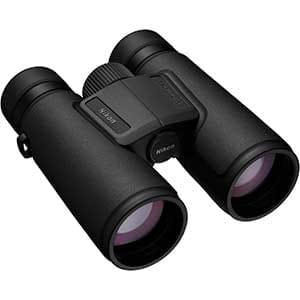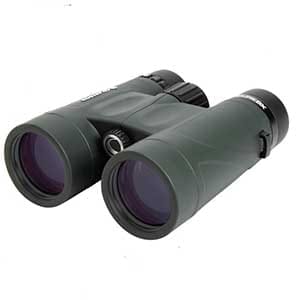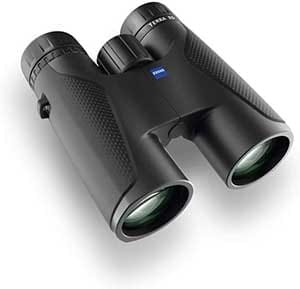
When shopping for binoculars, you may encounter the term “eye relief”. While it might sound technical, understanding it is key to enjoying a comfortable and clear viewing experience. This guide simplifies what eye relief means, why it matters, and how to choose the right binoculars for your needs, whether you’re a casual bird watcher, someone who spends a lot of time in the field, or you wear glasses.
Eye relief refers to the distance between your eye and the eyepiece lens of your binoculars where you can see the entire field of view clearly and without obstruction. For birdwatchers, this is important, as it ensures you don’t miss out on the fine details that help identify a bird or fully appreciate its plumage, markings, or behaviour. Eye relief is measured in millimetres, with most binoculars offering a range between 10mm and 20mm.
Imagine holding a paper tube up to your eye while trying to spot a bird. When your eye is positioned at just the right distance, the view is clear and expansive. Move too close, and the image may blur or feel restrictive. Move too far back, and the edges of the image darken, leaving you with a frustratingly narrow “tunnel vision” effect.
For bird watchers, who often shift their gaze quickly from one subject to another, proper eye relief is critical. If your binoculars have insufficient eye relief for your needs, a portion of the image may be cut off or distorted, leaving you with an incomplete field of view. This is particularly problematic when observing fast-moving birds, as you may lose track of them if you can’t see the entire area clearly.
For bird watchers who wear glasses, this issue becomes even more pronounced. Glasses add extra distance between your eyes and the eyepieces, making binoculars with short eye relief (below 15mm) unusable for getting a full view. This is why long eye relief, typically 15-20mm, is a must for those who wear glasses. Without it, you may have to remove your glasses to use your binoculars, which can be inconvenient and disrupt your focus.
Comfort is another important factor. Bird watchers often spend hours in the field observing birds, requiring binoculars that don’t strain their eyes or make them squint. Proper eye relief, combined with adjustable eyecups, helps reduce eye fatigue, allowing for longer, more enjoyable bird watching sessions.
When choosing binoculars for bird watching, it’s essential to understand the different types of eye relief available and how they cater to different needs:
Typically between 10-15mm, this is suitable for most users who don’t wear glasses. Standard eye relief provides a clear view for users whose eyes can be positioned close to the eyepieces. Standard eye relief offers a good balance between clarity and comfort, especially for short to medium-length birding sessions.
Offering 15-20mm or more, long eye relief is ideal for glasses wearers or those who need more distance from the eyepiece for comfort. Long eye relief allows you to maintain a full field of view even when glasses or sunglasses create extra space between your eyes and the binoculars. Bird watchers who spend long hours observing or who frequently scan for birds at different distances often prefer long eye relief for its added comfort.
Generally less than 10mm, short eye relief is common in compact or pocket binoculars. While these binoculars are lightweight and easy to carry, the limited eye relief may not be suitable for bird watchers. Short eye relief can result in a restricted field of view and may cause discomfort during extended use.
When choosing binoculars for bird watching, consider your personal needs and comfort level. If you wear glasses or often observe birds for hours at a time, long eye relief will provide the clearest and most enjoyable experience. For quick outings or casual bird watching without glasses, standard eye relief may suffice, while compact binoculars with short eye relief are sometimes a compromise in terms of performance and comfort.
Choosing binoculars with the right eye relief depends on several factors
Bird watchers who wear glasses should prioritise binoculars with long eye relief, typically 15-20mm. Glasses create extra distance between your eyes and the eyepiece, so a longer eye relief ensures you can see the entire field of view without removing your glasses. Look for models designed specifically for glasses wearers, labelled as “long eye relief” or with adjustable eyecups that fold down to reduce the distance.
If you don’t wear glasses, standard or shorter eye relief (10-15mm) may work just fine. This allows you to position your eyes closer to the eyepiece for an immersive view. However, you should still ensure the binoculars offer adjustable eyecups so you can fine-tune the distance to your preference.
For bird watchers, adjustable eyecups are a key feature to look for when selecting binoculars. Most binoculars allow you to twist, roll, or fold the eyecups to adjust the eye relief. This is particularly useful if you share your binoculars with someone else or occasionally switch between wearing glasses and not. Testing different settings while focusing on a bird at varying distances can help you find the most comfortable and effective setup.
You should also consider the duration of your outings. For extended sessions, longer eye relief, even if you don’t wear glasses can reduce eye strain and improve comfort, allowing you to enjoy your bird watching experience without interruption.
If you use binoculars with the incorrect eye relief, it can lead to several common problems. Fortunately, these issues are usually easy to address:
This occurs when your eyes are positioned too far from the eyepiece, leaving you with a reduced field of view. To fix this, adjust the eyecups by rolling or twisting them down (if you wear glasses) or up (if you don’t). If your binoculars lack adjustable eyecups, experiment with moving the binoculars closer to your eyes until the black edges disappear.
Spending long hours in the field with improper eye relief can cause discomfort or fatigue. This is especially true if you’re holding the binoculars at an awkward angle or using an incorrect eye position. To minimise strain, take breaks during long bird watching sessions and adjust the eyecups to a position that feels most natural.
If you wear glasses and struggle to see the full field of view, it’s likely due to insufficient eye relief. Look for binoculars explicitly designed with long eye relief, and ensure the eyecups can be folded or rolled down to bring your glasses closer to the eyepiece. Before purchasing binoculars, test them while wearing your glasses to confirm they meet your needs.
Properly adjusting eye relief is essential, as it ensures a clear, comfortable view of birds in any environment. Follow these steps to test and fine-tune the eye relief on your binoculars:
If you don’t wear glasses, twist or roll the eyecups outwards to bring your eyes closer to the eyepiece. If you do wear glasses, roll or twist the eyecups down to reduce the distance and allow for the extra space created by your glasses. This simple adjustment can significantly enhance your field of view.
Hold the binoculars so that your eyes align with the eyepieces. Adjust the distance until the entire field of view is visible, with no black edges or “tunnel vision” effect. A good position allows you to focus on birds effortlessly, even if they’re moving quickly or perched far away.
Try different adjustments to find the most comfortable setup for extended bird watching sessions. Focus on a bird or a distant object and observe the clarity and field of view. Repeat this process in different lighting conditions or with fast-moving subjects to ensure your setup works well in various scenarios.
If you share your binoculars with someone else, make a note of your preferred settings so you can quickly return to them after others use them. Being prepared and familiar with your binoculars’ adjustments will save you time and let you focus on what matters most – watching birds.
Eye relief is a crucial factor in selecting binoculars, directly affecting your comfort and viewing experience. Whether you wear glasses or not, understanding and testing eye relief can make a significant difference. Prioritise this feature when shopping, and you’ll enjoy clear, strain-free views for years to come.
This page contains affiliate links. For more information please see our disclosure here.