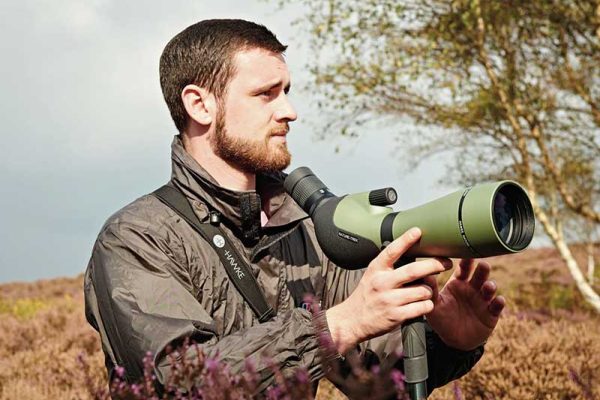
Choosing the right optical gear can make a significant difference to your bird watching experience. While binoculars are the traditional choice, monoculars offer a lightweight and compact alternative. Each has its own strengths and weaknesses, depending on factors like portability, stability, and intended use.
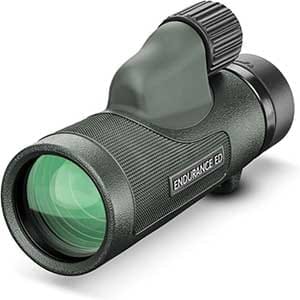
A monocular is a single-barrel optical device designed for magnified viewing using just one eye. It works similarly to a small telescope or half of a binocular, using a system of lenses and prisms to enlarge distant objects. Monoculars typically come in various magnifications, with common options ranging from 6x to 12x zoom, meaning they can make objects appear six to twelve times closer than they are.
Light enters through the objective lens (the larger front lens).
Internal prisms (usually roof or Porro prisms) bend and focus the light.
An eyepiece lens magnifies the image before it reaches the eye.
Binoculars are a dual-barrel optical device that provides magnified vision using both eyes. They consist of two parallel telescopes with internal lenses and prisms that allow for comfortable, three-dimensional viewing. Most bird watching binoculars range from 8x to 12x magnification, with 8×42 and 10×42 being particularly popular for balancing zoom with a wide field of view.
Light enters through two objective lenses.
Internal prisms (Porro or roof) align and magnify the image.
Eyepieces allow both eyes to focus on the same object, providing a stereoscopic view with depth perception.
Lightweight and compact
Monoculars are significantly smaller and lighter than binoculars, making them ideal for birdwatchers who prefer a minimalist approach. Their compact size makes them easy to carry in a pocket, backpack, or even around the neck without discomfort. This is especially beneficial for hikers and travellers who want to reduce the weight of their gear.
Easy to carry
Unlike binoculars, which often require a strap or case for transportation, most monoculars are small enough to fit comfortably in a pocket. This makes them highly convenient for spontaneous birdwatching sessions, whether you’re out for a walk, on a road trip, or exploring a new trail.
Quicker to use with one hand
A monocular can be operated using just one hand, allowing for quick and efficient spotting. This is particularly useful for birdwatchers who may need to multitask, such as holding a field guide, taking notes, or using a camera. The ability to swiftly raise the monocular, focus, and observe a bird makes it a practical choice for casual birdwatchers.
Often cheaper than binoculars
Because monoculars only have one optical tube instead of two, they generally cost less than binoculars of similar quality. This makes them an excellent choice for beginners, budget-conscious birdwatchers, or those who want a secondary, more portable option without making a large investment.
Reduced depth perception
Since monoculars only use one eye, they do not provide the same level of depth perception as binoculars. Depth perception is crucial for gauging distances accurately and tracking birds in a three-dimensional space, making it more challenging to judge how far away a bird is or how it moves in relation to its surroundings.
Can cause eye strain
Using one eye for extended periods can lead to discomfort, fatigue, and strain. Unlike binoculars, which allow both eyes to work together naturally, monoculars force one eye to do all the work, which can be tiring, especially during long birdwatching sessions.
Less stable
Because monoculars require one-handed operation, they can be harder to keep steady, particularly at higher magnifications. The smaller size means they lack the weight and balance that binoculars provide, which can lead to a shakier image, especially if you’re trying to observe birds at long distances. A tripod or stabilisation technique may be needed for clearer viewing.
Better depth perception and field of view
One of the biggest advantages of binoculars is their ability to provide a stereoscopic (3D) view, which enhances depth perception. This makes it much easier to judge distances, track birds as they move through trees or the sky, and gain a more immersive bird watching experience. Binoculars also have a wider field of view, allowing you to scan large areas and follow birds in motion more effectively.
More comfortable for extended viewing
Because binoculars engage both eyes, they are significantly more comfortable for long observation periods. The natural use of both eyes reduces strain and fatigue, making binoculars the preferred choice for serious birdwatchers who spend hours in the field.
Easier to track moving birds
Birds are fast-moving, and tracking them with a monocular can be challenging due to its narrower field of view and one-eyed operation. Binoculars allow you to follow birds smoothly as they fly, hop between branches, or move across a landscape. This makes them ideal for identifying bird behaviour and species in their natural habitat.
Generally higher optical quality
Most high-quality optics manufacturers prioritise binoculars over monoculars, meaning that the best lenses, coatings, and image stabilisation features are typically found in binoculars. The dual-barrel design also helps reduce shakiness, providing a steadier and clearer image, especially at higher magnifications.
Heavier and bulkier
Even compact binoculars tend to be larger and heavier than monoculars. This added weight can be a burden for birdwatchers who prefer to travel light, especially during long hikes or trips where every ounce matters. Some models can also be cumbersome to carry without a strap or case.
Can be more expensive
High-quality binoculars tend to be more costly than monoculars of similar quality. Because binoculars have two sets of lenses and prisms, they require more materials and precision engineering, leading to a higher price point. Budget binoculars exist, but they may not offer the same optical clarity as a mid-range monocular.
Requires both hands to operate
Unlike monoculars, which can be used with one hand, binoculars typically require both hands for steady and effective viewing. This makes them less convenient for birdwatchers who need to hold a field guide, take notes, or use a camera simultaneously. While binocular harnesses and tripod mounts can help with this issue, they add extra bulk and cost.
Choosing between a monocular and binoculars for bird watching depends on several factors, including portability, budget, intended use, magnification, field of view, and stability.
Monoculars: If you prioritise portability, a monocular is the better option. They are compact, lightweight, and easy to carry in a pocket or small bag, making them ideal for hikers, travellers, or casual birdwatchers who don’t want to carry extra gear. Their one-handed operation also makes them more convenient when on the move.
Binoculars: While bulkier, binoculars provide greater comfort for extended viewing. They engage both eyes, reducing strain and making long observation sessions more enjoyable. If you spend hours tracking birds in nature reserves or from a hide, binoculars offer a much more immersive and stable experience.
Choose a monocular if you value portability and quick access.
Choose binoculars if you plan on extended birdwatching sessions.
Monoculars: Typically, monoculars are more affordable than binoculars of similar optical quality. Since they require only one optical tube, prism, and lens system, they are less expensive to manufacture, making them a great choice for budget-conscious birdwatchers.
Binoculars: Because they contain two sets of optics, binoculars tend to be more expensive than monoculars of the same quality level. High-end binoculars can be a significant investment, but they often come with better coatings, prisms, and image stabilisation.
Choose a monocular if you’re on a budget or need a secondary, cost-effective option.
Choose binoculars if you’re willing to invest in better optical quality.
Monoculars: Best for quick spotting and identifying birds on the go. If you’re hiking or casually birdwatching and just need to get a closer look without prolonged observation, a monocular is a practical choice.
Binoculars: Perfect for extended observation, allowing you to track birds for long periods, study their behaviour, and enjoy a more detailed view. If you plan to sit and watch birds for hours, binoculars are the superior choice.
Choose a monocular if you need a quick, handy spotting tool.
Choose binoculars if you’re spending significant time observing birds.
Monoculars: Often have higher magnification in a compact form, but the trade-off is a narrower field of view. This means you can zoom in on birds more closely but may struggle to follow fast-moving birds.
Binoculars: Offer a wider field of view, making it easier to locate and track birds, especially those in flight. A wider field of view also helps when observing birds in dense foliage, where they may be moving between branches.
Choose a monocular if you want high zoom in a small, portable device.
Choose binoculars if you want a wider view to track birds more easily.
Monoculars: Can be harder to hold steady, especially at higher magnifications. Without a second lens to stabilise the image, even slight hand movements can result in a shaky view. Some high-power monoculars require a tripod or extra stabilisation for clear viewing.
Binoculars: Provide more natural stability because they are held with both hands. The dual lenses also help stabilise the image, making it easier to track birds smoothly.
Choose a monocular if you’re okay with slight hand shakiness or willing to use stabilisation.
Choose binoculars if you want a steadier viewing experience.
A monocular is best suited for:
Casual bird watching – If you’re a beginner or just want a quick, easy way to get a closer look at birds.
Hiking and travel – When weight and portability matter, a monocular fits easily in a pocket or small bag.
Quick spotting – Ideal for situations where you need a fast, one-handed viewing tool.
Budget-friendly bird watching – If you want an optical device without spending too much.
Complementing other gear – Can be used alongside a camera or binoculars as a backup spotting tool.
Binoculars are the better choice for:
Serious bird watching – If you spend hours observing birds, binoculars provide a better experience.
Prolonged sessions – More comfortable for extended use without eye strain.
Tracking moving birds – The wider field of view helps keep birds in sight, especially in flight.
Detailed observation – Better image clarity, stability, and depth perception for studying bird behaviour.
Wildlife and nature enthusiasts – Ideal for those who enjoy immersive, all-day bird watching outings.
The overall choice depends on your birdwatching style, budget, and preferences. If you’re an on-the-go adventurer, a monocular is lightweight, portable, and easy to use. If you’re a dedicated bird watcher, binoculars offer a superior viewing experience with better stability and comfort. Some bird watchers often use both, carrying a monocular for quick spotting and binoculars for more detailed observation.
This page contains affiliate links. For more information please see our disclosure here.