I
I
Eastern Kingbird

Eastern Kingbird Identification Guide

Eastern Kingbird

Key facts

Scientific name: Tyrannus tyrannus
UK status: Accidental (rare vagrant)
Global conservation status: Least concern
Length: 19 – 23 cm
Wingspan: 33 – 38 cm
Weight: 33 – 55 g

Description

The eastern kingbird is a flycatcher with a large head, long, pointed wings, square-edged tail, and short, straight bill. It has grey-black upperparts and white underparts, with a grey wash across the breast. The tail is black with a distinctive white tip, and its dark head contrasts with a white throat. There is a narrow strip of red feathers on the crown, though these are rarely visible. Males and females look alike.

The eastern kingbird’s call is a high-pitched buzzing sound, often likened to the crackling noise of an electric fence.

Seen a bird and not sure what it is?

Try our interactive bird identifier

Diet

Eastern kingbirds primarily feed on insects, which they catch in midair by sallying out from perches to snatch them. They may also hover to pick insects from leaves. In winter, they supplement their diet with berries and fruit.

Listen

Jim Holmes/xeno-canto

Range and habitat

The eastern kingbird breeds throughout North America in open habitats, including fields, pastures, grasslands, and wetlands. It migrates to the forests of South America for winter.

These birds are often seen perched at the tops of trees, as well as on utility lines and fences.

Leave a Reply

Your email address will not be published. Required fields are marked *

Discover more rare birds

Spotted Eagle
Spotted Eagle
Clanga clanga
Canvasback
Canvasback
Aythya valisineria
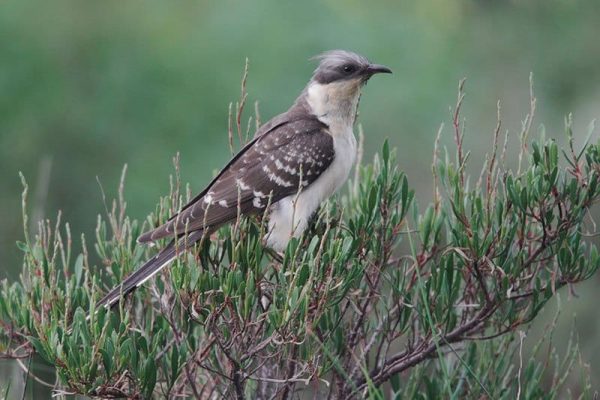
Great Spotted Cuckoo
Clamator glandarius
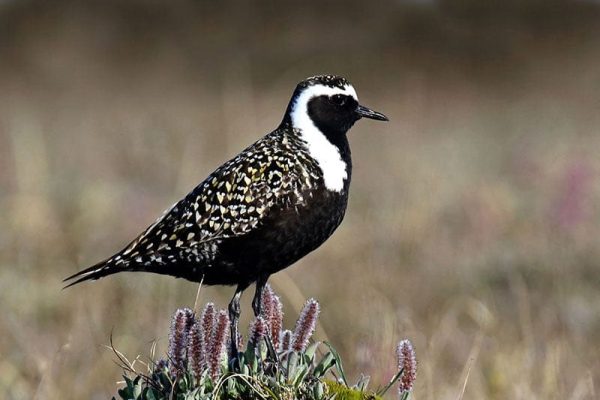
American Golden Plover
Pluvialis dominica
Alpine Accentor
Alpine Accentor
Prunella collaris
Surf Scoter
Surf Scoter
Melanitta perspicillata
White-Throated Needletail
Hirundapus caudacutus
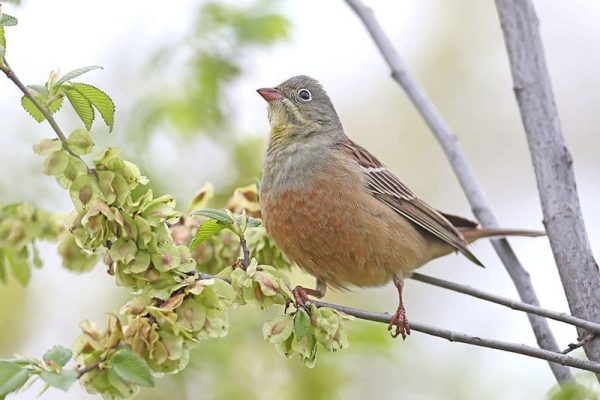
Ortolan Bunting
Ortolan Bunting
Emberiza hortulana
Blackpoll Warbler
Blackpoll Warbler
Setophaga striata
Siberian Thrush
Siberian Thrush
Geokichla sibirica

Secure your bird watchig break for just £10

Secure your bird watchig break for just £10

Secure your bird watching break for just £10