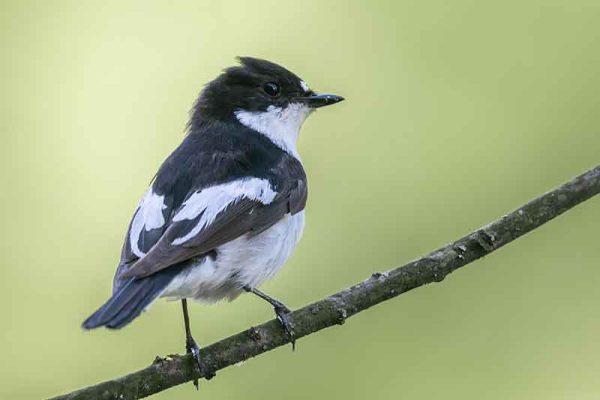
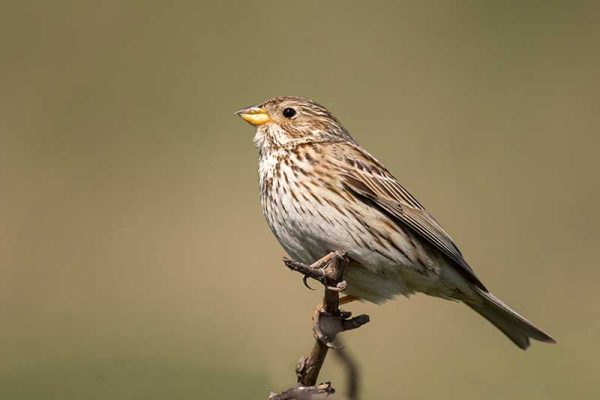
Breeding birds: 140,000 pairs
Wintering birds: 2.2 million birds
Family: Gulls, Terns, And Skimmers
Adult black-headed gulls in breeding season have a dark chocolate-brown head with a white neck. The upperparts are grey and the underparts are white.
Black-headed gulls’ eyes are dark brown with two white crescents. They have deep red bills, legs and feet.
Out of breeding season, black-headed gulls have white heads with black spots on the ear coverts and a black tip on their bills.
Both adult male and female black-headed gulls look similar. Juveniles have brown markings on the upperparts and a black band on the tail.
Try our interactive bird identifier
Black-headed gulls nest in colonies on cliffs, the ground or in buildings. They build their nests, which are usually a scrape in the ground or sometimes a pile of dead plant material, close together, sometimes even touching.
Black-headed gulls lay 2-6 eggs which are smooth and glossy and green-blue colour with dark blotches. Both parents incubate the eggs which lasts 22-26 days.
The chicks are precocial and are fed by both adults. They stay near the nest site till fledging which occurs about 35 days after hatching.
Black-headed gulls feed on insects, fish, grains and berries. They will also eat discarded food inland and will steal food from other gulls by harassing them.

Black-headed gulls are the most common inland gull and can be seen all year round particularly in northern England, Scotland and Wales. Large colonies are found along the south and east coasts of England.
They are sociable and noisy birds, gathering into large groups where there is food.
Britain's Birds
RSPB Handbook Of British Birds
Collins Bird Guide
In the 19th century black-headed gulls were quite rare and were hardly ever seen inland. Now, they are the most common inland gull species found throughout the country including central London.