Breeding birds: 3,100-3,800 pairs
Wintering birds: 12,000
Family: Ducks, geese & swans
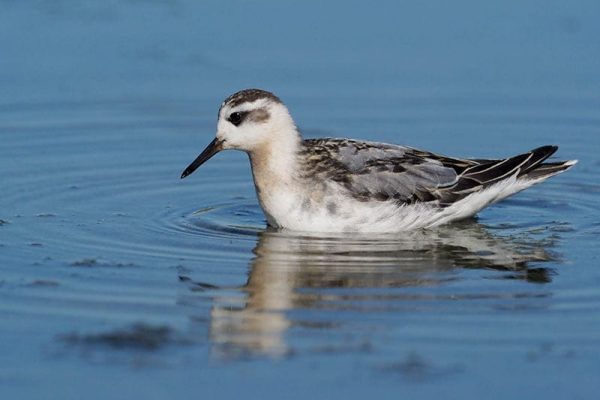
In breeding plumage adult male goosanders have black backs with a white stripe on the sides, black wing tips and a large white wing patch. The upperparts and tail are grey and the lower neck and underwing are white. There is a pinkish wash on the underparts. They have black heads and upper necks with a green gloss. The long, thin bill is red with a black tip, eyes are dark brown and legs and feet are red.
Outside of breeding season, male goosanders have grey bodies, dark brown heads and upper necks. Their chin, throat and breast are white and the upperwing is grey. They have a long crest on their crown and nape.
Female goosanders look similar to males out of breeding season but her crest is longer than the males.
Juveniles are similar to females but with a brown bill. legs and feet. Their crests are shorter and they have a black and white stripe behind the eyes.
Try our interactive bird identifier
Goosanders can nest alone or in groups. They build their nests near water in cavities such as holes in trees. The nest is lined with down.
Goosanders lay 8-12 white or pale yellow eggs, which are incubated by the female alone, while the male leaves the nest to migrate and moult. Chicks leave the nest 2 days after hatching and fledge at 60-70 days.

Goosanders can be found throughout the UK in the upland rivers of northern England, Scotland and Wales in the summer. In the winter they move to lakes, reservoirs, gravel pits and estuaries where they are joined by migrating birds.
Britain's Birds
RSPB Handbook Of British Birds
Collins Bird Guide
Goosanders belong to the ‘sawbill’ family of ducks. They are one of the few ducks that eat fish from sticklebacks to salmon and can swallow fish up to 36 cm long.