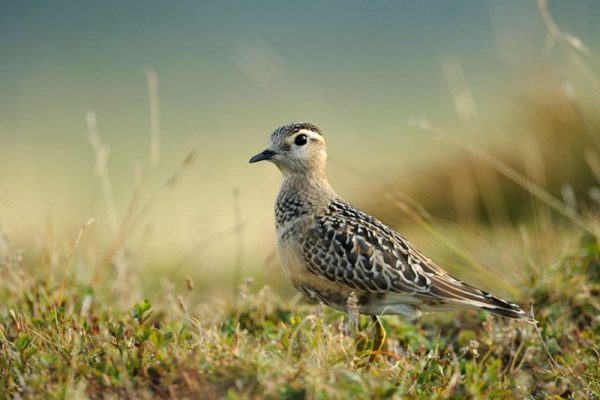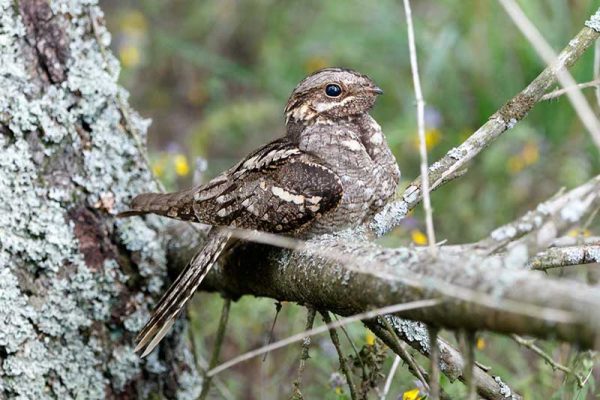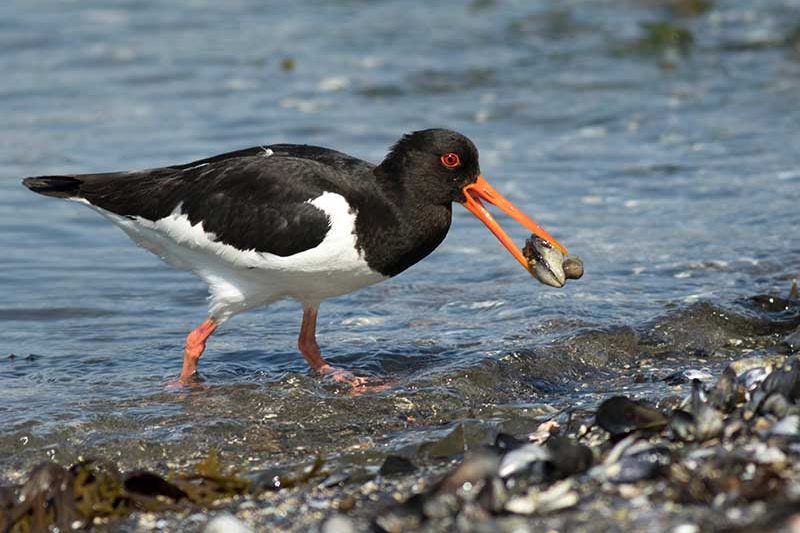
Situated off the northwest coast of Wales, Anglesey is the largest Welsh island and the fifth largest in the British Isles. While much of the island is dedicated to intensive livestock farming, it remains a fantastic destination for birdwatching. Nearly the entire coastline is designated as an Area of Outstanding Natural Beauty, and the island is home to several important wetland habitats, including lakes and marshes, which support a diverse range of bird species.
Managed by the RSPB, South Stack Cliffs on Holy Island is one of Anglesey’s well-known birdwatching sites. The reserve, which includes farmland and heathland, is home to thousands of breeding seabirds in spring and summer. The towering cliffs provide nesting sites for guillemots, razorbills, kittiwakes, and fulmars, while puffins can often be seen among the rocks.
South Stack is also one of the best places in the UK to see choughs, one of the rarest members of the crow family. Birds of prey, including peregrine falcons and kestrels, are frequently seen hunting along the coastal slopes, while Manx shearwaters and gannets occasionally pass by offshore.
For a closer look at the nesting birds, Ellin’s Tower, a restored Victorian stone folly, houses the RSPB information centre where you can hire binoculars and telescopes, and watch live CCTV footage of the cliffs.
Located on Anglesey’s northern coast, Cemlyn Nature Reserve is managed by the North Wales Wildlife Trust and is an important breeding site for terns during the summer months. The islands at there lagoon’s western end are home to Wales’s only breeding colony of sandwich terns. Arctic and common terns also nest here regularly, with roseate terns occasionally making an appearance.
The reserve attracts a variety of wading birds and waterfowl, including oystercatchers, redshanks, shelducks, and little egrets, while the surrounding scrub and wetland provide nesting sites for stonechats, whitethroats, and sedge warblers. In winter, the reserve is a good place to see ducks such as goldeneyes and red-breasted mergansers.
Cemlyn has also been known to attract rare visitors, including bridled terns, sooty terns, and squacco herons.
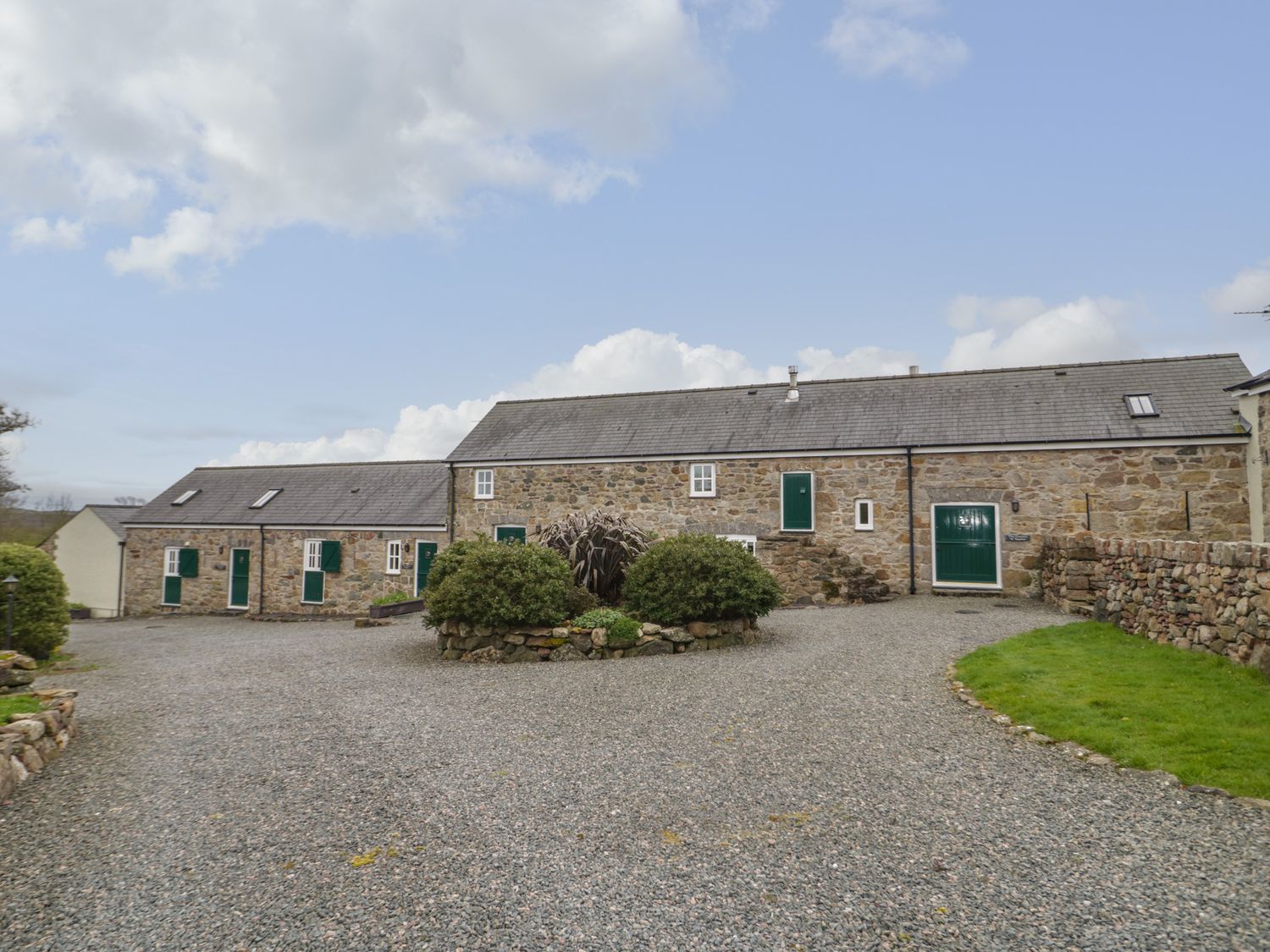
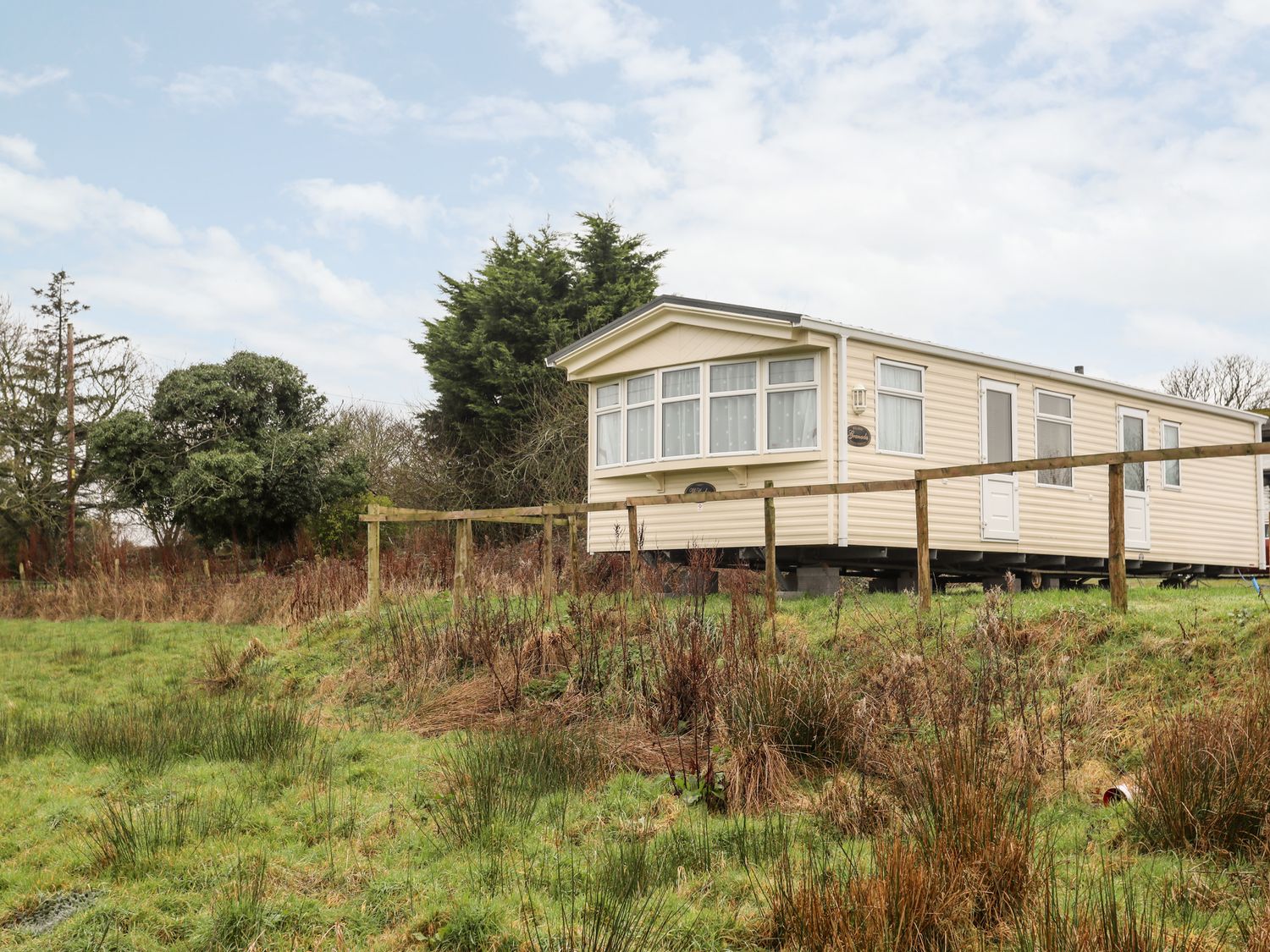
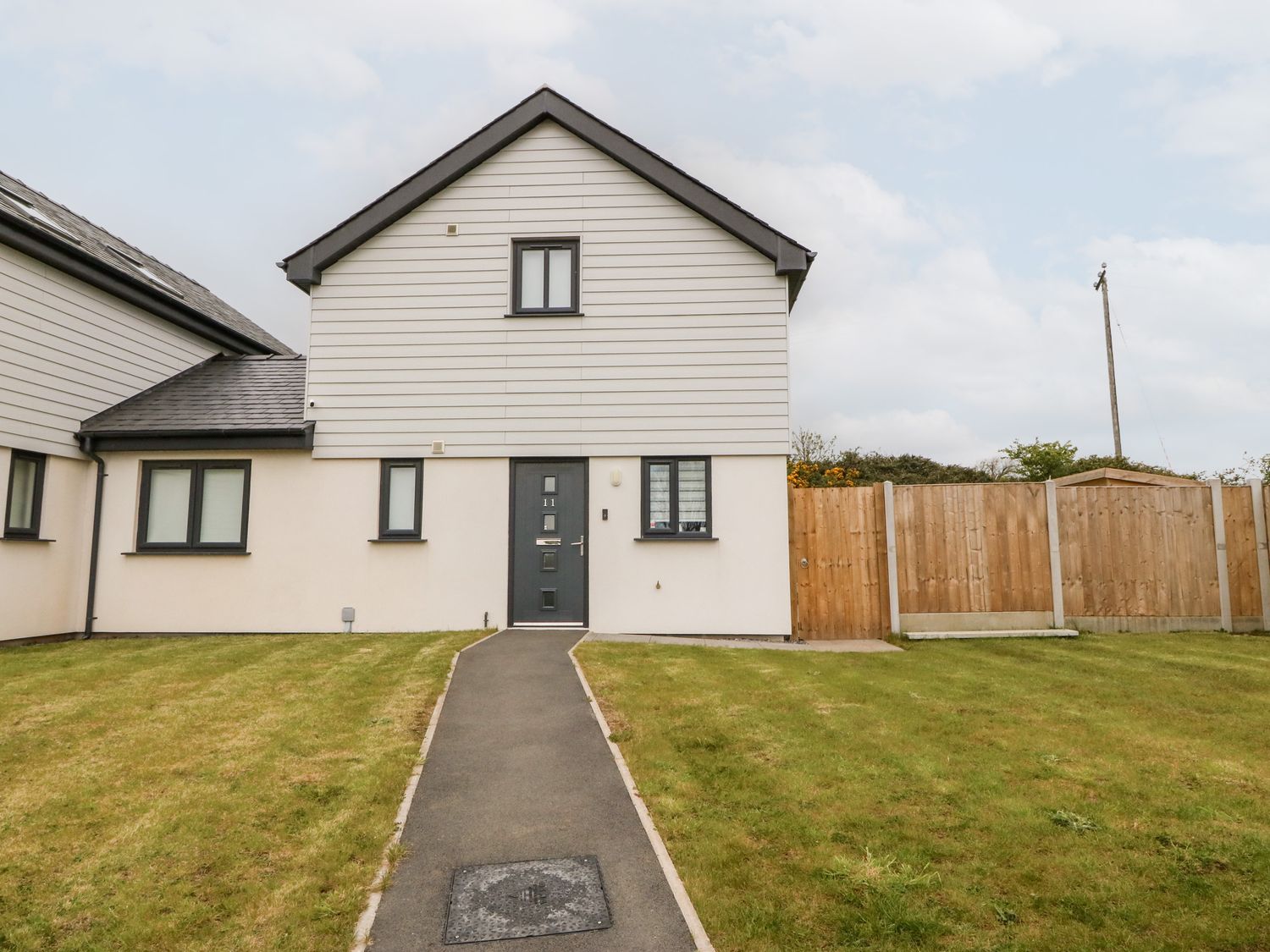
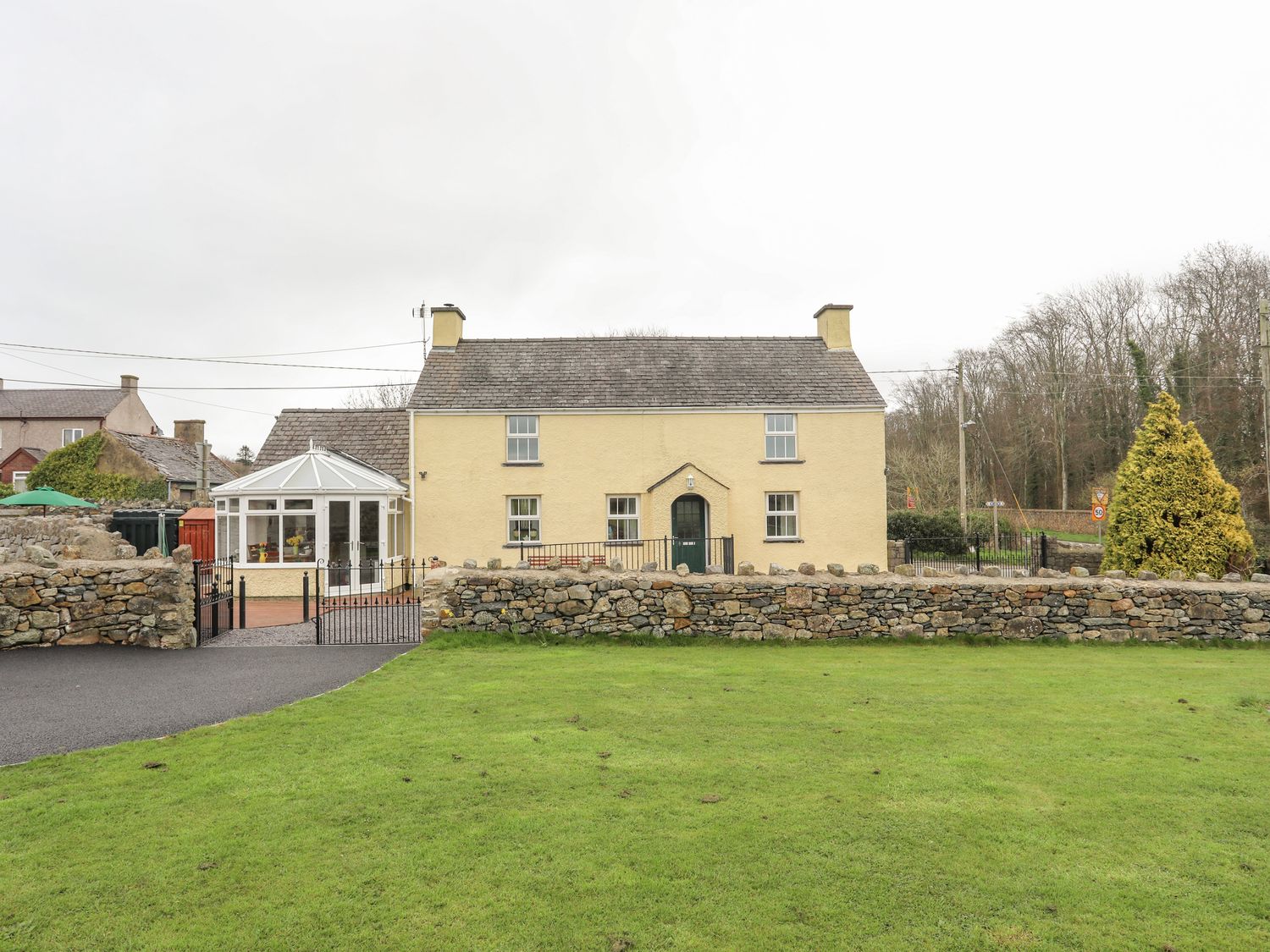
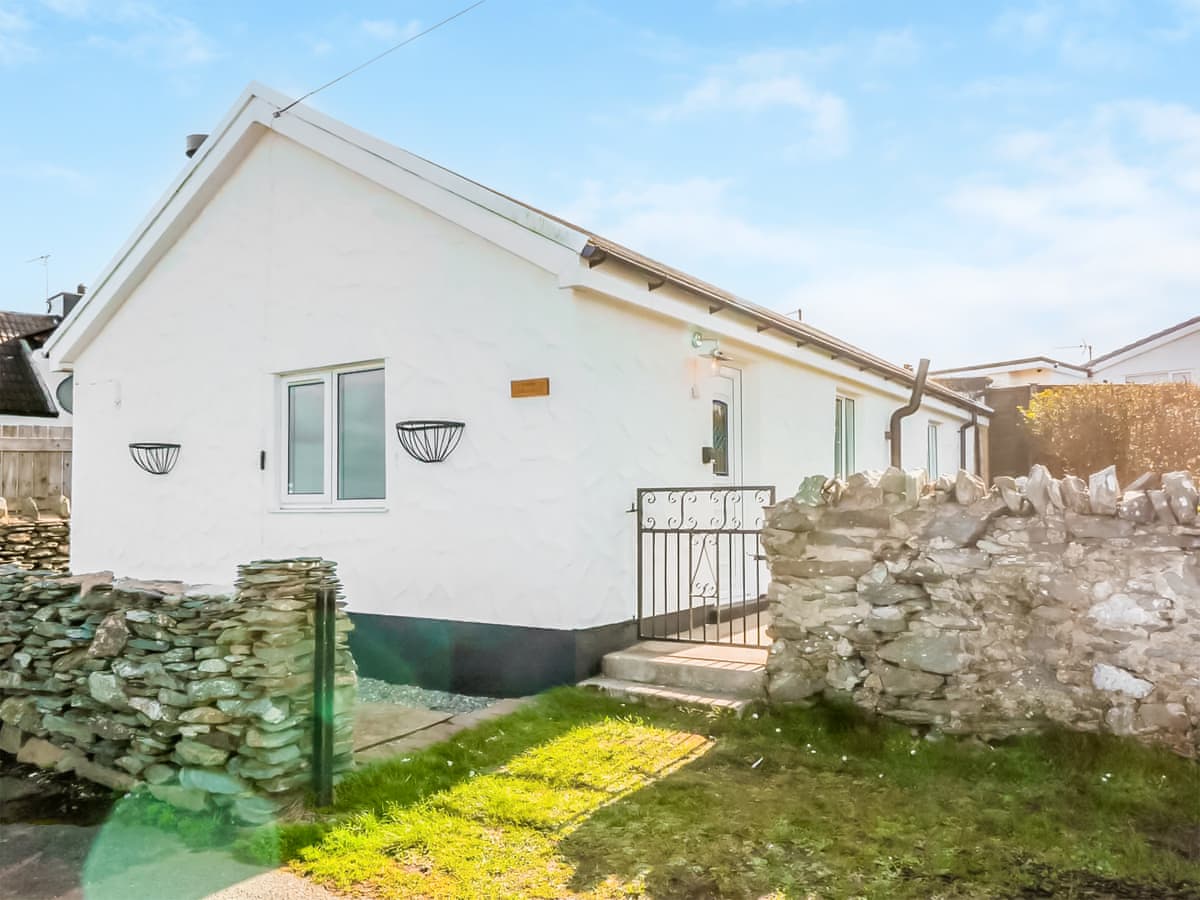
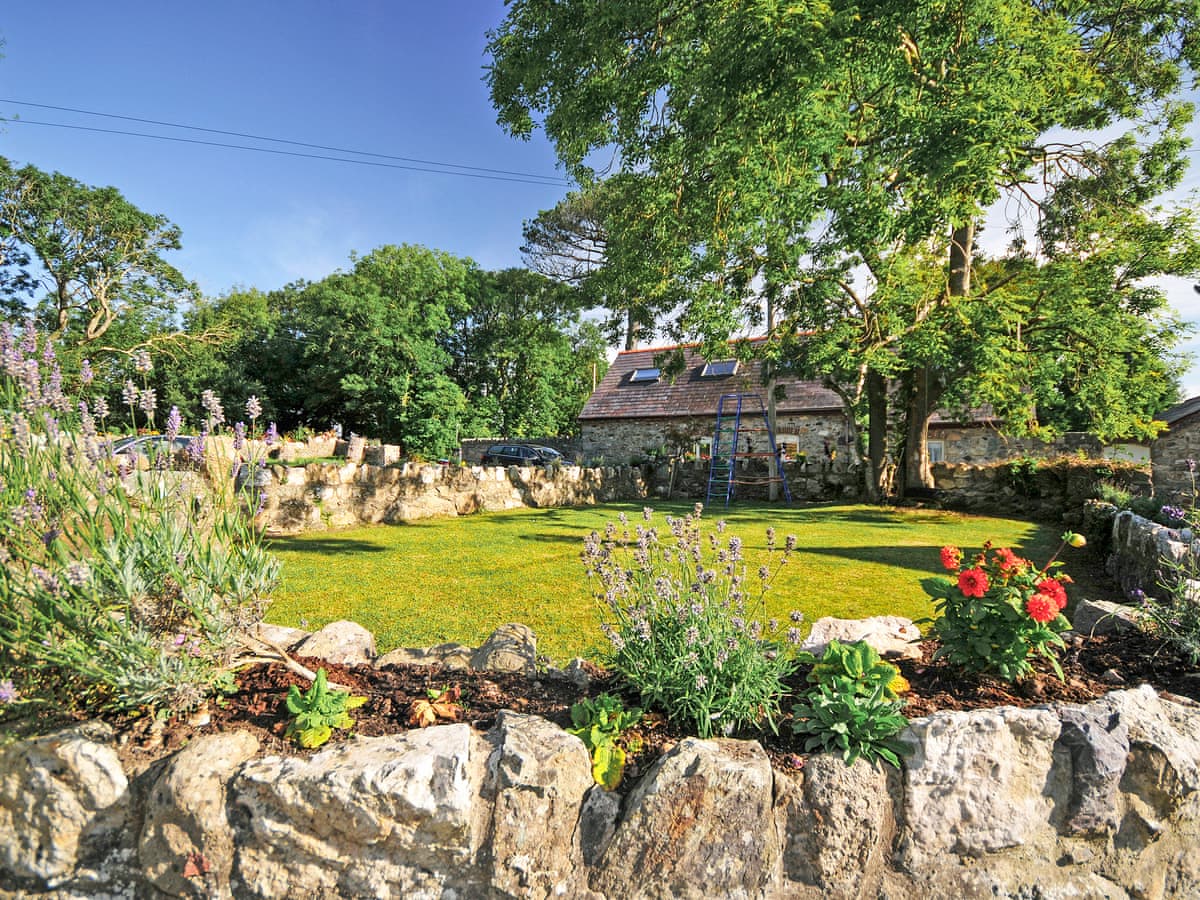
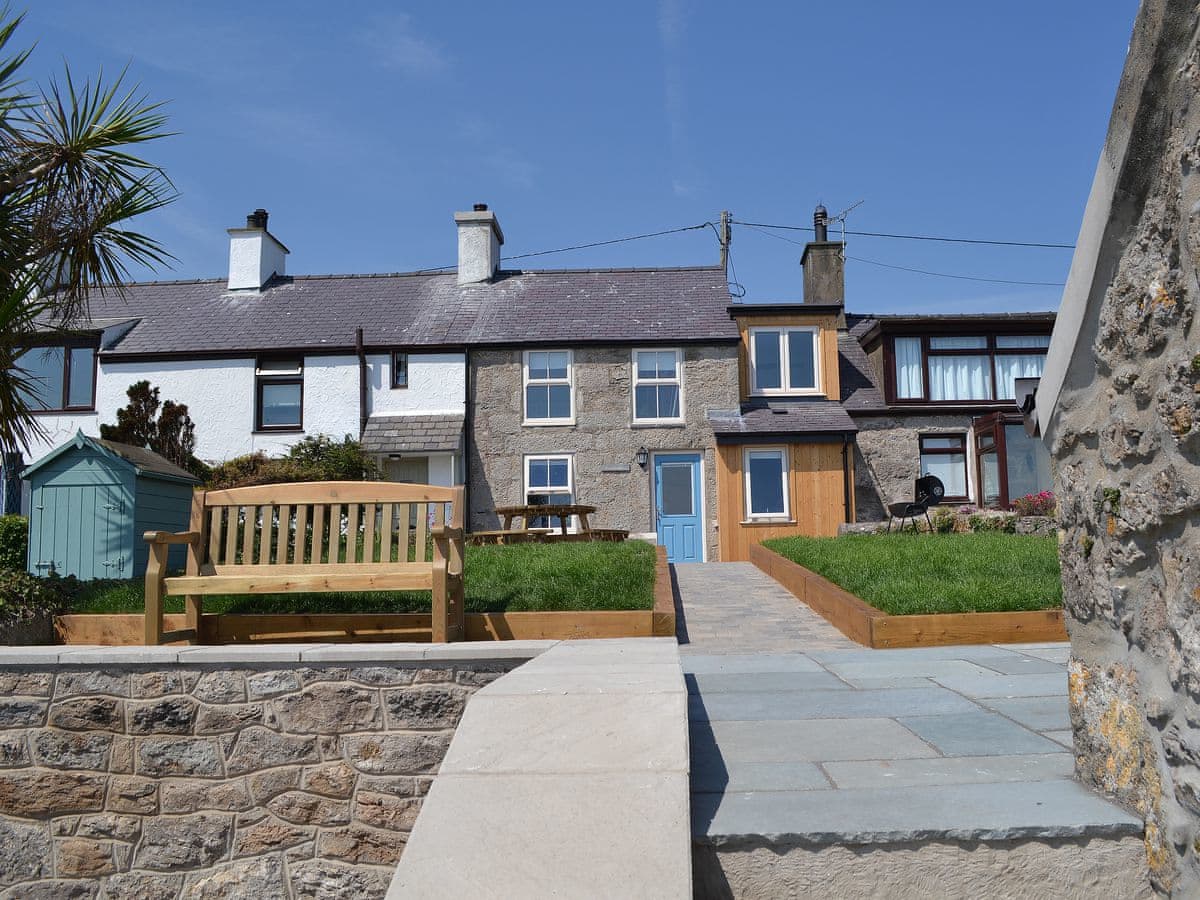
Check out these places to stay nearby
Afon Cefni is one of the major rivers on Anglesey, with its estuary opening near Malltraeth on the island’s south-west coast. The surrounding marshes and woodlands are excellent locations for birdwatching. The estuary’s saltmarsh and tidal sandflats provide vital feeding grounds, particularly in winter, for wildfowl and wading birds such as pintails, wigeons, teals, shovelers, redshanks, curlews, and snipes.A rocky islet and peninsula within the estuary serve as important breeding sites for shags and cormorants. Predators like peregrine falcons and merlins frequently visit the area, searching for unsuspecting prey.
At the northern end of the estuary, behind the cob embankment, Malltraeth Pool attracts many waterbirds during their spring and autumn migrations. In winter, flocks of Canada geese, brent geese, and greylag geese can often be seen.
To the south of the estuary, Newborough Forest, a beautiful pine woodland, offers numerous walking trails. It is an important winter roost for large numbers of ravens and home to a variety of woodland birds, including great spotted woodpeckers, crossbills, and goldcrests. The forest is also a conservation area for red squirrels.
Llyn Alaw, Anglesey’s largest lake, is a man-made reservoir constructed in the 1960s. It is a vital wintering site for wildfowl and a designated Site of Special Scientific Interest. The shallow waters are surrounded by diverse habitats, including woodland, scrub, mudflats, and marshy grassland.
During winter, the reservoir attracts large flocks of whooper swans, teals, shovelers, pochards, and tufted ducks. Other notable species include mallards, wigeons, goldeneyes, ruddy ducks, and occasionally pink-footed geese. The surrounding wetlands provide a habitat for snipes and water rails, while common terns and black-headed gulls nest on the lake’s central islands. In spring and summer, reed warblers and sedge warblers can be heard singing from the reedbeds. Autumn brings large flocks of waders, particularly curlews, lapwings, and golden plovers, which feed on the exposed mudflats.
Visitors can enjoy bird hides, picnic areas, a spacious car park, and several miles of footpaths and nature trails, though these do not form a complete circuit.