Cumbria, with its stunning landscapes of lakes, woodlands, fells, and coastal reserves, is a haven for bird watchers. From the rugged peaks of the Lake District to the wild shores of the Solway Firth, the county offers a rich diversity of habitats that attract a wide variety of bird species throughout the year.
Located just on the Lancashire-Cumbria border, Leighton Moss is a must-visit for any bird watcher. Its reed beds and wetlands attract bitterns, marsh harriers, bearded tits, and water rails. In winter, large numbers of waders and wildfowl can be seen, including teal, pintail, and whooper swans.
This long, narrow island off the coast of Barrow-in-Furness is a fantastic spot for coastal and seabird species. The Walney Nature Reserve is home to breeding Arctic terns, little terns, and eiders, while the surrounding waters attract gannets, skuas, and divers. The island is also a great place to see peregrine falcons and short-eared owls.
A dramatic upland reservoir in the eastern Lake District, Haweswater is one of the best places in England to see golden eagles—although only a single male has been present in recent years. The surrounding fells are also home to peregrine falcons, merlins, ring ouzels, and red deer. In summer, look out for whinchats and wheatears.
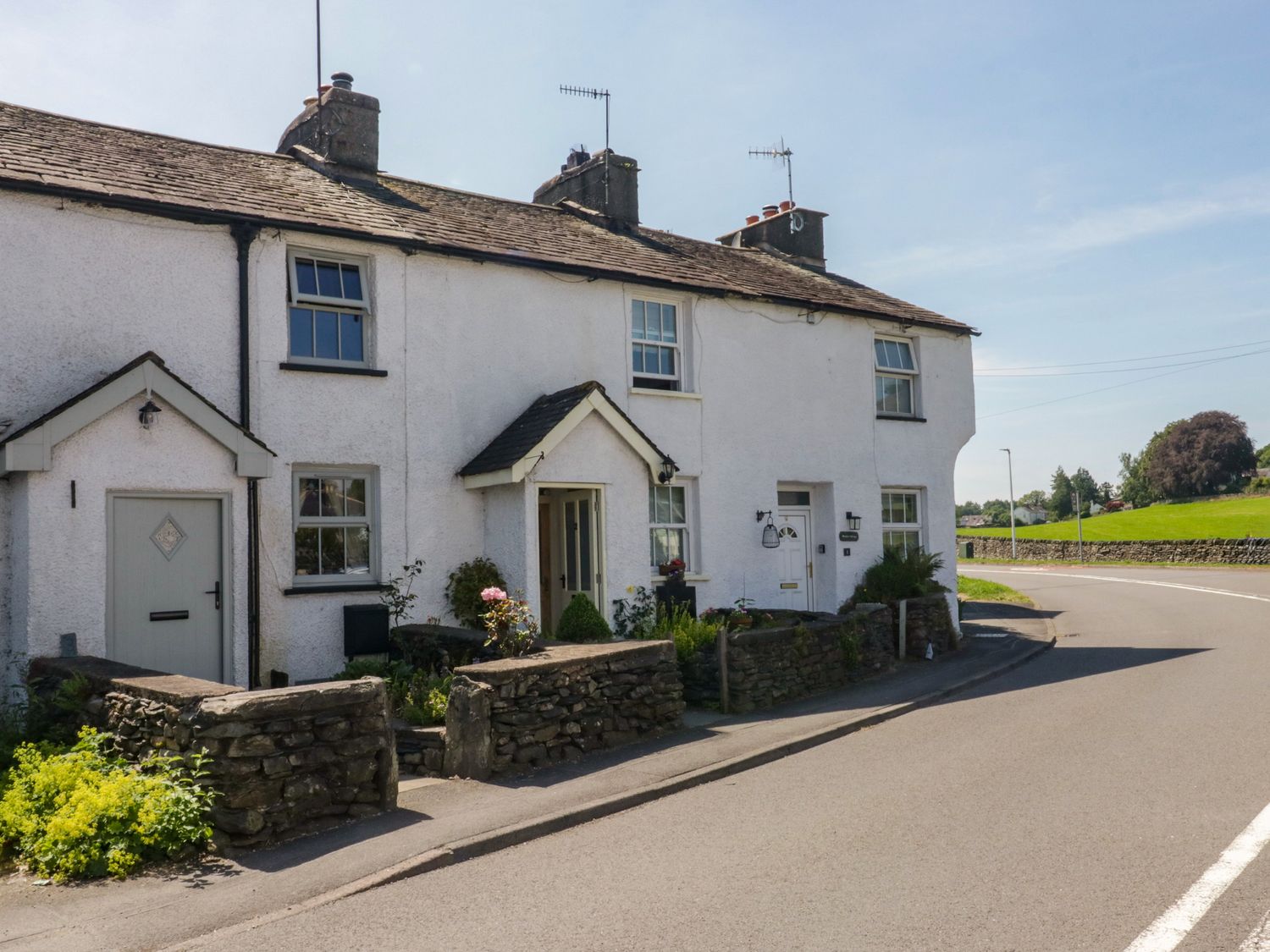
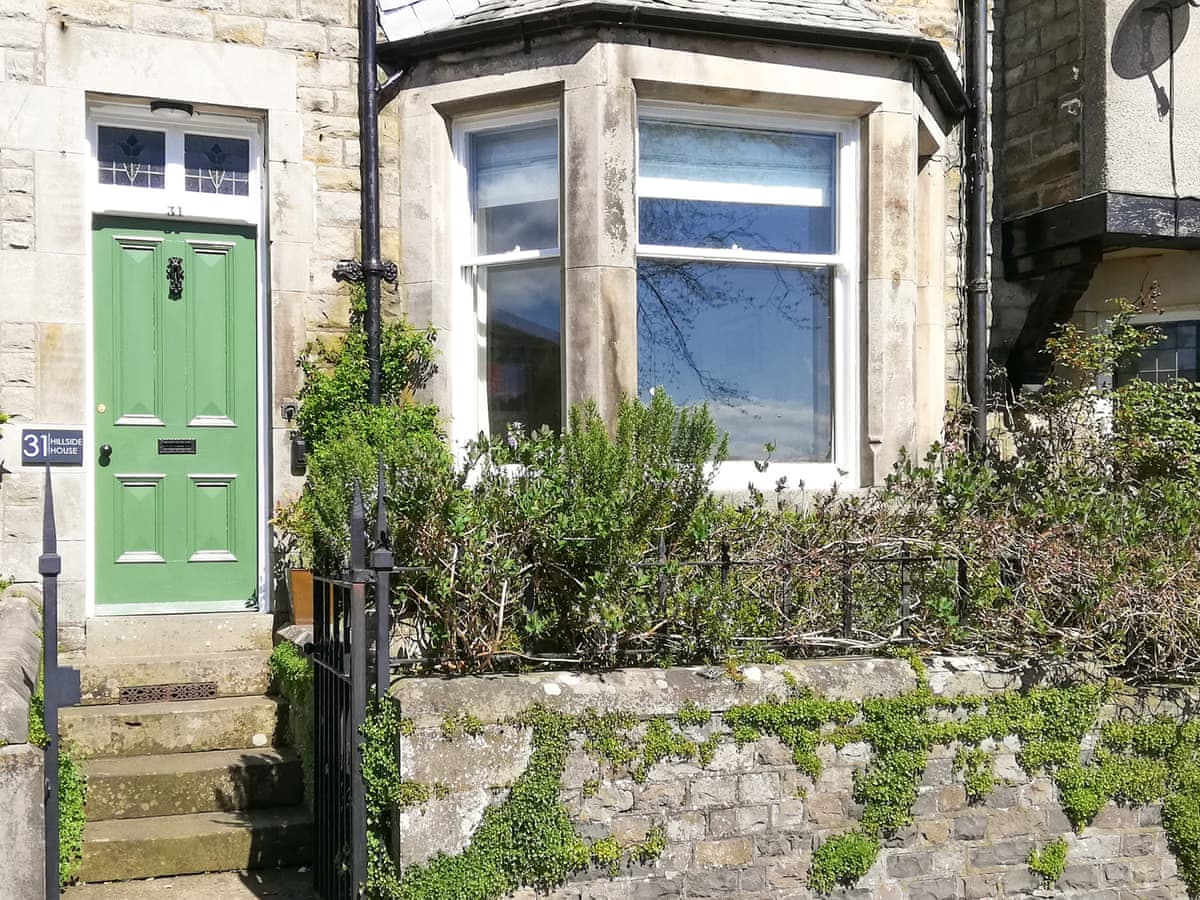
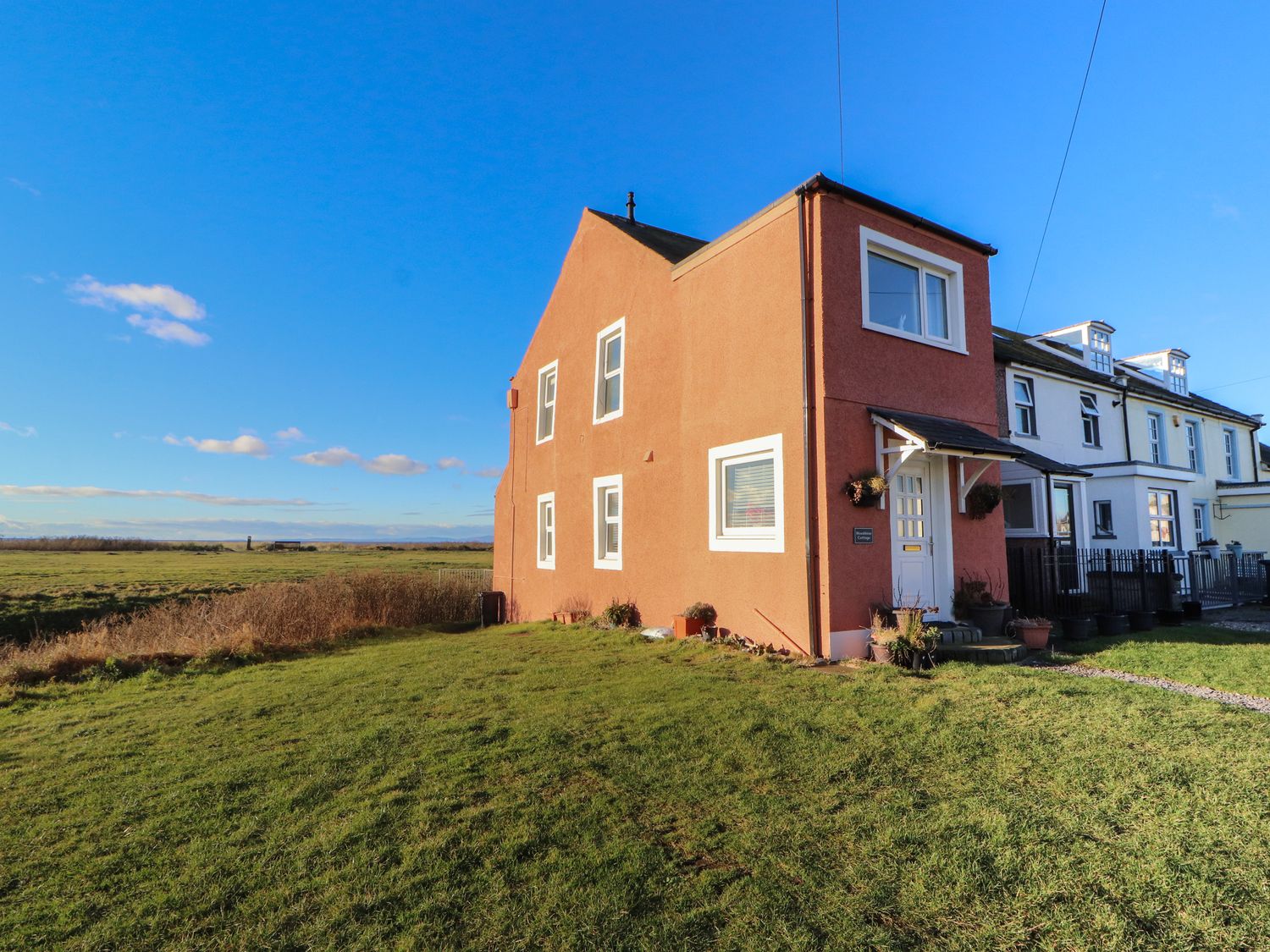
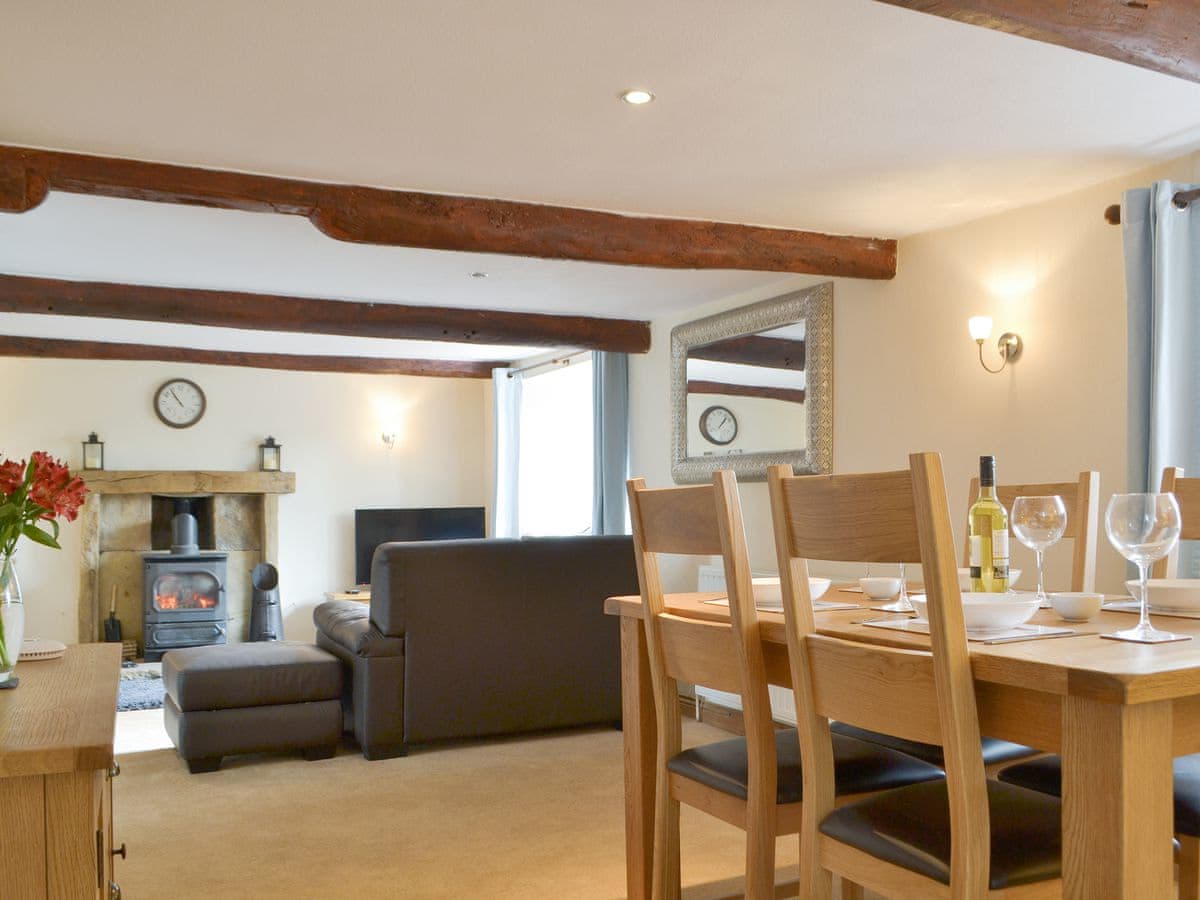
Check out these places to stay nearby
The Solway Firth is one of the most important estuarine habitats in the UK, particularly for wintering birds. Huge flocks of barnacle geese, pink-footed geese, and wigeons arrive here from the Arctic. The Campfield Marsh reserve offers excellent views of lapwings, curlews, and redshanks, while hen harriers and short-eared owls hunt over the marshes.
This dramatic stretch of coastline near Whitehaven is home to Cumbria’s only seabird cliffs. The towering red sandstone cliffs host colonies of guillemots, razorbills, kittiwakes, and fulmars, while peregrine falcons and choughs can sometimes be seen patrolling the area. Offshore, look out for gannets, skuas, and even passing dolphins.
This remote upland reserve in the North Pennines is an excellent place to see birds of prey. Hen harriers, merlins, and short-eared owls hunt across the moors, while black grouse and red grouse are also present. In summer, the heather-clad hillsides come alive with wheatears, whinchats, and ring ouzels.
One of the largest lakes in the Lake District, Bassenthwaite is famous for its ospreys, which nest here each summer and can be seen fishing in the lake. The surrounding woodlands are home to redstarts, pied flycatchers, and wood warblers, while the wetlands attract wigeons, teals, and little grebes.
This remote peat bog on the Solway Plain is an excellent location for spotting raptors. Hen harriers, merlins, and sparrowhawks are often seen hunting here, while winter visitors include whooper swans and geese. The mossy landscape also supports breeding reed buntings, skylarks, and snipe.
This lowland raised bog near the Kent Estuary is best known for its ospreys, which breed here each summer. The boardwalks offer excellent views of hobbies, dragonflies, and adders, while resident species include tree pipits, redpolls, and green woodpeckers.
Near Millom, this former ironworks site has been transformed into an important wetland habitat. Little terns, ringed plovers, and avocets breed here in summer, while winter visitors include wigeons, pintails, and goldeneyes. The adjacent Duddon Estuary is a great place to see curlews, oystercatchers, and knot.