Niger seed, also spelled nyjer, is derived from the African yellow daisy (Guizotia abyssinica), an annual herb native to the Ethiopian Highlands. Originally cultivated in Ethiopia for centuries, its cultivation has since spread to other regions, including India, Nepal, and Myanmar, where it is valued both for its oil-rich seeds and its use in traditional cooking and medicine.
Botanically speaking, Niger seed is a dry, single-seeded fruit known as an achene. Though commonly referred to by a variety of names, including nyger, ramtil, inga, and black seed, it is sometimes mistakenly called “thistle seed”. This misnomer originated when niger seed was first marketed as bird food in North America. Finches are naturally drawn to thistle and teasel seeds, and the name was likely used to highlight this connection, despite the fact that Guizotia abyssinica is not related to the thistle family.
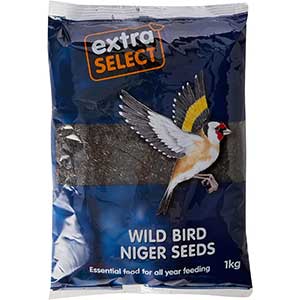
One of niger seed’s most popular uses is as bird feed, particularly for finches such as goldfinches, siskins, and redpolls. Its high oil content and calorific value make it an ideal food source for these small, energetic birds. Its use in bird feeding has become widespread across North America and, more recently, Europe, where garden bird enthusiasts have adopted it with enthusiasm.
| Nutrient | Amount |
|---|---|
| Calories | 515 |
| Fat | 39 g |
| Sodium | 0 mg |
| Potassium | 0 mg |
| Sugar | 0 g |
| Fibre | 11 g |
| Protein | 24 g |
| Vitamin A | 0% (RDA) |
| Vitamin C | 0% (RDA) |
| Calcium | 300% (RDA) |
| Iron | 57% (RDA) |
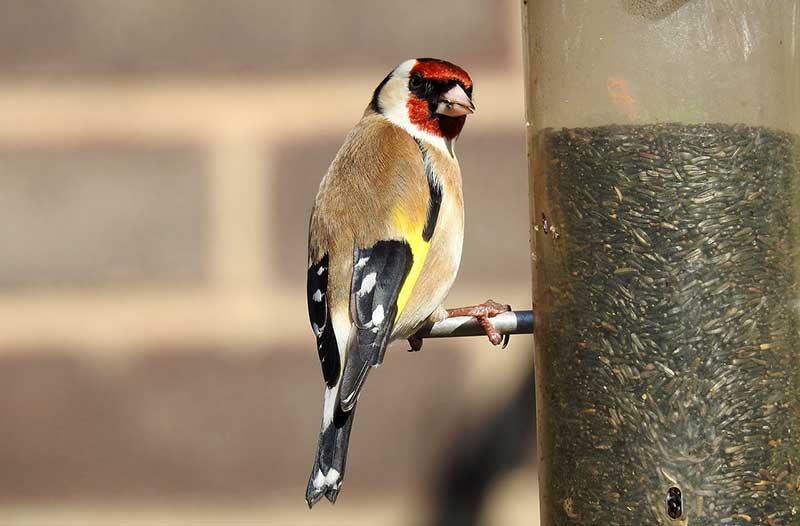
Goldfinch (Carduelis carduelis) Perhaps the most iconic niger seed fan in the UK. Recognisable by their vibrant red faces and yellow wing flashes, goldfinches flock to niger feeders in groups, especially during autumn and winter.
Siskin (Spinus spinus) These small, streaky yellow-green finches love niger seed and often visit feeders in flocks. Siskins are more common in coniferous woodland areas but will come into gardens readily when food is scarce.
Redpoll (Acanthis cabaret) A more elusive visitor, the lesser redpoll has a distinctive red forehead and black chin. They particularly enjoy niger seed in the late winter and early spring.
Greenfinch (Chloris chloris) While they more commonly go for sunflower hearts, greenfinches will happily feed on Niger, especially when other food sources are depleted.
Chaffinch (Fringilla coelebs) Although more ground feeders, chaffinches will occasionally take niger seed, especially if it’s spilled from hanging feeders.
House Sparrow (Passer domesticus) Not a finch, but opportunistic feeders like house sparrows may also visit niger feeders, particularly in more urban or suburban areas.
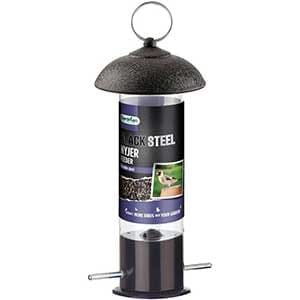
Because niger seed is exceptionally fine and lightweight, it requires a specially designed feeder to dispense it properly and minimise waste. Using the right feeder and keeping it clean is essential not only to attract birds but also to protect their health.
Niger feeders typically have very small feeding ports or fine mesh that allows the tiny seeds to be accessed without spilling. Standard seed feeders won’t work, as the seed can fall through or become damp and clump. Opt for a feeder with several perches, which will allow more birds to feed at once, and finches in particular enjoy feeding in flocks.
Some feeders come with a rain dome to protect the seed from getting wet, which helps prevent spoilage and mould, while a feeder with a small tray underneath can catch dropped seeds and prevent waste.
When feeding birds, timing and hygiene are key. Put food out at peak times, typically early in the morning and late in the afternoon. Place feeders away from potential predators such as cats, and keep them clean to prevent the spread of diseases. Like all bird food, niger seed should be stored in a cool, dry place and used before its expiry date to maintain freshness and nutritional quality.
Due to the risk of introducing non-native plants, niger seed is imported under strict controls and must be heat-treated to prevent germination. This sterilisation process, along with import costs, means that niger seed can be more expensive than other bird foods. However, its nutritional benefits and popularity with finches often justify the extra cost for dedicated bird lovers.
Beyond bird feeding, niger seed is also used in human cuisine. In parts of southern India, the seeds are ground into a spice mix or used to make a dry chutney, imparting a nutty, slightly bitter flavour. It is also used in some traditional curries and health remedies due to its antioxidant properties and healthy fats.
This page contains affiliate links. For more information please see our disclosure here.