Breeding birds: 28 pairs
Family: Sandpipers & allies
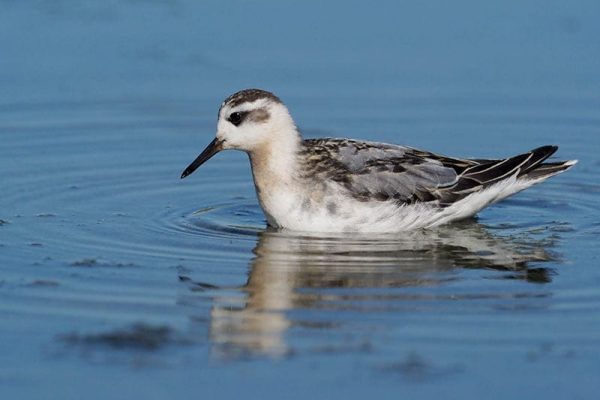
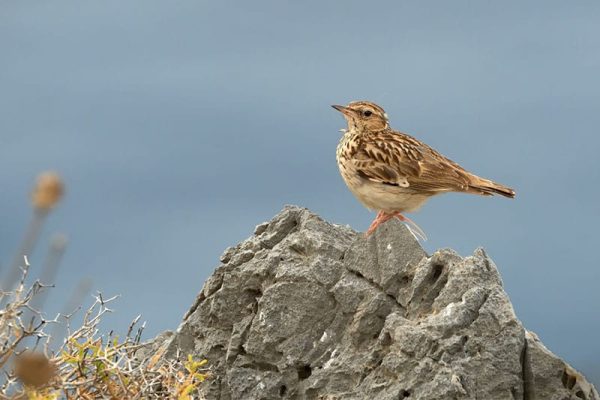
In breeding season wood sandpipers have dark brown upperparts with heavy, pale grey and white bars and spots. The rump and uppertail coverts are white, the rectrices are pale brown with narrow white bars.
The underparts are white with dark spots and streaks on the breast, and brown bars on the flanks. The underwing is white with grey-brown bars.
Wood sandpipers have a white throat and pale hindneck, and the crown is dark brown with white streaks. They have a conspicuous long white supercilium that extends from the bill to the ear coverts. The bill is long and straight with a yellow-green base and black tip. The eyes are dark brown with a narrow, white eye-ring, and the legs and feet are dull yellow.
In non-breeding plumage wood sandpipers have grey-brown upperparts with white spots. The breast is grey-brown with brown streaks and there are no bars on the flanks.
Males and females are similar but the female is slightly larger.
Juvenile wood sandpipers have dark brown upperparts with buff spots and fringes. The breast is pale grey-brown with fine brown streaks.
Try our interactive bird identifier
Wood sandpipers breed between May and mid-July, nesting in solitary pairs. The nest is a shallow scrape in the ground hidden in dense ground cover and lined with moss, leaves, and other plant matter. They will sometimes nest in trees in nests abandoned by other birds.
Wood sandpipers lay 3-4 olive green eggs with dark markings which are incubated by both parents for 22-23 days. The chicks have pale buff or white down with darker markings on the upper back, underparts, and head. Both parents care for them for 7-10 days although the male cares for them alone for the last few days. The fledge about 1 month after hatching.
Wood sandpipers eat aquatic insects during breeding season and both aquatic and terrestrial insects out of breeding season. They will also eat worms, spiders, small crustaceans, molluscs, small fish, tadpoles, and frogs. They may also supplement their diet with seeds.

Wood sandpipers can be seen in the UK between April and October. A few pairs breed in the Scottish Highlands but most are passage migrants that breed in Northern Europe and winter in Africa. Look out for them in coastal reserves.
Britain's Birds
RSPB Handbook Of British Birds

Collins Bird Guide
Wood sandpipers will feign injury such as pretending to have a broken wing to defend themselves against predators. They may also flash contrasting feathers which makes they look as though have another pair of legs, while making a squealing sound and zig-zagging across the ground.