Pembrokeshire, located in southwest Wales, boasts a stunning coastline, much of which is protected within the Pembrokeshire Coast National Park, the only coastal national park in the British Isles. With its offshore islands, estuaries, cliffs, ancient woodlands, moorlands, and farmland, the region offers a rich variety of habitats that support a diverse range wildlife, making it a prime destination for bird watching.
Less than a mile off the Pembrokeshire coast, Skomer Island, managed by the Wildlife Trust of South and West Wales, is a haven for seabird enthusiasts. The island is best known for its puffin population, with around 40,000 pairs nesting here in spring and summer. It is also home to one of the world’s largest colonies of Manx shearwaters, with over 350,000 pairs breeding on the island.
Razorbills, guillemots, kittiwakes, fulmars, storm petrels, shags and several species of gulls nest in vast numbers on the cliffs too. Overhead, birds of prey such as buzzards, peregrine falcons, kestrels, and short-eared owls can often be seen hunting, while ravens and choughs soar along the rugged coastline. On the island’s grasslands and heathlands, which come alive with wildflowers in spring and summer, you may spot dunnocks, meadow pipits, wheatears, rock pipits, and whitethroats.
Skomer Island is accessible via a short 15-minute boat trip. Keep an eye out for dolphins, porpoises, and even whales in the surrounding waters as you sail across.
Just off the coast near St Davids, Ramsey Island is a beautiful and unspoiled RSPB reserve, known for its dramatic bird cliffs, coastal scenery, and wild heathland. The only permanent residents are two RSPB wardens, and access to the island is by boat from St Justinians harbour.
Ramsey Island is one of the best places in the UK to see choughs, which thrive in its undisturbed landscape, drawn by an abundant supply of dung beetles. Ravens and jackdaws are also common, while birds of prey, including peregrine falcons, buzzards, kestrels, and little owls, frequently hunt along the cliffs. The endangered hen harrier is an occasional visitor.
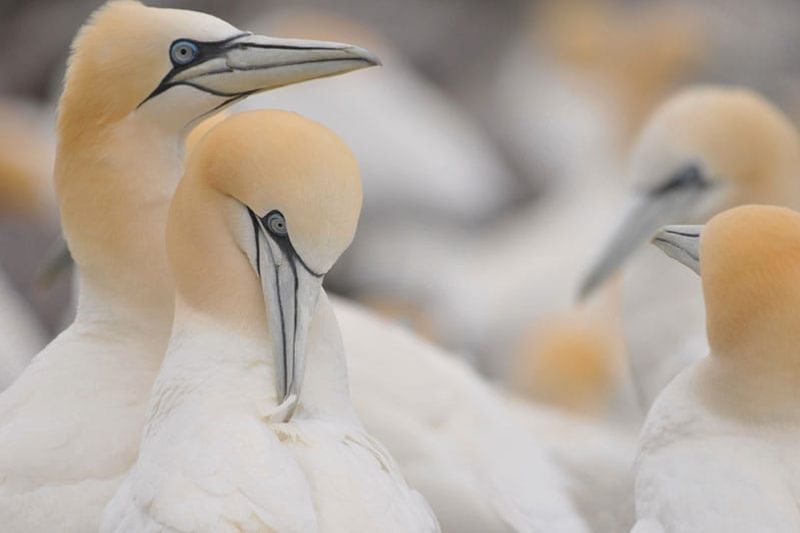
The island’s seabird colonies are home to large numbers of kittiwakes, fulmars, shags, and razorbills, while small colonies of puffins and Manx shearwaters also nest here. Although gannets do not breed on the island, they are often seen diving for fish offshore.
On the heathland, breeding birds include skylarks, rock pipits, stonechats, and wheatears, alongside a small population of swallows, wrens, and blackbirds. In autumn and winter, migrating species such as redwings, fieldfares, bramblings, and snow buntings arrive.
Ramsey Island is also an important breeding site for grey seals, with around 400 pups born each autumn along its secluded coves.
The River Teifi, the longest river entirely within Wales, flows 75 miles from its source in Tregaron in the Cambrian Mountains to its estuary at Cardigan. The estuary is surrounded by a rich variety of habitats, including open pasture, freshwater marsh, reedbeds, open pools, and tidal mudbanks, making it a haven for birdlife.
In autumn and winter, the estuary often floods, attracting large numbers of wildfowl such as teals, wigeons, and mallards. Waders including redshanks, curlews, greenshanks, lapwings, snipes, and black-tailed godwits are commonly seen, while water rails and little egrets make occasional appearances. Thousands of starlings gather in winter to roost, performing spectacular murmurations over the marshes before settling for the night.
During the breeding season, the surrounding grasslands come alive with reed warblers, sedge warblers, Cetti’s warblers, and whitethroats, while on the water, shelducks and moorhens nest. The tall trees along the riverbanks host heronries, where grey herons can be seen tending to their nests high above the water.
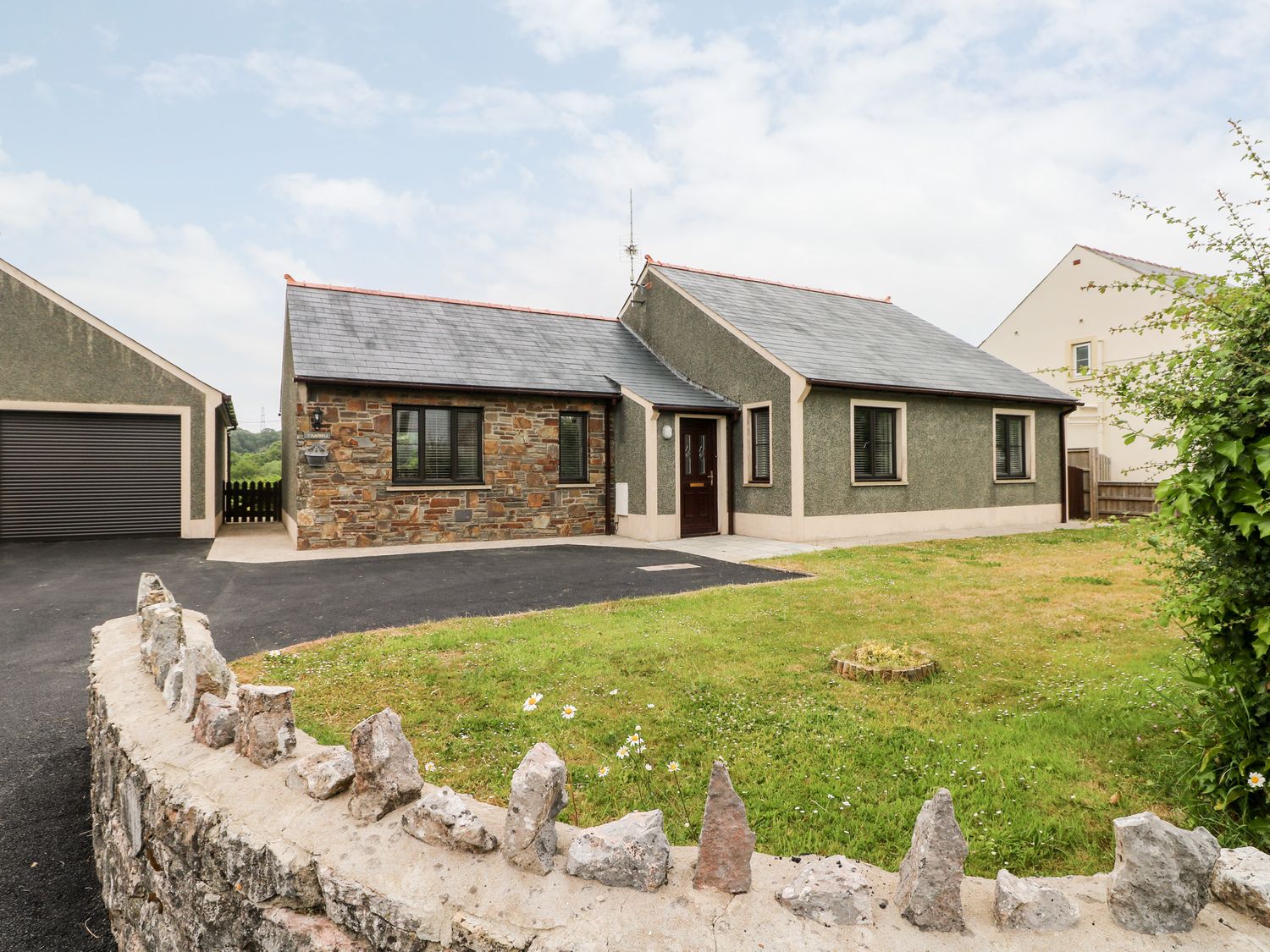
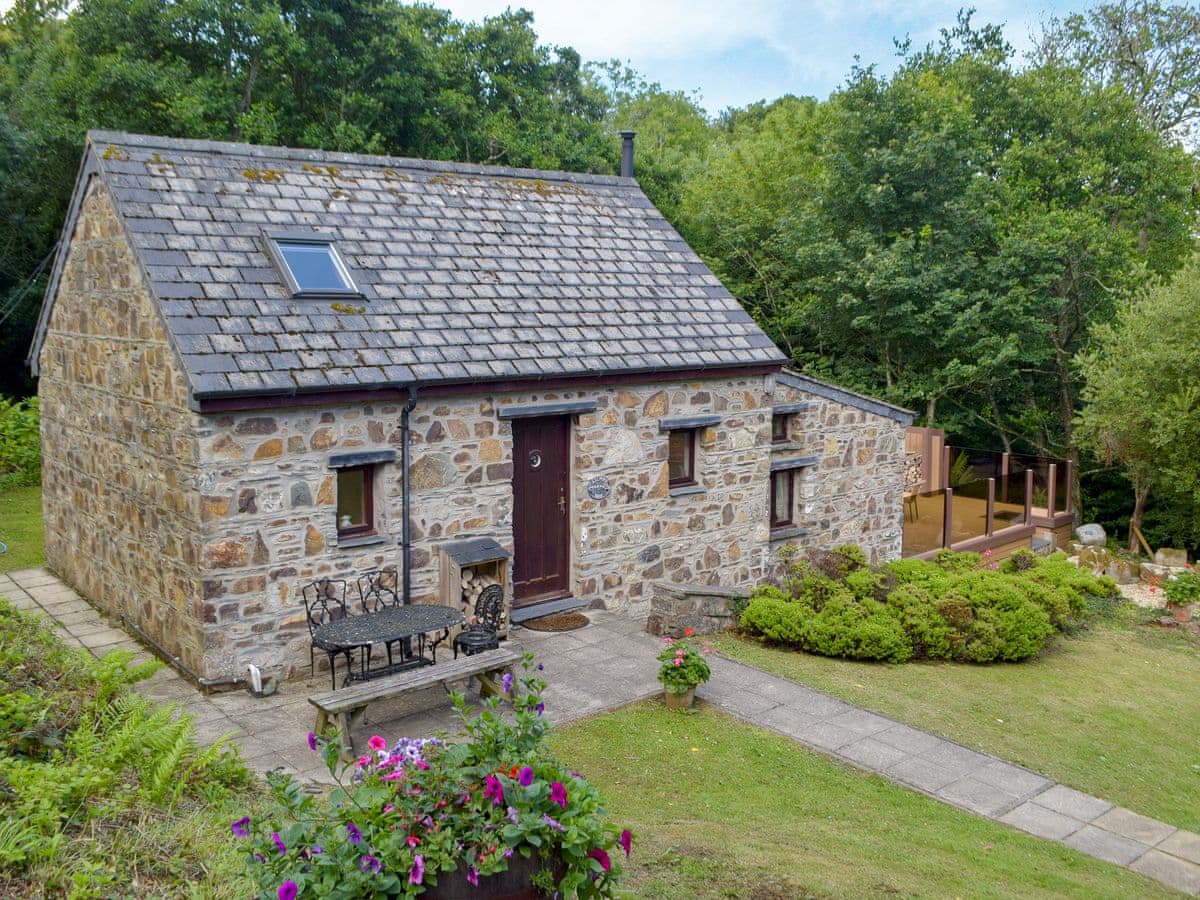
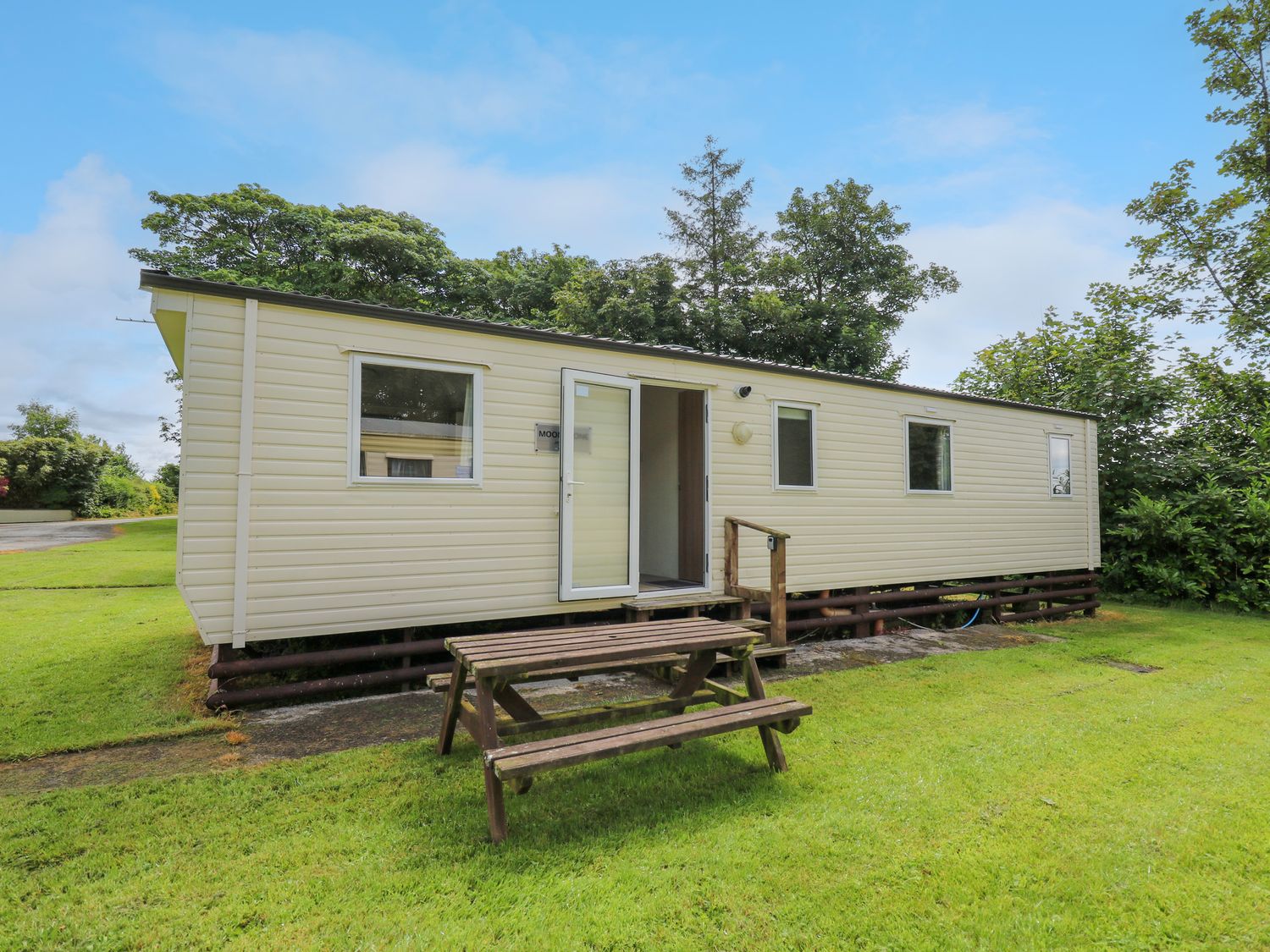
Check out these places to stay nearby
Managed by the Montgomeryshire Wildlife Trust, Cors Dyfi is a nature reserve near the village of Derwenlas in Powys, situated on land reclaimed from the estuary along the south side of the River Dyfi.
The reserve is a rich mosaic of bog, swamp, wet woodland, and scrub, supporting a diverse range of wildlife. Spring and summer are the best times to spot reed warblers, sedge warblers, dippers, and grey wagtails, while the distinctive call of a cuckoo often echoes across the landscape. In winter, the reserve welcomes flocks of geese and ducks, along with the elusive bittern. Small birds such as bullfinches, long-tailed tits, and nuthatches frequently visit the bird feeders, while red kites and peregrines are also regular visitors.
Cors Dyfi is home to the Dyfi Osprey Project, a dedicated breeding initiative that has successfully attracted these magnificent fish-eating raptors. Each summer, ospreys return to the reserve to breed before migrating to West Africa for the winter. Visitors can watch them building their nests and raising their chicks from a dedicated viewing room in the visitor centre, offering a unique glimpse into their fascinating lives.
Designated a Site of Special Scientific Interest (SSSI), Marloes Mere is a wetland habitat nestled within the Marloes Peninsula, close to Marloes Sands. Its acidic vegetation, pools, and marsh provide a haven for a diverse range of wildlife and plant species.
Though often elusive, snipes can be found feeding along the marsh’s wet edges, while marsh harriers and peregrine falcons glide low over the reeds, hunting for birds and amphibians. In winter, the mere becomes a hotspot for wildfowl, attracting ducks such as teals, wigeons, and shovelers. During summer, swallows and swifts can be seen swooping over the water, catching insects in mid-air.
The nearby Deer Park, with its dense patches of heather and gorse, is home to Dartford warblers, stonechats, skylarks, and whitethroats, making it an excellent location for birdwatching throughout the year.
The Gann Estuary and Pickleridge Pools, part of the Pembrokeshire Marine Special Area of Conservation (SAC), offer excellent bird watching opportunities year-round. Located near the coastal village of Dale, this diverse habitat attracts a wide variety of bird species.
The pools provide an important breeding site for wigeons, teals, shelducks, dunlins, greenshanks, curlews, and oystercatchers. Little egrets, spotted redshanks, and spoonbills are also frequently recorded in the surrounding salt marshes. In summer, keen-eyed visitors may spot the dazzling blue flash of a kingfisher darting through the vegetation.
Autumn brings an influx of whimbrels, along with hundreds of migrating finches and pipits. On the estuary, goldeneyes, goosanders, red-breasted mergansers, and great crested grebes can be seen, while winter welcomes large flocks of brent geese, roosting gulls, and migrating terns.
Thanks to its prime coastal location, the site frequently attracts rarities. Notable sightings have included American golden plovers, Baird’s sandpipers, red-necked phalaropes, and white-winged terns, making it a must-visit destination for birdwatchers in search of something special.
A fantastic location for seabird migration, Strumble Head is best visited in autumn when large numbers of Manx shearwaters, sooty shearwaters, Arctic and great skuas, and storm petrels pass offshore. The headland is also one of the best places in the UK to spot porpoises, while peregrine falcons and kestrels are often seen hunting along the cliffs.
Located on the Castlemartin Peninsula, this dramatic stretch of coast is one of the most important seabird nesting sites in South Wales. In spring and summer, the cliffs are packed with thousands of guillemots, razorbills, and kittiwakes, making it an incredible sight (and sound). The area is also good for spotting choughs, peregrines, and ravens, while gannets from nearby Grassholm Island can often be seen diving offshore.
This large freshwater reservoir is excellent for winter wildfowl. Goldeneyes, goosanders, and great crested grebes are common in colder months, while ospreys have occasionally been spotted passing through during migration. The surrounding woodlands provide habitat for nuthatches, treecreepers, and great spotted woodpeckers, while the open water attracts kingfishers and grey herons.
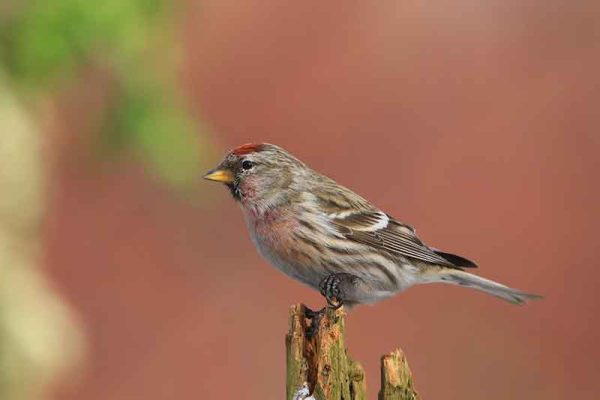
For those looking to explore inland Pembrokeshire, Pantmaenog Forest near Rosebush is a great place to see crossbills, redpolls, and siskins feeding in the conifers. The nearby Rosebush Reservoir is known for its wintering wildfowl, including pochards, tufted ducks, and occasionally scarce visitors such as smew. The surrounding moorland is also a good place to look for hen harriers and merlins.