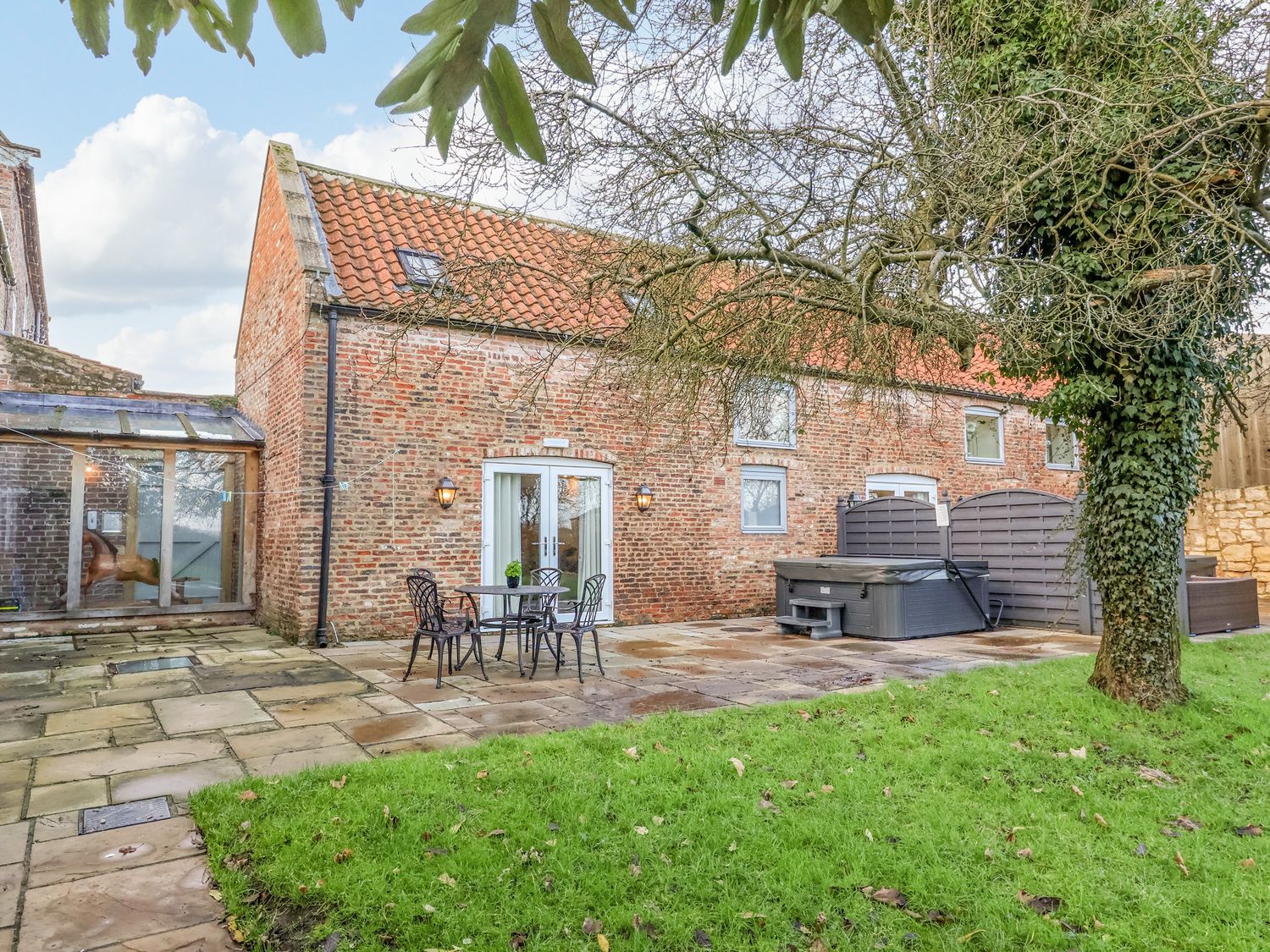
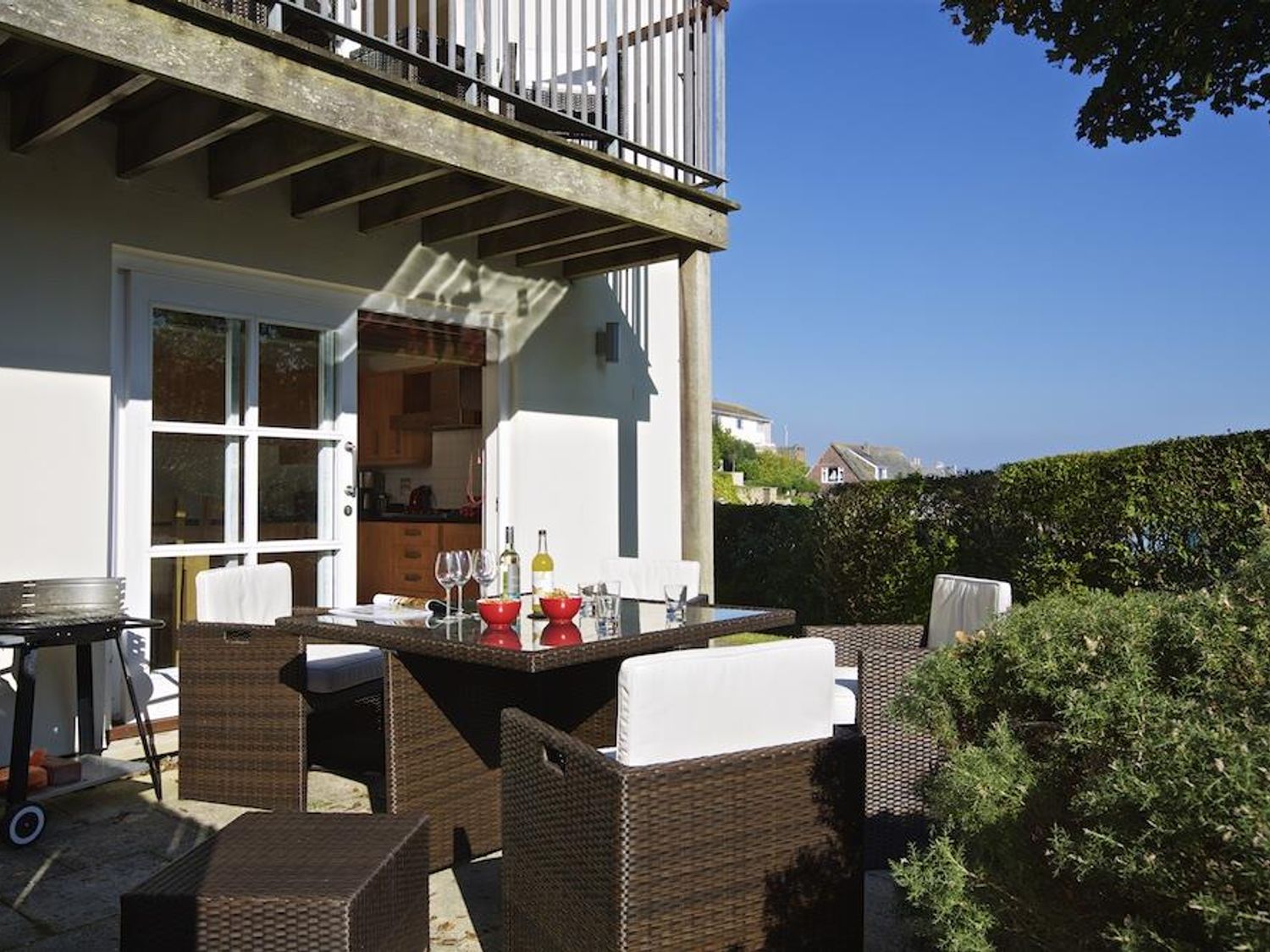
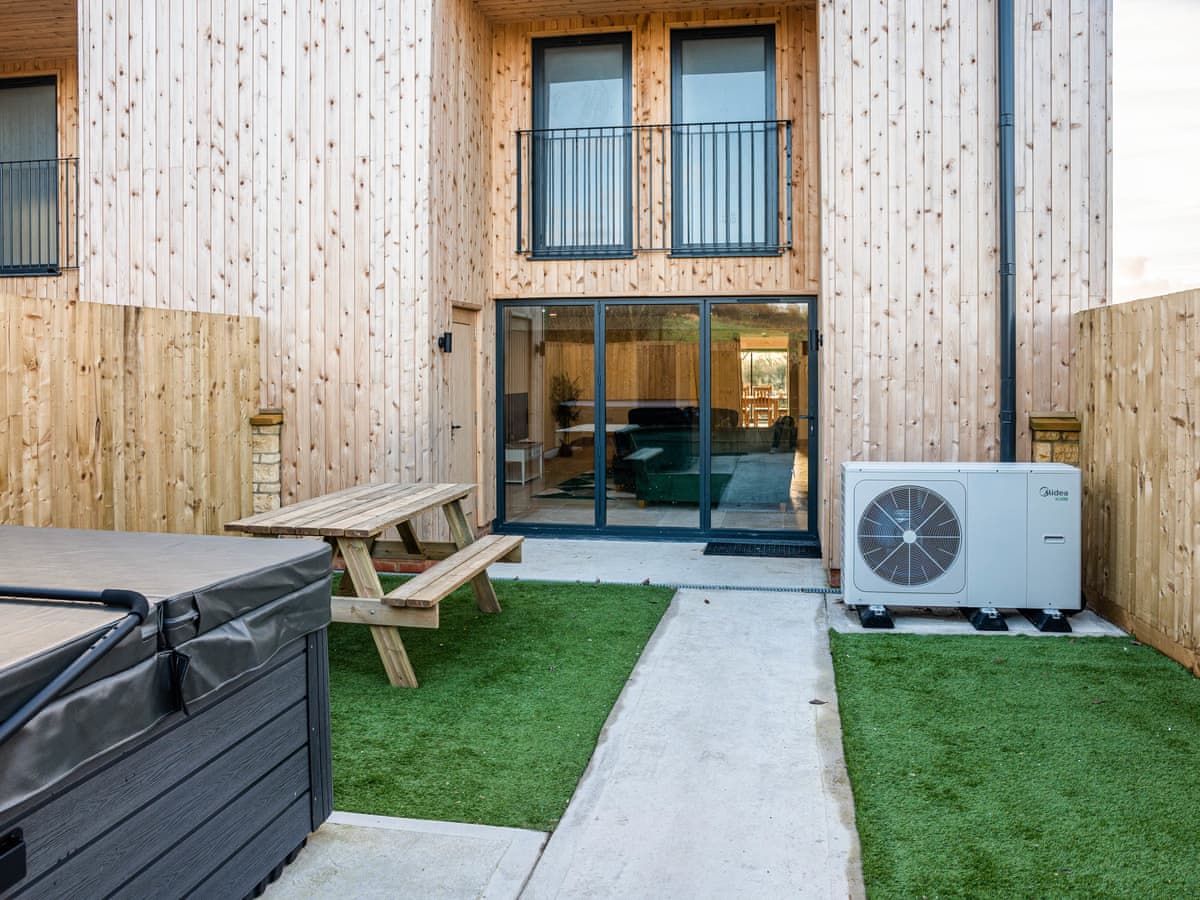
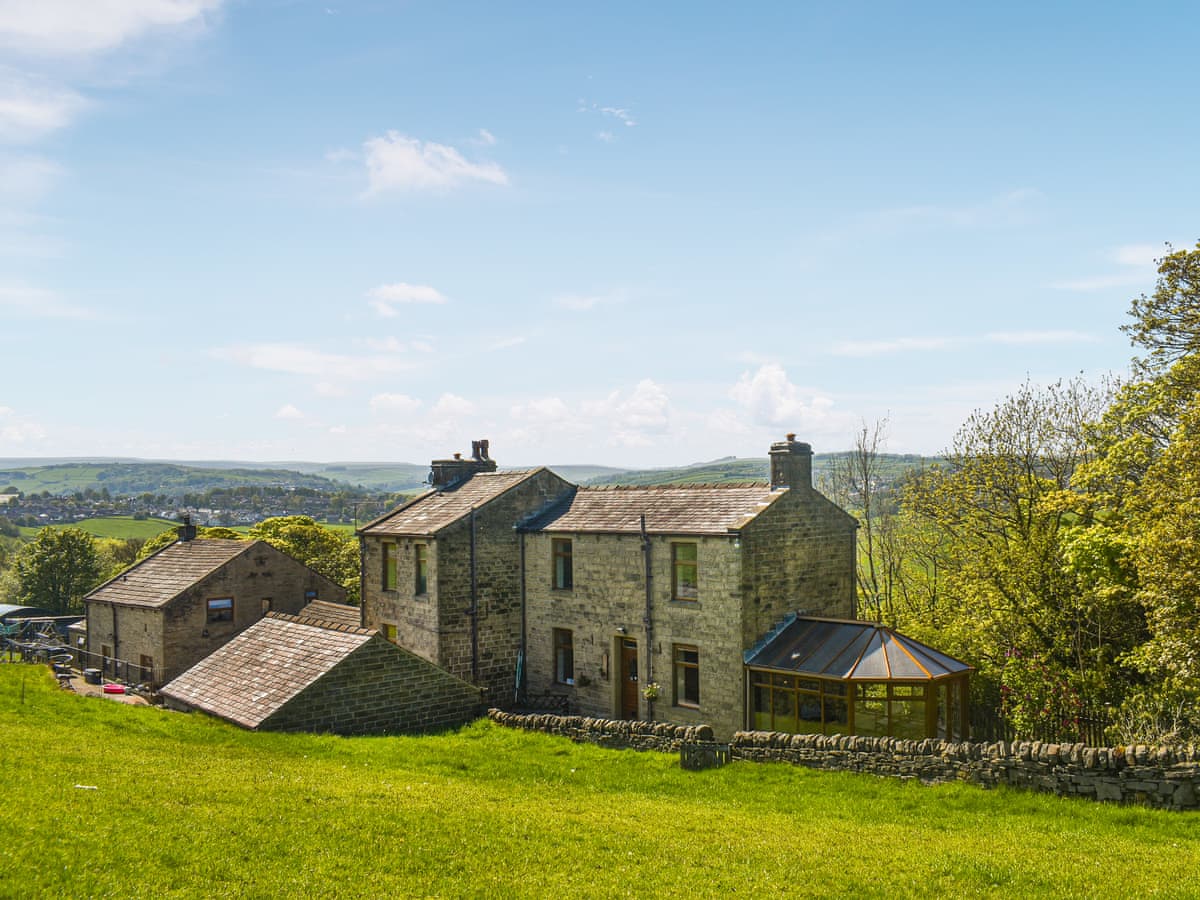
First-floor apartment. Four bedrooms: 1 x king-size double with en-suite bath, shower over, basin, and WC, 1 x king-size double, 2 x twin. Bathroom with bath, walk-in shower, basin, and WC. Cloakroom with basin and WC. Kitchen/diner. Sitting room


It was the constant 28 degrees centigrade of the bubbling blue waters of Buxton’s eight thermal springs that originally attracted the Romans to the town. However it was during the 18th and 19th centuries, under the patronage of successive Dukes of Devonshire, that the Palladian splendour of the Buxton of today was designed and built – including the magnificent semi-circular Crescent, The Great Stable, Hall Bank, The Square, The Pavilion Gardens and The Opera House. Today visitors continue to enjoy these magnificent buildings and gardens, as well as the Opera House’s full programme and annual festivals of music and arts. There is good walking close by with rugged peaks to the north and gentle hills and dales to the south and a number of pretty towns and villages are dotted throughout including Bakewell, Ashford-in-the-Water, Castleton and Edale. The stunning properties of Chatsworth House and Haddon Hall are within easy driving distance and must be seen while visiting this area. A great base for exploring the Peak District.
Located in the heart of England, Derbyshire has a broad range of habitats from the upland moors of the Peak District to the flood plains of the Trent Valley. The high peat bogs, heather moorlands, dales and river valleys, woodlands and ancient forests, and large areas of pasture make up the landscape which attracts a wide variety of bird species throughout the county.
Carsington Water, owned and managed by Severn Trent Water, is a large reservoir in Ashbourne, surrounded by meadows, ancient hedgerows, woodland, reedbeds, and ponds. A visit during spring will reward you with the chance to see the courtship displays of great-crested grebes, and a variety of duckling species, as well as kingfishers catching fish for their young, while in summer the meadows come alive with wildflowers, and buzzards can be spotted soaring over the reservoir. In autumn and winter, look out for lapwings and little grebes, and scarce birds such as the great northern diver, which is usually found near the coast.
There is a visitor centre, cafes and restaurants, an RSPB shop, and a children’s adventure playground, and plenty of opportunities for outdoor activities including sailing, windsurfing, cycling, horse riding, and fishing.
Lying next to the River Derwent, Wyver Lane in Belper is one of Derbyshire Wildlife Trust’s most important wetland reserves comprising two pools surrounded by water meadows and reedbeds. There are many resident birds such Canada geese, tufted ducks, and little grebes, which are joined by curlews and common sandpipers that pass through in spring, and large numbers of gulls and ducks, including wigeon, that arrive in the winter.
There is no public access to Wyver Lane reserve but there is a bird hide and lane that runs alongside from where you can watch the wildlife and the surrounding hills are a beautiful setting for a walk.
Also part of the Derbyshire Wildlife Trust is Derwent Meadows, an important site for wildlife located next to a business park in Alvaston. The reserve consists of wet and dry grasslands, reedbeds, hedgerows, ponds, and woodland in which the rare Cetti’s warbler can sometimes be heard singing. Grey herons, little grebes, and kingfishers can all be spotted on the River Derwent which runs through the site.
For wildfowl, head to Carr Vale where the open water, marshland, and grassland are home to large flocks of wigeons, teals, gadwalls, and pochards in the winter. The reserve also attracts wintering finches and buntings, and in autumn, huge roosts of swallows gather before making their journey back to Africa. Breeding birds include reed and sedge warblers, whitethroats, yellowhammers, moorhens, and the declining skylark, and birds of prey such as hobbies can be seen all year round.
Located next to Pride Park football stadium just 3km from Derby city centre is The Sanctuary bird reserve which doesn’t offer public access due to ground-nesting birds, but offers good viewing opportunities from the perimeter. The designated local nature reserve has an artificial sand martin nest bank, a lake that attracts lapwings and little ringed plovers, and grassland where skylarks, reed buntings, and stonechats can be spotted.
Elvaston Castle Country Park is 200 acres of woodland, parkland, and Grade II listed formal gardens, as well as a designated local nature reserve. The reserve has wildflower meadows, reedbeds, wet woodlands, and lakes and islands which are overlooked by bird hides. Look out for grey herons, kingfishers, tufted ducks, and reed buntings around the water, birds of prey such as sparrowhawks and buzzards hunting overhead, and nuthatches and finches which are attracted to the bird feeders.
There are also plenty of family-friendly activities with the gothic Elvaston Castle at the heart of the estate, as well as a sculpture trail, children’s play area, cafes, and numerous events and festivals that take place throughout the year.